
The Daily Mint : July 18, 2026: Standing Liberty Quarter, PVC Protection & More
Happy Saturday, collectors. Welcome back to The Daily Mint.
Today we’re diving into a classic rarity that every silver hunter dreams of finding in an old cigar box. We’re also talking about the "green death" that can ruin your collection and how to stop it. Whether you are a seasoned numismatist or just checking your pocket change for silver, there is something for you here.
The 1916 Standing Liberty Quarter: A Rare Icon
The standing liberty quarter 1916 is the stuff of legends. Designed by Hermon Atkins MacNeil, it replaced the long-running Barber design. It didn't just change the look of our pocket change; it sparked a national conversation.
A Tiny Mintage
Only 52,000 of these coins were struck. To put that in perspective, the Philadelphia Mint usually churns out millions. These were struck in the final two weeks of 1916. Because the mintage was so low, finding one today is a major win. Even in "Good" condition (G-4), a genuine 1916 specimen can fetch over $2,600. If you find one in Mint State, you are looking at a five-figure payday.
The Controversy
The original 1916 design is known as "Type 1." It features Liberty with her right breast exposed. Legend says there was a massive public outcry from religious groups. While historians today argue that the "outrage" might have been exaggerated, the Mint did change the design in 1917. They covered Liberty in chain mail, creating the "Type 2" design we used until 1930.
Whether it was social pressure or technical issues with how the coins stacked, the 1916 remains the only year where the "bare breast" design saw a full (though tiny) production run.
Coin Care Corner: Avoiding the "Green Death"
If you want to keep your coins healthy, you need to know about coin pvc damage.
What is PVC Damage?
Back in the day, many soft plastic flips and holders were made with polyvinyl chloride (PVC). Over time, the chemicals in the plastic break down. They leak a sticky, green acidic film onto the surface of the coin. This is the "green death." If left alone, it will eat into the metal, causing permanent pits and stains.
How to Spot It
Check your older holders. Does the plastic feel oily or sticky? Do you see a light green haze around the edges of your silver? That is PVC.
Proper Coin Storage for Collectors
To prevent this, use the right materials. Here are a few coin collecting tips for storage:
- Mylar Flips: These are "non-PVC" and archival safe. They are stiffer than the old soft ones.
- Acid-Free Albums: Brands like Dansco or Whitman use materials that won't harm your coins over decades.
- Cool and Dry: Humidity is the enemy. Store your collection in a climate-controlled room, not a damp basement or hot attic.
The Rescue: The Acetone Bath
If you find PVC on a coin, don't scrub it. Scrubbing creates "hairlines" and ruins the value. Instead, use a pure acetone bath.
- Use 100% pure acetone (not nail polish remover).
- Dip the coin for a few minutes.
- The acetone dissolves the organic PVC residue without hurting the metal.
- Air dry.
5 Steps for Counterfeit Coin Detection
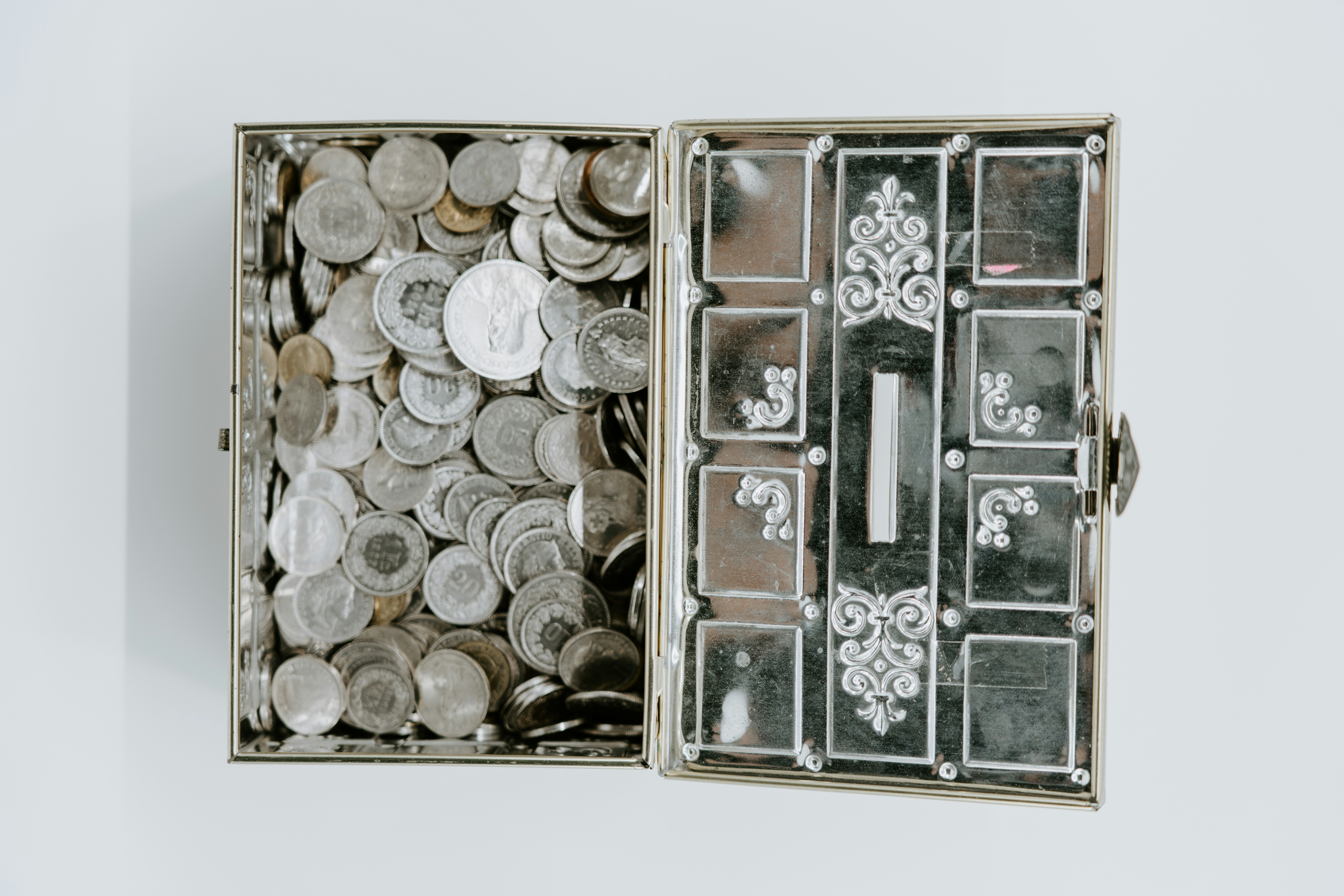
Fake coins are getting better, especially for big keys like the 1916 Standing Liberty. You don't need a lab to spot most fakes. You just need a few tools and a sharp eye for counterfeit coin detection.
- Weight: Buy a digital scale that measures to 0.01g. A 1916 quarter should weigh 6.25 grams. If it's 5.9g or 6.5g, it's a fake.
- Measurement: Use calipers. Check the diameter and thickness against official US Mint specs.
- The Magnet Test: Silver is not magnetic. If your coin sticks to a strong magnet, it's a steel or nickel-based fake.
- The Loupe Inspection: Look for "mushy" details. Genuine coins are struck under tons of pressure, making the lines crisp. Fakes often look "soapy" or have tiny bubbles from being cast in a mold.
- Verify Slabs: If the coin is in a PCGS or NGC holder, don't just trust the QR code. Type the certification number directly into the official website to ensure the coin in the holder matches the database photo.
Understanding ANA Grading Standards
How do we decide if a coin is worth $10 or $10,000? We use the Sheldon Scale, which ranges from 1 to 70. These are the ana grading standards.
- PO-1 to G-4 (Poor to Good): The coin is very worn. You can see the main design, but the details are gone.
- F-12 to VF-20 (Fine to Very Fine): Moderate wear. Details like Liberty's shield or the eagle's feathers are becoming visible.
- EF-40 to AU-58 (Extremely Fine to About Uncirculated): Only light wear on the highest points. Most of the original design is sharp.
- MS-60 to MS-70 (Mint State): This is a coin that never went into a pocket. It has its original "mint luster." An MS-70 is a perfect coin with no visible flaws even under 5x magnification.
For the Standing Liberty Quarter, collectors also look for a "Full Head" (FH) designation. This means the strike was so strong that you can see the individual leaves in Liberty's hair.
Your First Trip: What is a Coin Show?
If you want to see a 1916 quarter in person, you need to go to a show. So, what is a coin show?
Think of it as a pop-up mall for history nerds. Dozens (or hundreds) of dealers set up tables in a large hall. It’s the best place to learn because you can handle thousands of coins in one afternoon.
Beginner's Checklist:
- Ask First: Always ask a dealer before picking up a coin.
- Hold the Edges: Never touch the "face" of a coin. Oils from your skin cause damage.
- Bring a Loupe: A 10x magnifier is the industry standard.
- Take Your Time: Don't buy the first thing you see. Walk the whole floor first.
Tune Into The Coin Show Podcast
If you enjoy these deep dives, you’ll love our numismatic podcast. Matt Dinger and Mike Noodle host The Coin Show, where they break down the latest news, interview experts, and share their own collecting adventures. It is the best coin collecting podcast for people who want to learn while they laugh. You can check out more about our team and our mission on our About Page.
Quick Tip: Check Your Change

Before you spend that handful of change, take five seconds to look:
- W-Mint Quarters: From 2019 and 2020, the West Point mint released quarters into circulation. They have a "W" mint mark and are worth $10-$20+ even if they are a bit scratched.
- Silver: Any dime or quarter from 1964 or earlier is 90% silver. At today's prices, a "junk" silver quarter is worth about $5 in metal alone.
- Errors: Look for coins that look "wrong": off-center strikes, double-printed letters, or weird bumps.
Collecting is about the hunt. Whether you're hunting for a key-date 1916 Standing Liberty or just a W-mint quarter in your laundry money, keep your eyes peeled.
Happy hunting!