The Daily Mint, Wednesday, October 14, 2026: A $2.93 Million Half Disme, a $97,600 Cigar-Box Gold Coin, and a Wednesday No-PVC Check
Photo credit: CoinNews.
A remarkable early American silver coin set a new auction record, a family discovery in Texas brought a rare gold half eagle to market, and the U.S. Mint released a new four-coin reverse proof set. Plus: a quick counterfeit checklist, practical storage advice, and coin shows coming up this weekend.
Lead story: A 1792 half disme brings $2.93 million
A 1792 half disme graded PCGS MS68 sold for $2,928,000 in Heritage Auctions’ October 8–9 GACC U.S. Coins Signature Auction. The coin drew 66 bids and set a record for a half disme, more than doubling the previous record of $1.41 million, set in 2013.
The half disme is one of the earliest U.S. federal coins and is regarded as an important piece of the young nation’s coinage history. This MS68 example is the sole PCGS-graded coin at that level. A second 1792 half disme in the sale, graded PCGS VG10, realized $85,400.
The U.S. coins auction totaled $10,665,743. The accompanying currency auction brought in more than $8.7 million, taking the combined total above $19 million. Read more in CoinWeek’s auction coverage.
From a closet to the auction block: an 1867-S half eagle
An 1867-S Liberty Head Half Eagle turned up in an old cigar box inside a green milk crate in a bedroom closet in Buda, Texas. The coin was among family holdings traced to relatives in Columbus, Ohio, and reportedly to a great-grandfather who served as a Union soldier.
Graded PCGS MS63, the half eagle is recognized as the finest known example of the date. It sold for $97,600, more than quadrupling the previous auction record of $22,800.
Stories like this are a good reminder that family coins can carry history, and that an unusual-looking coin is worth checking with a knowledgeable dealer or authentication service before cleaning, selling, or making assumptions about its value.
Quick news notes
-
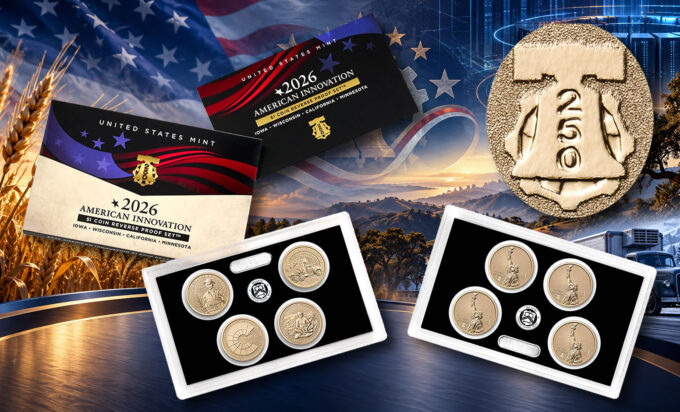
2026 American Innovation $1 Reverse Proof Set: The U.S. Mint released the four-coin set on October 13. Struck in San Francisco, it costs $60 and has a mintage limit of 99,792, with a household order limit of two. Its gear-and-Liberty-Bell privy mark recognizes the nation’s 250th anniversary.
-
Four state designs: The coins honor Norman Borlaug and the Green Revolution in Iowa; the Cray-1 supercomputer in Wisconsin; Steve Jobs in California; and mobile refrigeration in Minnesota. There is no standard American Innovation proof set for 2026, making this the series’ four-coin proof set for the year. See the CoinNews report.
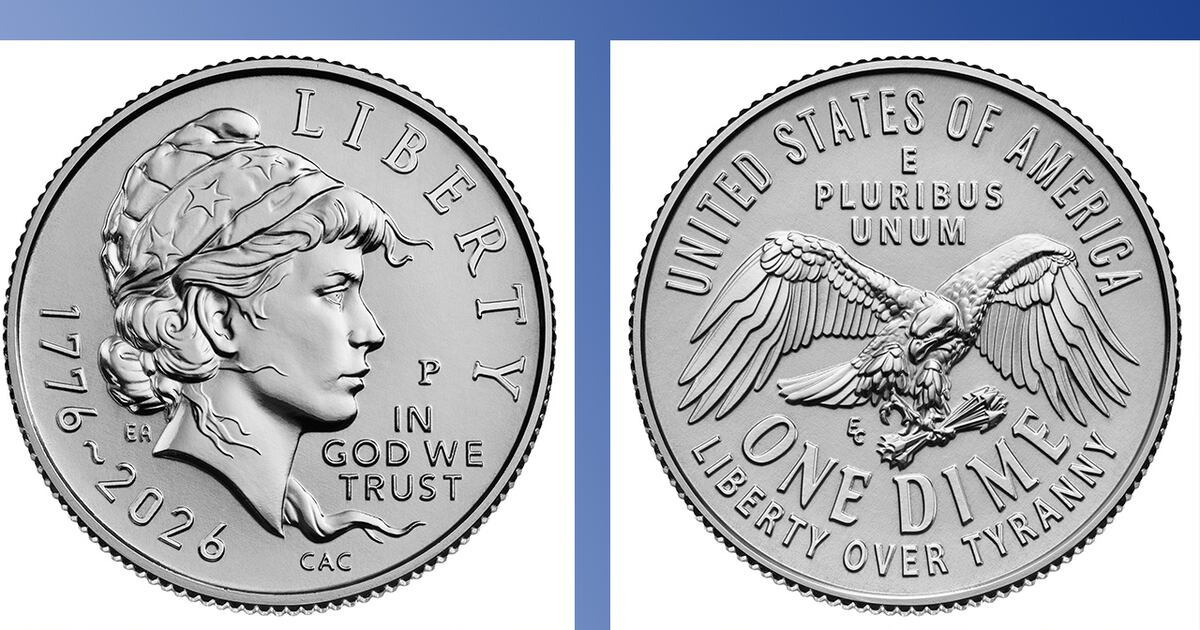
A separate 2026 U.S. Mint design: the 1776–2026 Emerging Liberty Dime.
-
Gadoury Auction XXI: The Monaco auction concludes October 17. NGC-certified European rarities include a 1698 Nuremberg 6 Ducats graded NGC MS63. Details are in NGC’s auction preview.
Counterfeit coin detection: a quick checklist
A coin that looks unusual isn’t automatically counterfeit, and a quick visual check can’t confirm authenticity. Use these basic steps as a starting point:
- Compare it with a verified example. Check the date, lettering, design details, and mintmark against trusted references.
- Look for suspicious alterations. Added or changed dates and mintmarks are known counterfeit methods.
- Inspect the surfaces and edge. Unnatural texture, seams, or details that look soft or poorly formed can be warning signs, but they are not proof on their own.
- Don’t clean or test the coin with chemicals. That can damage it and make professional evaluation harder.
- Ask an expert before buying a costly rarity. Consider a reputable dealer or a recognized grading service.
NGC’s counterfeit detection resources include examples of common fakes and alterations. For a potentially valuable coin, professional authentication is the safer next step.
ANA grading standards, in plain groups
The ANA scale runs from Poor-1 to Mint State-70. Here’s a broad way to think about its main groups:
- Mint State (MS-60 to MS-70): No wear from circulation. Grades reflect differences in marks, luster, strike, and eye appeal.
- About Uncirculated (AU-50 to AU-58): Just a trace of wear, usually on the highest design points.
- Extremely Fine (EF/XF-40 to 45): Light wear, with most design details still sharp.
- Very Fine (VF-20 to 35): Moderate wear; major design features remain clear.
- Fine (F-12 to 15): More noticeable, even wear, but the main design and lettering are still visible.
- Good through About Good (G-4 to AG-3): Heavy wear; some design details, lettering, or parts of the date may be weak.
These are general groups, not a substitute for learning how wear appears on a particular coin. The ANA’s official grading standards provide the full descriptions.
Wednesday no-PVC check: protect your coins from residue
Some soft plastic flips contain PVC. Over time, PVC can leave a greenish, sticky residue on a coin and cause surface damage. If a holder feels unusually soft or flexible, check its materials before storing a coin in it.
For safer coin storage for collectors, use holders made from PVC-free materials such as Mylar, polyethylene, polypropylene, or hard acrylic. Check product descriptions rather than relying on appearance alone, and keep coins in a cool, dry place. Our guide has more advice on how to store your coin collection.
What is a coin show?
A coin show is a gathering where collectors, dealers, and often clubs meet to buy, sell, trade, and talk about coins and currency. It can be a friendly place to learn, compare pieces, and ask questions, whether you’re just starting out or building a specialized collection.
Shows listed for Friday and Saturday, October 16–17, include the Cowtown Coin Show in White Settlement, Texas, and the Johnson County Numismatic Society Show in Lenexa, Kansas. Saturday listings include events in Canoga Park, California; Coeur d’Alene, Idaho; Lafayette, Indiana; Brandon, Mississippi; South Bend, Indiana; Springdale, Arkansas; Highland, Michigan; and Queensbury, New York.
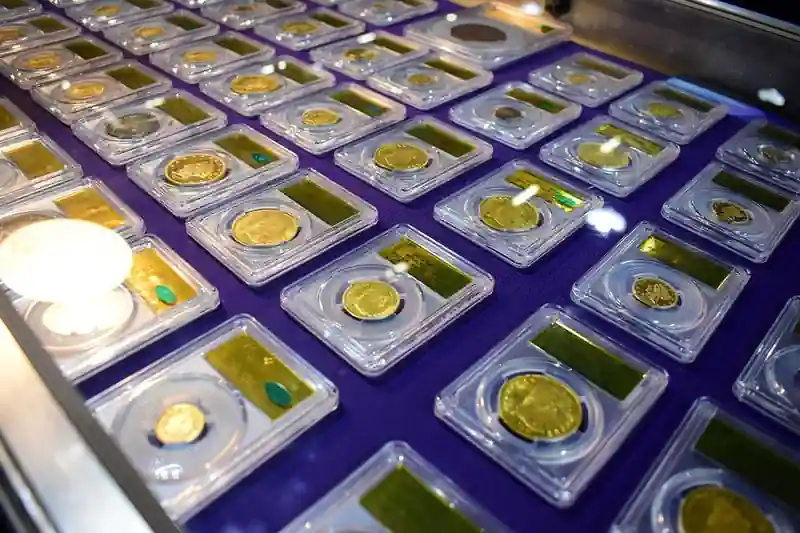
Coin show display cases. Check event listings for the latest venue and schedule details.
Show information can change, so confirm details with organizers before traveling. Browse listings at Find Coin Shows and CoinShows.us.
Standing Liberty Quarter 1916: a reminder to look closely
The standing liberty quarter 1916 is a key date and the first year of the series. Its scarcity also makes it a target for altered-date fakes. If you’re considering one, compare it carefully with trusted references and look for a certified example from a reputable grading service.
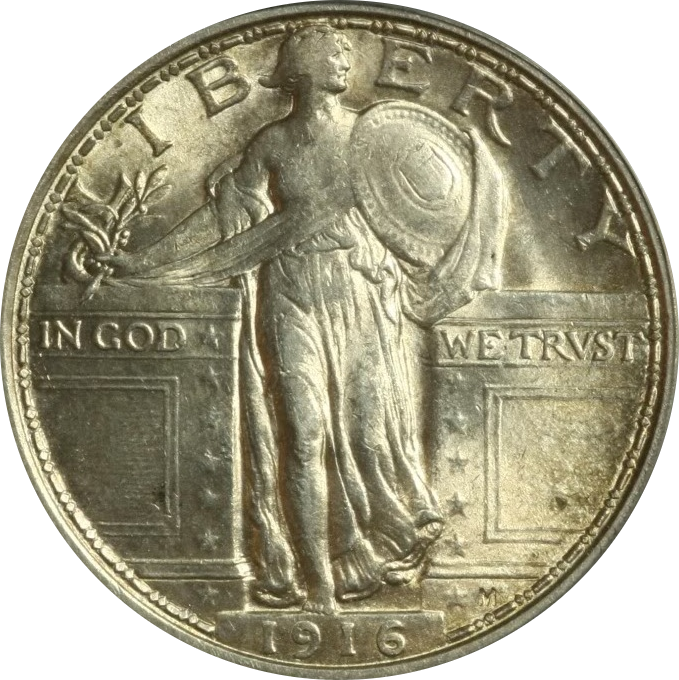
1916 Standing Liberty Quarter, obverse.
For more coin collecting tips, listen to The Coin Show, our coin collecting podcast and numismatic podcast. You can also find episodes and other resources on The Coin Show website.
Sources
- CoinWeek: 1792 half disme auction record and Heritage results
- CoinNews: 2026 American Innovation reverse proof set
- NGC: Gadoury Auction XXI preview
- ANA official grading standards
- NGC counterfeit detection resources
- The Coin Show: Storing Your Coin Collection
- Find Coin Shows
- CoinShows.us