The Daily Mint : August 5, 2026: The 1909-S VDB Penny, Counterfeit Detection Tips, and PVC-Free Storage Essentials
Welcome to today’s edition of The Daily Mint. Whether you are sorting through inherited jars of change or searching for key-date upgrades for your album, every collector loves a good numismatic treasure hunt. Today, we are diving into the legendary 1909-S VDB penny, looking at practical counterfeit coin detection methods, refreshing our memory on ANA grading standards, and reviewing safe coin storage for collectors.
Grab your 10x loupe and settle in. Let’s explore!
The Holy Grail: The 1909-S VDB Lincoln Cent
If there is one coin that captures the imagination of every penny collector, it is the 1909-S VDB Lincoln cent.
The story begins in 1909 when the U.S. Mint replaced the Indian Head cent with Victor David Brenner’s iconic Lincoln portrait. Brenner placed his initials: V.D.B.: at the bottom center of the reverse. Shortly after release, public controversy erupted over whether the initials were too prominent, leading Treasury officials to halt production almost immediately.
With a meager mintage of just 484,000 pieces struck at the San Francisco Mint, the 1909-S VDB instantly became a numismatic legend. Because supply could never meet long-term demand, it remains the ultimate centerpiece for Lincoln cent collections. However, its high market value also makes it one of the most frequently faked coins in U.S. history. That is why mastering counterfeit coin detection is essential before you buy.

Essential Counterfeit Coin Detection Tips
Because of the high price tag attached to key-date pieces, fakes and alterations are surprisingly common. Unscrupulous sellers sometimes take a common 1909 VDB from Philadelphia and add an "S" mintmark, or take a 1909-S without initials and carve in the V.D.B.
Here are some practical coin collecting tips to protect your collection:
- Use a 10x Loupe: Examine the "S" mintmark and the V.D.B. initials under magnification. On genuine 1909-S VDB cents, the mintmark has a consistent shape with parallel serifs. On altered coins, you may spot tool marks, uneven depth, or added metal surrounding the letters.
- Conduct the Weight Test: A genuine copper Lincoln cent weighs approximately 3.11 grams. Keep a precise digital scale on hand to verify basic specifications.
- Compare to PCGS or CAC Standards: High-resolution digital archives from trusted grading services allow you to compare die characteristics, font placement, and wear patterns against known authentic specimens.
- Watch for Altered Dates and Mintmarks: If the luster around the "S" or the initials looks disturbed or mismatched with the rest of the coin's surfaces, walk away.
ANA Grading Standards Refresher
Once you authenticate a coin, the next question is simple: What is it graded?
Understanding ANA grading standards is vital for evaluating condition and value. Developed by the American Numismatic Association, the Sheldon 70-point numerical scale spans from basal state (Poor-1) to perfection (Mint State-70).
- Circulated Grades (G-4 to AU-58): Coins in this range show varying degrees of wear on Lincoln’s hair, cheek, and the wheat stalks on the reverse. Even with wear, a lower-grade 1909-S VDB remains a prized possession.
- Mint State Grades (MS-60 to MS-70): Uncirculated coins show zero wear from circulation. Grading in Mint State depends entirely on the amount of original red copper luster, the absence of distracting contact marks on Lincoln's cheek, and overall eye appeal.
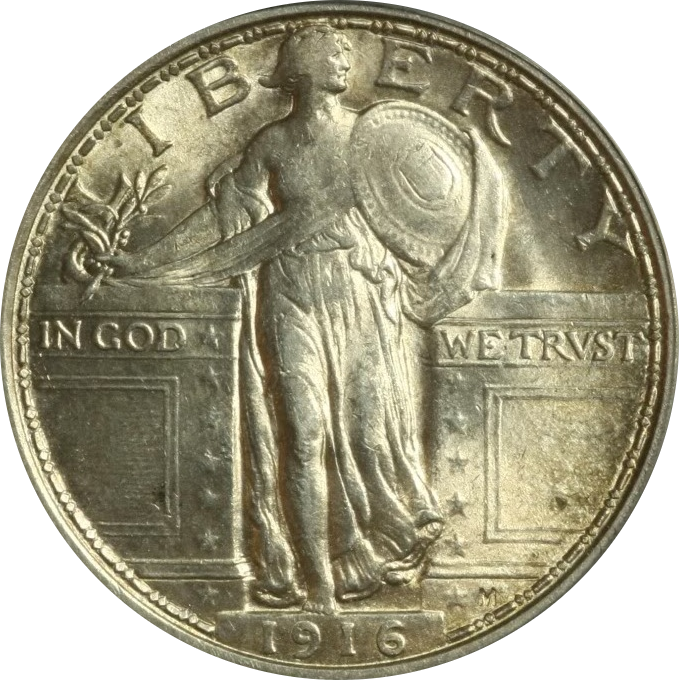
Whether you collect classic wheat cents or iconic twentieth-century designs like the legendary 1916 standing liberty quarter, knowing how to grade accurately ensures you never overpay.
Protect Your Collection: Avoiding Coin PVC Damage
Finding great coins is only half the battle. Preserving them for future generations requires proper preservation.
If you are wondering how to store coin collection assets safely, the golden rule is simple: avoid polyvinyl chloride (PVC) at all costs. Older soft vinyl flips leach chemical plasticizers over time, leaving a sticky, green residue that causes irreversible coin pvc damage.
To establish proper coin storage for collectors:
- Ditch cheap soft plastic flips.
- Switch to inert, PVC-free Mylar flips, coin tubes, or hard acrylic capsules.
- Store your albums in a climate-controlled environment with stable humidity to prevent toning issues or corrosion.
Safe storage protects your investment and keeps your collection looking pristine for decades.
Dive Deeper with The Coin Show Podcast
Want to expand your numismatic knowledge while on your commute or working in your coin room? Tune in to our regular coin collecting podcast!
The Coin Show is your go-to numismatic podcast for entertaining discussions, rare coin discoveries, modern mint releases, and lively hobby banter. Whether you are a brand-new beginner or a seasoned veteran, we make numismatics approachable and fun.
And if you’ve ever wondered what is a coin show, it is an incredible live marketplace and gathering where dealers, collectors, and enthusiasts meet face-to-face to buy, sell, trade, and talk coins. If you haven't attended a local coin convention yet, look one up near you: it is one of the best ways to immerse yourself in the hobby!
Thanks for joining us on today’s journey through numismatic history. Drop us a comment, check out our latest podcast episodes, and keep on collecting!