

The Daily Mint : July 21, 2026: Coin Show Tips, Cleaning Myths & the 1916 Standing Liberty
Photo: Unsplash
Welcome to another edition of The Daily Mint. It’s Tuesday, July 21, 2026, and the coffee is hot. Whether you’re listening to our coin collecting podcast on your morning commute or reading this at your desk, we’re glad you’re here.
Today, we’re diving into the heart of the hobby. We’re talking about why "shiny" isn't always "better," how to survive your first coin show, and why one specific 1916 quarter still makes collectors weak in the knees. Let's get into it.
The Shiny Trap: Why You Should NEVER Clean Your Coins
If there is one rule that every numismatic podcast guest agrees on, it is this: Do not clean your coins.
It’s a natural instinct. You find an old silver dollar or a wheat cent covered in grime. You want to see it shine. You reach for the silver polish or the baking soda. Stop right there. For a collector, a cleaned coin is often a ruined coin.
The Myth of "Better"
Many beginners think tarnish is "dirt." In the coin world, we call it patina or toning. This thin layer of oxidation is a badge of honor. It proves the coin hasn't been messed with. When you clean a coin, you remove this layer. You also leave behind microscopic scratches called "hairlines."
To an expert eye: or a professional grader: these hairlines are like neon signs. A cleaned coin can lose 50% to 90% of its market value instantly. Dealers often find cleaned coins "repugnant" because they lack the original "cartwheel" luster that comes from the mint’s striking process.
When is it okay?
The only time you should intervene is if the coin has active corrosion or PVC residue. In those cases, professional conservation is best. If you must do it yourself, use a quick dip in pure acetone (not nail polish remover) and air dry. No rubbing. No scrubbing. Just let the metal be.
Protecting Your Treasure: Storage and the PVC Peril
Once you’ve decided not to clean your finds, you need to keep them safe. Understanding how to store coin collection sets is a vital skill.
The biggest enemy of the modern collector is coin pvc damage. In the old days, many plastic flips contained PVC to make them soft. Over time, this chemical leaks out. It creates a sticky, green slime on your coins that eventually eats into the metal.
Coin Storage for Collectors: The Basics
- Use PVC-Free Flips: Look for "unplasticized" or Mylar flips.
- Hard Capsules: For high-value items, use airtight plastic capsules (like Air-Tites).
- Climate Control: Keep your coins in a cool, dry place. Humidity is the enemy.
- Avoid Wood and Paper: Some older cigar boxes or cheap envelopes contain sulfur, which will turn your silver coins black.
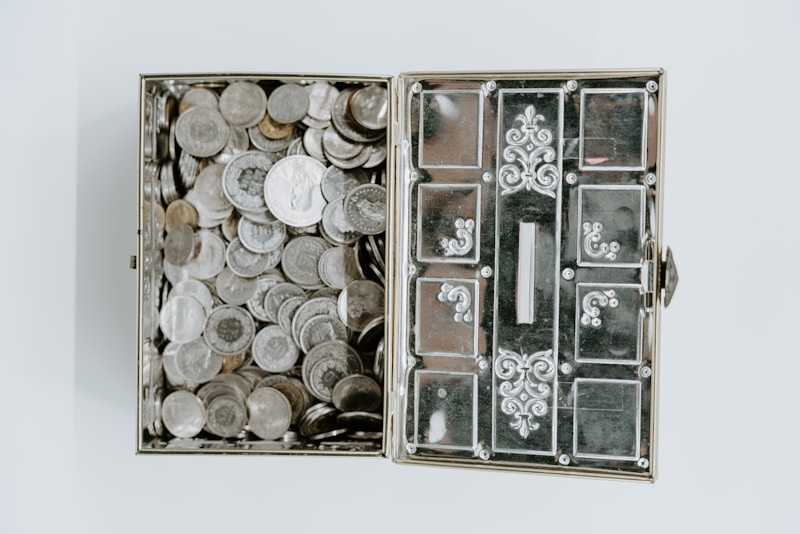
Photo: Unsplash
Stepping onto the Bourse: What is a Coin Show?
If you've only ever bought coins on eBay, you're missing out. But what is a coin show? It’s essentially a giant marketplace: called a "bourse floor": where dozens or even hundreds of dealers set up tables. It can be overwhelming, so here is your step-by-step guide.
1. The Prep
Don't go in blind. Bring a small notebook, a 5x or 10x magnifying loupe, and a "want list." Know what you're looking for so you don't get distracted by every shiny object.
2. The First Walk
When you enter, don't buy the first thing you see. Walk the entire room. Check the "vibe." See which dealers have the series you like. Note the prices.
3. Dealer Etiquette
Always ask before touching a coin. Hold it by the edges over the dealer’s padded mat. Never bring food or drinks near the cases. If you want to negotiate, be polite. Ask, "Is this your best price?" rather than making a lowball offer.
4. Security
Keep your bag in front of you. Don't announce your big purchases loudly. When you leave, be aware of your surroundings. Coin shows are safe, but it’s always smart to be discreet.
Mastering the Scale: ANA Grading Standards
To buy and sell like a pro, you have to understand ana grading standards. The American Numismatic Association uses the Sheldon Scale, which runs from 1 to 70.
- P-1 (Poor): You can barely tell what the coin is.
- G-4 (Good): The main design is there, but it's very flat.
- AU-58 (About Uncirculated): It looks perfect to the naked eye, but there's a tiny bit of wear on the highest points (like Liberty’s knee or hair).
- MS-60 to MS-70 (Mint State): These coins have never been in circulation.
The difference between an MS-63 and an MS-65 can be thousands of dollars. It usually comes down to "eye appeal": how many tiny marks are on the coin and how pretty the luster is.
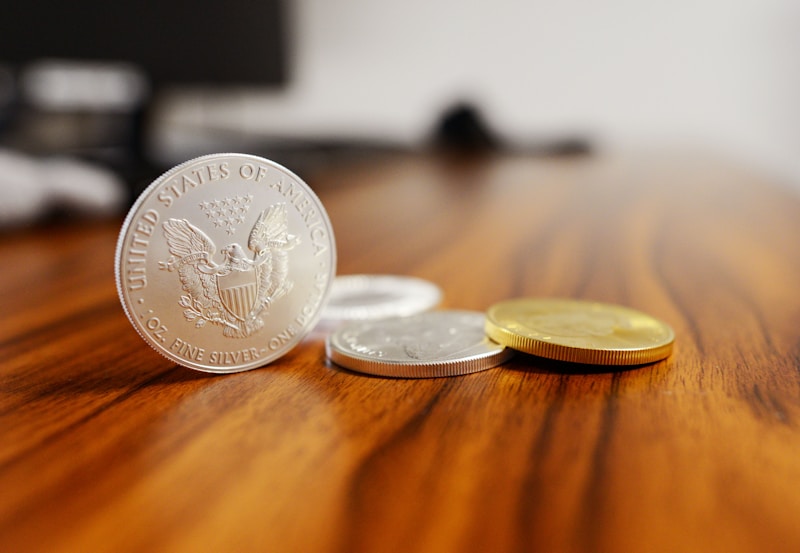
Photo: Unsplash
The Collector’s Shield: Counterfeit Coin Detection
As prices rise, so do the fakes. Counterfeit coin detection is something every collector should practice. Here is a quick checklist for your next show:
- The Magnet Test: Most collectible silver and gold coins are not magnetic. If it sticks to a magnet, it’s a fake.
- The Weight: Buy a cheap digital scale. If a silver dollar is supposed to weigh 26.73 grams and it weighs 24 grams, walk away.
- The Ping: Silver has a specific, high-pitched ring when gently tapped (use caution!). Base metals sound like a dull thud.
- The Details: Use your loupe. Look for "mushy" letters or tiny bubbles. Real coins are struck with tons of pressure; fakes are often cast in molds, which leaves them looking soft.
Spotlight: The Legend of the 1916 Standing Liberty Quarter
Few coins carry as much drama as the standing liberty quarter 1916.
This was the first year of Hermon MacNeil’s beautiful design. Only 52,000 were minted. For context, the 1917 version had over 12 million. But the mintage isn't the only reason it’s famous.
The "Scandal"
The original 1916 design (Type 1) featured Liberty with one breast exposed. In 1916, this caused a bit of a stir. By mid-1917, the Mint changed the design (Type 2), covering Liberty in a suit of chainmail.
Finding a 1916
The 1916 is a "key date." Even a heavily worn version can cost several thousand dollars. If you find one, look closely at the reverse. The 1916 has no stars below the eagle. If you see stars, you’re looking at a Type 2 coin from 1917 or later.
Also, watch out for the date. On early Standing Liberty quarters, the date was raised and wore off quickly. Many 1916 quarters are "dateless," which makes authentication through other design markers even more important.

Photo: Wikimedia Commons / Lost Dutchman Rare Coins
Final Thoughts
Coin collecting is a journey of history, art, and a little bit of detective work. Whether you’re hunting for a standing liberty quarter 1916 or just organizing your first album, remember to take it slow. Learn the grading, protect your coins from PVC, and never, ever reach for the polish.
If you enjoyed these coin collecting tips, be sure to check out our latest episode of The Coin Show. We go deep into the auction results from this past weekend and talk to a dealer about the current state of the market.
Until tomorrow, keep your eyes on the change!
- Penny