The Daily Mint : July 23, 2026: Pocket Change Treasures, No-PVC Storage & the 1916 Liberty
Welcome to The Daily Mint for July 23, 2026. Whether you're sipping coffee and checking your morning change or you're a seasoned pro planning your next auction bid, we're glad you're here.
At The Coin Show, we believe every coin tells a story. Some stories are found in the bottom of a vending machine, while others are locked away in prestigious vaults. Today, we’re covering the full spectrum: from the "green slime" that can ruin your collection to the legendary 1916 Standing Liberty Quarter.
The Hunt in Your Pocket
Most people see a handful of change as a nuisance. To us, it’s a treasure hunt. If you've been listening to our coin collecting podcast, you know that "W" mint mark quarters from the West Point Mint are still turning up in circulation.
But don't stop there. Look for "errors" like doubled dies or off-center strikes. These little mistakes by the Mint can turn a twenty-five-cent coin into a hundred-dollar find. Our best coin collecting tips always start with one simple rule: Get a magnifying glass and look closer. You’d be surprised how many gems are hiding in plain sight.
Avoiding the "Green Slime": Coin Storage for Collectors
One of the most heartbreaking sights in numismatics is opening a collection only to find a sticky, green film on the silver. This is coin pvc damage.
For decades, soft, flexible plastic flips were the industry standard. Unfortunately, many contained Polyvinyl Chloride (PVC). Over time, the plasticizers in these holders leach out, creating a chemical reaction that can permanently etch the surface of your coins.
How to Store Your Coin Collection Safely
If you want to know how to store coin collection sets properly, remember the "Snap Test."
- Safe: Rigid, "crinkly" flips made of Mylar or polypropylene. They snap when you bend them.
- Dangerous: Soft, waxy, or rubbery flips. These often contain PVC.
For coin storage for collectors, we recommend:
- Mylar Flips: Inert and archival-safe.
- Hard Plastic Capsules: The gold standard for high-value coins.
- Acid-Free Cardboard 2x2s: Affordable and safe for bulk collections.
- Cool, Dry Environment: Humidity is the enemy. Use silica gel packets in your safe.
If you find a coin with residue, don't scrub it! A brief soak in 100% pure acetone (not nail polish remover) can often dissolve the slime without harming the metal. If the coin is rare, consult a professional first.
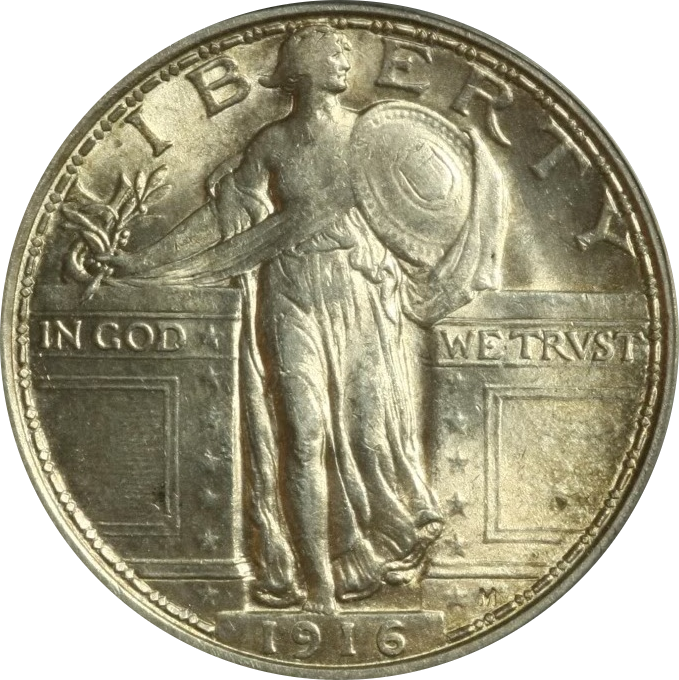
The Legend: Standing Liberty Quarter 1916
Few coins carry as much history and controversy as the standing liberty quarter 1916. This was the first year of Hermon A. MacNeil’s iconic design, part of the "Renaissance of American Coinage."
With a tiny mintage of just 52,000 pieces, it is the "Holy Grail" for many silver collectors. Because it was released late in December 1916, it almost didn't happen at all.
The Controversy
The 1916 (and early 1917) design is known as "Type I." It featured Liberty with an exposed right breast. This artistic choice caused a public stir, leading the Mint to redesign the coin in mid-1917, covering Liberty in a coat of chainmail.
Spotting a 1916
Because these coins were struck in 90% silver and saw heavy use, the dates often wore off quickly. Pro tip: Look at the drapery by Liberty’s foot. On the 1916, it’s thinner, and her head nearly touches the rim. Even a "slick" 1916 with no visible date can still be worth thousands of dollars if authenticated.
Education Corner: ANA Grading Standards
When you're buying or selling, you need a common language. That’s where the ana grading standards come in. Based on the Sheldon 1–70 scale, these standards help collectors agree on a coin's condition.
- G-4 (Good): Heavily worn, but the main design is visible.
- EF-40 (Extremely Fine): Light wear on high points; sharp details.
- MS-65 (Choice Uncirculated): No wear, great luster, and very few marks.
Mastering these standards takes time. We recommend attending a local coin show to see thousands of coins in person. Seeing the difference between an MS-63 and an MS-65 with your own eyes is the best education you can get.
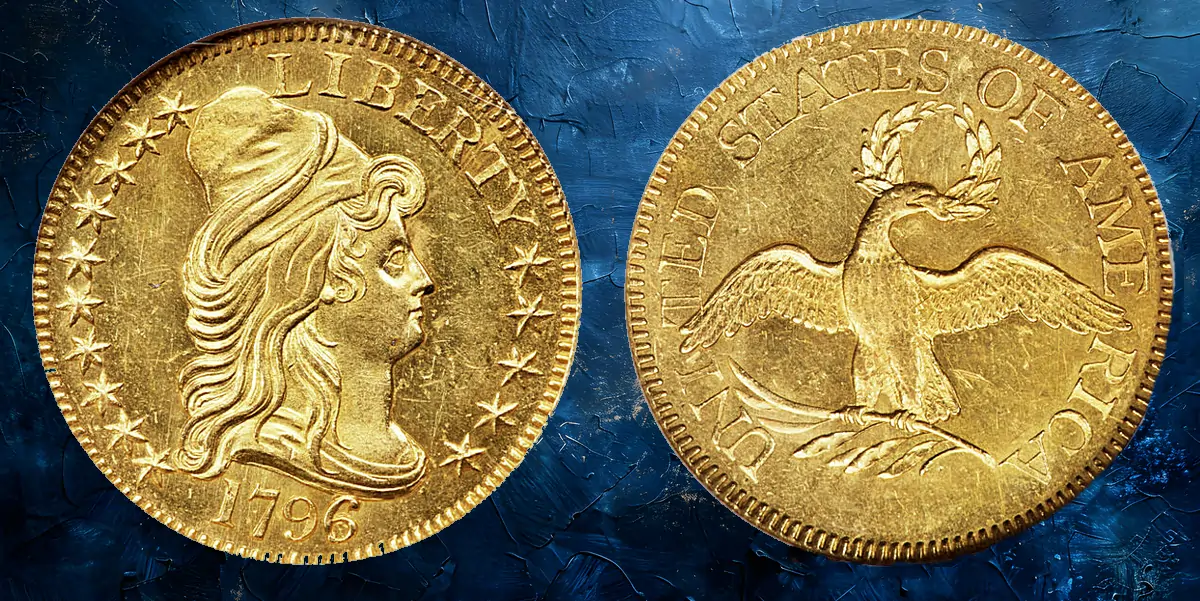
Keeping It Real: Counterfeit Coin Detection
As prices for rare coins rise, so do the number of fakes. Modern counterfeits are getting better, but they aren't perfect. Here are three quick counterfeit coin detection checks:
- The Weight Test: Use a digital scale. Counterfeits made of base metals often weigh significantly less (or more) than the official US Mint specifications.
- The Magnet Test: Genuine gold and silver coins are not magnetic. If your "silver" dollar sticks to a magnet, it’s a fake.
- The "Mushy" Look: Genuine coins are struck with tons of pressure, creating sharp, crisp edges. Counterfeits are often cast, resulting in "mushy" details and rounded lettering.
For high-value items, always look for coins certified by PCGS or NGC. These third-party services provide a guarantee of authenticity that protects your investment.
Join the Conversation
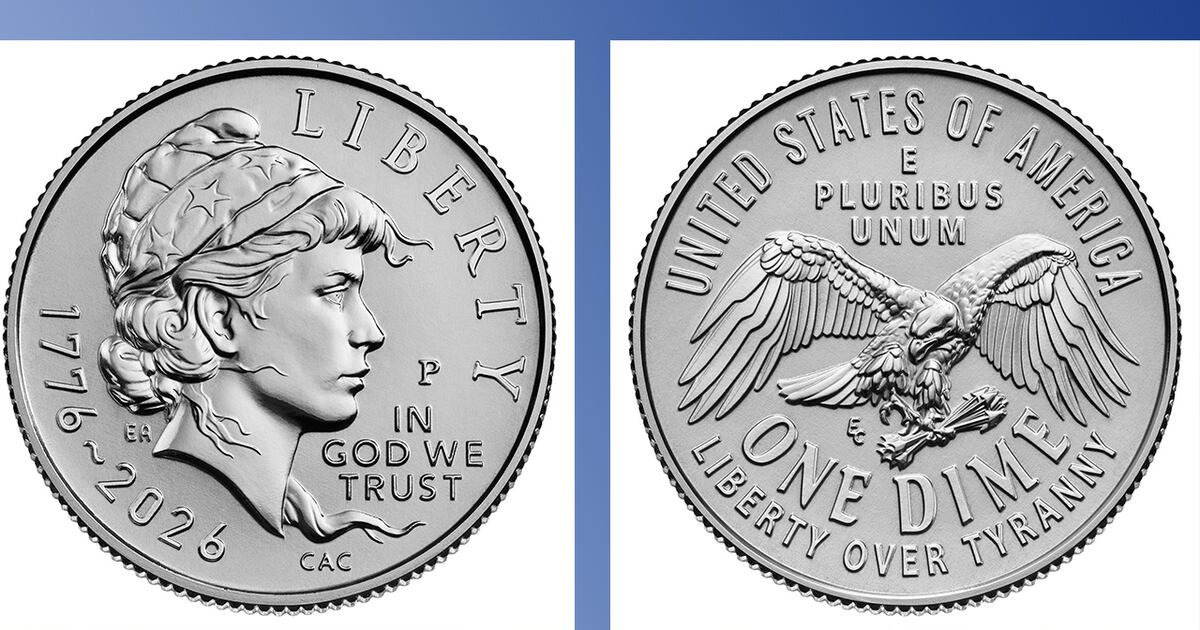
The hobby is about more than just metal; it's about the community. If you love these deep dives, check out our numismatic podcast. We talk to experts, share recent finds, and keep you updated on the latest news, like the upcoming 1776-2026 Emerging Liberty Dime redesign.
What is a coin show? It’s a gathering of dealers and collectors under one roof. It’s the best place to find that missing piece for your set, get an appraisal, or just talk shop with people who "get it." Check your local listings and make plans to attend one this year.
Until tomorrow, keep your eyes on your change and your coins in Mylar!
( Penny)