
7 Mistakes You’re Making with Your Coin Storage (and How to Fix Them)
So, you’ve started a coin collection. Maybe you found a weird-looking penny in your change, or perhaps you’ve inherited a box of silver dollars from your grandfather. Either way, you’re now a part of the wonderful world of numismatics. Welcome!
At The Coin Show, we’ve seen it all. We’ve seen incredible collections that look like they were minted yesterday, and we’ve seen rare treasures turned into "junk silver" because of poor storage choices. Protecting your investment is just as important as finding the coins in the first place.
If you want to keep your coins in top shape: and keep their value: you need to avoid these seven common storage blunders. Here is how to store your coin collection like a pro.
1. Using Soft Plastic Flips (The PVC Nightmare)
This is the big one. If you’re using those soft, pliable, "rubbery" plastic flips that smell like a new shower curtain, you’re in trouble. These holders often contain polyvinyl chloride (PVC).
Over time, PVC breaks down and releases acidic gases. This creates a sticky, green slime on your coins. This coin PVC damage doesn't just look gross; it actually eats into the metal. If left too long, it will permanently pit and ruin the surface of your coins.
The Fix: Use non-plasticized, archival-safe holders. Look for "Mylar" or "PVC-free" on the packaging. Hard plastic capsules or cardboard 2x2s with Mylar windows are your best friends here. If you already have "green slime" on a coin, don't scrub it! Talk to a professional conservator or a reputable dealer at a coin show.
2. Storing Coins in the Attic or Basement
We get it: space is tight. But the two worst places in your house to store coins are the attic and the basement.
Attics get incredibly hot, which speeds up chemical reactions and toning. Basements are usually damp and humid. Humidity is the enemy of copper and silver. It leads to spotting, corrosion, and that dull, "washed-out" look that collectors hate.
The Fix: Treat your coins like a roommate. They want to live in the same environment you do: cool, dry, and stable. A closet in the main part of your house is usually a safe bet. To be extra safe, throw a few silica gel packets into your storage bin to soak up any stray moisture.
3. Handling Coins with Bare Hands
Your fingers are covered in oils, salts, and acids. Even if you just washed them, your skin is naturally reactive. When you touch the face of a coin, you leave a fingerprint that might not show up today, but it will show up in six months as a permanent, dark stain.
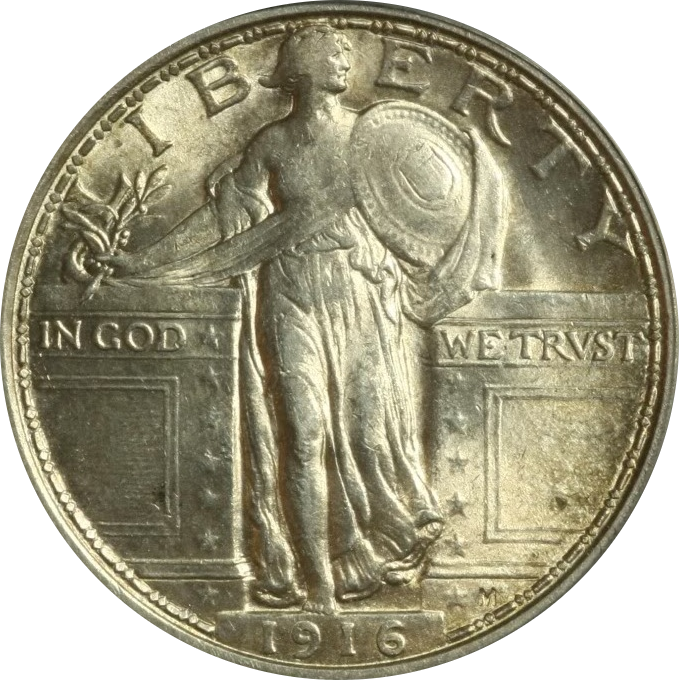
Take a look at this Standing Liberty Quarter 1916. A coin this rare needs to be handled with extreme care. One fingerprint on a high-grade specimen like this could knock hundreds or even thousands of dollars off the price.
The Fix: Always hold coins by the edges. If you're dealing with high-grade uncirculated coins or modern Mint releases, consider wearing white cotton gloves or powder-free nitrile gloves. It might feel a bit "mad scientist," but your wallet will thank you.
4. The "Jar of Death" (Loose Storage)
Storing loose coins together in a jar, bag, or drawer is a recipe for disaster. Coins are made of metal, but they aren't indestructible. When they clink against each other, they get tiny scratches and "bag marks."
In the world of ANA grading standards, these marks can be the difference between a high Mint State grade and a "Choice" grade. Friction wear is real, and it’s avoidable.
The Fix: Give every coin its own home. Even if it’s just a cheap cardboard flip, having that physical barrier prevents coins from rubbing together. If you have a large amount of bulk silver or common date wheat cents, use heavy-duty plastic tubes designed specifically for coins.
5. Using Household Supplies (Tape, Staples, and Rubber Bands)
Never, ever use Scotch tape or rubber bands on or near your coins. Tape leaves a sticky residue that is nearly impossible to remove without damaging the coin’s luster. Rubber bands contain sulfur, which will cause your silver coins to turn a nasty, blotchy black.
Also, be careful with staples. If you use cardboard 2×2 flips, make sure you use a "flat-clinch" stapler or manually flatten the staples with pliers. A protruding staple can easily scratch the coin in the next flip over when you’re flipping through your album.
The Fix: Stick to supplies made specifically for coin storage for collectors. Don't try to save five dollars by using office supplies. It’s not worth the risk to your collection.
6. Trying to "Clean" Your Coins
This is perhaps the most painful mistake to witness. A collector sees a dirty or toned coin and thinks, "I'll just polish this up to make it look new."
Stop.
Cleaning a coin almost always destroys its numismatic value. Scrubbing with a cloth creates "hairline" scratches. Chemical dips strip away the original "mint luster." To an experienced eye, a cleaned coin looks unnatural and "dead." Most dealers and collectors would much rather have a dirty, original coin than a shiny, ruined one.
The Fix: Leave them alone. If you think a coin is genuinely dirty (like with PVC goo), seek professional advice. Learning counterfeit coin detection and authentication also involves understanding what "original" surfaces should look like. If you want to learn more about this, check out our numismatic podcast where we dive deep into coin care.
7. Lack of Documentation and Security
If you don't know what you have, you can't protect it. Many collectors keep their coins in unmarked boxes. If something happens to you, your heirs might not realize that the "old quarters" in the shoe box include a Standing Liberty Quarter 1916.
Additionally, keeping a high-value collection in a place where it's easily visible is a security risk.
The Fix: Keep an inventory. Use a spreadsheet or a dedicated app to track what you bought, when, and for how much. As for security, a fire-rated home safe is a great start. For very valuable collections, a bank safe-deposit box is even better (just remember that bank boxes usually aren't insured by the bank, so get your own collector's insurance!).
Final Thoughts
Coin collecting is a marathon, not a sprint. Proper storage is about ensuring that the coins you enjoy today can be enjoyed by someone else fifty years from now.
Want more coin collecting tips? We talk about this stuff every week on The Coin Show. Whether you're interested in the latest U.S. Mint releases or the history of ancient currency, we’ve got you covered.
Listen to the latest episode: The Coin Show Podcast
Happy collecting!