

7 Mistakes You’re Making with Coin Storage (and How to Fix PVC Damage)
You’ve spent years hunting for the perfect pieces. Maybe you’ve inherited a family heirloom or found a rare silver dollar at a local shop. But there is a silent killer in your collection: bad storage.
If you aren't careful, the very flips and boxes you use to "protect" your coins could be destroying them. At The Coin Show, we see this all the time. Whether you’re a regular listener of our coin collecting podcast or a new hobbyist, knowing how to store coin collection properly is the difference between a high-grade gem and a piece of scrap metal.
Today, we’re looking at the seven biggest mistakes collectors make. We’ll also show you how to fix that dreaded green goo (PVC damage) and tell the cautionary tale of the standing liberty quarter 1916.
1. The "Golden Touch" (Handling)
Most people think their hands are clean. They aren’t. Your fingers carry oils, salts, and acids. When you touch the surface of a coin, those oils stay there. Over time, they react with the metal, creating permanent fingerprints or spots.
The Fix: Always handle your coins by the edges. Better yet, use lint-free white cotton gloves. It’s one of the simplest coin collecting tips that pays off in the long run.
2. The PVC Nightmare
This is the big one. Many older or cheap "soft" plastic flips are made with polyvinyl chloride (PVC). PVC makes plastic flexible, but it’s unstable. Over time, it breaks down and releases acidic chemicals. These chemicals react with copper and silver, creating a sticky, green residue.

The Fix: Check your flips. If they are soft, oily, or smell like a new shower curtain, throw them away. Replace them with archival-quality, non-plasticized Mylar flips. They are stiffer but won't melt your coins.
3. The Ziploc Strategy
We get it. It’s easy to grab a bag from the kitchen. But standard food-storage bags are not made for coins. They trap moisture and can off-gas chemicals that cause uneven toning or corrosion.
The Fix: Use products designed for coin storage for collectors. This means 2×2 cardboard holders, plastic capsules, or specialized coin tubes. Your kitchen is for snacks, not your numismatic podcast-worthy treasures.
4. The Rubber Band Trap
Never use rubber bands near your coins. As rubber ages, it dries out and cracks. More importantly, it contains sulfur. Sulfur is the enemy of silver and copper. A rubber band around a roll of coins can leave a permanent black "tire track" right across the surfaces.
The Fix: Use plastic coin tubes or boxes designed to hold flips. If you need to keep things together, use acid-free paper bands or just a proper storage box.
5. Acidic Paper and Envelopes
Not all paper is created equal. Old coin folders or standard envelopes are often made with acidic wood pulp. This acid will eventually migrate to your coins, causing "burnt" toning or surface damage.
The Fix: If you prefer envelopes, make sure they are "sulfite-free" and "acid-free." Modern albums from reputable brands are generally safe, but always double-check the specs.
6. Humidity and Temperature
Storing your collection in a damp basement or a hot attic is a recipe for disaster. Extreme heat speeds up chemical reactions (like PVC breakdown), and high humidity causes corrosion and spotting.
The Fix: Store your collection in a "cool, dry place." A safe with a silica gel dehumidifier is ideal. Aim for 40–50% humidity. If you live in a swampy climate, this is non-negotiable.
7. Cracking the Slab
Third-party grading services like PCGS or NGC provide "slabs": hard plastic holders that are airtight and archival. A common mistake is "cracking" a coin out of its slab just to put it in a raw album.
The Fix: Keep high-value coins in their slabs. Not only does it protect the surface, but it also preserves the ANA grading standards assigned to the coin. It also helps with counterfeit coin detection, as the slab itself is a mark of authenticity.
How to Fix Coin PVC Damage
If you’ve discovered a green, sticky film on your coins, don’t panic. You can often remove it without ruining the coin, but you must be careful.
The Acetone Method
This is the industry standard for removing organic contaminants like PVC.
- Get 100% Pure Acetone: Buy it from a hardware store. Never use nail polish remover (it has oils and perfumes).
- Use Glass: Acetone melts plastic. Use a small glass jar or dish.
- The Soak: Submerge the coin for a few minutes. The green goo should dissolve.
- The Rinse: Use a second bath of clean acetone to rinse away any remaining film.
- Air Dry: Pick the coin up by the edge and let it air dry on a soft towel.
Pro Tip: Never scrub the coin. Scrubbing creates "hairlines": micro-scratches that ruin the grade according to ANA grading standards. A "cleaned" coin is worth significantly less than an original one.
Historical Spotlight: The Standing Liberty Quarter 1916
The standing liberty quarter 1916 is a legend in the coin world. It was a brand-new design, but it had a short life in its original form. Because the design featured an exposed breast on Lady Liberty, it was quickly modified in 1917 for "modesty."
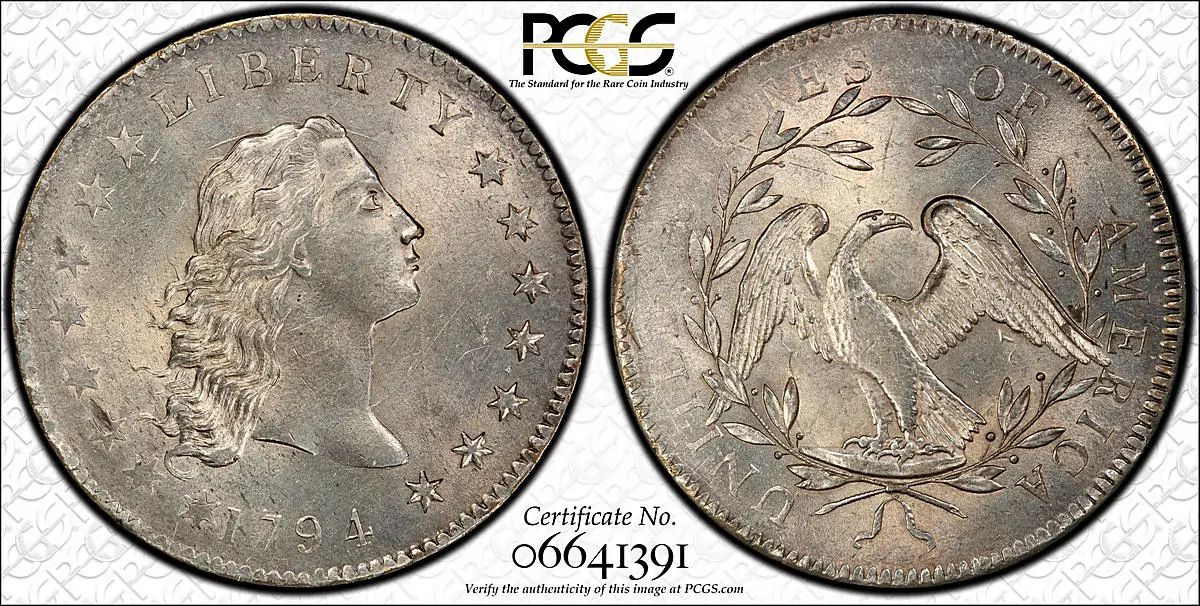
But here’s the storage lesson: Many 1916 quarters were stored in early cardboard folders. These folders left the front of the coin exposed to the air while the back rubbed against the cardboard. This "cabinet friction" destroyed the original mint luster on thousands of coins. Today, a 1916 SLQ with original, undisturbed surfaces is worth tens of thousands of dollars more than one that sat in a bad folder.
Don't let your "1916" be the one that got away because of a $0.50 holder.
What is a Coin Show? (And why you should go)
If you are confused about which supplies to buy, you need to know what is a coin show. A coin show is an event where dozens or hundreds of dealers set up tables to buy, sell, and trade.
It is the best place to:
- See different types of storage in person.
- Talk to experts about how to store coin collection.
- Find supplies like Mylar flips and archival boxes that aren't available at big-box stores.
- Practice counterfeit coin detection by looking at real examples of high-grade coins.
Final Thoughts
Coin collecting is a marathon, not a sprint. Proper storage ensures your collection looks as good in thirty years as it does today. Avoid the PVC, keep it dry, and leave the scrubbing to the professionals.
For more deep dives into the hobby, check out The Coin Show, your favorite numismatic podcast. We cover everything from the latest standing liberty quarter 1916 auction results to new mint releases like the 1776-2026 Emerging Liberty Dime.
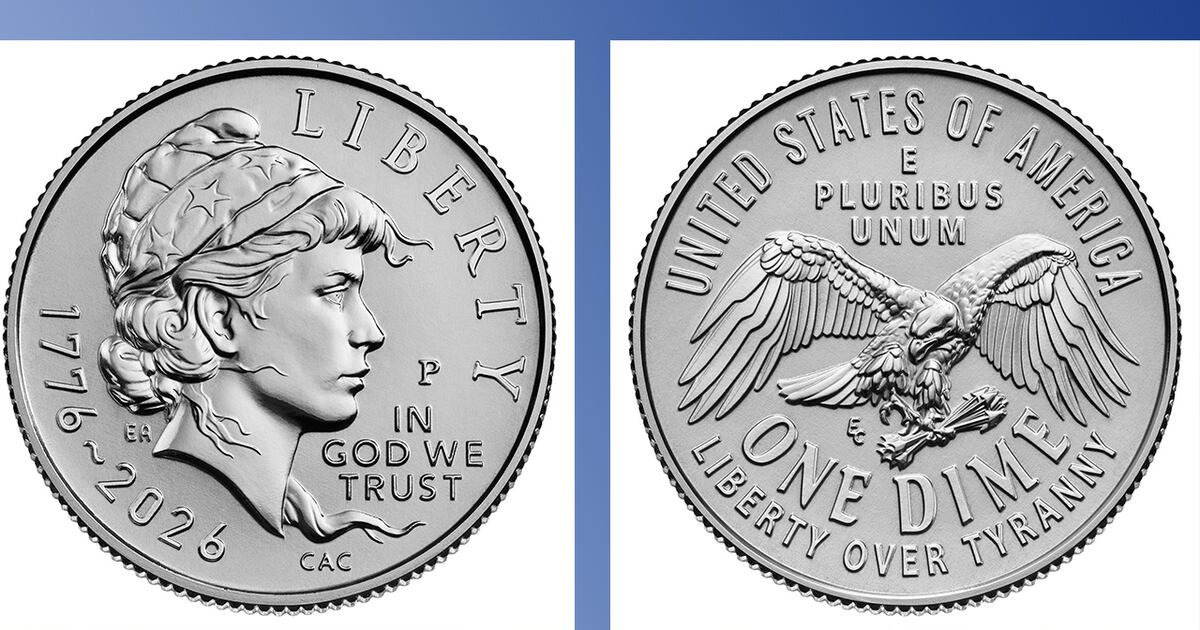
Keep collecting, keep learning, and keep those coins safe!