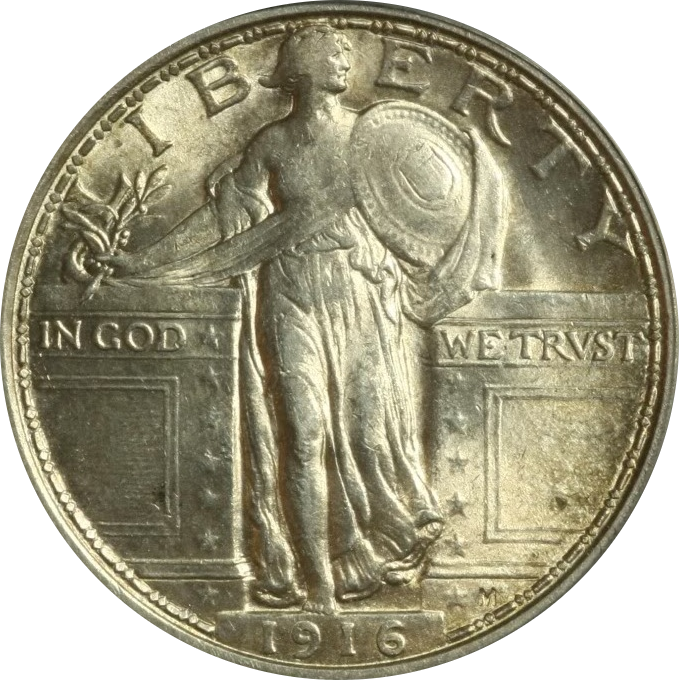

Why Everyone Is Talking About the 1916 Standing Liberty Quarter (And Why You Should Too)
If you’ve hung around any coin collecting podcast (or chatted with collectors at a table for five minutes), you’ve heard the same coin come up again and again: the 1916 Standing Liberty Quarter. It’s one of those pieces that checks every box, beautiful design, real history, real scarcity, and a story that’s easy to remember.
But the reason people keep talking about it isn’t just the price tag. It’s the mix of artistry, controversy, and the very practical “how do I not get burned buying one?” angle. Let’s dig in, plus some coin collecting tips, storage do’s and don’ts (no PVC), and quick counterfeit coin detection basics.
The 1916 Standing Liberty Quarter in one sentence
It’s a short-lived, famously controversial design with an extremely low mintage, just 52,000 struck in 1916, and it’s one of the most widely collected (and counterfeited) key dates in U.S. silver coinage.
Why this quarter hit different: the 1916 “new look” era
1916 was a big year for U.S. coin design. The Mint moved away from the older, more uniform style and introduced designs that felt modern and bold. The Standing Liberty Quarter, designed by sculptor Hermon A. MacNeil, was part of that wave.
Instead of Liberty as a static, emblem-like figure, MacNeil gave collectors an action scene:
- Liberty steps forward through a gateway
- A shield is raised in defense
- An olive branch is extended in peace
The message is basically: we’re peaceful, but we’re ready. That theme hits even harder when you remember the world context of the mid-1910s.
The design controversy that turned it into a legend
The Standing Liberty design didn’t just make waves because it looked great. It made waves because some people thought it looked too real.
Early versions of the coin show Liberty with an exposed right breast. That sparked immediate public criticism. The Mint eventually changed the design, adding chain mail to cover Liberty’s torso, creating what collectors call a later “type.”
This is a huge reason the 1916 issue gets so much attention: it’s tied to a design moment that was quickly altered and never quite repeated the same way again.
The simplest reason it’s famous: 52,000 minted
Let’s talk numbers, because this is where the 1916 becomes a true key date.
Only 52,000 were minted in 1916. That’s not “low for the series.” That’s “blink and you missed it” low. Production started late in the year, and by the time the coin got rolling, the calendar flipped.
That low mintage means:
- There just aren’t many to go around
- Demand stays steady because the series is popular
- Condition matters a lot (more on that in a minute)
Depending on grade and market timing, values can vary widely. Even well-worn examples are expensive, and choice pieces can jump dramatically in price.
What a real 1916 Standing Liberty Quarter should look like (quick diagnostics)
Here’s where collectors can get into trouble. The 1916 is a top target for altered-date coins and other fakes. You don’t need to become a forensic scientist, but you do need a checklist.
Start with the date area
On Standing Liberty Quarters, the date is on a raised mound at the bottom of the obverse. On later dates the date often wore down quickly, which is why date-area details matter so much when you’re checking authenticity.
For a 1916, the numerals should look naturally struck, not re-engraved, not “too sharp” compared to surrounding wear.
Look for “does the wear match?”
If the coin is heavily worn but the date looks oddly crisp, that’s a red flag. Natural circulation wear tends to be consistent across the design.
Get comfortable saying “I need better photos”
If you’re buying online, insist on clear, straight-on photos of:
- The date
- The full obverse
- The reverse
- The edge (if possible)
If the seller won’t provide them, that’s your answer.
The coin that teaches you grading (whether you want it to or not)
Standing Liberty Quarters are a crash course in grading because the design has high points that wear quickly. On top of that, the series includes dates that are notorious for weak strikes.
If you’re using ANA grading standards as your baseline (you should), focus on two things:
- Wear vs. strike
- Fullness of detail in the key high points
Even without going deep into every grading nuance, you’ll hear collectors talk about how the coin “comes” in certain grades, and why a small bump in condition can mean a big bump in price.
Practical tip: if this is your first serious key date purchase, buy a certified example from a major grading service. It’s not about being fancy; it’s about lowering the chance of an expensive mistake.
A quick reality check: this is a top counterfeit target
Because the price is high and the date is small, counterfeiters love this coin. The most common headaches include:
- Altered dates (a different year modified to look like 1916)
- Cast counterfeits (often look “mushy” in the details)
- Tooled surfaces (details re-engraved to appear sharper)
Counterfeit coin detection basics you can actually use
- Weight: a genuine silver quarter should be in the right range for the type (circulated coins vary, but big deviations are suspicious).
- Magnet test: silver isn’t magnetic. (A non-magnetic result doesn’t prove authenticity, but magnetic is a huge red flag.)
- Surface texture: casts often have a granular look, especially in fields.
- Edge/reeding: look for inconsistent reeds or signs of seam lines.
If you’re unsure, don’t “hope” it’s real, get it checked by a reputable dealer or buy certified.
What to look for when buying one (without overpaying)
The 1916 SLQ is one of those coins where the difference between “solid buy” and “painful lesson” usually comes down to three factors:
1) Authenticity first
Certified coins reduce risk. If you buy raw, you need to trust the seller and your own skills.
2) Problem-free surfaces
Because this coin is expensive, people try to “improve” them:
- Cleaning
- Polishing
- Artificial toning
- Repairs and smoothing
Problem coins can still be collectible, but you want the price to reflect the issues. When in doubt, ask someone experienced to weigh in before you buy.
3) Eye appeal matters
Two coins in the same grade can look very different. This series can show:
- Weak strikes
- Dark or uneven toning
- Dings in the fields
Buy the coin, not just the holder label.
Coin care: how to store a coin collection (and avoid PVC damage)
Let’s shift from buying to keeping your coins safe. If you invest in a key date like a 1916 SLQ, storage isn’t a side note, it’s part of the hobby.
The big rule: avoid PVC (seriously)
Coin PVC damage is real and it’s ugly. Soft, flexible plastic flips and sleeves can contain PVC that breaks down over time. The result can be a green, sticky residue that permanently damages surfaces.
If you see a flip that’s very soft and “oily” feeling, treat it with suspicion.
Coin storage for collectors: what works
- Inert flips (non-PVC, archival-safe)
- Hard plastic holders/capsules designed for coins
- Mylar-type 2×2 flips (stiffer, clearer, more stable)
- Certified holders (also help with authentication)
Storage environment tips
- Keep coins cool and dry
- Avoid humidity swings (basements are often risky)
- Use silica gel packs in your storage box/safe
- Handle raw coins by the edges, ideally with clean hands (or cotton gloves for proofs)
If you’ve ever wondered how to store coin collection the “right” way, it basically comes down to: inert materials + stable environment + minimal handling.
The “coin show” angle: why this coin comes up constantly in person
If you’re new and asking what is a coin show, think of it as part marketplace, part meetup, part museum, you’ll see dealer tables, collector conversations, grading discussions, and sometimes educational exhibits.
And the 1916 SLQ shows up in those conversations because it’s a shared reference point:
- A coin almost everyone recognizes
- A coin that tests your grading eye
- A coin that demands careful buying habits
If you want to learn fast, a coin show is where you can compare multiple examples side-by-side, something photos can’t always deliver.
A closer look at the coin everyone wants