
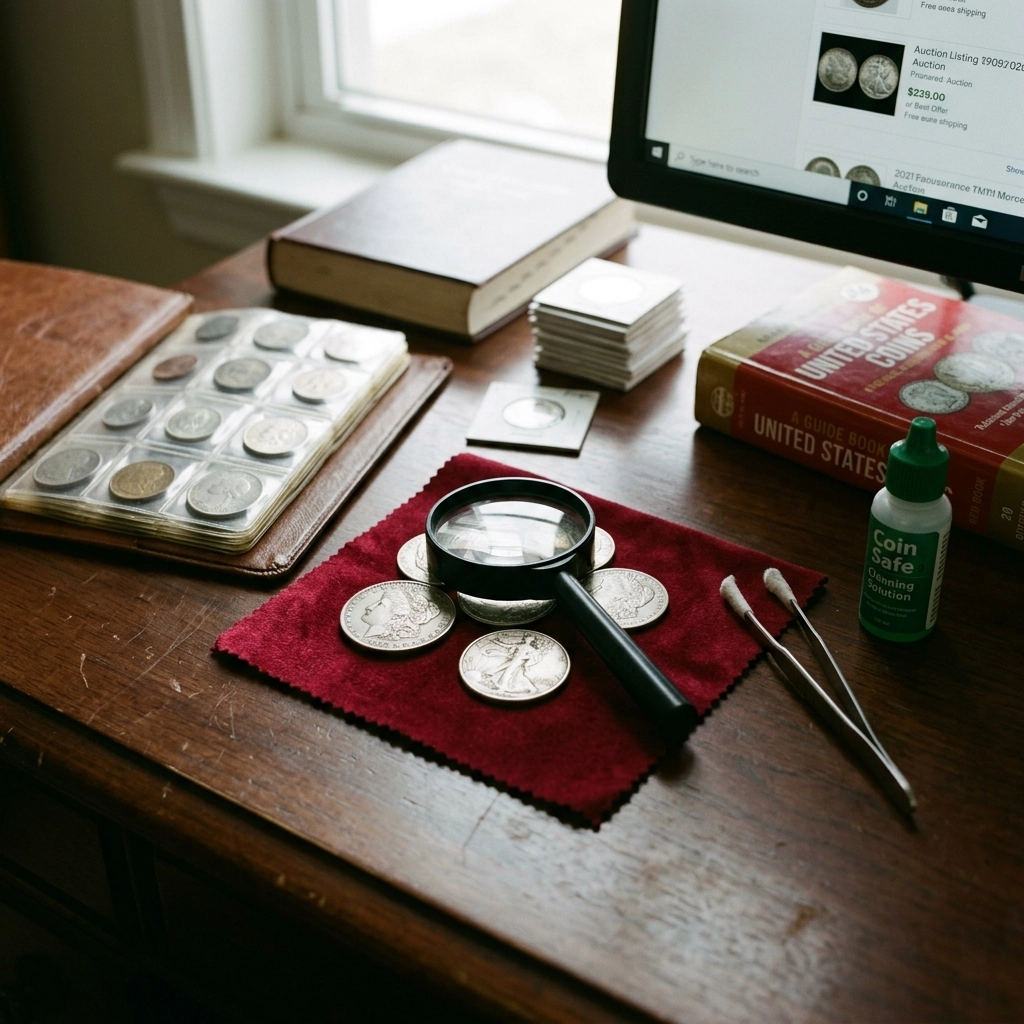
7 Mistakes You’re Making with Your Coin Collection (and How to Avoid PVC Damage)
Hey there, fellow collectors! Matt Dinger here from The Coin Show. Welcome to another edition of The Daily Mint. If you’ve spent any time listening to our coin collecting podcast, you know we’re all about the history, the hunt, and the hobby. But today, I want to talk about something a little more serious: the mistakes that can turn a "treasure" into a "tragedy."
We’ve all been there. You find a cool-looking coin in a bargain bin or inherit a shoebox from your grandfather. It’s exciting! But without a few ground rules, you might be accidentally tanking the value of your collection.
Grab a coffee, put on your metaphorical white gloves, and let’s dive into the seven biggest mistakes you’re making with your coins, including the dreaded "Green Slime."
1. The "Shiny is Better" Myth (Stop Cleaning Your Coins!)
This is the number one cardinal sin of numismatics. I see it every single day. A collector thinks, "This silver dollar would look so much better if I just polished off this dark tarnish."
Stop right there.
In the world of coin collecting tips, this is the most important one: Never clean your coins.
Professional collectors and dealers want to see "original skin." That dark tarnish is called patina, or toning, and it’s a natural part of the coin’s history. When you rub a coin with a cloth, use a toothbrush, or soak it in a harsh "coin dip," you are actually removing a microscopic layer of metal. You’re also creating tiny scratches (hairlines) that any experienced grader can spot from a mile away.
A cleaned coin can lose 50% to 90% of its market value instantly. If you have a rare piece, like a 1916 Standing Liberty Quarter, and you scrub it to make it shiny, you might have just turned a five-figure coin into a three-figure one.
2. The Green Death: PVC Damage
This is the big one. If you’ve ever opened an old coin album or pulled a coin out of a soft, pliable plastic flip and noticed it had a sticky, green film on it, you’ve met the "Green Death."
This is coin PVC damage. Back in the day, many coin holders were made with polyvinyl chloride (PVC) to make the plastic soft and flexible. Over time, the chemicals (plasticizers) in that plastic break down. They leak out of the holder and onto the surface of the coin, creating a chemical reaction that eats into the metal.
How to Spot and Avoid PVC Damage
- The Smell Test: If your coin holders smell like a new shower curtain, they probably have PVC.
- The Look: Look for a hazy, greenish, or sticky residue on the surface of the coin.
- The Fix: If you catch it early, you can sometimes remove PVC with a pure acetone bath (not nail polish remover!), but it’s best to avoid it entirely.
- The Solution: Use PVC-free holders. Look for "Mylar" or "non-PVC" flips. When you're looking for how to store coin collection items safely, always check that the materials are archival quality.
3. Improper Handling: Fingerprints are Forever
Your skin produces natural oils and acids. While they’re great for your health, they are terrible for silver, gold, and copper. When you touch the "face" (the obverse or reverse) of a coin, those oils transfer to the metal. You might not see it now, but in five years, that fingerprint will be "burned" into the coin in the form of dark, ugly toning.
Coin storage for collectors starts with how you move the coin from point A to point B.
- Hold it by the edges: Use your thumb and forefinger to grip the coin along its rim.
- Wear gloves: If you’re handling high-grade or proof coins, clean, lint-free cotton gloves are your best friend.
- Work over a soft surface: Always handle your coins over a soft cloth or a padded mat. If you drop a rare coin on a hardwood floor, you’ve just given it a "bag mark" that will lower its grade.
4. Skipping the Research (The "Deal" That Wasn't)
I get it, the adrenaline of the auction is real. But buying a coin because it "looks rare" without doing your homework is a recipe for disaster.
One of the best things you can do for your hobby is to listen to a numismatic podcast or read a "Red Book" before you start spending big money. You need to know the mintage figures, the common "trouble spots" for certain designs, and the current market value.
For example, take the Standing Liberty Quarter 1916.
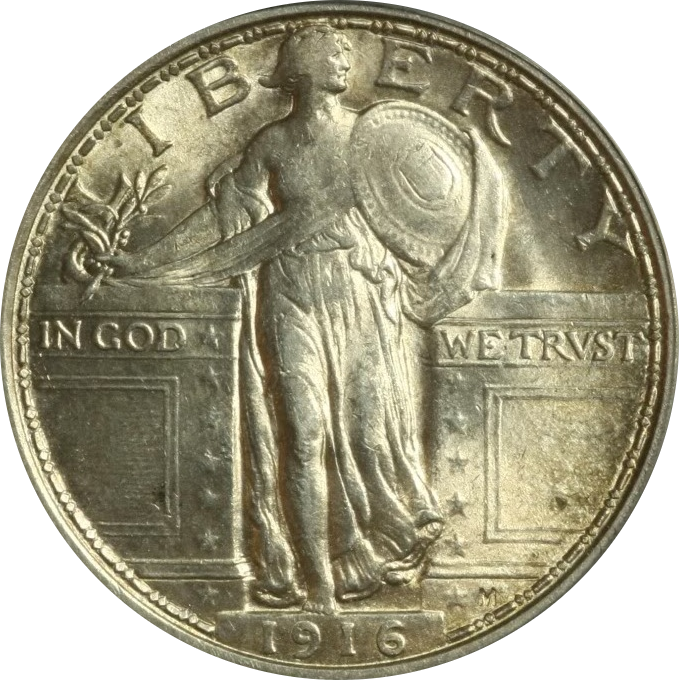
This coin is a legend. It’s the first year of the design, and it’s incredibly rare because the Mint changed the design mid-way through 1917 (to add chainmail to Liberty's chest). If you find one for "cheap" at a flea market, it’s almost certainly a 1917 that has had its date worn off or altered. Without research, you’re just throwing money away.
5. Ignoring ANA Grading Standards
How do you know if a coin is worth $10 or $1,000? It all comes down to the grade. The American Numismatic Association (ANA) uses a 70-point scale.
- MS70 is a perfect coin.
- G4 (Good) is heavily worn.
Mistaking an AU58 (About Uncirculated) for an MS63 (Mint State) can be a thousand-dollar mistake. Beginners often think "Uncirculated" just means "it looks shiny," but there are specific ANA grading standards involving "luster," "strike," and "eye appeal."
If you’re serious about the hobby, learn these standards. Look at "slabbed" coins from reputable companies like PCGS or NGC to see what a professional grade looks like.
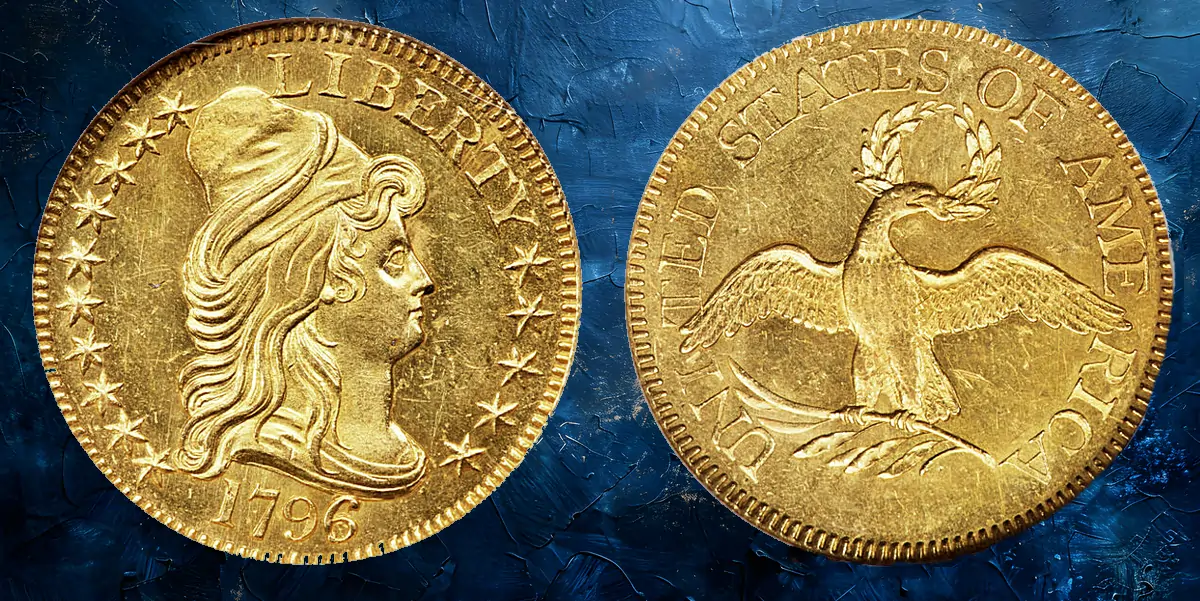
The coin above, a 1796/5 Half Eagle, sold for a record price because of its incredible MS64 grade. At that level, every tiny scratch or "rub" on the surface matters.
6. Falling for Counterfeits
The better the technology gets, the better the fakes get. We’re seeing a massive influx of "super-fakes" coming from overseas. These aren't the obvious toy coins of the past; these are struck on the correct metal planchets and look incredibly convincing.
Counterfeit coin detection is a skill every collector needs.
- The Magnet Test: Most collectible US coins (except the 1943 steel cent) are not magnetic. If it sticks to a magnet, it’s a fake.
- The Weight Test: Get a digital scale that measures to the hundredth of a gram. If your silver dollar is supposed to weigh 26.73 grams and it weighs 24 grams, you’ve got a problem.
- The Ping Test: Silver has a specific ring to it. While I don't recommend dropping your coins, a "ping" test can be a quick indicator.
7. Storing Coins in the Wrong Environment
Where do you keep your collection? If the answer is "the attic" or "the basement," go move it right now.
Humidity and temperature fluctuations are the enemies of metal. High humidity accelerates oxidation (toning) and can even lead to corrosion. Attics get too hot, which can melt plastic holders and speed up PVC damage.
Tips for storage:
- Climate control: Keep your coins in a room where you would be comfortable sitting: dry and cool.
- Silica gel: Put some desiccant packs in your safe or storage box to soak up excess moisture.
- The Safe Trap: Be careful with fireproof safes. Many of them use a moisture-releasing chemical to keep the interior cool during a fire. That moisture will ruin your coins over time.
Bonus Tip: What is a Coin Show?
If you want to avoid all these mistakes, the best thing you can do is go to a show. You might be wondering, what is a coin show?
It’s essentially a convention for money. You’ll find hundreds of dealers, educational seminars, and thousands of coins to look at. It’s the best place to talk to experts, handle "real" coins in person, and learn how to spot things like PVC damage or cleaning before you buy.
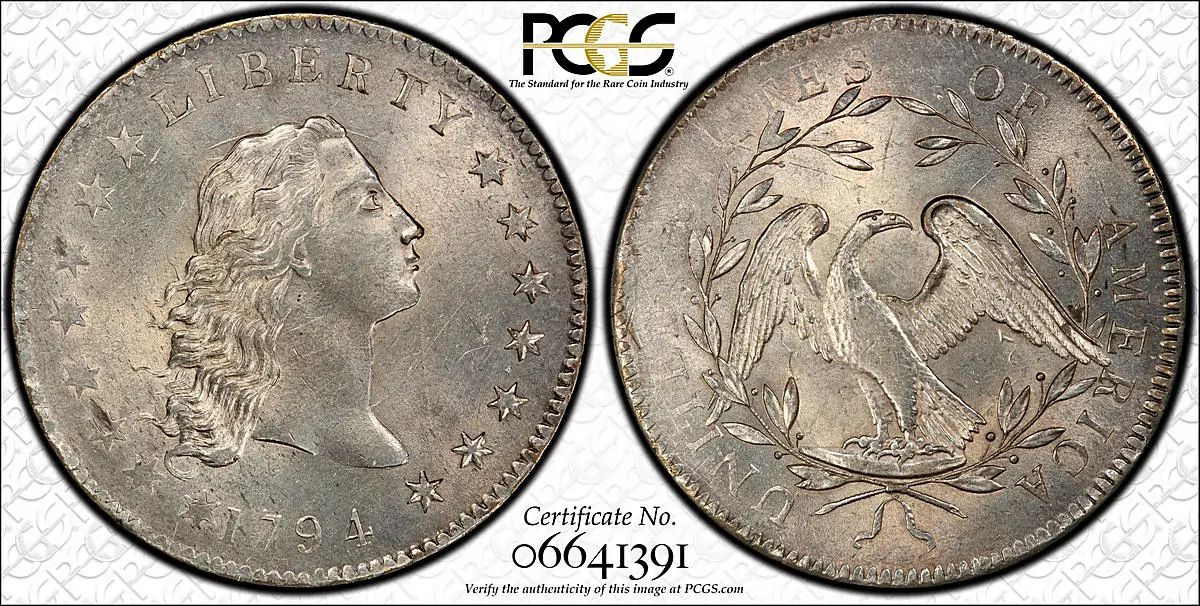
At a big show, you might even get to see a rarity like the 1794 Flowing Hair Silver Dollar. Seeing a multi-million dollar coin in person changes your perspective on what "perfect" really looks like.
Looking Ahead: The Future of Collecting
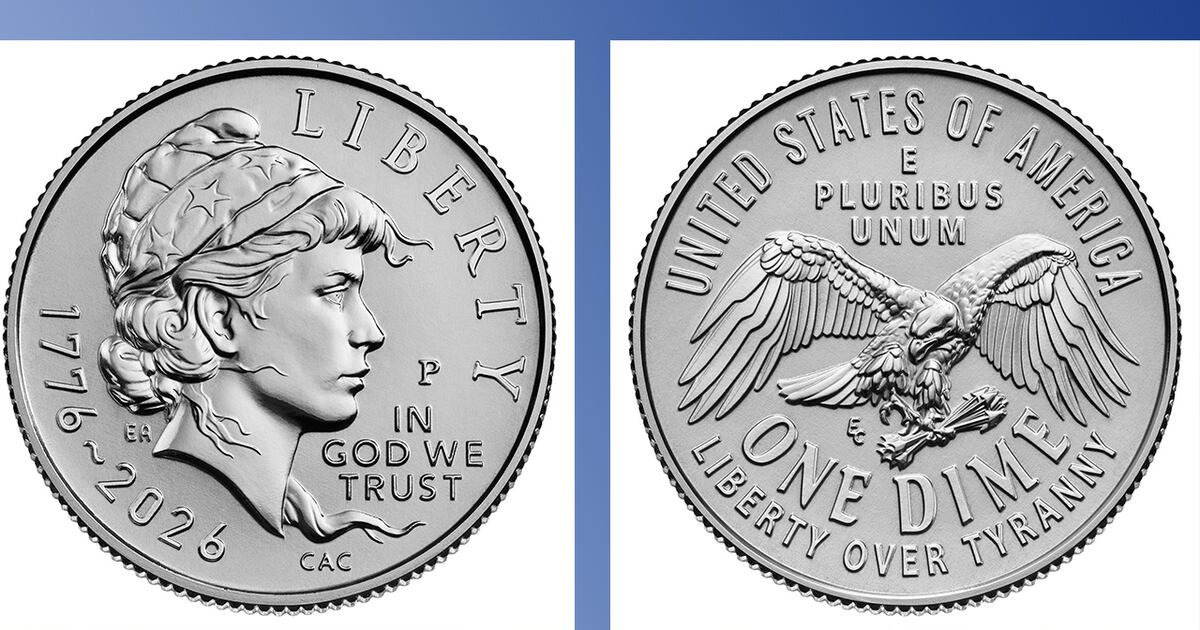
The hobby is constantly changing. We’re moving into a new era with modern releases like the 1776-2026 Emerging Liberty Dime.
Whether you’re collecting 200-year-old silver dollars or brand-new Mint releases, the rules remain the same:
- Don't clean them.
- Watch out for PVC.
- Handle with care.
- Keep learning.
Collecting should be fun, not a source of stress. By avoiding these seven mistakes, you’re making sure your collection stays valuable and beautiful for the next generation.
If you want to learn more, check out our latest episodes of The Coin Show. We dive deep into the stories behind the metal and help you navigate the world of numismatics without getting your hands (or your coins) dirty.
Happy hunting!