
Why Everyone Is Talking About the Best Numismatic Podcast (And You Should Too)
If you have ever found yourself staring at a handful of change, wondering if that shiny quarter is worth more than twenty-five cents, you are not alone. The world of coin collecting is booming. But while the hobby is centuries old, the way we learn about it has changed.
Lately, one name keeps coming up in collector circles: The Coin Show. It is being called the best numismatic podcast for a reason. Whether you are a seasoned pro or just someone who found an old jar of pennies in the attic, this show has something for you.
In this post, we’ll dive into why this podcast is a must-listen, share some essential coin collecting tips, and explore the history of one of the most famous coins ever minted: the 1916 Standing Liberty Quarter.
Why The Coin Show is the Go-To Numismatic Podcast
Most people think of coin collecting as a quiet, solo hobby. You sit at a desk with a magnifying glass and a book of dates. While that is part of it, the community is what makes it thrive. Matt Dinger and Mike Nottelmann, the hosts of The Coin Show, have tapped into that.
They don't just read dry lists of prices. They talk about coins like people talk about sports or movies. It’s casual. It’s friendly. And most importantly, it’s grounded in real-world experience. Since they are active dealers, they see the market move in real-time.
When you listen to a numismatic podcast, you want more than just news. You want to feel like you’re sitting at a table with friends who know their stuff. That’s the "secret sauce" here. They cover everything from the latest U.S. Mint releases to the deep history of rare gold pieces.
Essential Coin Collecting Tips: The Green Menace
One of the most frequent topics on the show is coin care. If you want your collection to hold its value, you have to protect it. The biggest enemy of the modern collector isn't theft or fire, it’s PVC.
Understanding Coin PVC Damage
If you’ve ever seen a coin with a sticky, greenish film on it, you’ve seen coin pvc damage. Many older "soft" plastic flips were made with polyvinyl chloride (PVC). Over time, the chemicals in the plastic break down. They release an acidic oil that eats into the surface of the metal.
Once the damage is done, it is often permanent. The coin will have "pitting" or dull spots where the luster used to be.
How to Store Your Coin Collection
If you are wondering how to store a coin collection safely, here is the golden rule: only use inert materials. Look for holders labeled as "PVC-free" or "Archival Safe."
- Mylar Flips: These are the industry standard. They are stiff, clear, and won't react with the metal.
- Hard Plastic Capsules: Often called "slabs" (when graded) or Airtites. These offer the best physical protection.
- Avoid the Attic: Temperature swings and humidity are bad for coins. Coin storage for collectors should always be in a cool, dry place. A safe with a silica gel pack is your best bet.
The Legend of the Standing Liberty Quarter (1916)
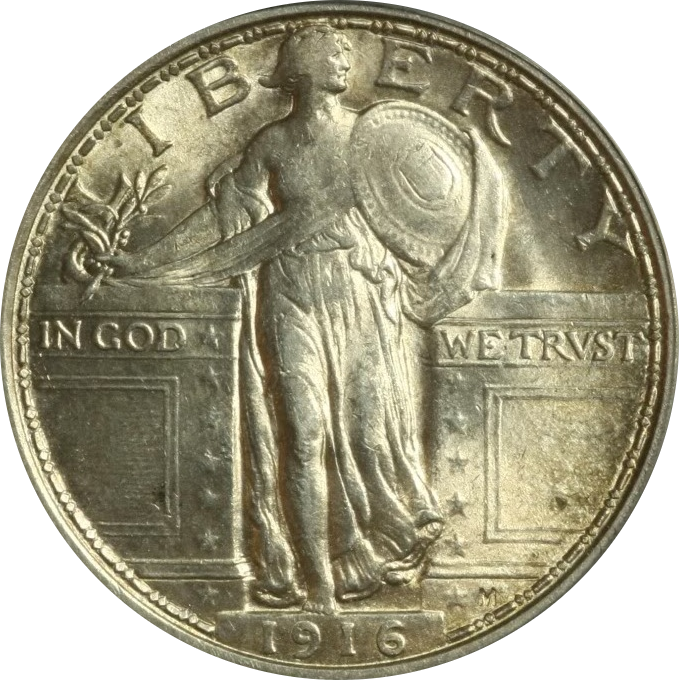
Every collector has a "white whale." For many, it is the standing liberty quarter 1916.
This coin is the stuff of legends. Designed by Hermon MacNeil, it was released late in 1916. Because of the late start, only about 52,000 were minted. For comparison, most years see mintages in the tens of millions.
The 1916 is a "Type 1" design. It features Liberty standing in a gateway with her right breast exposed. This caused a bit of a stir at the time, leading to a design change in 1917 where she was given a coat of chainmail.
If you find one of these, you are looking at a coin worth thousands, even in poor condition. But be careful. Because it is so valuable, it is a frequent target for fakers.
Master the Basics: Counterfeit Coin Detection
As you get deeper into the hobby, you will eventually want to buy a "raw" coin (one that isn't in a professional grading holder). This is where things get risky. Counterfeit coin detection is a skill that takes years to master, but you can start with the basics.
- Weight: Every U.S. coin has a specific weight. A 1916 Standing Liberty Quarter should weigh 6.25 grams. If yours weighs 5.8 or 6.5, it’s a fake.
- Magnetism: Genuine U.S. silver and gold coins are not magnetic. If a magnet sticks to your "silver" dollar, it’s steel or iron with a coating.
- The "Ring" Test: If you gently tap a silver coin, it should produce a high-pitched, long-lasting ring. Base metals produce a dull "thud."
Grading: The ANA Standards
To talk about coins, you need to speak the language of grading. In the U.S., we use the ANA grading standards. This is a 70-point scale created by the American Numismatic Association.
- 1 to 59: These are circulated grades. The coin has been in people’s pockets.
- 60 to 70: These are "Mint State" (Uncirculated). The coin looks just like it did when it left the press.
Learning these standards helps you avoid overpaying. A coin that looks "shiny" might actually be "cleaned," which ruins its value. A true collector looks for original luster and sharp details on the high points of the design, like Liberty’s knee or the eagle’s feathers.
What is a Coin Show, Anyway?
You’ve listened to the coin collecting podcast, you’ve bought some Mylar flips, and you’ve studied your grading guide. Now what? It’s time to go to a show.
If you are asking, "What is a coin show?" think of it as a massive pop-up mall for history buffs. Dealers from all over the country set up tables. You can see thousands of coins in person, handle them (with permission!), and talk to experts.
Shows are the best place to:
- Buy supplies without shipping costs.
- Get a second opinion on a coin you own.
- Find rare pieces that never make it to eBay.
The biggest shows, like the ANA World’s Fair of Money, can have hundreds of dealers and thousands of visitors. It’s the ultimate way to immerse yourself in the hobby.
Looking Forward: The Future of the Mint
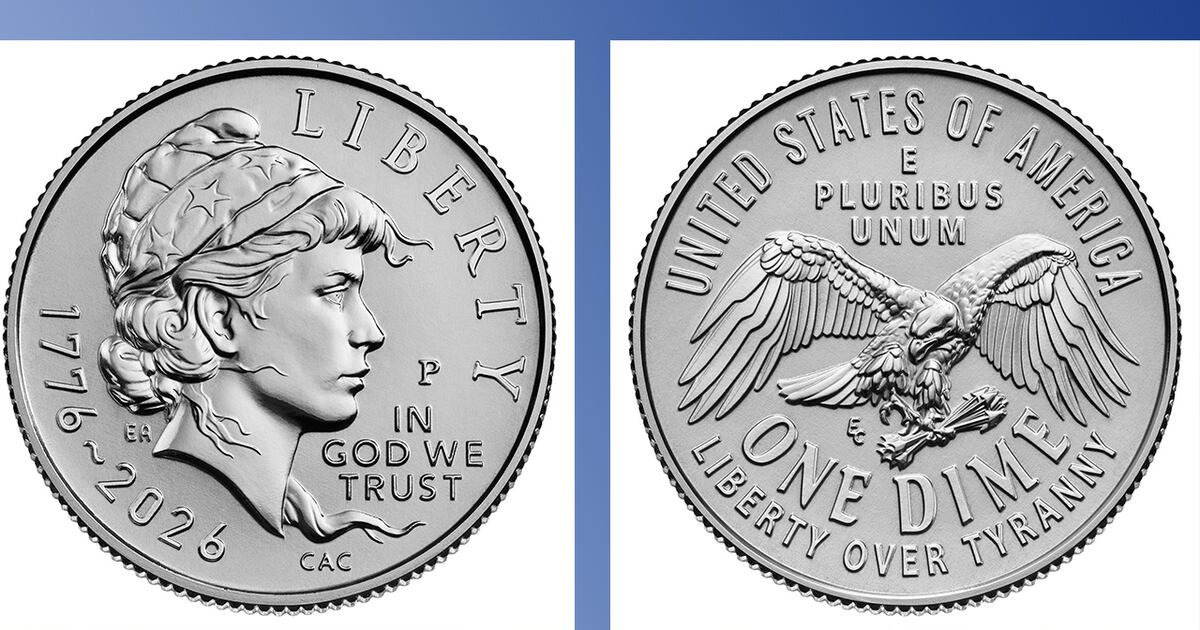
While we love the classics, the U.S. Mint is always working on something new. For example, the upcoming 1776-2026 Emerging Liberty Dime is already generating buzz. These modern releases are a great way for new collectors to get started without spending thousands of dollars.
Conclusion
Coin collecting is more than just a way to save money. It’s a way to hold history in your hand. By listening to a quality numismatic podcast like The Coin Show, you stay informed, entertained, and connected to the community.
Remember: stay away from PVC, learn your grading standards, and always keep an eye out for that 1916 Standing Liberty Quarter. You never know what might be hiding in your pocket change.
Happy hunting!