
The Daily Mint: Coin Care, Counterfeit Detection, and the Legendary 1916 Standing Liberty Quarter
Welcome to The Daily Mint, your daily dose of numismatic news and insights brought to you by The Coin Show. Whether you are a seasoned pro or just started checking your pocket change for silver, we’re glad you’re here.
In today’s edition, we are diving deep into one of the most iconic "Holy Grails" of American numismatics: the 1916 Standing Liberty Quarter. We will also cover essential coin collecting tips regarding storage, the dreaded "green slime" (PVC damage), and how to spot fakes before they empty your wallet.
The Legendary 1916 Standing Liberty Quarter
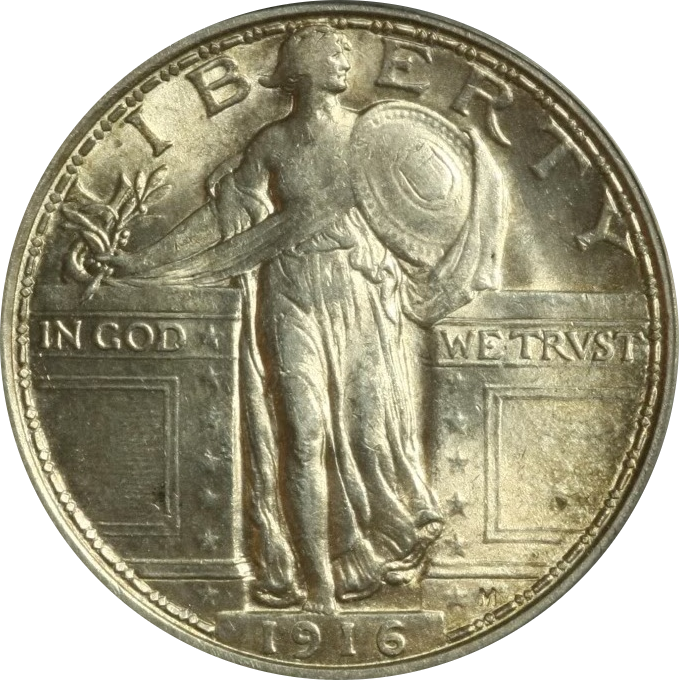
If you ask any collector about the "key" to the Standing Liberty series, one date stands above the rest: the standing liberty quarter 1916.
This coin is more than just a piece of silver; it is a piece of history shrouded in controversy and rarity. Designed by sculptor Hermon A. MacNeil, the coin was intended to replace the Barber quarter. However, the Mint didn't actually start striking the new design until the very end of December 1916.
Why Is It So Rare?
The 1916 Standing Liberty Quarter has a tiny mintage of just 52,000 pieces. To put that in perspective, the 1917 Philadelphia issue had over 8 million. Because these coins were released into circulation alongside the 1917 quarters in early 1917, few people realized they had a rarity in their hands. Most of these coins saw heavy use, wearing down quickly because the date was positioned on a high point of the design.
Finding a 1916 SLQ in "Mint State" today is a major event in the hobby. It's the kind of coin we often discuss on our coin collecting podcast because its story perfectly captures the excitement of the hunt.
The Design Controversy
The "Type 1" design featured Liberty with an exposed breast. While it was a beautiful, neoclassical design, it caused enough of a stir that the Mint modified the design in mid-1917. Liberty was "covered" with a coat of chainmail, and the stars on the reverse were moved. If you find a Standing Liberty Quarter with three stars beneath the eagle, it’s a Type 2, and unfortunately, it cannot be a 1916.
How to Spot a Fake: Counterfeit Coin Detection
Because the 1916 Standing Liberty Quarter is so valuable, it is a prime target for counterfeiters. You don't want to spend thousands on a coin only to find out it's been "doctored." Here is some expert advice on counterfeit coin detection for this specific rarity:
- The Mintmark Check: All genuine 1916 Standing Liberty Quarters were struck at the Philadelphia Mint. This means they must have no mintmark. If you see a "D" (Denver) or "S" (San Francisco) above the date, it is either a later year or an altered coin. There is no such thing as a 1916-D or 1916-S.
- The "6" Digit: The most common fakes are 1917 Type 1 quarters where the "7" has been carved into a "6." Under a high-powered loupe, look for tool marks or "disturbed" metal around the last digit. On a genuine coin, the metal flow and texture will be consistent across the entire date.
- The Reverse Stars: As mentioned, the 1916 is always a Type 1. If there are stars under the eagle on the reverse, it’s a 1917 Type 2 or later.
Authenticating high-value items is a skill that takes time. On our numismatic podcast, we often interview professional graders who share stories of the most deceptive fakes they’ve ever encountered.
Protecting Your Treasure: The "No-PVC" Policy
You’ve finally found a rare coin for your collection. Now, how do you keep it safe? Knowing how to store coin collection items properly is the difference between an investment that grows and a coin that literally rots in its holder.
The Danger of Coin PVC Damage
For decades, the hobby was plagued by "soft" plastic flips and album pages. These holders were made flexible using chemicals called plasticizers, specifically Polyvinyl Chloride (PVC). Over time, these chemicals break down and leach out of the plastic, creating an acidic green "goo" on the surface of your coins.
Coin pvc damage is heartbreaking. It starts as a light, oily film and eventually turns into green spots that can permanently pit and etch the metal.
Coin Storage for Collectors: Best Practices
To avoid this, we recommend a strict No-PVC policy:
- Use Non-PVC Flips: Look for "unplasticized" or archival-safe flips (often made of Mylar). They are stiffer and more brittle, but they won't destroy your coins.
- Avoid Old Albums: If you inherit a collection in an old "PVC-smelling" album (think of the smell of a new shower curtain), move the coins immediately.
- Control the Environment: Store your coins in a cool, dry place. Humidity is the catalyst that turns PVC and other pollutants into active acids.
Understanding ANA Grading Standards
When you hear collectors talking about an "MS65" or a "VF20," they are referring to the ana grading standards. The American Numismatic Association (ANA) adopted the Sheldon Scale, which grades coins from 1 to 70.
- 1 (Poor): Just enough detail to identify the coin.
- 70 (Perfect Mint State): A coin with no visible flaws even under 5x magnification.
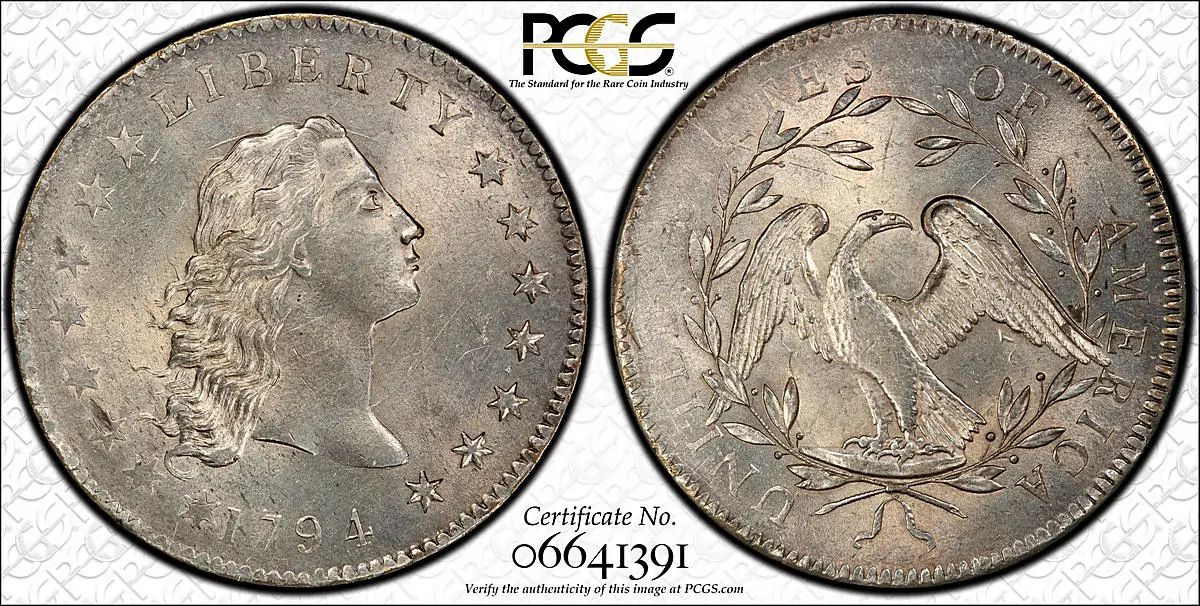
For a 1916 Standing Liberty Quarter, the difference between a "G4" (Good) and an "AU58" (About Uncirculated) can be tens of thousands of dollars. This is why most serious collectors insist on buying high-value coins that have been "slabbed" or certified by a third-party grading service like PCGS or NGC.
Getting Involved: What is a Coin Show?
If you want to see a 1916 Standing Liberty Quarter in person, or if you're looking for expert coin collecting tips, you need to attend a coin show.
What is a coin show? It’s essentially a massive marketplace and social gathering for numismatists. Dealers set up tables with thousands of coins, and collectors come to buy, sell, trade, and learn. It’s the best place to handle different types of coin storage for collectors, meet the hosts of your favorite coin collecting podcast, and get a "real-world" education in grading.
Most coin shows also feature educational seminars and club meetings. It's where the community comes alive.
The Future of Collecting
The hobby is constantly evolving. While we cherish the classics like the Standing Liberty series, the U.S. Mint continues to innovate with new designs and commemorative programs. For example, the upcoming 2026 Semiquincentennial designs are already generating massive buzz in the community.
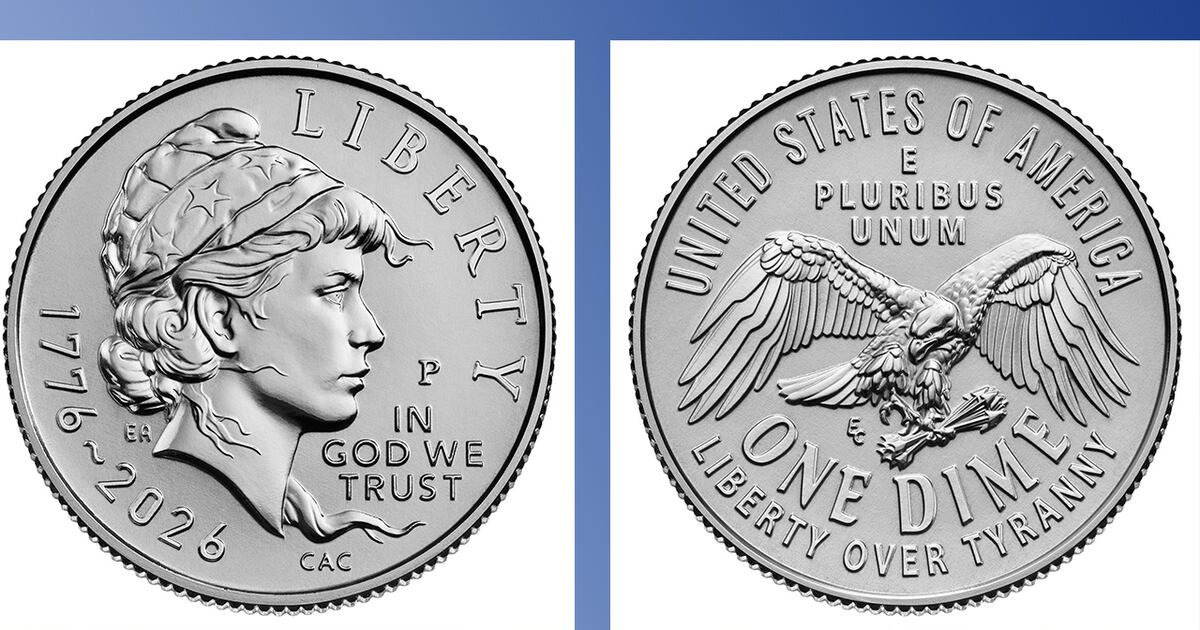
Whether you are chasing a 1916 quarter or looking forward to the 2026 releases, the key is to stay informed.
Final Thoughts
Coin collecting is a journey of discovery. By following a few simple rules: like avoiding PVC, learning the basics of counterfeit detection, and understanding grading: you can ensure your collection remains a source of pride for years to come.
Want more deep dives into coin history and collecting strategies?
- Listen: Check out The Coin Show Podcast for weekly episodes.
- Watch: Visit our YouTube channel for close-up looks at rare coins and tutorials.
- Shop: Pick up some official merchandise or check our book recommendations to grow your numismatic library.
Keep your eyes on the change and your coins in the right holders!