
The Daily Mint: Coin Storage Don’ts, the 1916 SLQ, and Your First Coin Show
Welcome back to another edition of The Daily Mint! Whether you are sorting through rolls of pocket change on your kitchen table or hunting for high-grade key dates, numismatics is a rewarding hobby. But keeping your collection safe and growing your knowledge takes a few fundamental tools.
Today, we are looking at how to protect your collection from silent destroyers, exploring one of the most iconic US quarter dollars ever minted, breaking down what to expect at your very first bourse floor, and reviewing the basics of grading. Let's dive in!
1. Coin Storage Don'ts: Avoiding PVC Damage
When building your collection, how you store your pieces matters just as much as what you buy. If you are learning how to store coin collection assets safely, your first rule of thumb is simple: say no to cheap soft vinyl flips.
Many older or generic coin holders contain polyvinyl chloride (PVC). Over time, these chemical plasticizers break down and leave a slimy, greenish residue on your silver and copper coins. This coin pvc damage can permanently pit coin surfaces and ruin numismatic value.
How to Spot and Prevent PVC
- The Bend Test: If a flip is extremely stretchy, soft, or has a strong chemical scent, it likely contains PVC. Archival-safe holders feel stiffer and cleaner.
- What to Use Instead: Switch to Mylar (polyester) flips or inert hard plastic capsules. For advanced preservation tips, check out our guide on safe storage matters.
- Green Residue Found? If you discover green film on a coin, resist the urge to scrub it. Professional conservation services through NCS or NGC can safely remove harmful residues without damaging the metal underneath.
Using proper coin storage for collectors ensures your treasures stay pristine for generations to come.

2. The 1916 Standing Liberty Quarter
Every serious series has its crown jewel, and for twentieth-century quarters, it's the standing liberty quarter 1916.
Struck exclusively at the Philadelphia Mint during the final two weeks of December 1916, this Type I design features Liberty stepping through a gateway with an uncovered breast and no stars beneath the eagle on the reverse. With a mintage of only 52,000 pieces, it is an extreme rarity in any grade.
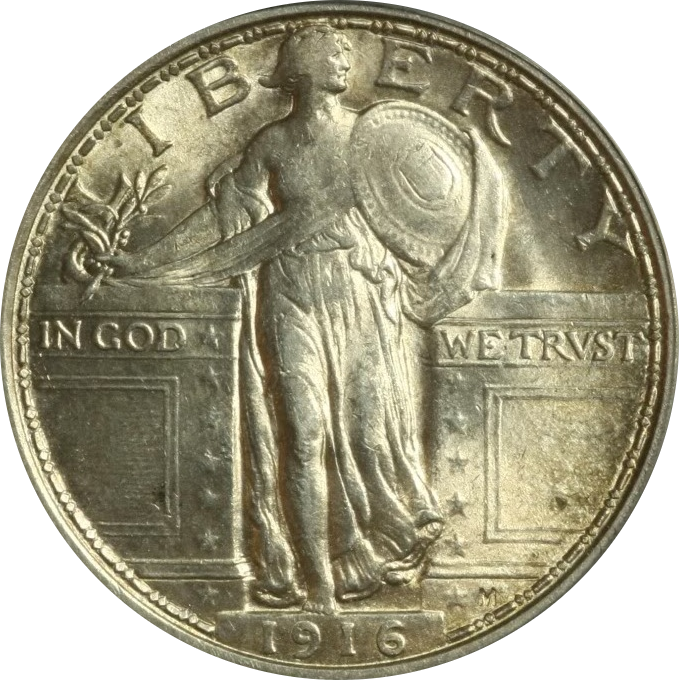
Because raw specimens command thousands of dollars, counterfeit coin detection is vital. Counterfeiters often alter 1917 quarters or add spurious mintmarks. Always examine date digits, surface texture, and strike details under magnification or trust certified third-party slabs from trusted grading services.
3. What Is a Coin Show?
If you have never attended a live numismatic gathering, you might wonder: what is a coin show?
In short, it is a marketplace and community hub rolled into one. Dealers set up tables across a large hall: known as the bourse floor: offering everything from ancient Greek coins to modern bullion.
As a beginner, a coin show can feel overwhelming, but it is also one of the friendliest environments in the hobby. Here is what you can expect:
- The Bourse Floor: Rows of dealers displaying coin albums, graded slabs, and supplies. Feel free to ask questions or ask to view coins up close.
- Educational Exhibits: Many regional and national shows feature displays from local numismatic clubs.
- Expert Opinions: Bringing a raw coin to show a trusted dealer is a great way to learn more about its authenticity and value.
4. Quick Tips Corner: Grading and Resources
Understanding condition is essential for any collector. The hobby relies on ana grading standards developed by the American Numismatic Association using the 70-point Sheldon scale.
- Circulated vs. Mint State: Coins with wear on their high points fall into circulated grades (Poor-1 to About Uncirculated-58). Coins with zero wear are in Mint State (MS-60 to MS-70).
- Continuous Learning: Finding the right coin collecting tips doesn't have to be a solo journey.
For more deep dives into mint history, market trends, and expert interviews, tune in to The Coin Show podcast and our companion numismatic podcast episodes. Grab your loupe, check your storage materials, and enjoy the hunt!