The Daily Mint : August 6, 2026: The $4.5 Million Flowing Hair Dollar, ANA Grading Demystified, and Summer Storage Checklist
Welcome to today’s edition of The Daily Mint. Whether you are sorting through old pocket change at your kitchen table or hunting for rare gold pieces at a major convention, we are glad you are here.
Grab a cup of coffee, settle in, and let us dive into the latest numismatic stories, practical grading tips, and essential collecting advice for August 2026. If you love listening to deep dives while working on your collection, be sure to tune in to our latest episodes on our coin collecting podcast.
The $4.5 Million Flowing Hair Dollar: America’s First Silver Dollar Speaks
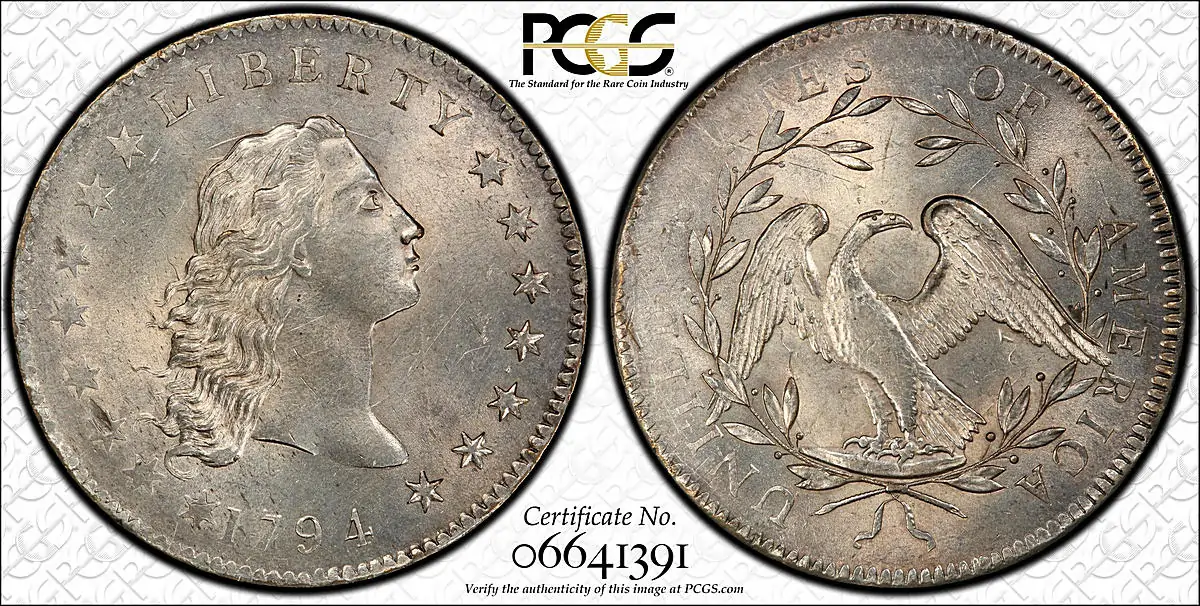
Every so often, a coin comes to auction that reminds us why early American numismatics holds such a magical grip on our imagination. Recently, a magnificent 1794 Flowing Hair Silver Dollar: graded MS-63+ by PCGS: crossed the auction block and realized a staggering $4.5 million.
Struck at the Philadelphia Mint in late autumn of 1794, this is universally recognized as the very first silver dollar type produced by the United States government. With a design featuring Liberty with flowing locks on the obverse and a slender heraldic eagle framed by a wreath on the reverse, these coins represent the literal birth of American decimal coinage.
What makes a non-Gem business strike command $4.5 million? It comes down to rarity, history, and pedigree. Only about 1,758 pieces were struck in total on that October day in 1794, and numismatists estimate that fewer than 150 survive today in any condition. This specific specimen carries an elite provenance tracing back through legendary collections like Brand, Boyd, Cardinal, and Legend.
When you hold a piece of history like this: or even admire high-resolution images of it: you are looking at the exact coin that laid the groundwork for modern U.S. currency. It is a true blue-chip anchor of the hobby.
ANA Grading Standards Demystified: What Every Collector Should Know
Understanding coin grades can feel like learning a foreign language. If you have ever wondered why two coins that look similar on the surface can have vastly different market values, the secret lies in the 70-point Sheldon scale developed by Dr. William Sheldon and standardized by the American Numismatic Association (ANA).
Mastering ana grading standards is one of the most valuable skills you can develop as a collector. Here is a practical, no-nonsense breakdown to help you evaluate your own coins:
1. The High-Level Tiers
- Circulated Grades (G-4 to AU-58): These coins show wear on the highest points of the design. A coin graded Good (G-4) has major details worn flat, while About Uncirculated (AU-58) shows only the slightest trace of friction on the highest relief elements under magnification.
- Mint State Grades (MS-60 to MS-70): These coins have zero wear from circulation. The grade is determined by the amount of contact marks (bag marks), strike sharpness, and original mint luster.
2. Focus on Luster and Marks
When examining a coin, tilt it under a light source. Original mint luster creates a cartwheel effect as light reflects off the microscopic flow lines created when the metal was struck under immense pressure. Heavy scratches, rim dings, or distracting carbon spots will quickly push a coin down from a choice Mint State grade (like MS-65) into a lower tier (like MS-63).
3. Eye Appeal Matters
Two coins might both technical grade MS-64, but one has vibrant, original toning while the other has a dull, washed-out appearance. Always buy the coin, not just the holder. Developing your eye for natural surfaces and sharp details will protect your wallet and make coin collecting far more rewarding.
If you enjoy casual discussions about grading quirks and authentication stories, our regular numismatic podcast episodes break down these exact topics every week.
Summer Storage Checklist: Protecting Your Collection
August brings warm weather, high humidity, and unique challenges for coin preservation. As you review how to store coin collection displays or update your safe deposit box, keeping up with proper coin storage for collectors is essential.
As we have emphasized in recent weeks, keeping your collection safe starts with materials. Avoid old-school soft vinyl flips that contain polyvinyl chloride, as coin pvc damage can permanently etch and discolor coin surfaces over time. Instead, stick to inert materials like mylar 2×2 flips, safe coin tubes, or high-quality wooden cabinetry.
Here is a quick summer storage checklist:
- Check the Humidity: Keep your storage area climate-controlled. Use silica gel packs in safes or storage boxes to absorb excess moisture during humid summer months.
- Inspect Regularly: Pull out a few albums every month to check for any signs of haze, discoloration, or environmental changes.
- Review Security: Ensure your home safe is securely bolted down, or verify that your bank vault box inventory is up to date.
Quick Hits: From Rare Quarters to Modern Releases
Before we wrap up today, here are a few quick reminders for your collecting journey:
- Classic Rarities: If you loved our recent deep dive on the legendary
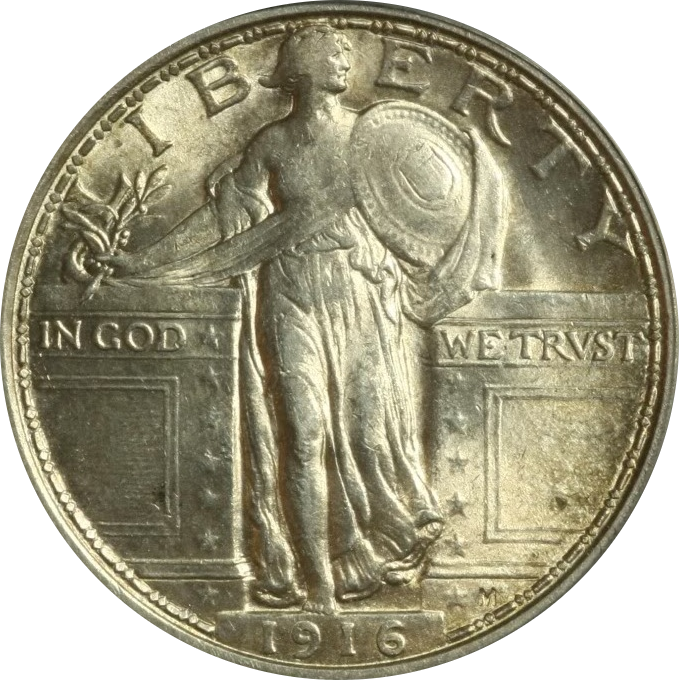
standing liberty quarter 1916, you know how thrilling it is to spot a pristine key-date piece. Always practice goodcounterfeit coin detectionhabits when buying raw vintage silver. - Getting Out in the Hobby: Wondering
what is a coin showlike? Local and regional shows are fantastic places to meet fellow enthusiasts, talk shop, and pick up helpfulcoin collecting tipsface-to-face. - Modern Discoveries: Keep an eye out for contemporary releases like the
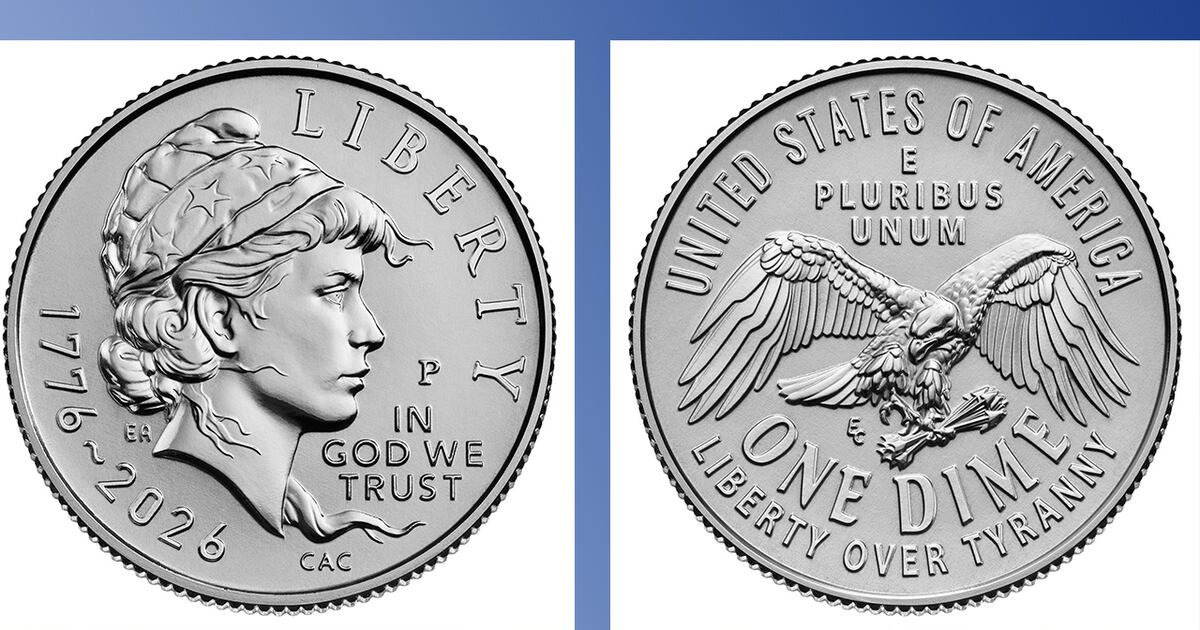
2026 Emerging Liberty Dime, bridging the gap between centuries of numismatic tradition and modern mint artistry.
Thanks for joining us for today’s edition of The Daily Mint. Drop us a line, share your latest finds with fellow collectors, and keep the passion for numismatics alive!