
The Daily Mint : August 14, 2026: Coin Storage That Protects, a Penny Worth Thousands, and Why PVC Hurts
A coin can survive a century of circulation and still be damaged by the wrong holder.
That is the lesson behind today’s Daily Mint. We’re looking at practical coin collecting tips, the best way to store coin collections, the famous 1943 bronze cent, and the chemical problem collectors should avoid at all costs: PVC.
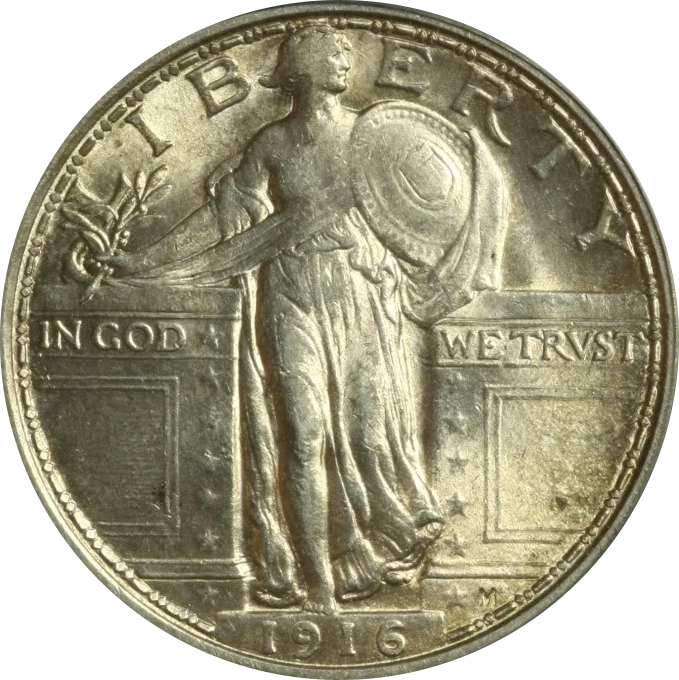
We’ll also revisit the 1916 Standing Liberty quarter and explain why careful storage, grading knowledge, and counterfeit coin detection all matter when a coin may be worth thousands.
The short version: storage protects value
If you remember only a few things, remember these:
- Never use soft PVC flips or album pages for long-term storage.
- Choose holders labeled PVC-free and made from inert materials.
- Keep coins in a cool, dry, stable environment.
- Handle raw coins by their edges.
- Do not clean valuable coins.
- Authenticate rare pieces before buying or selling them.
- Inspect your collection at least once or twice a year.
These habits help protect both the coin and the story attached to it.
Why PVC hurts coins
PVC stands for polyvinyl chloride. It is used to make some plastics soft and flexible. Older flips, inexpensive pocket holders, and certain album pages may contain PVC and chemical plasticizers.
Over time, those plasticizers can migrate out of the holder. Heat and humidity speed up the process. The result may appear as a sticky, green, cloudy, or oily film on the coin.
Collectors often call this “green slime,” but the problem can start before any green color appears. The residue can react with copper, silver, and other metals. Eventually, it may stain, etch, pit, or corrode the surface.
That is the heart of coin PVC damage:
- Early residue may be removable.
- Etching and pitting are permanent.
- A coin with PVC damage may receive a details grade or sell for far less than a problem-free example.
PVC can be especially damaging to copper coins. Copper already reacts readily with moisture and pollutants. Add a deteriorating soft plastic holder, and the coin may develop a surface problem that cannot be undone.
For more background, the U.S. Mint’s coin care guidance recommends acid-free and PVC-free storage materials. NGC’s conservation guidance also explains why PVC residue should be addressed quickly.
How to store a coin collection safely
The best coin storage for collectors combines the right holder with the right environment.
Choose inert holders
Look for products made from:
- Mylar or polyester film
- PET
- Polyethylene
- Polypropylene
- Rigid acrylic capsules
- Certified grading-service holders
Always check the manufacturer’s information. “Clear plastic” does not automatically mean safe plastic. The holder should be clearly labeled PVC-free and archival-safe.
Soft, bendable plastic with a strong vinyl smell is a warning sign. If an old flip feels oily or resembles a flexible shower curtain, move the coin out of it.
For valuable coins, a professional holder from a major grading service offers added protection and makes the coin easier to insure, catalog, and sell.
Control humidity and temperature
A stable room inside your home is usually better than an attic, garage, shed, or damp basement.
Avoid places with major temperature swings. Warm, humid conditions accelerate chemical reactions and can encourage spotting or corrosion. Many conservation recommendations place a mixed collection in the general range of 35% to 55% relative humidity, with stability being just as important as the exact number.
A small digital hygrometer can help you monitor the room. Silica gel packs may also help inside a sealed storage box, but they should be checked and replaced or recharged as needed.
Handle coins carefully
Wash and dry your hands before examining coins. Hold raw pieces by the edges. Avoid touching the obverse or reverse, even if your hands appear clean.
Fingerprints contain oils and salts. On some metals, a fingerprint can become a permanent stain.
Never slide coins across a table. Give each coin its own space so pieces do not rub against each other. Contact marks can reduce eye appeal and affect the grade.

A coin worth thousands: the 1943 bronze cent
The 1943 Lincoln cent is one of the most famous wartime coins in American numismatics.
During World War II, copper was needed for ammunition and other military equipment. The U.S. Mint changed the cent’s composition and struck most 1943 cents on zinc-coated steel planchets.
A small number of leftover bronze planchets from 1942 were apparently struck with 1943 dies. These accidental off-metal errors became the legendary 1943 bronze cents.
A genuine example is worth far more than thousands. Depending on the mint, condition, and authentication, these coins can bring hundreds of thousands of dollars. The unique 1943-D bronze cent has sold for $1.7 million, according to PCGS. A 1943-S bronze cent sold for $456,000 at Stack’s Bowers in 2026, as reported by CoinWeek.
The important point is that most supposed “1943 copper pennies” are not genuine.
A basic screening process
If you find a 1943 cent that looks bronze-colored, you can perform a few non-destructive checks:
- Magnet test: A normal 1943 steel cent is magnetic. A bronze cent should not be attracted to a magnet.
- Weight: A bronze Lincoln cent weighs about 3.11 grams. A steel cent weighs about 2.70 grams.
- Examine the surfaces: Look for signs of plating, altered dates, tooling, or an unusual texture.
- Seek professional authentication: A magnet is only a screening tool. It cannot prove that a coin is genuine.
Do not scratch the coin, file the edge, or use harsh chemicals. If the coin passes the basic tests, place it in a safe, non-PVC holder and contact a reputable dealer or grading service.
That is where counterfeit coin detection becomes essential. High-value rarities attract altered and counterfeit examples. Compare the coin with certified examples, study known diagnostics, and use professional authentication before assigning a major value.
The 1916 Standing Liberty quarter: a historical treasure
The 1916 Standing Liberty quarter has everything collectors love: a striking design, a short production run, and a fascinating story.
The U.S. Mint produced only 52,000 examples in 1916. Production began late in the year, and the design was modified in 1917. The first version, known as Type I, shows Liberty with a bare right breast. The revised Type II design added chain mail and changed several details.
The coin was designed by sculptor Hermon A. MacNeil. It replaced the Barber quarter and brought a more modern artistic style to American coinage.
Because so few 1916 quarters were made, the date is a key issue in the series. Even worn examples can be valuable, while problem-free coins in higher grades command strong prices.
Storage matters because the coin’s value depends heavily on its original surfaces. A green PVC film, fingerprint, cleaning hairline, or patch of corrosion can take a major premium away from the piece.
When studying one, pay close attention to the date, Liberty’s head, the shield, and the overall strike. Collectors also watch for the Full Head designation on higher-grade examples.
The Official ANA Grading Standards can help you learn the language of condition. ANA standards explain the differences between circulated and Mint State coins, including wear, marks, luster, and eye appeal. They are a guide, not a guarantee of what a grading service will assign.
What is a coin show?
If you are new to the hobby, you may wonder, what is a coin show?
A coin show is a gathering of collectors, dealers, auction companies, educators, and numismatic organizations. Dealer tables may offer everything from pocket-change finds to ancient coins and major U.S. rarities.
Coin shows are excellent places to:
- Compare coins in person
- Ask dealers about series and varieties
- Learn how grading works
- Examine certified coins
- Attend educational talks
- Meet other collectors
- Practice safe buying habits
Bring a loupe, a notebook, and a list of the coins you want to study. Do not feel pressured to buy. Ask questions, compare examples, and inspect the coin under good lighting.
When considering a valuable raw coin, check its weight, diameter, edge, surfaces, and provenance. For a key date such as a 1916 Standing Liberty quarter, professional authentication is a wise step.
What to do if you find PVC residue
If you discover green or sticky residue:
- Remove the coin from the suspected PVC holder.
- Place it in a clean, PVC-free temporary holder.
- Do not rub, scrub, polish, or wipe the surface.
- Photograph the coin and holder for your records.
- Ask a professional conservator about the next step.
Some experienced collectors use 100% pure acetone to remove early PVC residue. Acetone is highly flammable and must be handled with proper ventilation and safety precautions. Nail polish remover is not a substitute.
For a valuable penny, key date, or silver rarity, professional conservation is the safer choice. Removing loose residue may be possible. Repairing etched metal is not.
Keep learning with The Coin Show
Good storage is one part of becoming a better collector. Learning to grade, identify varieties, and recognize questionable coins is just as important.
The Coin Show brings those subjects to you through a friendly coin collecting podcast, video content, and regular articles. If you enjoy market news, historical stories, mint releases, and practical collecting advice, our numismatic podcast is a useful addition to your hobby routine.
You can also continue with our guides on coin storage mistakes and PVC damage and the 1916 Standing Liberty quarter.
Protect the holder. Protect the environment. Protect the coin.
Those simple habits can preserve the history: and the value( for the next collector.)