
How to Store a Coin Collection Without PVC Damage: 5 Holders Compared
A clear, flexible coin flip can look harmless. But some older soft flips contain polyvinyl chloride, or PVC, and can leave an oily green film on a coin over time. That residue can corrode or etch the surface. If the damage is permanent, a coin that might otherwise receive a straight numerical grade could instead receive a “Details” grade for environmental damage.
One detail worth knowing: the problem isn’t that a coin is releasing “vinyl chloride.” It’s that flexible PVC can break down and release plasticizers and other residue. Heat and humidity can speed the process. The practical rule is simple: don’t use soft PVC holders for long-term storage.
Five coin holders compared
Costs below are approximate examples; prices vary by coin size, brand, quantity, and grading service.
| Holder | Typical cost | PVC-free? | Protection | How well you can see the coin | Best use and trade-offs |
|---|---|---|---|---|---|
| Cardboard 2×2 with Mylar window | About 6–10¢ each | Yes, if the window is confirmed Mylar/PET | Moderate | Very good, both sides | Affordable, labeled storage for individual raw coins. Staples need care, and the holder offers limited impact protection. |
| Hard-plastic capsule | About 70¢–$1.15 each in small quantities | Usually, but check the material | High against handling and impact | Very good | Good for coins you want to protect and display. Costs more and takes more space than flips. |
| Coin album or folder | About $10–$50+, depending on format | Not automatically; check page materials | Low to moderate | Good, often both sides | Useful for building a series and viewing coins together. Some folders expose a side; some album pages may contain PVC. |
| PCGS or NGC grading slab | Grading fees vary, plus shipping and applicable fees | Yes; use the service’s holder | High | Excellent | Useful for important coins needing third-party grading and authentication. More expensive and not a substitute for good storage conditions. |
| Archival box or coin tube | A few dollars for some tubes; boxes vary | Only if the materials are identified as inert/PVC-free | Moderate in storage; limited for loose coins | Poor to none for coins inside tubes | Efficient for bulk and silver. Tubes are not ideal for valuable coins that could rub against each other. |
1. Cardboard 2×2 flips with Mylar windows
These are a solid budget choice for many raw coins. Each cardboard holder has a clear window, and you can write the coin’s date, mint mark, and other notes on the outside. A retailer lists quarter-size Mylar-window flips at about $6.99 per 100, though prices change.

Confirm that the window is Mylar or polyester, not just clear plastic of unknown composition. Fold the holder closed and staple it securely, then flatten the staple ends so they don’t scratch nearby holders. The cardboard can absorb moisture, so use clean, dry holders and store them in a suitable box.
2. Hard-plastic capsules
A fitted capsule, including Air-Tite-style holders, gives a coin a rigid barrier from dust, fingerprints, and bumps. Many cost more per coin than a 2×2. The Air-Tite Model I, for example, is listed from about $1.15 each when bought singly, with lower per-capsule prices for bulk orders.

The fit matters: choose the correct size so the coin doesn’t move around. Check that the capsule material is specified as PVC-free, and handle the coin carefully as you place it inside. A capsule can protect the coin physically, but it won’t fix damage that has already occurred.
3. Coin albums and folders
Whitman- or Dansco-style albums are satisfying if you’re working toward a complete set. Folders are generally an inexpensive way to organize circulated coins, while higher-end albums can show both sides and offer more protection. One Dansco album listing is about $45, but prices vary and some systems require separate holders.
Check the album’s pockets and slides before using it. Older pages, especially soft vinyl ones, may contain PVC. Some press-in folders leave one side exposed, so coins can still be affected by handling, dust, or humidity. If a page’s material isn’t identified, ask the manufacturer or use a different holder.
4. Third-party grading slabs
A PCGS or NGC slab combines a sealed holder with a grading opinion and authentication from a third-party service. That can be helpful for a valuable coin, and it can make a coin easier to sell. But grading costs vary, and shipping and service fees add up.
A slab is not a magic shield: it does not remove existing damage or eliminate the need for a stable storage environment. And while certification can support counterfeit coin detection, it’s still wise to buy from a reputable seller and verify the certification information.
5. Archival boxes and tubes
For bulk silver, duplicates, and other lower-value coins, tubes and storage boxes keep things orderly without buying an individual capsule for every piece. Make sure tubes are made of a specified PVC-free material, such as appropriate polyethylene or polypropylene. Don’t assume every clear tube is safe.
A tube also puts coins close together, so it’s a poor choice for high-grade or especially valuable pieces that might rub. Use individual holders for coins that need more protection, then place those holders in a compatible archival box.
How to spot early PVC damage, and what not to do
Early coin PVC damage may appear as a cloudy white or pale-green haze, often where the coin touches a soft flip. It can progress to sticky green spots, shiny green deposits, or a green film. Treat residue as a warning, not ordinary dirt.
If you find it, separate the affected coin from the holder and other coins. Move it carefully into a PVC-free holder without rubbing the surface. Do not clean, polish, scrub, scrape, or brush it. A well-meant wipe can leave scratches or other surface changes that hurt a coin’s grade and value.
Professional conservation may remove active residue. If the coin’s surface underneath is still intact, it may remain eligible for a straight grade. If PVC has caused lasting corrosion or etching, a Details grade may be appropriate. A coin with active residue may not be certifiable until the residue is treated. See NGC’s explanation of PVC residue and conservation.
Safe materials and a better storage environment
Look for holders made from Mylar/polyester (PET), polyethylene, or polypropylene. Hard capsules can also be appropriate when the maker identifies the material and confirms it is PVC-free. Avoid soft vinyl/PVC flips and any album pages of unknown material. When in doubt, ask the supplier.
Store coins somewhere cool and stable, away from direct sun, damp basements, hot attics, and quick temperature swings. Keep moisture in check: the Canadian Conservation Institute notes that lower relative humidity helps protect metals, and recommends regular inspection when ideal conditions aren’t practical. A small hygrometer can help you spot a damp storage area.
Skip rubber bands, which can leave residues and abrade holders. Avoid ordinary cardboard shipping boxes, fresh wood, or other materials that may release acids or vapors. Use a purpose-made coin box or an archival-quality container instead. For more background, see The Coin Show’s guide to storing a coin collection.
When handling coins, hold them by the edges with clean, dry hands. Work over a soft, uncluttered surface, and avoid touching either face.
If you inherit a collection stored badly
Start by documenting what you have. Take photos of the coins in their original holders, note labels and family records, and avoid mixing coins together. Look for green residue, sticky surfaces, cloudy flips, and cracked holders.
Don’t rush to rehouse every coin at once. Begin with coins in soft, flexible flips or pages, especially any with visible residue. If you find a potentially valuable or damaged coin, ask a reputable coin dealer or professional conservator how to proceed before moving it. Our earlier guide to storing your coin collection also compares common holder types.
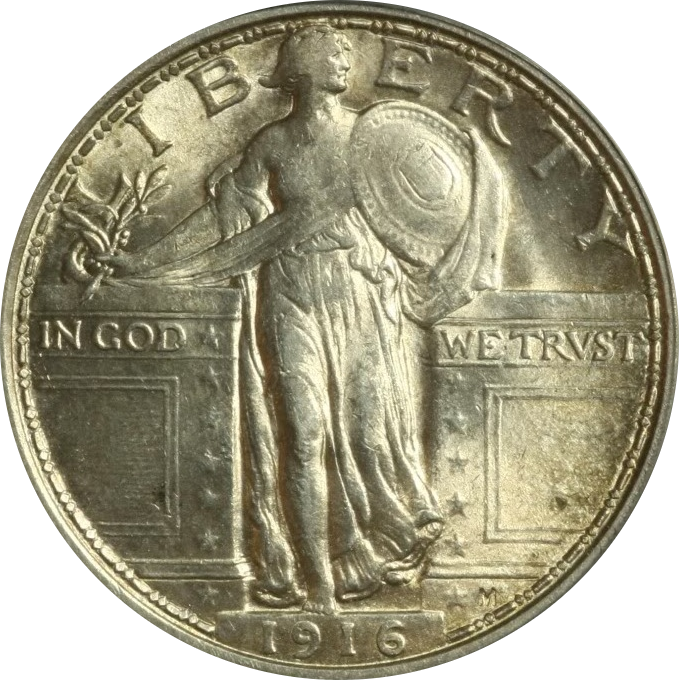
A 1916 Standing Liberty quarter makes the stakes clear. Only 52,000 were struck, making it a key date in the series. A green-film stain or permanent surface damage could have a serious effect on value. If you’re researching “standing liberty quarter 1916,” remember that careful storage matters as much as identifying the date. At a coin show, buying a certified example from a trusted dealer can add reassurance; our beginner’s guide to the bourse floor covers what to expect.
A simple starter setup
If you have a shoebox of inherited coins, start with PVC-free Mylar 2×2s for ordinary individual coins, a few fitted hard capsules for better pieces, and an archival box to keep everything organized. Set aside any coin with a green film, and don’t clean it. For more coin collecting tips and approachable numismatic conversations, explore The Coin Show’s coin collecting podcast and numismatic podcast.
The short version: choose holders made of known, inert materials; avoid soft PVC; keep coins dry and stable; and never scrub away a suspected stain. Good coin storage for collectors is less about buying the most expensive holder and more about choosing the right material for each coin.
Sources
- Canadian Conservation Institute: Basic Care of Coins, Medals and Medallic Art
- NGC: Treating PVC Residue
- PCGS CoinFacts: 1916 Standing Liberty Quarter
- Cowen’s Mylar Cardboard Flips
- Air-Tite Model I Coin Capsules
- The Coin Show: Storing Your Coin Collection