

Counterfeit Coin Detection 101: A Beginner’s Guide to Mastering the Basics
Welcome back to "The Daily Mint," your go-to spot for everything numismatic. Whether you're hunting through pocket change or bidding at high-end auctions, there is one shadow that hangs over every collector: the fake.
Counterfeiters are getting better, but they aren't perfect. Most fakes fail when you apply basic physics and a keen eye. If you’ve been listening to our coin collecting podcast, you know we’re all about making the hobby accessible. Today, we’re stripping away the mystery of counterfeit coin detection and giving you the beginner’s toolkit to protect your collection.
Why Do People Fake Coins?
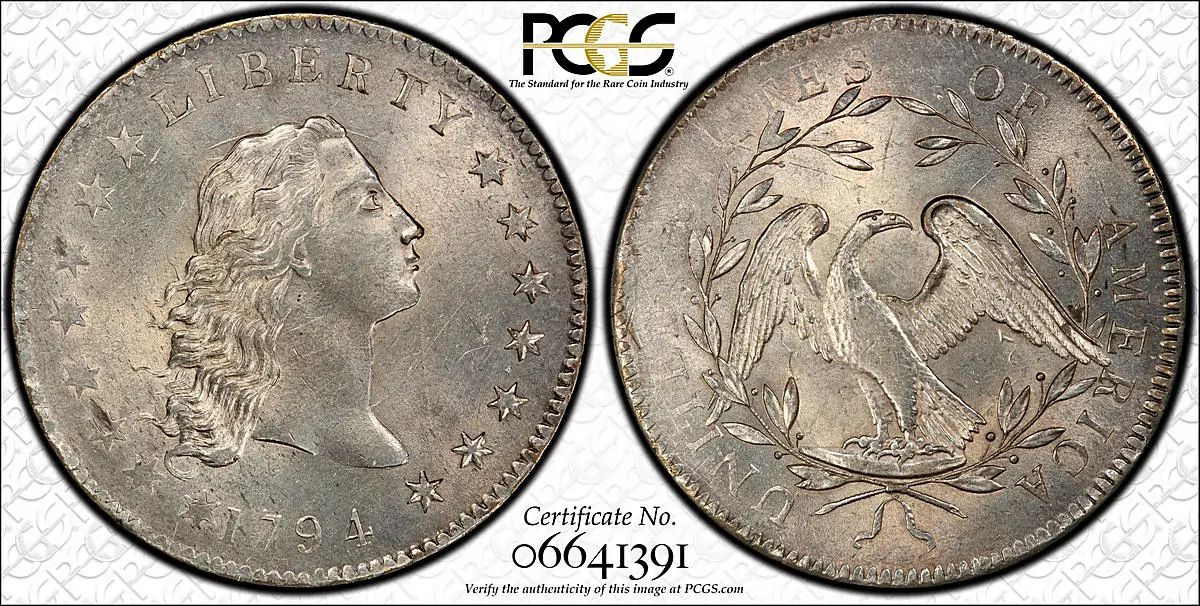
It’s simple: money. But it isn't just the multi-million dollar rarities like the 1794 Flowing Hair Silver Dollar that get faked. Modern "bullion" coins, common-date Morgans, and even small cents are often targets. If there is a profit margin of even a few dollars, someone, somewhere, is trying to replicate it.
Learning how to spot these fakes doesn't just save your wallet; it builds your "eye" for genuine coins, which is the most valuable skill a collector can have.
Your Beginner’s Detection Kit
Before you start inspecting, you need the right gear. You don’t need a laboratory, but you do need precision. Here are the essentials:
- Digital Scale: Look for one that measures to at least two decimal places (0.01g). Weight is often the first thing a counterfeiter gets wrong.
- Digital Calipers: These measure diameter and thickness to the millimeter.
- Neodymium Magnet: A strong magnet is your best friend for weeding out base-metal fakes.
- 10x Magnification Loupe: A standard jeweler’s loupe or a basic USB microscope will reveal the tiny details that the naked eye misses.
The Physical Tests: Trust Science, Not Your Gut
When you hold a new coin, don't just look at it, test it. Genuine coins are minted to incredibly strict specifications by the U.S. Mint.
1. The Weight Test
Every coin has an official weight. For example, a standard silver Washington Quarter should weigh 6.25 grams. While a little wear can shave off a tiny bit of weight (usually no more than 0.2g), a coin that is significantly lighter or heavier is a massive red flag. Most counterfeits are made of cheaper, less dense alloys. If the weight is off, the coin is probably a fake.
2. Diameter and Thickness
If a counterfeiter uses a cheaper metal to save money but wants to match the weight of silver or gold, the coin will have to be either too thick or too wide. Use your calipers to check the diameter against official specs found in the ANA Grading Standards. If the coin is wider than it should be, it won't fit in a standard coin tube or holder, another easy giveaway.
3. The Magnet Test
This is the fastest "no" in the hobby. Silver and gold are not magnetic. If you hold a neodymium magnet up to a "silver" coin and it sticks, you’ve found a steel or nickel-based fake.
For a more advanced version, try the "Magnet Slide." If you tilt a silver coin at a 45-degree angle and slide a magnet down its surface, the magnet should move slowly. This is due to "eddy currents." If it just zips down or sticks, it’s not silver.
4. The Ping Test
Silver has a very specific, high-pitched ring. If you balance a genuine silver coin on your fingertip and gently tap the edge with another coin, it should produce a clear, bell-like chime that lingers. Most fakes made of base metals like lead or zinc will produce a dull "thud."
Note: Be careful doing this with high-value coins! You don't want to leave a "ping mark" on a pristine surface.
Visual Red Flags: Developing Your Eye
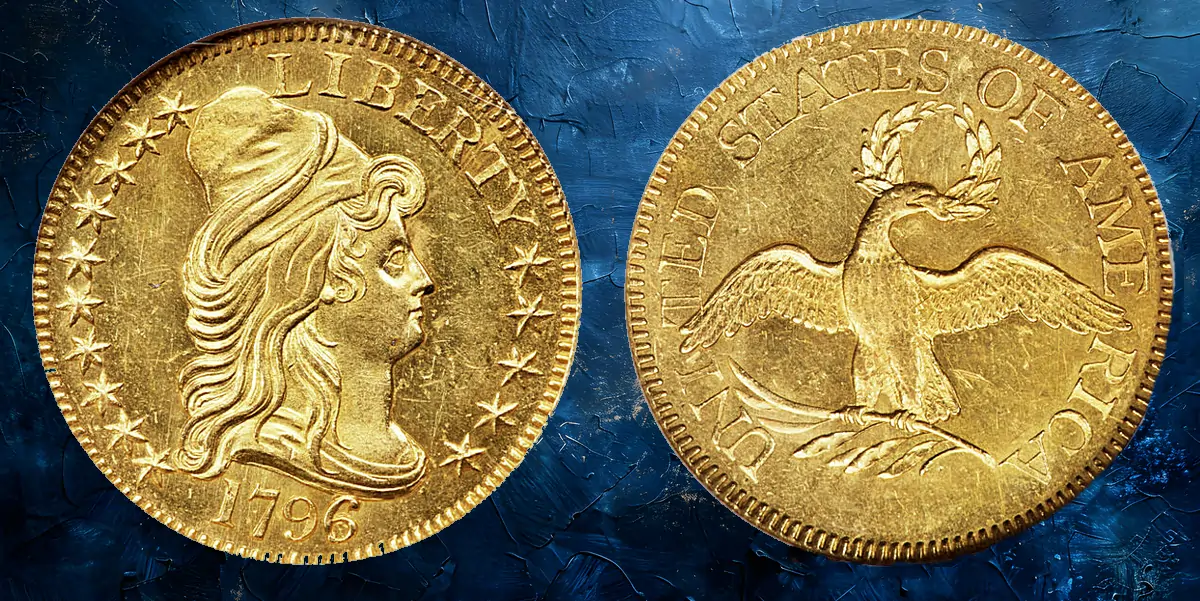
Once a coin passes the physical tests, it’s time to look at the "fine print." Counterfeiters often use "transfer dies," which are essentially copies of real coins. This process often loses the sharpness of the original strike.
Look for "Mushy" Details
On a real coin, the letters and numbers should be sharp. On fakes, the edges of the letters often look rounded or "mushy." Look closely at the "denticles", the little tooth-like beads around the rim. On fakes, these are often uneven or bleed into the rim.
Check the Surfaces
Genuine coins are struck with tons of pressure, which creates "flow lines", microscopic lines that move from the center toward the rim. These lines create that beautiful "cartwheel" luster you see when you rotate a coin in the light. Cast fakes will often have a granular or "sandy" texture because they were poured into a mold rather than struck.
The Edge is the Key
Many counterfeiters focus entirely on the front (obverse) and back (reverse) but forget the edge. On a reeded coin (like a dime or quarter), the lines should be sharp and distinct. If you see a seam running along the center of the edge, that’s a sign the coin was cast in two halves and joined together.
Case Study: The Standing Liberty Quarter 1916
The 1916 Standing Liberty Quarter is a legendary "key date." Because only 52,000 were made, fakes are everywhere.
The most common fake for this coin is actually an "altered date." Forgers will take a 1917 Standing Liberty (which looks very similar) and try to scrape the "7" into a "6." When you’re looking at a standing liberty quarter 1916, check the area around the date with your loupe. If the metal looks scratched, discolored, or "too smooth" compared to the rest of the coin, walk away.
Better yet, for high-value coins like this, only buy examples that have been authenticated by services like PCGS or NGC. This is a top-tier coin collecting tip: if it seems too good to be true, it is.
Care and Storage: Don't Let Your Holders Kill Your Coins
Even if your coin is 100% authentic, it isn't safe yet. One of the biggest threats to a collection isn't a thief, it’s PVC.
What is Coin PVC Damage?
Older, soft plastic flips often contain polyvinyl chloride (PVC) to make them flexible. Over time, this chemical breaks down and releases an acidic green slime. This coin pvc damage can actually eat into the surface of your silver or gold, permanently ruining the value.
How to Store Your Coin Collection
Always use "PVC-free" or "archival-grade" holders. Look for "non-plasticized" Mylar flips or hard plastic capsules. If you’re a serious collector, investing in proper coin storage for collectors is just as important as the coins themselves. Keep your collection in a cool, dry place. Humidity is the enemy!
Final Advice: Join the Community
The best way to learn is to see coins in person. Ask yourself, what is a coin show? It’s a giant classroom. Going to a show allows you to look at thousands of genuine coins and talk to dealers who have seen it all.
If you can't make it to a show, tune into a numismatic podcast like ours. We regularly interview experts who share the latest news on counterfeit trends and market shifts.
Quick Checklist for Your Next Purchase:
- Weight: Is it within 0.1g of the official spec?
- Magnet: Does it stick? (If yes, it's fake!)
- Luster: Does it have the "cartwheel" effect or a sandy texture?
- The Seller: Do they have a return policy? Are they a member of the ANA?
Stay sharp, keep hunting, and remember: the best defense against a fake is a well-educated collector. Happy hunting!