

How to Store Coin Collection: 7 Mistakes You’re Making (And How to Fix Them)
You’ve spent hours hunting through pocket change, visiting local shops, and maybe even attending your first coin show. You’ve finally started a collection you’re proud of. But here is the scary part: if you aren't careful, the way you store those treasures could be slowly destroying their value.
At The Coin Show, we’ve seen it all. From "cleaned" rarities that lost half their value to copper coins turned into green mush by bad plastic, storage mistakes are the silent killers of a great collection. Whether you're a seasoned numismatist or a beginner, these seven common mistakes are easy to make: but even easier to fix.
If you want to hear us dive deeper into these topics, be sure to check out our coin collecting podcast for weekly tips and industry news.
1. The "PVC" Death Trap
This is the number one mistake we see. Many beginner collectors use soft, pliable plastic flips because they’re cheap and easy to find. The problem? Many of those soft plastics contain Polyvinyl Chloride (PVC).
Over time, the chemicals in PVC break down and leak an acidic green slime onto your coins. This "PVC damage" eats into the metal and creates a permanent haze.
The Fix: Always look for "PVC-free" or "archival-safe" flips. Mylar is your best friend here. If you have coins in soft, smelly plastic flips right now, move them immediately.
2. The Urge to "Clean" Your Coins
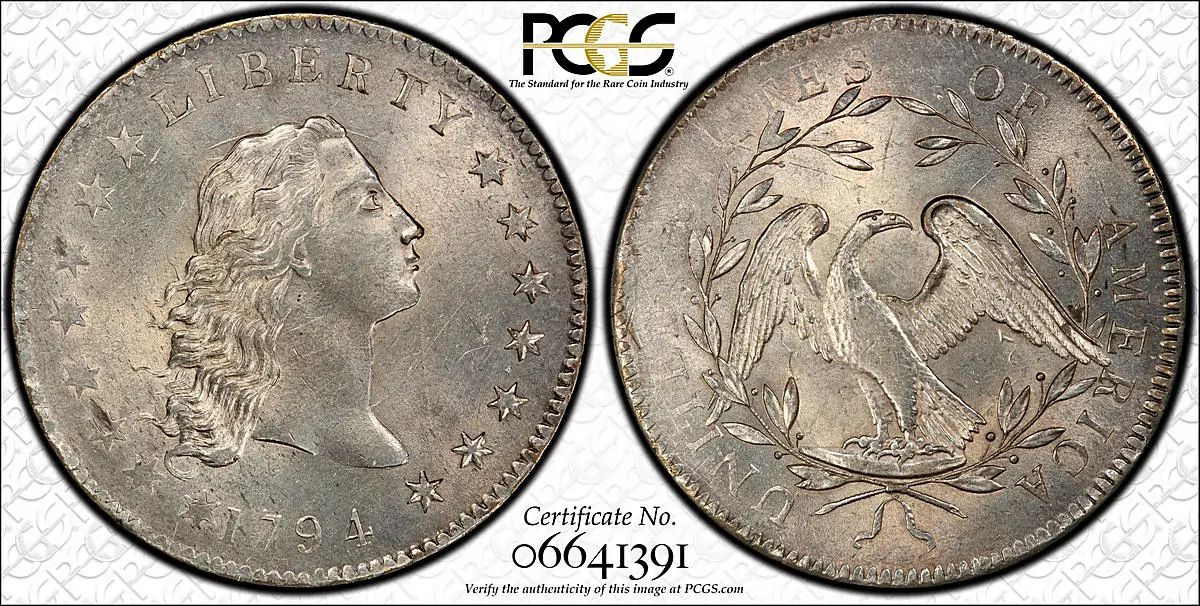
It’s tempting. You find a dirty old silver dollar and you want it to shine. You grab some baking soda, vinegar, or even just a soft cloth. Stop!
Cleaning a coin is the fastest way to ruin its numismatic value. Even "soft" rubbing creates microscopic scratches called hairlines. According to ANA grading standards, a cleaned coin will always be labeled as "Details" or "Cleaned," which drastically reduces what a collector will pay for it.
The Fix: Leave them alone. Collectors actually prefer "original skin": the natural patina and toning that a coin develops over decades. If a coin has actual goop or PVC residue, consult a professional conservation service like NGC or PCGS.
3. Storing Coins in the Attic or Basement
Humidity and temperature swings are the enemies of silver and copper. Basements are often damp, leading to unsightly spots and corrosion. Attics get bake-oven hot, which can accelerate the breakdown of storage materials and cause rapid, ugly toning.
The Fix: Store your collection in a "cool, dry place" inside the main living area of your home. A closet in a climate-controlled room is much safer than an unfinished basement. Consider adding silica gel packets to your storage bins to soak up any stray moisture.
4. Handling Coins with Bare Hands
Your skin is covered in oils, salts, and tiny amounts of sweat. When you touch the face of a coin, those oils transfer to the metal. Over time, those fingerprints can actually "etch" into the surface, becoming permanent stains that cannot be removed.
The Fix: Handle coins only by their edges. For high-value items or Proof coins, wear clean cotton or nitrile gloves. If you watch our numismatic podcast on YouTube, you’ll notice we are always careful about how we handle the gear and the goods.
5. Using Non-Archival Paper and Cardboard
Not all paper is created equal. Most "office" paper or cardboard boxes contain acids and sulfur. If your coins are sitting loose in a cigar box or a standard envelope, the sulfur can cause the coins to turn black or develop dark, blotchy spots.
The Fix: Use only products specifically designed for coins. Look for acid-free paper envelopes and archival-safe cardboard 2×2 holders. If you use a wooden cabinet, make sure it’s made of a "safe" wood like mahogany, as cedar and oak can off-gas harmful chemicals.
6. Loose "Change Jar" Storage
Keeping your better coins in a jar or bag where they can clink together is a recipe for disaster. This leads to "bag marks": scratches and nicks caused by coins hitting each other. On a rare date like a standing liberty quarter 1916, a few extra scratches can mean the difference between a four-figure and a five-figure price tag.
The Fix: Every coin of value should have its own individual home. Whether it’s a flip, a capsule, or a slot in a high-quality album, physical isolation is key to preventing friction damage.
7. Ignoring Modern Tech and Education
Many collectors stick to the same methods they used in the 70s. But numismatics has evolved! From new ways to detect counterfeit coin detection to better archival plastics, staying educated is part of proper storage. If you don't know what's in your holders, you can't protect your investment.
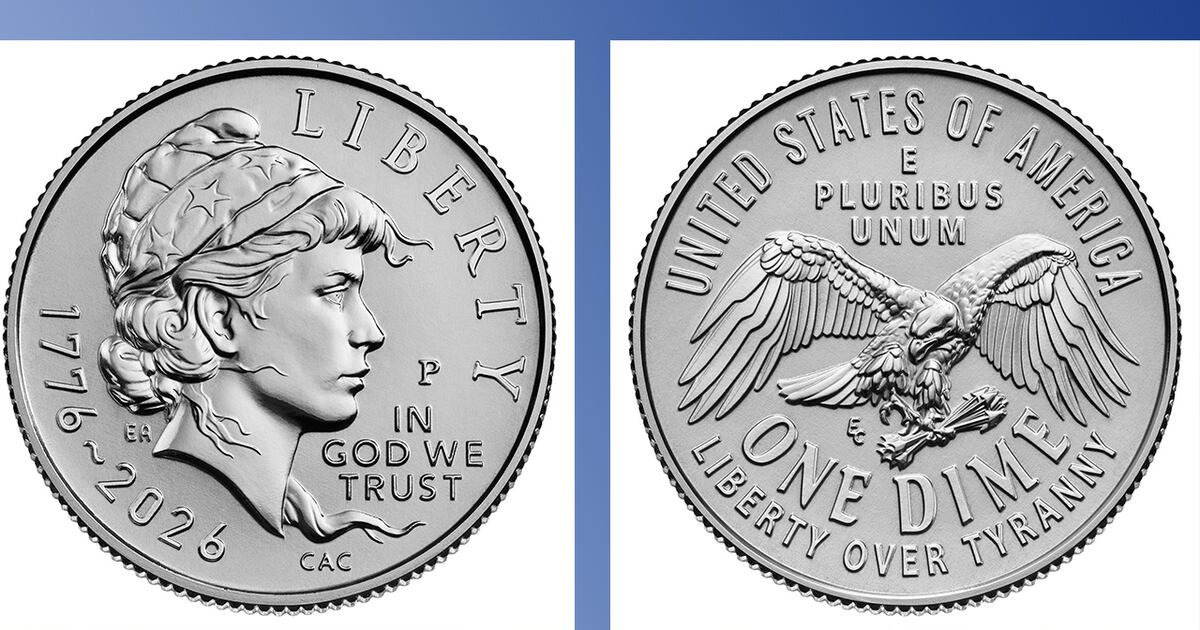
The Fix: Stay curious. Listen to a coin collecting podcast, read the latest ANA guides, and keep up with what the U.S. Mint is doing. For example, the upcoming 1776-2026 Emerging Liberty Dime will likely come in special mint packaging: knowing how to store those original sets is just as important as knowing how to store an 1800s silver dollar.
Final Thoughts
Your coin collection is a piece of history. Whether you have a handful of Wheat pennies or a safe full of gold, taking the time to fix these seven mistakes ensures your coins stay beautiful for the next generation.
Want to learn more about what is a coin show or how to spot a fake? Head over to www.coinshowradio.com and join our community of enthusiasts. We’re here to make coin collecting fun, accessible, and: most importantly: safe for your wallet and your coins.