
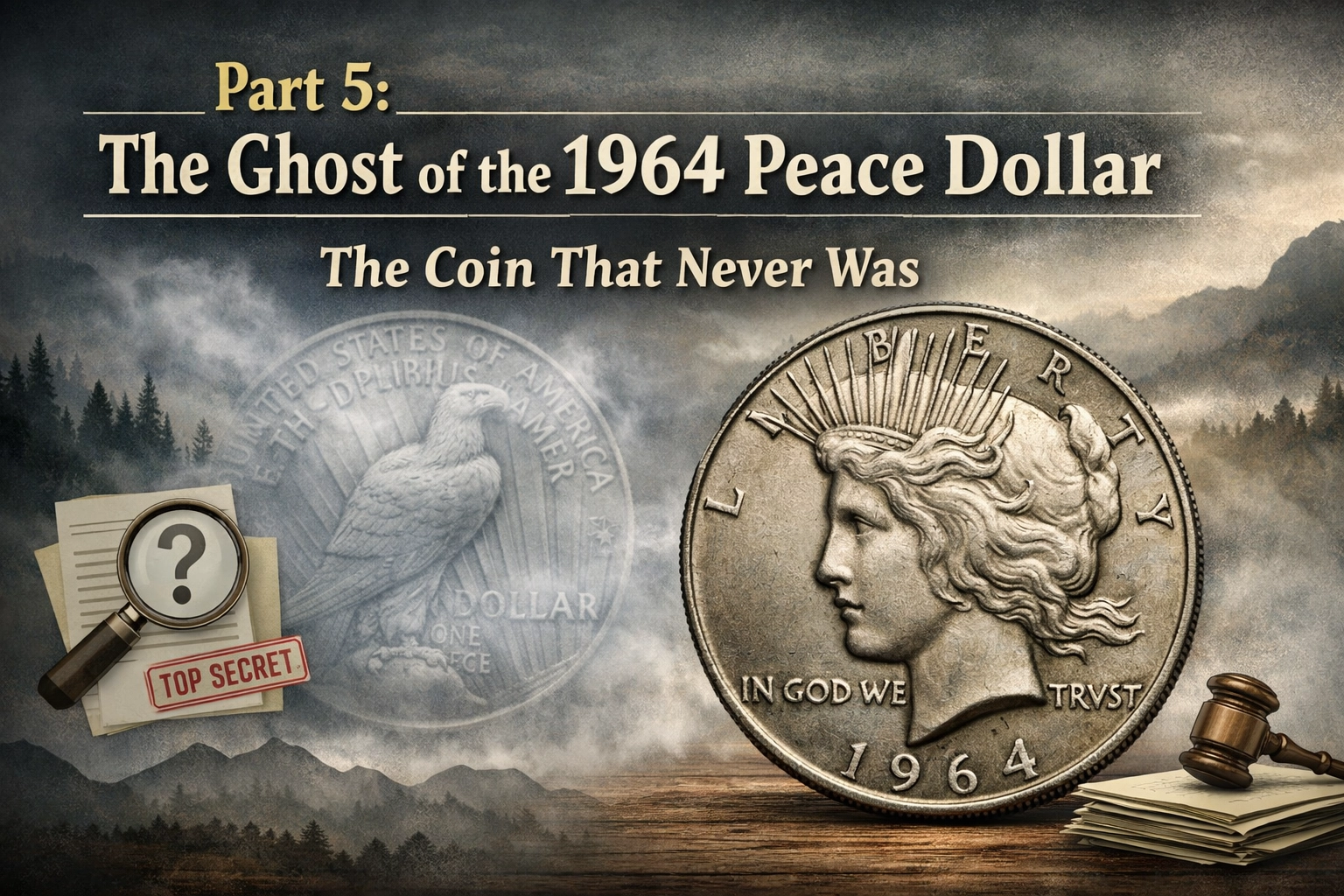
Part 5: The Ghost of the 1964 Peace Dollar – The Coin That Never Was
Hey there, coin fans! Matt Dinger here, and welcome back to our Historical Mysteries series. If you’ve been following along, we’ve covered some pretty wild stuff, but today? Today we are talking about the "Holy Grail" of modern U.S. numismatics. This is the coin that technically shouldn't exist, yet every serious collector in the world has spent at least one late night wondering if there’s one sitting in an old cigar box in a basement somewhere.
We’re talking about the 1964-D Peace Dollar.
This isn't just a rare coin find; it’s a phantom. It’s a piece of silver that was officially minted, officially recorded, and then: officially: completely destroyed. Or was it? Put on your tinfoil hats, folks, because we’re diving deep into the Denver Mint archives for this one!
Check out the latest episode of our numismatic podcast for even more deep dives into lost treasures!
The Context: A Nation Out of Change
To understand why the 1964 Peace Dollar is such a big deal, you have to understand the chaos of the mid-1960s. The United States was facing a massive coin shortage. People were hoarding silver because the price of bullion was creeping up toward the face value of the coins. If you were around back then, or if you’ve talked to older collectors on our coin collecting podcast, you know that silver quarters and dimes were disappearing from circulation faster than free donuts in a breakroom.
In 1964, Congress decided the solution was to make more silver dollars. Why? Honestly, it’s a bit of a head-scratcher. Most of the demand was coming from Western states where silver dollars were still used in casinos and daily trade, but the rest of the country didn't really need them. Still, political pressure is a powerful thing. President Lyndon B. Johnson: a man who liked to get his way: pushed for the production of new silver dollars.
In May 1965, the order went out: Start the presses at the Denver Mint!
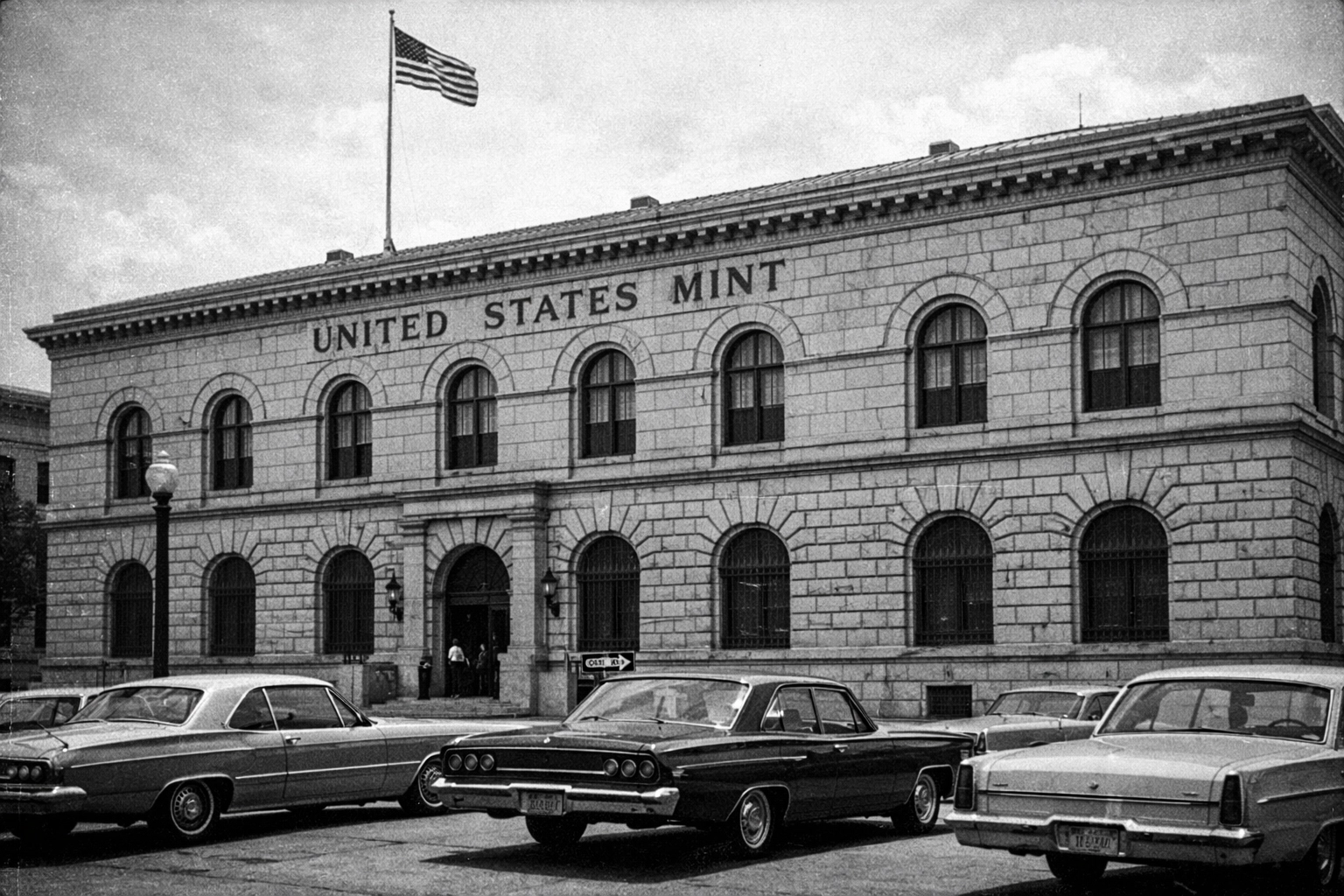
(Placeholder: A black and white historical-style photo of the exterior of the Denver Mint in the 1960s.)
The Birth of a Legend
The Denver Mint didn't waste any time. They fired up the presses and struck a total of 316,076 silver dollars. These weren't the Morgan Dollars your great-grandpa carried; they used the old Peace Dollar dies, the design by Anthony de Francisci that had last been seen in 1935.
They were 90% silver, beautiful, and brand new. But the timing couldn't have been worse. As soon as the news broke that the Mint was making new silver dollars, the numismatic community went into a frenzy. Dealers were already offering $7.50 for a single coin before they were even released!
Congress saw this and flipped out. They realized that these coins wouldn't actually circulate; they would go straight into the pockets of collectors and speculators. It was a PR nightmare. The government was trying to solve a coin shortage, and here they were minting "collector items" that would never see the inside of a vending machine.
The Execution Order
On May 24, 1965, the hammer came down. The program was canceled. The order was simple: Melt them all.
Every single one of those 316,000+ coins was supposed to be tossed back into the furnace. The Mint officials were under strict instructions to ensure that not a single 1964-D Peace Dollar left the building.
But here’s where things get interesting. And by interesting, I mean "the stuff that keeps numismatists awake at night."
Support The Coin Show and never miss an update: subscribe to our newsletter today!
The Weight vs. The Count
When the Mint destroys coins, they usually do it by weight rather than counting every single individual piece. Think about it: counting over 300,000 coins by hand would take forever. It’s much faster to just weigh a giant bin of silver and say, "Yep, that's the right amount of metal. Into the fire it goes!"
This is the "smoking gun" for the survival of the 1964-D.
If you were a Mint employee in 1965, and you happened to have a common 1922 Peace Dollar in your pocket, what’s to stop you from swapping it? You drop your 1922 dollar into the "to be melted" bin and slide a crisp, new 1964-D into your pocket. The weight stays exactly the same. The auditors are happy. The government thinks every 1964-D is gone.
And you? You just walked out with the rarest coin of the 20th century.
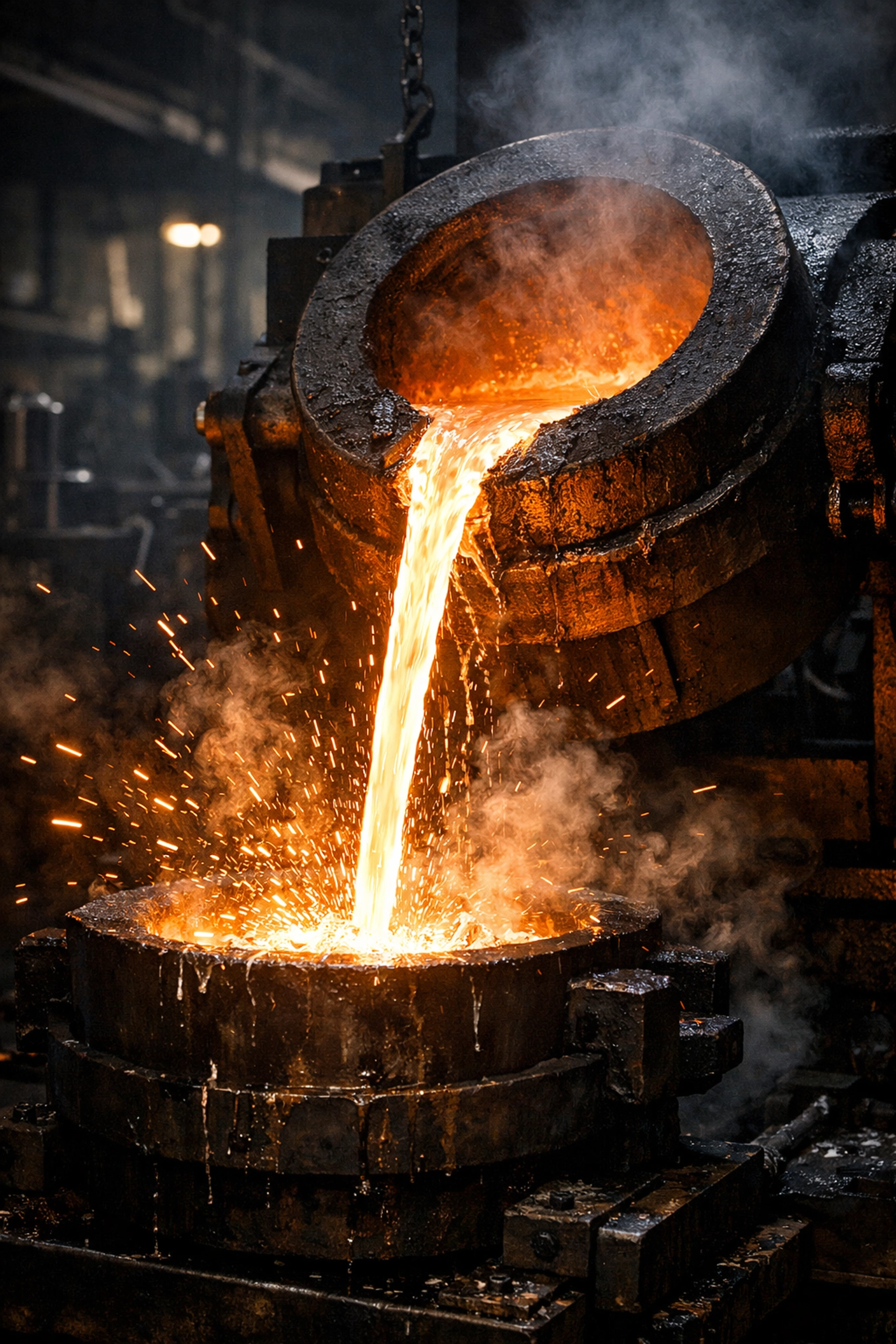
(Placeholder: A dramatic shot of a glowing smelting furnace in a minting facility.)
The Trial Strikes and the "Lost" Two
Official records say that 30 trial strikes were made before the full production run. According to the Mint, 28 of those were melted immediately. What happened to the other two?
They were sent to the Treasury in Washington D.C. for inspection. Records show they sat in a vault until 1970. In 1970, they were supposedly destroyed. But there are no photos of the destruction. No witnesses. Just a line in a ledger.
Rumors have persisted for decades that President LBJ was given a few as souvenirs. Others say Mint Director Eva Adams kept a couple. If you’ve ever looked for rare coin finds, you know that "official" records aren't always the whole story.
The Legal Danger
Here is the kicker: Unlike many other rare coins, the 1964-D Peace Dollar is considered "illegal to own" by the U.S. Government.
Because they were never officially "issued" as legal tender, the government views them as stolen property. It’s the same situation as the 1933 Double Eagle. If you found one today and tried to sell it at a major auction, the Secret Service would likely show up at your door before the auctioneer could even pick up his gavel.
This is why, if any survived, they are "ghosts." They are hidden in private collections, passed down in secret, or buried in safe deposit boxes where the government can't find them.
Look! If you think you've found something rare, you need to know the facts. Check out our back catalog of podcast episodes for expert advice!

(Placeholder: A graphic of a "Top Secret" file folder with "1964-D" stamped on the front.)
Will We Ever See One?
Every few years, a rumor pops up. Someone claims to have seen one at a coin show in a private back-room deal. Someone claims their uncle was a Mint employee who left behind a "special" silver dollar.
So far, not a single authentic 1964-D Peace Dollar has been verified by a third-party grading service like PCGS or NGC. There are plenty of "fantasy pieces" out there: coins struck by private mints over old silver dollars to show what they would have looked like: but an original? Zero. Zilch. Nada.
But that doesn't stop us from looking, does it? That’s the heart of this hobby. The 1964-D Peace Dollar represents the ultimate mystery. It’s the coin that shouldn't be, the survivor of the furnace, the ghost in the machine.

(Placeholder: A macro shot of a 1920s Peace Dollar showing the high-relief details of the Eagle on the reverse for design reference.)
What to Look For
If you’re hunting through a collection and you see a Peace Dollar, check the date!
- Look for the "D" Mint mark: It would be on the reverse, near the eagle’s tail feathers.
- Check the date: 1964.
- The Design: It should look identical to the 1935 version, but with that "D" and the 1964 date.
If you ever actually find one, don't call the news. Call a lawyer. And then call us at The Coin Show, because we’d love to hear the story!
Join the Search!
Numismatics is about more than just filling holes in a folder. It’s about the stories, the history, and the mysteries that keep us hunting. The 1964-D Peace Dollar is the ultimate story.
Don't forget to support the show!
- Check our website for new articles every week!
- Support us on Patreon to keep the lights on!
- Look for us on your favorite podcast app: just search for "The Coin Show"!
Thanks for joining me for Part 5 of our Historical Mysteries series. Keep your eyes peeled and your loupes ready. You never know what might be hiding in that next roll of coins!
Catch you on the next episode!
-Matt Dinger