

7 Mistakes You’re Making with Coin Storage (And How to Fix PVC Damage)
Welcome back to The Daily Mint. If you’ve ever tuned into The Coin Show, you know Matt and the crew spend a lot of time talking about the "finds": the rare dates, the beautiful luster, and the thrill of the hunt. But there is a darker side to numismatics that doesn't get enough play: the slow, quiet destruction of a collection due to bad storage.
You can spend years hunting down a 1916 Standing Liberty Quarter, only to have a $0.05 plastic flip turn it into a green, gooey mess. Today, we’re looking at the seven most common storage sins and, more importantly, how to save your coins if the dreaded "PVC slime" has already set in.
1. The "Golden Touch" (Handling with Bare Hands)
We get it. You want to feel the history. But your skin is a cocktail of oils, sweat, and acids. When you touch a coin’s surface, you’re leaving behind a microscopic biological signature.
At first, you won’t see anything. But skip forward five years, and those oils will have etched a permanent, dark fingerprint into the metal. This is a nightmare for anyone following ANA grading standards, as environmental damage or "disturbed luster" can tank a coin's grade from a Mint State 65 to a "Details" grade in a heartbeat.
The Fix:
Handle coins only by the edges. If you’re dealing with high-end proofs or uncirculated pieces, invest in a pair of lint-free cotton gloves or powder-free nitrile gloves. Also, always work over a soft surface. If that 1794 Flowing Hair Silver Dollar slips out of your fingers, you want it landing on a velvet pad, not a hardwood floor.
2. The PVC Nightmare
This is the big one. Many older or "bulk" plastic flips are made with polyvinyl chloride (PVC). To make the plastic soft and pliable, manufacturers add plasticizers. Over time, these chemicals break down and leach out of the plastic, creating an acidic green residue.
If you see a green, sticky film in the crevices of a coin’s lettering, you have PVC damage. If left long enough, that acid will actually eat into the silver or copper, pitting the surface permanently.
The Fix:
Check your flips. If they are soft, oily, or smell like a new shower curtain, throw them away. Only use Mylar (polyester) flips or hard plastic capsules. If you’re buying at a coin show, many dealers still use PVC flips for temporary transport: move those coins to inert holders the second you get home.
3. The "Ziploc Strategy"
It’s tempting to grab a sandwich bag or some cling wrap from the kitchen to "protect" a coin you just found. Don’t do it. Most household plastics aren't designed for long-term chemical stability. They can trap moisture, and like the cheap flips mentioned above, they often contain chemicals that will cause "milk spots" or ugly toning.
Furthermore, bags allow coins to clink against each other. This creates "bag marks" and rim nicks. Even a few small scratches can turn a high-value coin into a common filler.
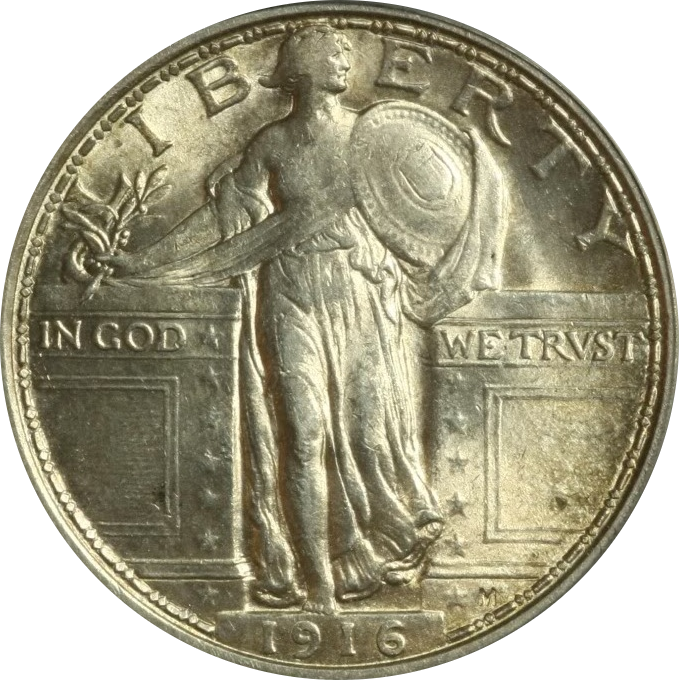
A 1916 Standing Liberty Quarter like this deserves better than a sandwich bag. One scratch on the date and the value plummets.
4. Rubber Bands and Adhesive Tape
We’ve seen it a thousand times: a roll of silver quarters held together by a 20-year-old rubber band that has turned into a crusty, black streak of sulfur. Rubber bands contain sulfur, which reacts violently with silver, causing deep, black, and often irreversible tarnishing.
Similarly, never use Scotch tape or labels directly on a coin or even on the inside of a holder where the adhesive might off-gas. Adhesives leave a residue that is incredibly difficult to remove without "cleaning" the coin (a big no-no in our world).
The Fix:
Use proper plastic coin tubes or paper rolls designed for numismatic use. If you need to label something, write on the outside of the holder or use a dedicated insert.
5. Dangerous DIY Containers
Grandpa’s old cigar box looks cool, but it’s a death trap for coins. Wood (especially cedar and oak) gives off acidic vapors. Cardboard that isn't specifically "acid-free" contains sulfur. Even some Tupperware-style containers can outgas.
If you’re storing a $4.5 million coin like the 1794 Flowing Hair Dollar, you obviously have it in a vault. But even for your "average" collection, the container matters.
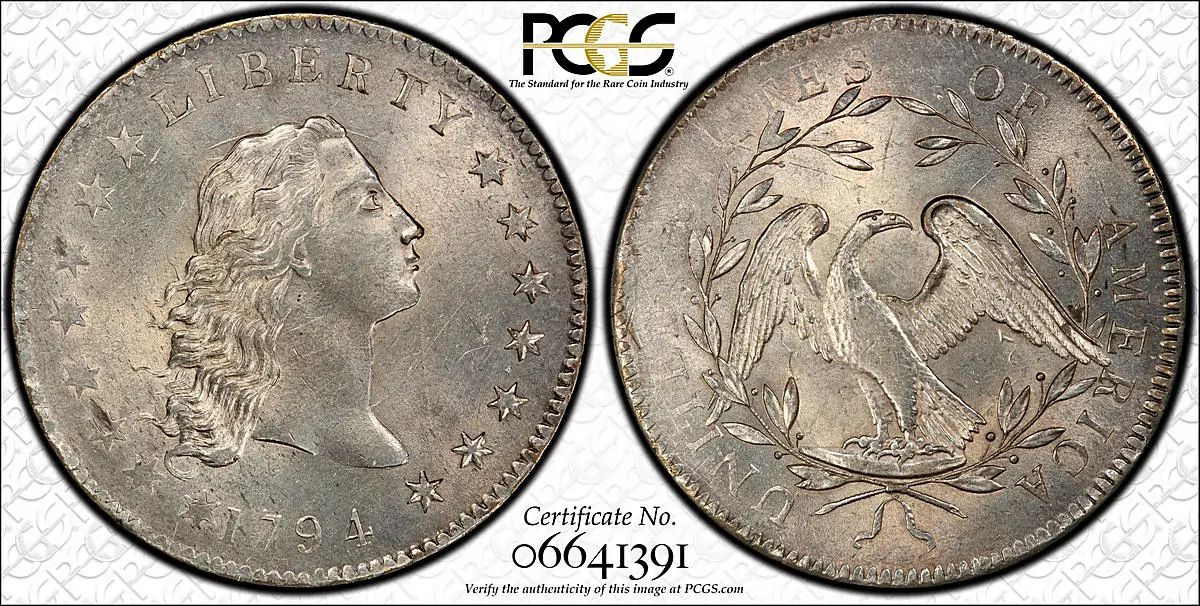
The 1794 Flowing Hair Silver Dollar stayed beautiful for centuries because it avoided the garage and the cigar box.
The Fix:
Stick to archival-quality boxes made of inert plastic or acid-free paper. If you use a safe, make sure it isn't a "fire-safe" that uses a moisture-releasing lining (which creates a humid jungle inside the safe).
6. Ignoring the Environment (The Attic/Basement Trap)
Humidity is the enemy of copper and silver. If you store your collection in an unconditioned basement or a hot attic, you are asking for trouble. Heat speeds up chemical reactions (like PVC breakdown), and humidity leads to corrosion and "verdigris" (that crusty green stuff on copper).
The Fix:
Store your coins in a "people-friendly" environment. If you’re comfortable, they’re usually comfortable. Keep the humidity around 40-50% and use silica gel packets in your storage boxes to soak up any stray moisture.
7. The "Free the Coin" Urge (Cracking Slabs)
Professional grading services like PCGS and NGC provide more than just a grade; they provide a sonically sealed, inert environment. One of the biggest mistakes new collectors make is "cracking" a coin out of its slab because they want to put it in a traditional album.
Unless you are an expert at counterfeit coin detection and high-level grading, keep the coin in the slab. Once it’s out, you lose the guarantee of authenticity and the protection of the holder.
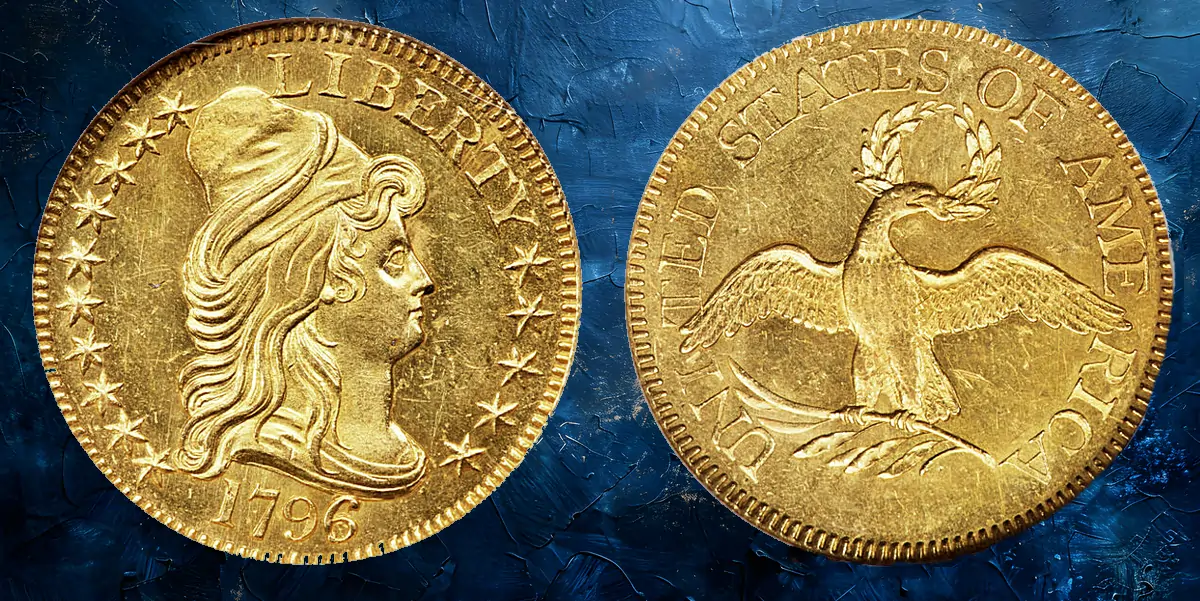
A world-record 1796/5 Half Eagle. Imagine the tragedy of cracking this out just to "feel" the gold.
How to Fix PVC Damage: The Acetone Rescue
If you’ve discovered that some of your coins have developed a sticky green film from old holders, don't panic. You can often stop the damage if you act quickly.
Note: This is "conservation," not "cleaning." We are removing a foreign contaminant, not scrubbing the metal.
The Tools
- Pure Acetone: Buy it from a hardware store (100% pure). Do not use nail polish remover, which contains perfumes and oils.
- Glass Containers: Acetone dissolves plastic. Use a small glass bowl or ramekin.
- Nitrile Gloves: Protect your hands and prevent more oils from reaching the coin.
The Process
- The Soak: Submerge the coin in a fresh bath of acetone. Let it sit for a few minutes. You might see the green goo start to float off.
- The Swish: Gently move the coin through the liquid. Do not rub the coin with a cloth or your fingers. Rubbing creates "hairlines," which will show up under a magnifying glass and ruin the coin's value.
- The Second Bath: If the coin was really bad, move it to a second container with clean acetone to ensure all residue is gone.
- Air Dry: Take the coin out by the edges and let it air dry on a clean, lint-free surface. Acetone evaporates almost instantly.
If the PVC was only on the surface, the coin should come out looking great. If the PVC had already begun to "etch" the metal, the green will be gone, but you might see dull spots or pits where the acid worked its way in.
Keep Learning with The Coin Show
Proper storage is the difference between a collection that appreciates in value and a box of damaged metal. If you want more coin collecting tips, or if you're curious about the latest news: like the upcoming release of the 1776-2026 Emerging Liberty Dime: be sure to check out our numismatic podcast.
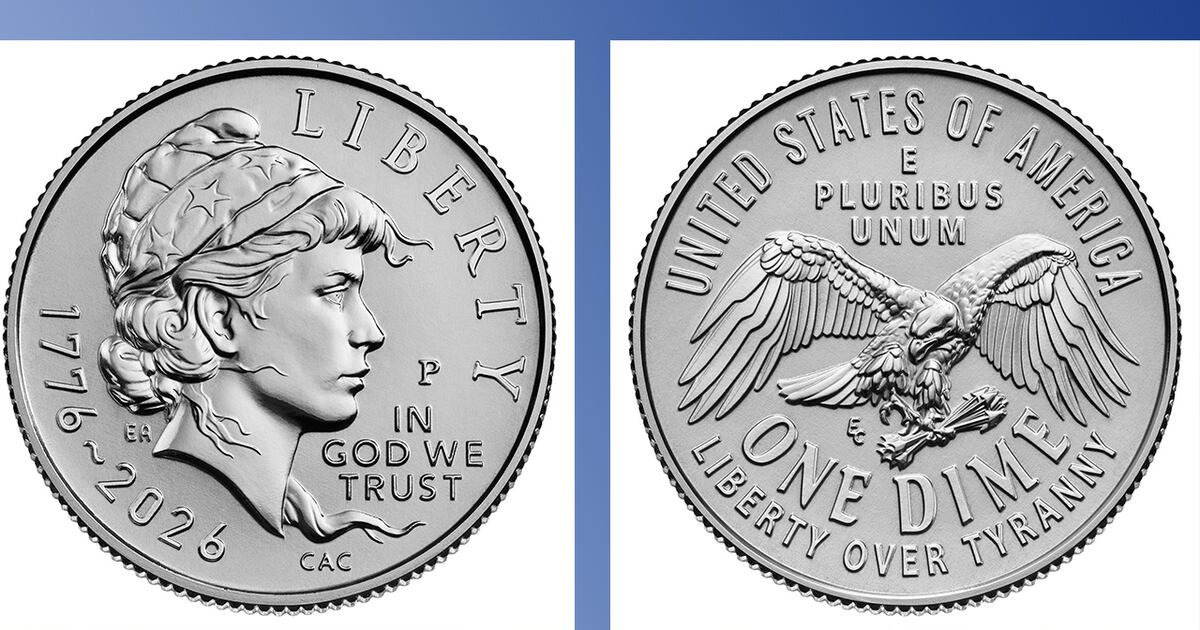
New releases like the Emerging Liberty Dime should go straight into archival protection.
We talk about everything from the history of the 1916 Standing Liberty Quarter to the best ways to navigate your first coin show. Your collection is a piece of history: treat it like one!
Catch you in the next episode of The Coin Show, and until then, keep your coins dry and your flips PVC-free.