
How to Store Your Coin Collection: The Proven Framework for Long-Term Protection
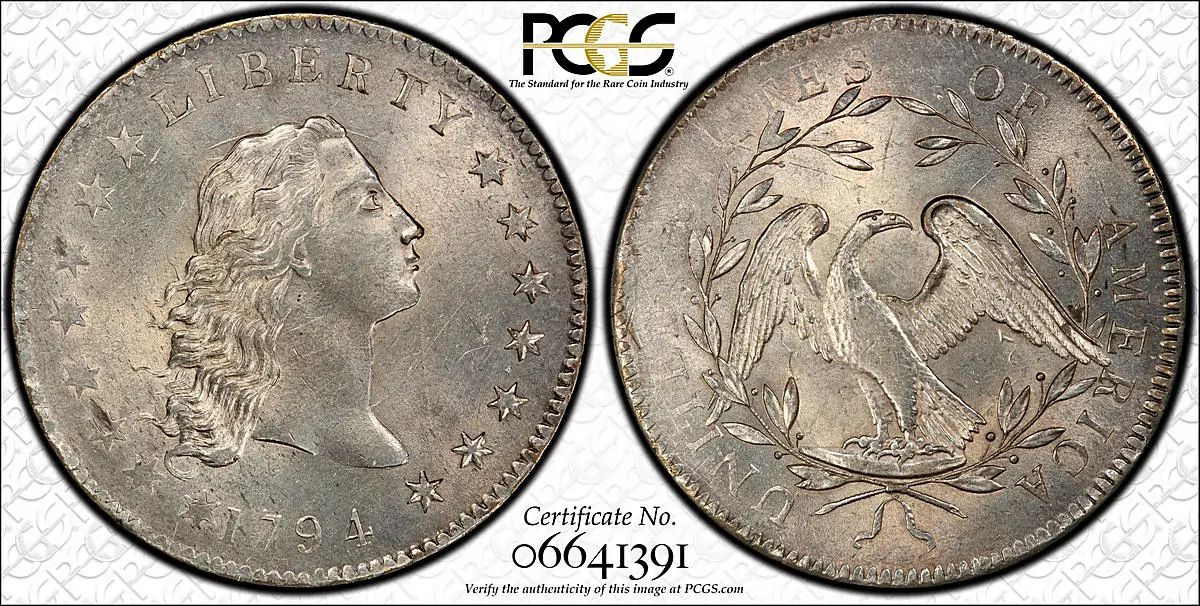
Hey there, fellow collectors! Welcome to another edition of The Daily Mint. If you’ve been hanging out with us on The Coin Show, you know we’re obsessed with the history, the hunt, and that unmatched "thrill of the find." But there is one thing that can turn a "find of a lifetime" into a "lesson learned the hard way" faster than a counterfeit trade dollar: bad storage.
Think about it. You spend years hunting down the perfect specimen for your set, only to pull it out of a drawer five years later and find it’s turned a sickly, sticky shade of green. It’s a heartbreak we’ve all felt at least once. Whether you're a seasoned pro or just starting out after listening to your favorite numismatic podcast, protecting your investment is priority number one.
Today, I’m walking you through a "Proven Framework" for coin storage. We’re going deep on everything from the "green slime" of coin pvc damage to why a standing liberty quarter 1916 needs its own security detail. Let’s dive in.
The Collector's Framework: Why Storage Isn't "One Size Fits All"
When people ask for coin collecting tips, the conversation usually starts with "what should I buy?" But the real question should be "how do I keep what I bought?" Coin storage for collectors isn't just about putting things in a box; it's about managing a tiny, delicate ecosystem.
Coins are made of reactive metals. Silver, copper, and even gold (to a lesser extent) are constantly interacting with the world around them. Our goal is to create a barrier between the history in your hand and the harsh reality of the environment.
The Three Pillars of Protection:
- Chemical Safety: Ensuring the materials touching your coins won't eat them.
- Environmental Control: Managing the air, moisture, and temperature.
- Physical Security: Preventing scratches, "rim dings," and accidental drops.
The Silent Enemy: Environmental Factors
Before we talk about holders, we have to talk about the air in your room. If you store a million-dollar coin in a damp basement, even the best holder in the world can only do so much.
Humidity: The Great Oxidizer
Moisture is the primary catalyst for almost every bad thing that happens to a coin. High humidity leads to "milky spots" on silver and dark, blotchy toning on copper. If you live in a humid climate, your coins are essentially sitting in a slow-motion bath of acid.
Pro Tip: Keep your collection in a "climate-controlled" environment. Usually, the same room you sleep in is the best place for them. If you use a safe, throw in a couple of rechargeable silica gel packs to soak up any excess moisture.
Temperature Swings
Heat accelerates chemical reactions. If your storage materials have any trace of harmful chemicals, a hot attic will bake those chemicals right into the surface of your coins. Sudden changes in temperature can also cause condensation inside "airtight" holders.
Light and Pollutants
Ever seen a coin that looks "sunburned"? While rare, prolonged exposure to UV light can affect some holders and even the toning of certain copper coins. More importantly, keep your coins away from kitchens (cooking oils) and garages (car exhaust/paint fumes).
Chemical Warfare: The PVC Nightmare
This is the big one. If you’ve ever bought coins in those soft, pliable plastic "flips," you might be sitting on a ticking time bomb. Many of those soft holders are made with Polyvinyl Chloride (PVC).
To make PVC flexible, manufacturers add chemicals called plasticizers. Over time, these chemicals break down and release acidic gases. This creates a sticky, green residue on the surface of the coin. If left long enough, that acid will actually pit the metal, permanently damaging the coin’s surface and destroying its value.
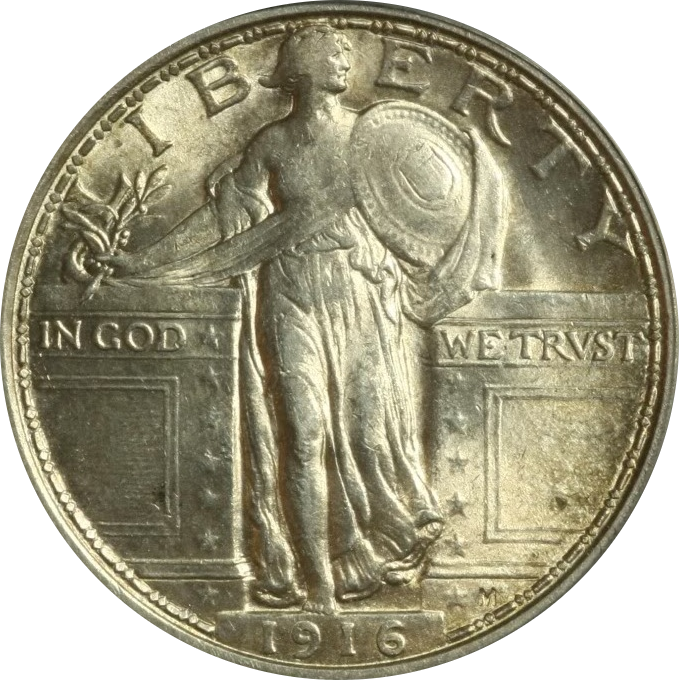
The 1916 Standing Liberty Quarter is a masterpiece of design. Imagine ruining those fine details with a layer of green slime. It’s a nightmare no collector should face.
How to spot it: If a holder feels oily, smells like a new shower curtain, or is extremely "bendy" without creasing, it probably has PVC. Get your coins out of there immediately. Use "unplasticized" flips (often called Mylar flips) or hard plastic capsules.
Phase 1: Individual Protection (Your First Line of Defense)
When considering how to store coin collection items, you have to start with the "container" that touches the metal.
1. Cardboard 2x2s (The Budget King)
These are the cardboard squares with Mylar windows. They are inexpensive, easy to write on, and safe for long-term storage if you use the right ones. Make sure the window is Mylar (polyester), not PVC.
- Pros: Cheap, easy to organize in boxes.
- Cons: Not airtight; staples can scratch other coins if you aren't careful.
2. Mylar Flips
These are the clear, double-pocket plastic holders. They are more rigid than PVC flips and have a distinct "snap" when you bend them.
- Pros: Great for seeing both sides of the coin; no staples needed.
- Cons: Can be sharp on the edges; coins can sometimes slide out.
3. Hard Plastic Capsules (Air-Tites)
These are two-piece, circular holders that snap together. They often include a foam ring to hold the coin snugly.
- Pros: Nearly airtight; provides excellent physical protection.
- Cons: Takes up more space than flips; more expensive.
4. Professional Slabs (The Gold Standard)
If you have a high-value coin: like a 1796-5 Half Eagle: you should strongly consider professional grading and encapsulation.
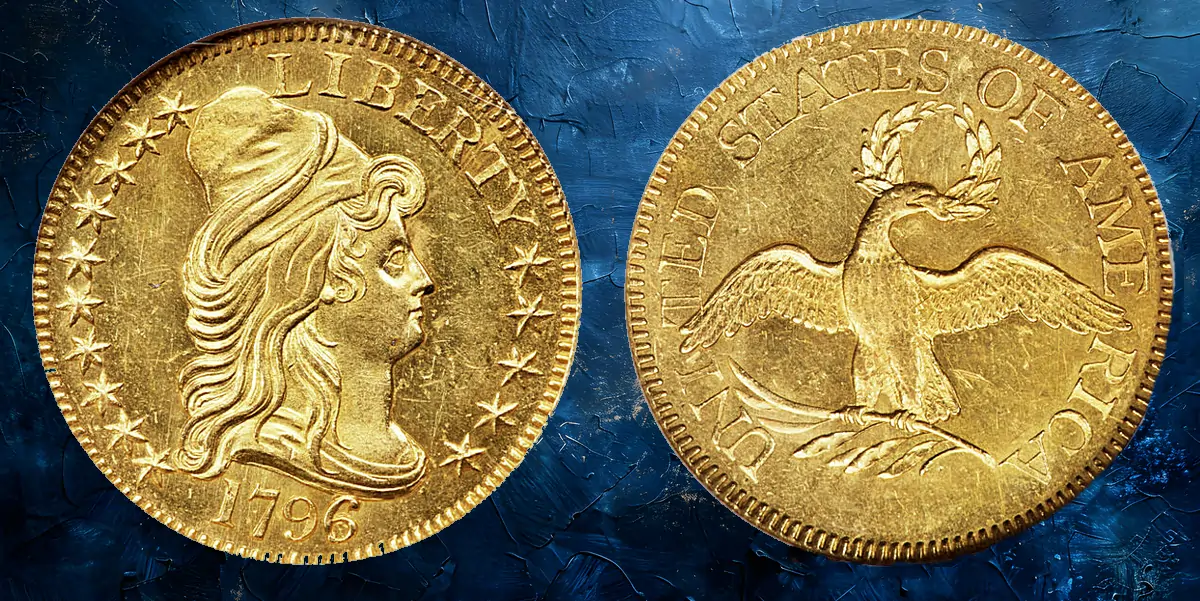
Companies like PCGS and NGC provide a guarantee of authenticity and grade based on ANA grading standards. These "slabs" are sonically sealed and made of archival-safe plastics. For a rare coin, the slab is your insurance policy.
Phase 2: Group Storage (Organizing the Bulk)
Once your coins are in their individual holders, where do they go?
- Slab Boxes: Specifically sized to hold graded coins upright like a filing cabinet.
- 2×2 Boxes: Long cardboard or plastic boxes that hold your 2×2 flips in rows.
- Coin Tubes: Perfect for bulk silver or common date coins. Just make sure the tubes are made of archival-safe plastic (like polypropylene).
- Albums: Be careful here! While albums are fun for "filling the holes," older albums often used sulfur-based cardboard or PVC slides. Always look for "archival safe" or "acid-free" labels when buying albums.
Historical Spotlight: The 1916 Standing Liberty Quarter
Let’s talk about a real-world example of why this matters. The standing liberty quarter 1916 is one of the most famous "key dates" in American numismatics. With a tiny mintage of only 52,000, it is a prize for any collector.
Because of the design (the Type 1 "exposed breast" design that was quickly changed in 1917), these coins were often saved, but they were also heavily circulated. Finding one with "Full Head" detail is the ultimate goal.
According to ANA grading standards, a 1916 SLQ can jump thousands of dollars in value based on just a tiny bit of extra surface preservation. If a collector in 1920 had thrown one of these into a cheap, sulfur-rich paper envelope, it would be a black, corroded mess today. The ones we admire in museums and at a coin show are the ones that were stored with care.
Advanced Tips: Beyond the Box
Counterfeit Coin Detection
Storage isn't just about protection; it's about inspection. When you are moving coins into new storage, take the time to look at them under a 10x loupe. Counterfeit coin detection starts with knowing your coins. Check the weight, the edge lettering, and the "flow lines" of the metal. If something looks "mushy," it might be a fake. Good storage allows you to inspect your coins without touching them.
What is a Coin Show?
If you're feeling overwhelmed by storage options, go to a coin show. What is a coin show? It’s a massive gathering where hundreds of dealers set up tables to buy, sell, and trade. It is the absolute best place to see different storage solutions in person. You can handle the boxes, feel the difference between a PVC flip and a Mylar flip, and talk to experts who have been doing this for decades.
Professional Conservation
If you find a coin with PVC damage, don't just "clean" it with soap and water! Professional conservation services (like NCS) can safely remove residue without destroying the "skin" of the coin. If you want to try it yourself, the industry standard is a bath in 100% pure acetone: but only if you know what you’re doing!
The Modern Era: 1776-2026 Emerging Liberty Dime
Even modern releases deserve respect. Take the 1776-2026 Emerging Liberty Dime, for example.
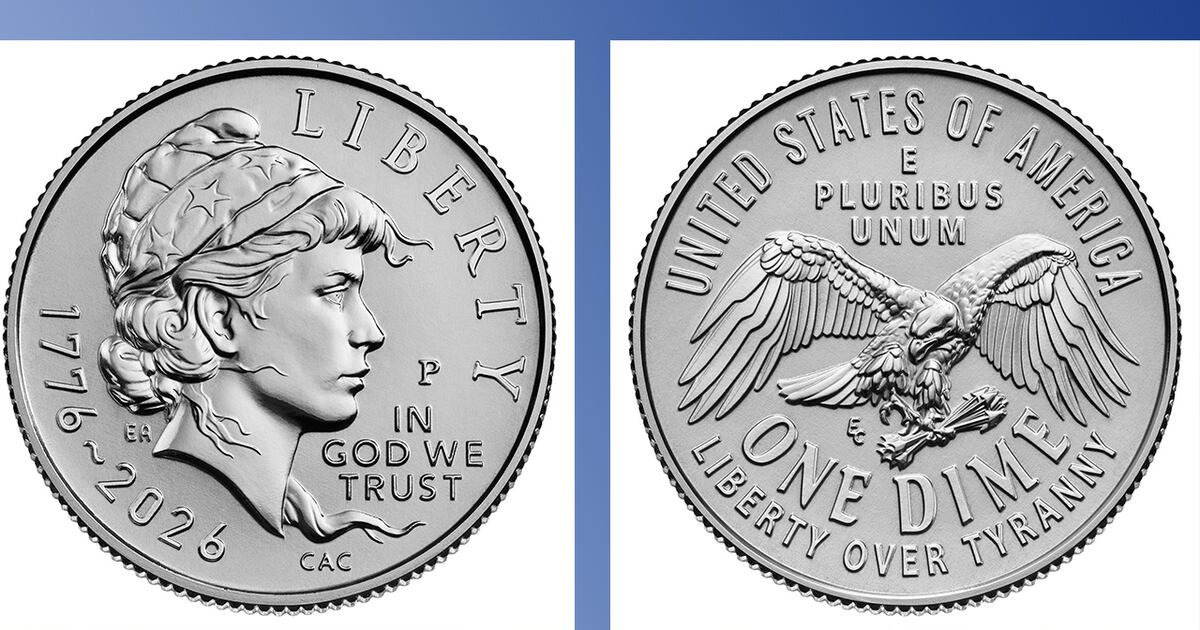
This coin represents a new chapter in U.S. Mint history. If you're lucky enough to snag one from the mint, don't just toss it in a jar. Keep it in its original packaging or move it directly to a high-quality capsule. Today's "pocket change" is tomorrow's family heirloom.
Final Checklist for Your Collection
- Purge the PVC: If it’s soft and smelly, throw it away.
- Go Acid-Free: Use only archival-quality papers and plastics.
- Watch the Humidity: Keep it below 50% if possible.
- No Bare Hands: Use gloves or hold by the edges.
- Audit Regularly: Check your collection every six months for "new" spots or toning.
If you love learning about this stuff, make sure to subscribe to our coin collecting podcast. We do deep dives into everything from the Sheldon scale to the weirdest errors ever found in pocket change.
Protecting your coins is about protecting history. You aren't just a "collector"; you're a curator. Keep 'em safe, keep 'em shiny, and I'll see you at the next coin show!
Happy hunting!