
7 Mistakes You’re Making with Coin Storage (and How to Fix PVC Damage Fast)
You’ve spent years hunting through pocket change, attending every local coin show, and maybe even scoring a big win at a Heritage Auction. But here is the scary truth: your collection might be slowly eating itself alive.
We talk about this a lot on our coin collecting podcast, but it bears repeating: how you store your coins is just as important as how you buy them. One wrong flip or a humid basement can turn a Mint State rarity into a green, pitted mess.
If you want to keep your 1916 Standing Liberty Quarter looking like it just left the mint, you need to avoid these seven common storage blunders.
1. The "Green Slime" Trap: Using PVC Flips
This is the absolute biggest mistake we see. If you’ve ever opened an old album and found your coins covered in a sticky, green goo, you’ve met the PVC monster.
Many older or cheaper "soft" plastic flips contain Polyvinyl Chloride (PVC). Over time, the plasticizers in these holders break down and release acidic chemicals. This creates a green residue that doesn't just sit on the coin: it eventually pits the metal.
The Fix: If a flip feels soft, oily, or smells like a new shower curtain, throw it away. Only use archival-quality, non-PVC holders like Mylar 2x2s or hard plastic capsules.

2. Storing Your Collection in the "Forbidden Zones"
Basements, attics, and garages are where coin collections go to die. Why? Humidity and temperature swings.
Most people don't realize that coins are chemically active. High humidity accelerates toning (which can be good) and corrosion (which is always bad). If you live near the ocean, that salty air is even worse.
The Fix: Keep your coins in a climate-controlled part of your house. Aim for a stable temperature and a humidity level around 40-50%. A silica gel packet inside your storage box is a cheap way to keep things dry.
3. The "Bare Hands" Blunder
It’s tempting to pick up a beautiful coin and feel the history in your hands. But your skin is covered in oils, salts, and acids. One fingerprint on a Proof coin can eventually "eat" into the surface, leaving a permanent mark that no ANA grading standard will overlook.
The Fix: Always handle coins by their edges. Even better, wear clean, white cotton gloves. It might feel a bit extra, but your future resale value will thank you.
4. Cleaning Your Coins (The Cardinal Sin)
We see this all the time on our numismatic podcast. A beginner finds an old silver dollar, thinks it looks "dirty," and takes a cloth or some polish to it.
Stop!
Cleaning a coin with abrasives or chemicals almost always destroys its numismatic value. Collectors want original surfaces and "luster." Scrubbing a coin leaves tiny hairlines that experts can spot from a mile away.
The Fix: In 99% of cases, do nothing. The only exception is removing active contaminants like PVC, which we will get to in a moment.
5. Using Household Items as "Temporary" Storage
"I'll just put these in a Ziploc bag for now."
Famous last words. Sandwich bags, PVC-heavy "school" binders, tape, and even some types of paper envelopes contain sulfur and other chemicals that will tarnish your coins in weeks. Never use tape anywhere near your collection; the adhesive is a nightmare to remove.
The Fix: Spend the ten bucks on a pack of real coin flips. If you are serious about how to store a coin collection, invest in the right tools.

6. Stacking Coins Loosely
If you have a jar of silver coins clinking together, you are creating "bag marks." Every time those coins touch, they leave tiny nicks and scratches on each other. While a few marks are expected on circulation strikes, you don't want to turn an MS65 into an MS60 just by being disorganized.
The Fix: Every coin worth more than its face value should have its own home. Whether it's a 2×2, a capsule, or a professional slab, keep them separated.
7. Ignoring Security and Insurance
You might think your coins are safe in a desk drawer, but what about fire or theft? Most homeowners' insurance policies have very low limits for "money and securities," which often includes coin collections.
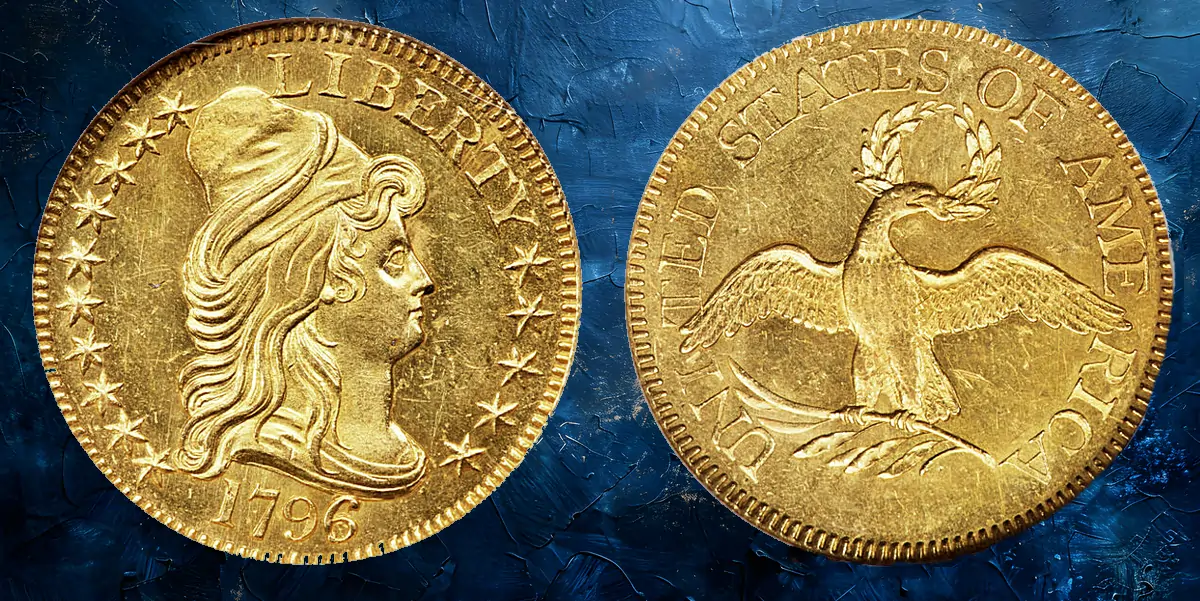
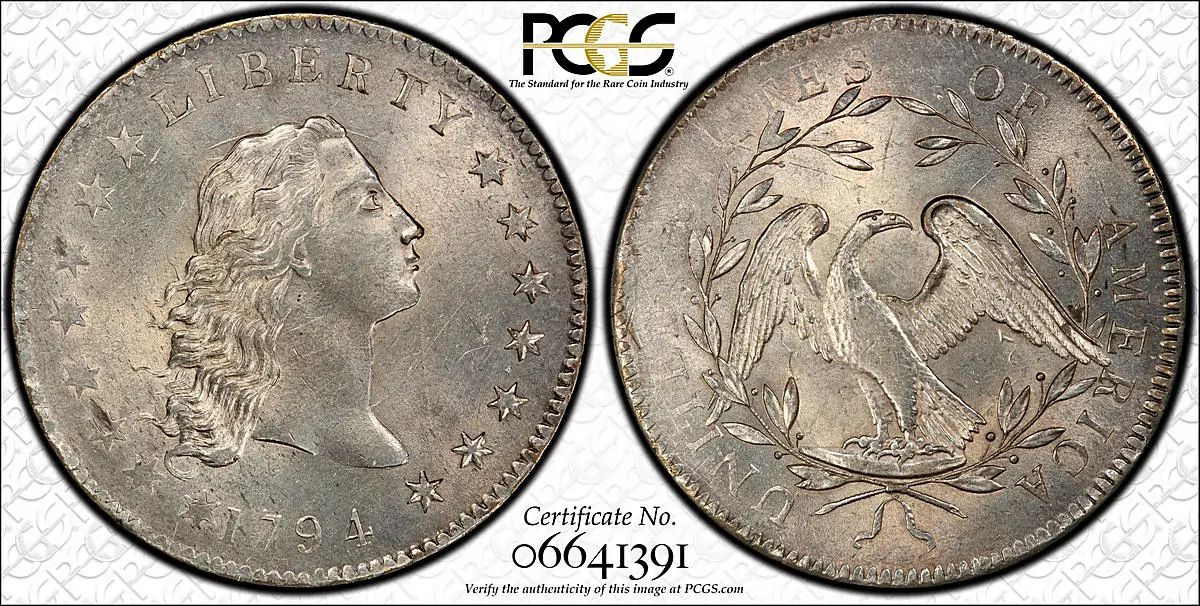
The Fix: If you have high-value pieces like a 1796 Half Eagle or a 1794 Flowing Hair Dollar, you need a proper safe (bolted to the floor) or a bank safe-deposit box. Also, look into specialized collectibles insurance.
How to Fix PVC Damage Fast (The Acetone Method)
If you’ve discovered that "green slime" on your coins, don't panic. If you catch it early, you can often remove the residue before it pits the metal. Here is how the pros do it using the Acetone Method.
Disclaimer: This is for removing organic residue like PVC. It will not "clean" a coin or remove toning. If you have a multi-thousand dollar coin, send it to a professional service like NCS (Numismatic Conservation Services) instead of doing it yourself.
What You Need:
- 100% Pure Acetone (Available at hardware stores. Do NOT use nail polish remover; it contains perfumes and oils).
- Two small glass containers (Acetone melts plastic!).
- Distilled water.
- Cotton gloves.
The Steps:
- The First Soak: Pour enough acetone into your glass dish to cover the coin. Let it sit for 2-5 minutes. You might see the green residue begin to dissolve or float away.
- The Swish: Gently move the coin through the liquid (holding only by the edges!). Do not rub the surface.
- The Second Soak: Move the coin to a second glass dish with fresh, clean acetone. This ensures any residue from the first bath isn't redeposited on the coin.
- The Rinse: Briefly dip the coin in distilled water to remove any remaining acetone.
- The Dry: Set the coin on a soft, lint-free towel and let it air dry. Do not pat or rub it dry.
Acetone is highly flammable and the fumes are strong, so do this in a well-ventilated area away from any flames. Once the coin is dry and the green is gone, immediately put it into a new, PVC-free holder.
Final Thoughts for the Savvy Collector
Storage isn't the most glamorous part of the hobby. It’s much more fun to talk about counterfeit coin detection or the history of the Standing Liberty Quarter 1916. But if you don't get the storage right, those beautiful coins won't be around for the next generation.
Take an hour this weekend to audit your collection. Look for the green slime, check your humidity levels, and get those loose coins into proper holders.
Want more coin collecting tips? Tune into The Coin Show Podcast where we dive deep into the world of numismatics every week. Whether you're a beginner or a seasoned pro, we’ve got something for you.