
The Ultimate Guide to Coin Collecting Tips: Everything You Need to Succeed with Our Numismatic Podcast
Welcome to "The Daily Mint," your quick stop for everything happening in the world of coins. Whether you are just starting to check your pocket change or you have a safe full of gold, there is always something new to learn. At The Coin Show, we believe the best way to enjoy this hobby is through community and education.
That is why we do our coin collecting podcast. We talk about the history, the market, and the technical side of numismatics in a way that is easy to understand. Here is a guide to some of the most important tips we have shared over the years to help you succeed.
1. Protecting Your Treasures: The PVC Menace
When people ask how to store coin collection properly, the first thing we tell them is to watch out for PVC. Many older or cheaper coin holders are made with polyvinyl chloride (PVC). Over time, the chemicals in these holders break down.
They leave a sticky, green "slime" on your coins. This coin pvc damage is not just ugly; it can eat into the surface of the metal and ruin the value forever.

Coin storage for collectors should always be PVC-free. Look for holders made of "Mylar" or non-plasticized materials. If you see green residue on a coin, do not try to scrub it off! You might cause more damage. Instead, seek professional advice or listen to our numismatic podcast episodes where we discuss safe conservation.
2. Understanding ANA Grading Standards
How much is a coin worth? It almost always comes down to the grade. In the United States, we follow the ana grading standards developed by the American Numismatic Association. This is a 70-point scale.
- 1 (Poor): You can barely tell what the coin is.
- 70 (Mint State): A perfect coin with no flaws, even under a microscope.
Learning the difference between an AU-58 (About Uncirculated) and an MS-60 (Mint State) can save you hundreds of dollars. The best way to learn is to look at as many coins as possible. Compare your coins to photos in a grading guide or at a show.
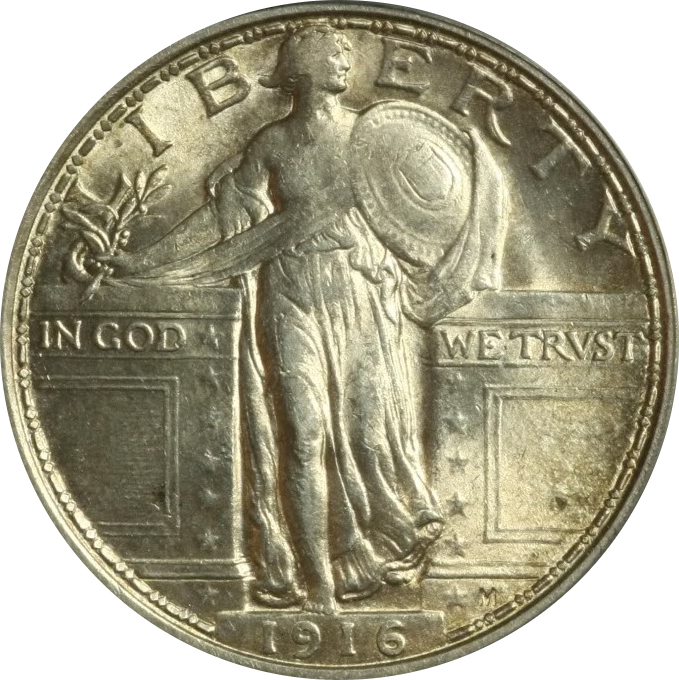
3. The Legend of the Standing Liberty Quarter 1916
Every collector has a "dream coin." For many, it is the standing liberty quarter 1916. This was the very first year of the series, and it is incredibly rare. Only about 52,000 were minted.
Most people recognize the 1916 because it is a "Type 1" design. Liberty has her right breast exposed, which caused a bit of a scandal back then. In 1917, the Mint changed the design to cover her in chain mail. If you ever find a genuine 1916 in your hands, you are holding a true piece of American history.
4. Don't Get Fooled: Counterfeit Coin Detection
As coins get more valuable, fakes become more common. Counterfeit coin detection is a skill every serious collector needs. You don't need a lab, but you do need a few simple tools:
- A Magnet: Most silver and gold coins are not magnetic. If it sticks, it’s a fake.
- A Digital Scale: Authentic coins have a very specific weight. If a silver dollar is too light, it's a red flag.
- A Loupe: Look for "mushy" details or casting bubbles.
We have a detailed guide on counterfeit coin detection secrets that you should definitely check out before buying your next big piece.
5. What is a Coin Show and Why Go?
If you have only ever bought coins online, you are missing out. So, what is a coin show? It is a room (sometimes a massive convention hall) filled with hundreds of dealers, collectors, and experts.

At a show, you can:
- Hold coins in your hand before buying.
- Get free advice from veteran dealers.
- Find rare items that never make it to eBay.
- Meet Matt and the crew from The Coin Show!
It is the best place to use those coin collecting tips you have been practicing. Just remember to bring a magnifying glass and a "want list" so you don't get overwhelmed.
6. History in Your Hands
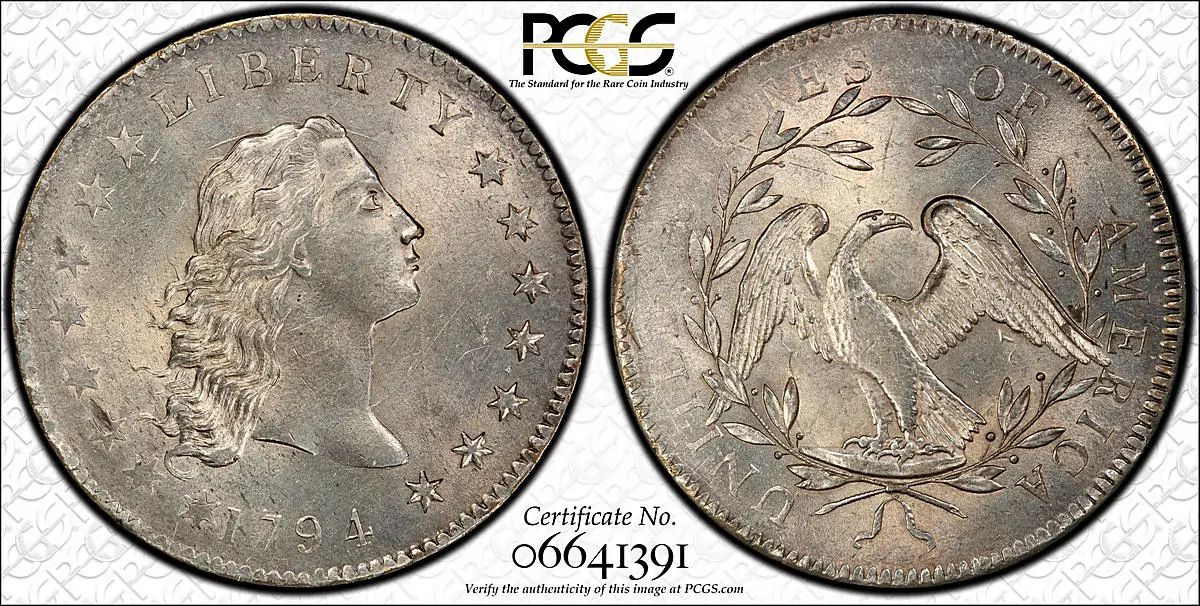
One of the coolest things about this hobby is the stories. Take the 1794 Flowing Hair Silver Dollar. It was the first dollar coin ever struck by the U.S. Mint. Holding a coin like that is like holding a piece of the American Revolution.
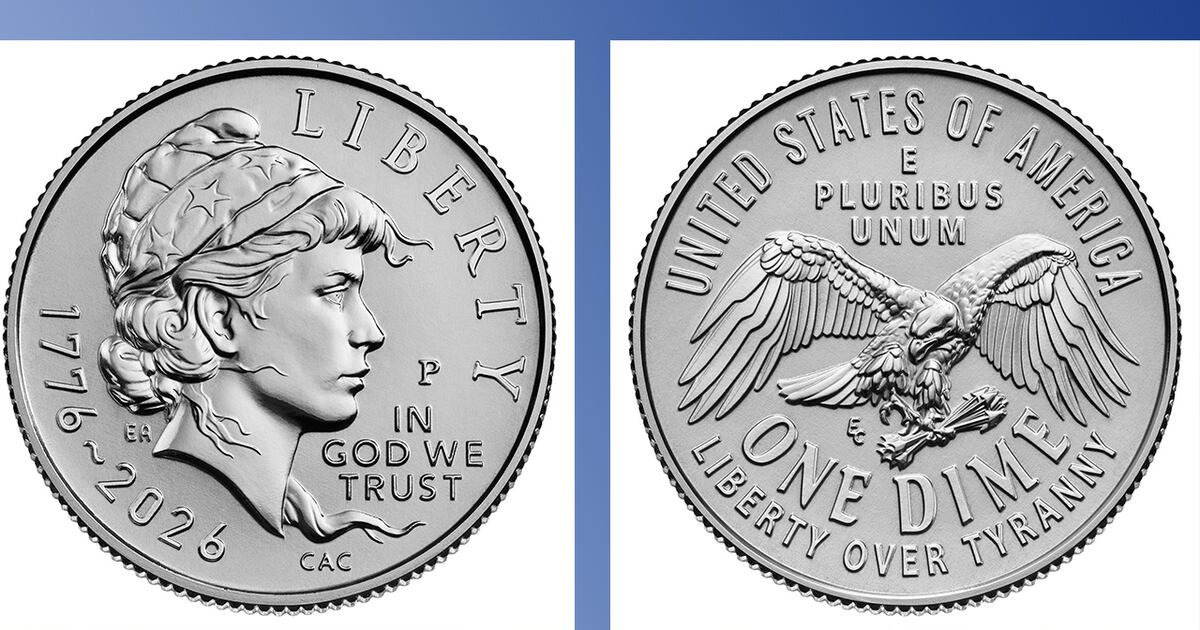
Even modern coins have stories. The U.S. Mint is constantly coming up with new designs, like the 1776-2026 Emerging Liberty Dime coming out soon.
Keep Learning with The Coin Show
Collecting coins is more than just a hobby; it’s a way to connect with history and build a legacy. We want to help you do it the right way.
If you want more tips, stories, and news, subscribe to our coin collecting podcast. We break down the complicated stuff and keep it fun. You can find us at www.coinshowradio.com or wherever you get your podcasts.
Keep your eyes on your change and your coins in inert holders. Happy collecting!