
7 Mistakes You’re Making with Coin Storage (and How to Fix Them)
Hey there, and welcome to another edition of The Daily Mint. I’m Matt Dinger, host of The Coin Show podcast, and today we’re talking about something that keeps many of us up at night: the slow, creeping destruction of our favorite coins.
We’ve all been there. You find a beautiful piece at a local shop or a coin show, bring it home, and tuck it away for safekeeping. But "safekeeping" is a relative term. If you’re not careful, the very place you’re using to protect your collection might be the thing that’s slowly eating away at its value.
Whether you’re a veteran listener of our numismatic podcast or a total beginner looking for coin collecting tips, these storage blunders are universal. Let’s look at the seven most common mistakes and how you can fix them before your investments turn into expensive paperweights.
1. The "Golden Touch" (Handling with Bare Hands)
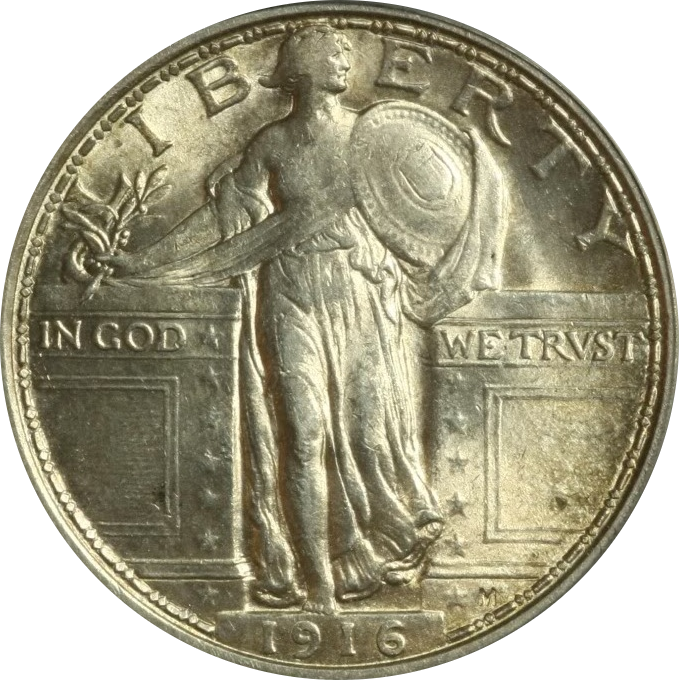
It’s tempting. You have a beautiful 1916 Standing Liberty Quarter in your hand, and you want to feel the history. But your skin is essentially a chemical cocktail of oils, salts, and acids.
When you touch the surface of a coin, you’re leaving behind a fingerprint that might not be visible today. However, in five or ten years, those oils will react with the metal, resulting in a permanent, ugly brown stain. On a high-grade coin, a single fingerprint can slash the value by hundreds or even thousands of dollars.
The Fix: Always handle coins by the edges. Even better, invest in a pair of lint-free white cotton gloves. If you’re serious about how to store a coin collection, handling is the first step of the storage process.
2. The PVC Nightmare
If you’ve ever opened an old album and noticed your coins have a strange, gooey green tint, you’ve met the "PVC Nightmare." Many older soft plastic flips and pages were made with polyvinyl chloride (PVC). Over time, the chemicals in the plastic break down and release an acidic gas that reacts with the copper and silver in your coins.
The Fix: Check your flips. If they are soft, oily, or smell like a new shower curtain, get your coins out of there immediately. Replace them with non-PVC, archival-safe flips (usually made of Mylar).
If you already have green residue, don’t panic and start scrubbing with a toothbrush. The best way to fix coin PVC damage is a quick soak in 100% pure acetone (not nail polish remover) in a glass container. It dissolves the PVC without hurting the metal.
3. The "Ziploc" Strategy
We get a lot of emails at our coin collecting podcast asking if standard kitchen storage bags are okay for bulk coins. The short answer: No.
Ziploc bags are great for sandwiches but terrible for coins. They offer almost zero physical protection, and they aren't airtight. They can trap moisture against the coin, leading to oxidation and spotting. Plus, like the PVC flips, many household plastics contain additives that shouldn't be near your silver or gold.
The Fix: Use individual tubes or 2×2 cardboard holders for your coins. If you have a large amount of "junk" silver or bulk wheat cents, specialized plastic coin tubes are inexpensive and provide a much better seal against the elements.
4. Rubber Bands are the Enemy
This is a classic mistake often found in "inherited" collections. Someone takes a stack of silver dollars, wraps a rubber band around them to keep them together, and puts them in a drawer.
Rubber bands contain sulfur. As they age and degrade, that sulfur reacts with the metal, leaving black, ugly "rubber band marks" that are nearly impossible to remove without "cleaning" the coin (which, as we know, is a cardinal sin in numismatics).
The Fix: Never use rubber bands near your coins. Use plastic coin tubes or specialized storage boxes designed for coin storage for collectors.
5. Dangerous Paper Envelopes
You might think a paper envelope is safe: after all, it’s just paper, right? Wrong. Most standard office envelopes and craft papers are highly acidic and contain sulfur used in the manufacturing process. This leads to rapid, often unattractive toning that can pit the surface of the metal.
The Fix: If you prefer envelopes for organizing, you must use acid-free, archival "sulfite-free" coin envelopes. These are specifically manufactured for long-term numismatic storage and won't turn your silver black.
6. Ignoring the Environment (Humidity and Heat)
Where you store your collection is just as important as what you store it in. Storing your coins in a damp basement or a hot attic is a recipe for disaster. High humidity causes copper to spot and silver to tarnish aggressively. Extreme heat can cause plastic holders to warp or release gasses faster.
The Fix: Keep your collection in a cool, dry place. If you use a safe, make sure to include a silica gel dehumidifier pack to keep the humidity between 40-50%. If you’re wondering what is a coin show’s best kept secret for storage, it’s often just a climate-controlled room and plenty of silica.
7. Cracking the Slab (The "Crack-Out" Curse)
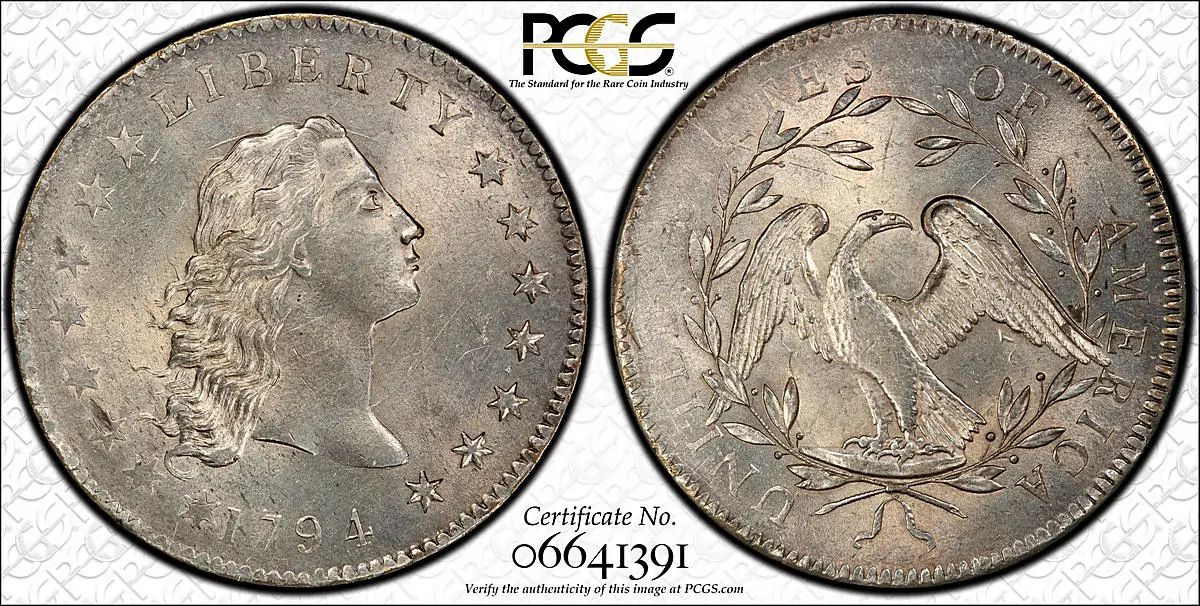
We’ve all seen a coin in a PCGS or NGC holder and thought, "I bet that would look better in my album." But unless you are an expert in ANA grading standards, cracking a coin out of its protective slab is a massive risk.
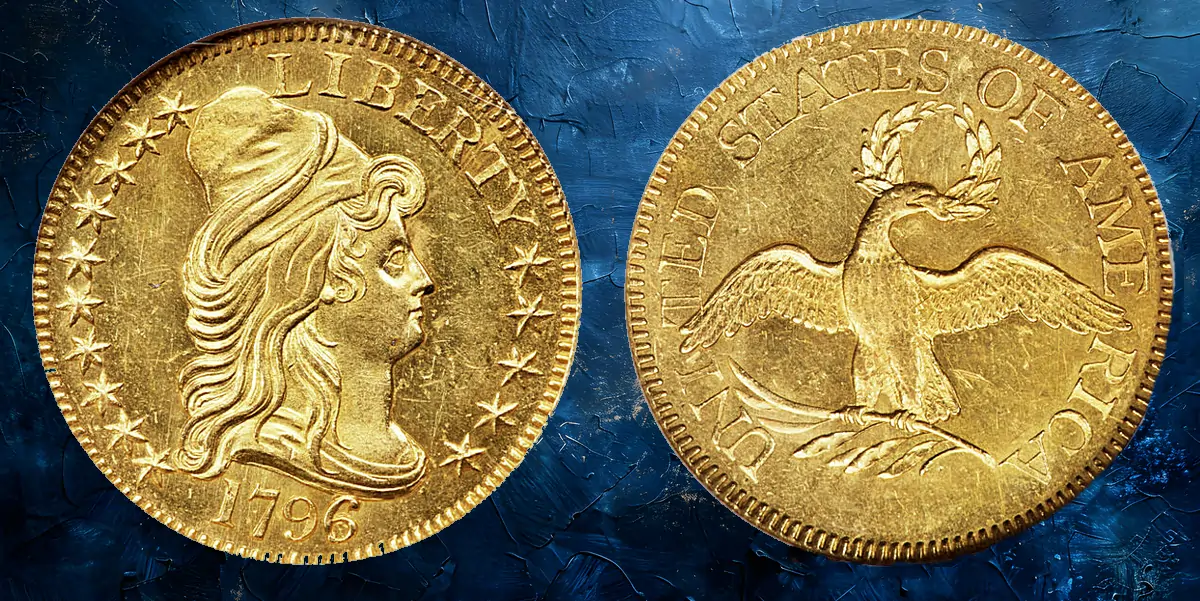
The slab isn't just a piece of plastic; it’s a guarantee of authenticity and a professional grade. For high-value coins, like a 1794 Flowing Hair Dollar or a rare gold Half Eagle, the slab is what makes the coin liquid in the market. Removing it can make future buyers suspicious and makes counterfeit coin detection much harder for the average collector.
The Fix: Keep your graded coins in their slabs. If you hate the look of the plastic, there are specialized albums designed to hold slabs, allowing you to enjoy the "book" feel without sacrificing the protection and value of the certification.
Historical Interlude: The Fate of the 1916 Standing Liberty Quarter
To understand why storage matters, look at the 1916 Standing Liberty Quarter. When these were first released, the design featured a bare-chested Liberty. Public outcry led to a design change in 1917, making the 1916 a massive rarity.
Because many of these were stored in "Whitman" style blue folders that left the obverse exposed to the air and the acidic cardboard of the time, finding a 1916 SLQ with original "mint luster" is incredibly difficult. Most are worn or have "cabinet friction" from sliding around in poor storage. Today, the difference between a poorly stored 1916 SLQ and a properly preserved one is tens of thousands of dollars.
Why This Matters for the Future
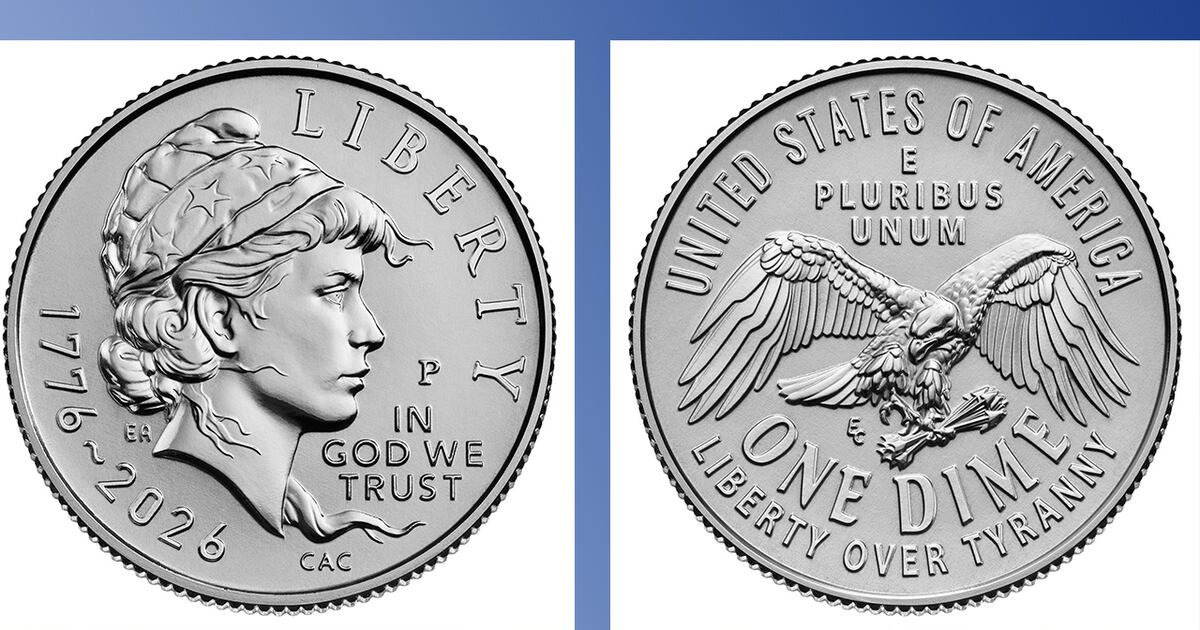
As we look toward new releases, like the 1776-2026 Emerging Liberty Dime, we have a chance to get things right from day one. When you pull a fresh coin from a Mint set, don't just toss it in a drawer. Use the coin collecting tips we’ve discussed: use non-PVC flips, avoid skin contact, and keep the environment stable.
Preserving a collection is about more than just maintaining value; it’s about being a good steward of history. These coins will likely outlive us all, provided we don't let a rubber band or a Ziploc bag destroy them first.
If you want to hear more about coin care and the latest news in the hobby, be sure to tune in to The Coin Show podcast. We dive deep into these topics every week, helping you navigate the world of numismatics with confidence.
Until next time, keep your hands off the surfaces and your coins out of the basement. Happy collecting!