
7 Mistakes You’re Making with Coin Storage (and How to Fix Them)
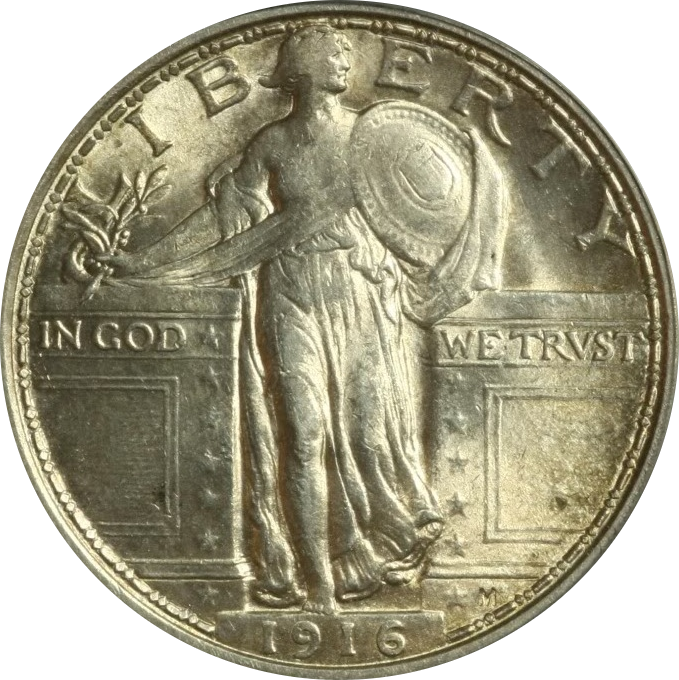
Welcome back to The Daily Mint, your go-to spot for keeping your collection in top-tier shape. If you’ve spent any time listening to The Coin Show podcast, you know we’re obsessed with the details. Whether you’re hunting for a rare 1916 Standing Liberty Quarter or just filling a Whitman folder with pennies, how you store your coins is just as important as how you find them.
A lot of collectors: beginners and veterans alike: accidentally damage their best pieces without even realizing it. We aren't talking about dropping them on the floor (though that’s bad too). We’re talking about "silent killers" like chemical reactions and humidity.
Here are the 7 biggest coin storage mistakes we see and exactly how you can fix them before your coins lose their luster (and their value).
1. The PVC "Green Slime" Trap
This is the number one enemy of coin collectors. Back in the day, soft plastic flips and album pages were made with polyvinyl chloride (PVC). PVC makes plastic flexible and "floppy," which feels nice to the touch, but it’s a disaster for coins.
Over time, the PVC breaks down and releases acidic gases. This creates a sticky, green residue on the surface of your coins: often called "green slime." If left long enough, this slime will actually eat into the metal, causing permanent pitting and corrosion.
The Fix: Use only PVC-free, archival-quality holders. Look for flips made of Mylar or polypropylene (often called "Saflips"). If you have old, soft, oily-feeling albums, get your coins out of there immediately. If your coin already has that green tint, don't scrub it! You may need to consult a professional for counterfeit coin detection or conservation services like NCS to see if it can be saved.
2. Fingerprints are Forever
It’s tempting to pick up a beautiful silver dollar to show it off, but your skin is a chemistry set. Your fingers carry oils, sweat, and salts that are naturally acidic. When you touch the flat, mirror-like "fields" of a coin, those oils start a slow chemical reaction.
A fingerprint might not show up today, but five years from now, it could be etched into the metal as a dark, permanent stain. For high-grade coins that meet ANA grading standards, a single fingerprint can be the difference between a high-value Mint State grade and a "Details" grade.
The Fix: Always handle coins by their edges. Imagine the coin is a tiny record: never touch the surface. For your most valuable pieces, wear lint-free cotton gloves or powder-free nitrile gloves.
3. Storing in the "Danger Zones"
Where do most people put their coin collections? Usually the attic, the basement, or a garage. These are the three worst places you could choose.
- Attics get incredibly hot, which accelerates the breakdown of plastic holders.
- Basements are damp, and humidity causes oxidation (toning) and rust on steel coins.
- Garages have massive temperature swings that can cause condensation inside holders.
The Fix: Store your collection in the "Human Zone." If you are comfortable, your coins are probably comfortable. A cool, dry closet in the main part of your house is ideal. If you use a safe, toss in a few silica gel packs to soak up any stray moisture.
4. The "Loose Change" Shuffle
If you have a jar or a bag filled with loose coins, you’re creating "bag marks." Every time that jar is moved, the coins rub against each other. This creates tiny scratches and nicks that ruin the "luster" of a coin.
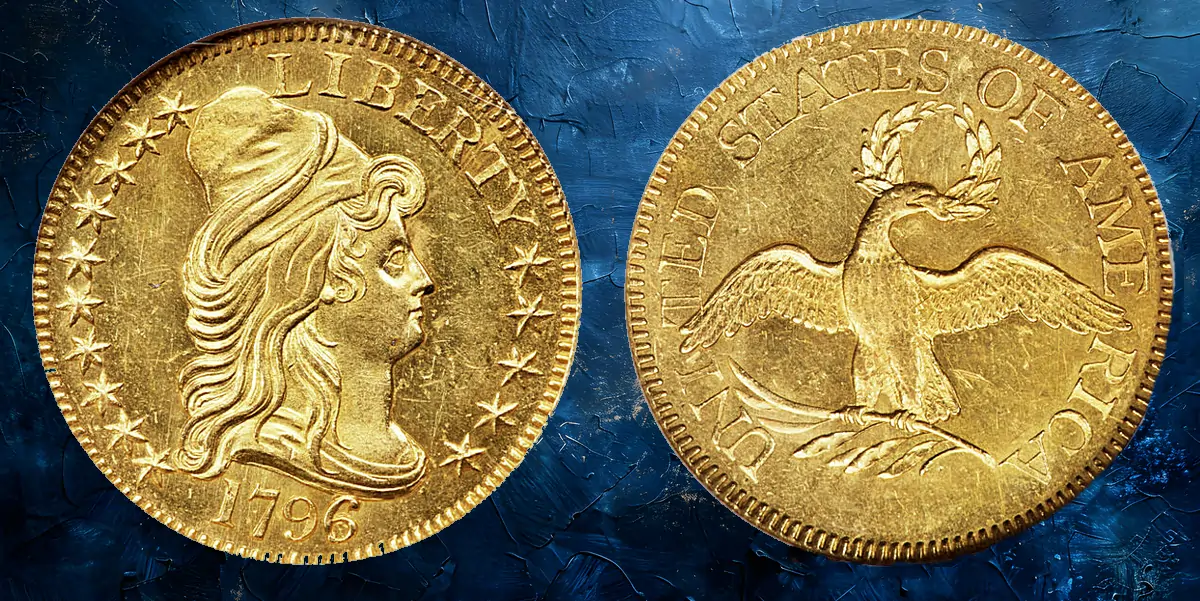
Even if the coins aren't rare yet, keeping them loose prevents them from ever becoming high-grade collectibles. You wouldn't store a 1796/5 Half Eagle in a Ziploc bag with some quarters, right?
The Fix: Give every coin its own "apartment." Use individual 2×2 cardboard flips, plastic capsules, or coin tubes for bulk silver. Keeping them stationary is the goal.

5. Office Supply Sabotage
We’ve seen it all: coins taped to cardboard, held together with rubber bands, or stored in manila envelopes.
- Tape leaves a sticky residue that is nearly impossible to remove without damaging the coin.
- Rubber bands contain sulfur, which will turn your silver coins black and ugly in a matter of months.
- Standard envelopes contain acids that will discolor your coins over time.
The Fix: Only buy supplies from reputable numismatic dealers. If you're wondering where to find these, visiting a local coin show is a great way to see different types of albums and holders in person before you buy.
6. The "Pre-Storage" Shine (Cleaning)
This is the most painful mistake to witness. A collector finds an old coin, thinks "this would look better if it were shiny," and grabs the baking soda or silver polish.
STOP.
Cleaning a coin almost always destroys its value. Amateur cleaning leaves "hairline" scratches that professional graders spot instantly. A dirty, original coin is worth significantly more than a shiny, cleaned one.
The Fix: Leave them alone. If you feel a coin must be cleaned because of active PVC damage, use a pure acetone soak (not nail polish remover!), but only if you know exactly what you’re doing. When in doubt, ask an expert on a numismatic podcast or at your local club.
7. The Security Blind Spot
You’ve spent years building a collection. You have it stored in the right flips, in a dry room, and you never touch the surfaces. But is it safe? Many collectors forget that a heavy coin collection is a target for theft and fire.
Storing $10,000 worth of coins in a $50 "fire box" from a big-box store isn't enough. Most of those boxes are designed for paper, not metal, and they can actually trap moisture inside, harming your coins.
The Fix: Invest in a high-quality, UL-rated fire and burglary safe. Bolt it to the floor. Also, check your homeowner’s insurance. Most standard policies have a very low limit for "money and securities." You likely need a specific "collectible" rider or a third-party insurance provider to cover the true value of your numismatic treasures.
Wrapping It Up
Coin collecting is a marathon, not a sprint. Proper storage ensures that your 1916 Standing Liberty or your first Buffalo Nickel looks just as good fifty years from now as it does today.
If you want more coin collecting tips, make sure to subscribe to The Coin Show on your favorite podcast app. We dive deep into the hobby, interview the experts, and help you navigate the world of numismatics without the "green slime" headaches.
Got a storage horror story? Or maybe a tip we missed? Let us know! Until then, keep those hands clean and those flips PVC-free.