
7 Mistakes You’re Making with Coin Storage (And How to Fix PVC Damage)
Welcome back to The Daily Mint! Whether you’ve been at this for decades or you just found a weird-looking quarter in your laundry, we’re glad you’re here.
Coin collecting is a blast, but it’s also a responsibility. You are essentially a temporary curator for a piece of history. If you’re a fan of our coin collecting podcast, you’ve heard us talk about "surface preservation" until our voices go hoarse. Why? Because a single fingerprint or a bad plastic flip can turn a four-figure coin into a piece of scrap metal.
Today, we’re diving into the seven most common storage mistakes we see. We’ll also cover the dreaded "green slime" (PVC damage) and how to handle it.
The High Stakes of 1916: A Standing Liberty Story
Before we get into the "dos and don'ts," let’s talk about a coin that highlights why storage matters so much: the Standing Liberty Quarter 1916.
This coin is a legend. It was the first year of a brand-new design by Hermon MacNeil. It features a beautiful, militaristic Liberty walking through a gate. But here’s the thing: it’s notoriously fragile. The date was raised slightly, meaning it wore away almost immediately in circulation.

When you find a 1916 SLQ with a full date, it’s like finding a unicorn. But many of these coins were ruined not by pockets, but by the very albums people put them in. Early 20th-century paper and glue were often acidic. If you put a pristine 1916 quarter into a cheap paper envelope in 1920, by 1950, it was likely toned to a dull, ugly black.
If you want to keep your coins looking like the day they were minted, you need a plan.
1. The PVC Trap (The "Green Slime")
This is the biggest killer of modern coin collections. PVC (polyvinyl chloride) is a chemical used to make plastic soft and pliable. You’ll find it in those cheap, soft, "flippy" plastic holders often sold at non-specialty stores or given away by low-end dealers.
Over time, PVC breaks down and releases hydrochloric acid. This creates a sticky, green, oily film on the coin. If left long enough, that "green slime" will eat permanent pits into the silver or copper.
How to Fix PVC Damage
If you see green goo on your coins, don't panic: but do act.
- Identify the residue: If the coin is sticky or has green spots and it’s in a soft, "smelly" plastic holder (like a new shower curtain), it’s PVC.
- The Acetone Solution: Collectors and conservationists use 100% pure acetone (not nail polish remover!) to dissolve PVC.
- The Soak: Place the coin in a glass jar with enough pure acetone to cover it. Let it sit for a few minutes. The PVC should slide right off.
- Safety First: Acetone is highly flammable and the fumes are strong. Do this in a well-ventilated area away from any sparks.
- No Rubbing: Never rub the coin with a cloth or your fingers. Just let the chemical do the work. Rinse with fresh acetone and let it air dry.
2. The Fingerprint Faux Pas
Your skin is a chemical factory. You produce oils, sweat, and acids that are basically poison to a coin's surface.
In our numismatic podcast, we often reference the ANA grading standards. The American Numismatic Association (ANA) emphasizes "surface preservation" as a core pillar of a coin's grade. A single, dark, etched fingerprint on a Mint State coin can drop its grade from an MS-65 to an MS-62 instantly. That could be a difference of thousands of dollars.
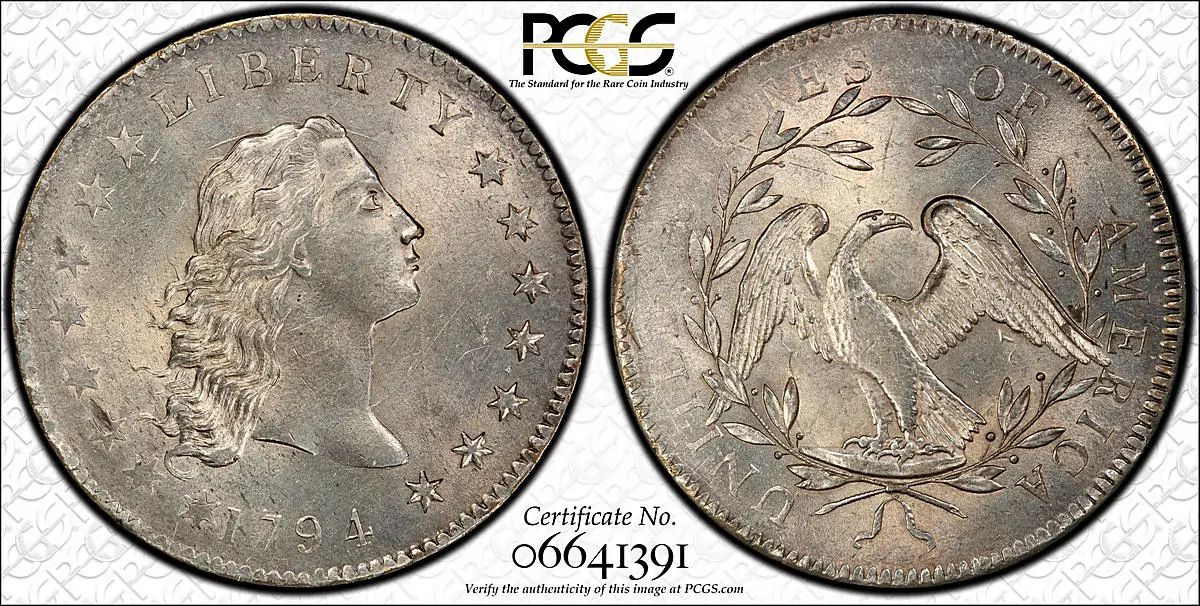
The Fix: Handle coins only by the edges. Better yet, wear lint-free cotton gloves or powder-free nitrile gloves. Even if you think your hands are clean, they aren't clean enough for a 1794 silver dollar.

3. Atmospheric Aggression (Humidity and Heat)
Where do you keep your collection? If the answer is "the attic" or "the basement," you’re making a mistake.
- Attics: Too hot. Heat accelerates the chemical reactions of any contaminants on the coin or in the holder.
- Basements: Too damp. Humidity is the enemy of copper. It causes "red" coins to turn brown or develop "carbon spots" (tiny black dots of corrosion).
The Fix: Store your collection in a "climate-controlled" environment. This usually means a room in your house where people actually live. Aim for a humidity level around 40-50%. Using silica gel packets in your safe can help pull moisture out of the air.
4. The "Clean Freak" Mistake
If you take only one of these coin collecting tips to heart, let it be this: NEVER CLEAN YOUR COINS.
New collectors often want their old coins to look shiny and new. They use baking soda, toothpaste, or silver polish. This is a disaster. Abrasive cleaning leaves "hairlines" (microscopic scratches) that are immediately obvious to any pro.
According to ANA standards, a cleaned coin is "details" graded, meaning it loses a massive chunk of its market value. Authentic "toning" (the natural color change over time) is desirable. A "dipped" or scrubbed coin is not.
5. Cheap Albums and Non-Archival Materials
Not all storage is created equal. Using old cigar boxes, Ziploc bags, or household envelopes is a recipe for disaster.
- Paper Envelopes: Often contain sulfur, which will turn your silver coins black.
- Cardboard 2x2s: These are generally safe if they use Mylar windows. However, be careful with staples! If you don't flatten the staples with pliers, they can scratch the next coin in the box.
The Fix: Invest in high-quality coin storage for collectors. Use Mylar-lined flips, archival-quality albums (like Dansco or Whitman), or hard plastic capsules. For your most valuable pieces, professional "slabbing" (grading by PCGS or NGC) provides the best protection.
6. The "Bumper Car" Effect
If you have a jar of "silver melt" or loose wheat cents, that’s fine. But if you have high-grade coins sitting together in a bag, they are going to hit each other. These impacts create "bag marks" or "contact marks."
Even if a coin has never been in a pocket, if it gets knocked around in a desk drawer, it won't hit those top-tier grades. How to store coin collection effectively means giving each important coin its own dedicated space where it can't move or rub against neighbors.
7. Ignoring the Pro Scene
Many collectors stay in their "bubble" and miss out on the best storage advice. One of the best ways to learn is to visit a local show.
What is a coin show? It’s a gathering where dozens or hundreds of dealers set up tables. It’s the best place to:
- See different storage systems in person.
- Buy archival-safe supplies without shipping costs.
- Talk to experts about counterfeit coin detection (which often starts with noticing "wrong" surface textures caused by bad storage or casting).
If you’re worried about fakes, check out our guide on counterfeit coin detection secrets.
Summary: Your Coin Care Checklist
- No PVC: Use only Mylar or polypropylene flips.
- Gloves On: Never touch the faces of your coins.
- Stay Dry: Use silica gel and keep coins out of the basement.
- Safe Space: Don't let coins rub together.
- No Cleaning: Leave the patina alone!
- Archival Only: Buy supplies from reputable numismatic dealers.
- Educate Yourself: Listen to a numismatic podcast to stay updated on the latest conservation tech.
Your collection is an investment and a piece of history. Whether you're hunting for a 1916 Standing Liberty Quarter or just filling a folder of State Quarters, taking care of them today ensures they’ll be around for collectors a hundred years from now.
Catch you on the next episode of the show!