

7 Mistakes You’re Making with Coin Storage (and How to Fix Them)
Hey there, fellow collectors! Penny here from The Coin Show. If you’ve spent any time listening to our coin collecting podcast, you know that Matt and the guys are obsessed with one thing: keeping the history of numismatics alive. But here’s the cold, hard truth: you can find the rarest coin in the world, but if you store it poorly, you’re just watching its value melt away.
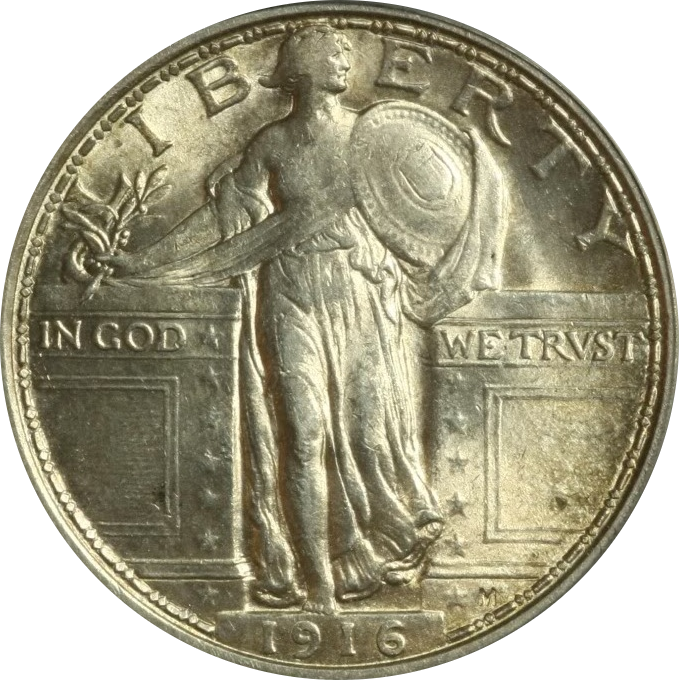
We see it all the time at local shows. A collector walks in with a 1916 Standing Liberty Quarter that should be a showstopper, but it’s covered in green slime or covered in "hairlines" because it was rattling around in a coffee tin.
Proper coin storage for collectors isn't just about being neat; it's about preservation. Today, I’m breaking down the seven most common storage blunders and how you can fix them before they cost you a fortune.
1. The "Green Slime" Trap: Using PVC Flips
This is the big one. If you’re using soft, pliable plastic flips that smell like a new shower curtain, stop right now. Those flips contain PVC (polyvinyl chloride). Over time, the plasticizers in the PVC break down and release an acidic oil that eats into the metal of your coins.
The Mistake: Storing coins in soft, "rubbery" flips for more than a few weeks.
The Damage: Coin PVC damage starts as a light green, sticky residue. If left alone, it will permanently pit and corrode the surface. Once that happens, even the best ANA grading standards won't save the coin's value.
The Fix: Switch to non-PVC, archival-safe Mylar flips. They are stiffer and don't have that "plastic" smell. If you already have green slime on your coins, a quick soak in 100% pure acetone (not nail polish remover!) can often remove the residue without harming the metal.
2. The Attic and Basement Blunder
We get it: you want your collection out of the way. But the two worst places in your house to store coins are the attic and the basement.
The Mistake: Storing your collection in areas with extreme temperature swings or high humidity.
The Damage: Humidity is the enemy of copper and silver. High moisture leads to "milk spots" on modern silver and aggressive, ugly toning on copper. Heat can also accelerate chemical reactions if your coins are in holders that aren't perfectly inert.
The Fix: Keep your coins in a cool, dry, climate-controlled room. Aim for a temperature of 65–70°F and humidity around 40–50%. If you use a safe, toss in a few silica gel packs to soak up any stray moisture.
3. Handling Coins with Bare Hands
Your skin is basically a cocktail of oils, salts, and acids. Every time you touch the face of a coin, you're leaving a microscopic fingerprint that will eventually "etch" itself into the metal.
The Mistake: Picking up coins by their faces with your bare fingers.
The Damage: Permanent fingerprints that can't be "cleaned" off. On a high-grade Uncirculated or Proof coin, a single fingerprint can drop the grade by several points.
The Fix: Always handle coins by their edges. For your most valuable pieces, wear lint-free white cotton gloves. It might feel a bit extra, but your future self (and your wallet) will thank you.
4. The "Shoebox Method" (Clinking Coins)
If your coins are loose in a jar, a box, or even overfilled tubes, they are constantly rubbing against each other.
The Mistake: Letting coins touch or slide against one another.
The Damage: This causes "bag marks," rim nicks, and hairlines. This is especially tragic for coins like the 1916 Standing Liberty Quarter, where the design is already prone to wear.
The Fix: Use individual holders. Whether it’s a 2×2 cardboard flip, a hard plastic capsule, or a dedicated album, every coin should have its own "home" where it can't be scratched by its neighbors.
5. Trusting Household "Office Supplies"
Rubber bands, scotch tape, and cardboard boxes from the grocery store have no place in a numismatic collection.
The Mistake: Using office supplies to organize or "secure" your coin holders.
The Damage: Rubber bands contain sulfur, which will turn your silver coins black and "crusty" in a matter of months. Tape leaves a sticky residue that is a nightmare to remove, and standard cardboard is often acidic.
The Fix: Use products specifically designed for how to store coin collections. Only use archival-safe boxes and coin tubes. If you're using stapled 2×2 holders, make sure to use a "flat clinch" stapler or crimp the staples down with pliers so they don't scratch other coins in your binder.
6. The "Cleaning" Catastrophe
Wait, isn't cleaning a good thing? In the world of coins, absolutely not.
The Mistake: Attempting to "shine up" your coins with polish, baking soda, or even a soft cloth.
The Damage: Cleaning is the #1 way to destroy a coin's numismatic value. A "cleaned" coin will be flagged during the grading process and will almost always sell for a fraction of an original, toned coin. Collectors want "original skin," not a scrubbed-bright look.
The Fix: Just don't do it. If a coin has actual dirt or PVC residue, consult a professional or look into professional conservation services like NCS (Numismatic Conservation Service).
7. Cracking Coins Out of Slabs
Third-party grading services like PCGS and NGC provide more than just a grade; they provide a sonically sealed, archival-safe environment.
The Mistake: "Cracking out" a coin from its plastic slab to put it in a raw album.
The Damage: You lose the guaranteed grade and the protection of the holder. Plus, you're now responsible for maintaining that coin's condition yourself.
The Fix: Keep your graded coins in their slabs. If you love the look of a library-style album, there are specialized albums designed specifically to hold slabbed coins. This keeps the certification intact while giving you the organization you want.
Why Storage Matters: A Lesson from History
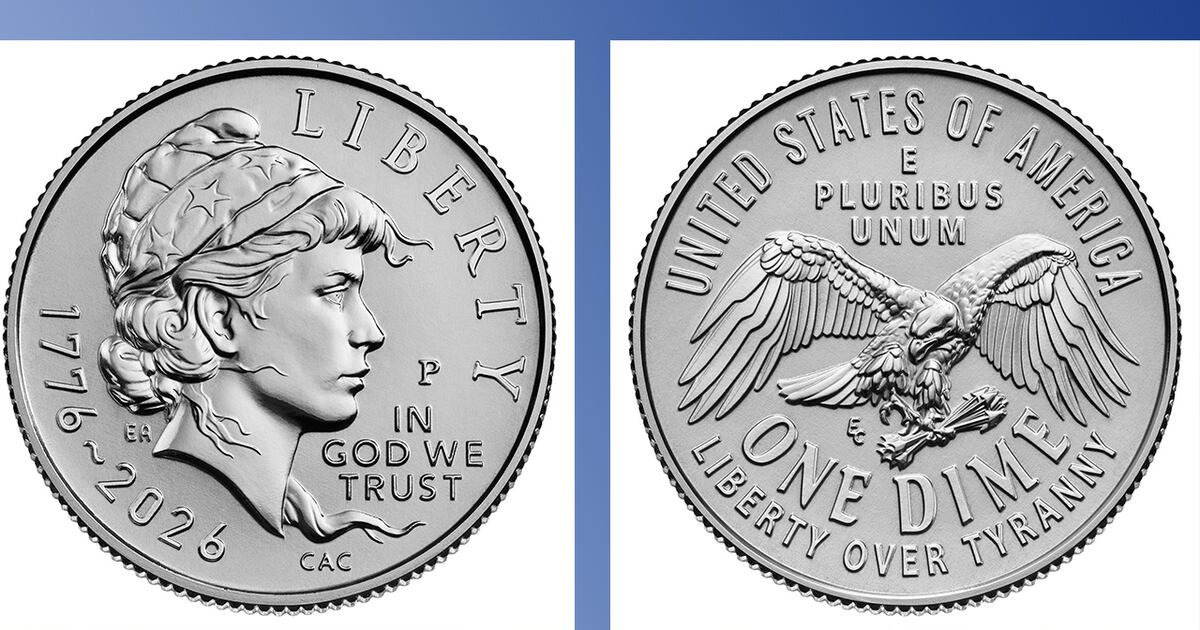
Think about the 1794 Flowing Hair Dollar. The ones that survive in high grades today weren't found in a junk drawer; they were carefully preserved by generations of collectors who understood that metal is fragile. Whether you’re collecting the latest US Mint release: like the upcoming Emerging Liberty Dime: or hunting for 19th-century gold, your storage choices today determine the history of tomorrow.
Ready to Level Up Your Collection?
Storage is just one part of the hobby. If you want more coin collecting tips, or if you're curious about what is a coin show like and how to spot a fake with counterfeit coin detection, you've got to join our community.
We’ve been running the premier numismatic podcast for years, and we love helping collectors avoid the pitfalls that cost them money.
Check out The Coin Show:
- Listen: Catch our latest episodes on our website or your favorite podcast app.
- Watch: See these coins in high definition on our YouTube channel.
- Shop: Grab some swag and show your love for the hobby.
Don't let your collection suffer from preventable mistakes. Fix your storage today, and keep the hobby shining!