

7 Mistakes You’re Making with Coin Storage (and How to Fix Them)
Welcome to another edition of The Daily Mint. Here at The Coin Show, we talk to collectors every day who have spent years hunting down that one perfect piece: maybe a beautiful standing liberty quarter 1916 or a crisp silver dollar: only to realize they’ve been slowly destroying it.
Coin storage isn't just about putting things in a box. It’s about preservation. If you want your collection to maintain its value (and its soul), you need to avoid the "silent killers" of numismatics.
Whether you’re a regular listener of our coin collecting podcast or you just stumbled onto our blog, these tips will save you a lot of heartbreak (and money) down the road. Here are the 7 most common storage mistakes and how to fix them.
1. The "Green Slime" (PVC Damage)
If you’ve ever bought a coin in a soft, pliable plastic flip that feels a bit greasy, you’re looking at a ticking time bomb.
Many cheap plastic holders are made with PVC (polyvinyl chloride). To make the plastic soft and flexible, manufacturers add "plasticizers." Over time, these chemicals leach out of the plastic and onto the coin’s surface. The result? A sticky, greenish residue known as coin pvc damage.
Left long enough, this "green slime" will actually eat into the metal, causing permanent pitting and corrosion. This is a nightmare for your ana grading standards; a coin with PVC damage will almost always receive a "details" grade, significantly tanking its market value.
The Fix:
Only use "unplasticized" flips (often called non-PVC or "Mylar" flips). These are stiffer and may crack if you fold them, but they are chemically inert and safe for long-term storage. If you find a coin with a green haze, don't scrub it! Seek professional conservation or consult a reputable dealer.
2. Living in the Basement (Humidity and Heat)
We get it: the basement or the attic is the easiest place to hide a safe. But for coins, these are death traps.
High humidity accelerates oxidation. It leads to ugly spotting on silver and "bronze disease" on copper. Rapid temperature swings can also cause "toning" that isn't always the "pretty rainbow" kind. It can turn a brilliant coin into a dull, blackened shadow of its former self.
The Fix:
Store your collection in a climate-controlled area of your home. A "dry, cool place" is more than just a cliché: it's a requirement. If you use a safe, toss in a few silica gel desiccant packs to soak up any lingering moisture. Your coins should live where you live, not in the crawlspace.
3. The Fingerprint of Doom (Bare Handling)
You finally got that standing liberty quarter 1916 you’ve been eyeing. You want to feel the history. You pick it up.
Stop right there. Your skin is covered in oils, salts, and acids. When you touch the face of a coin, those oils transfer to the metal. You might not see it immediately, but months later, a dark, permanent fingerprint will "develop" on the surface like a photograph.
The Fix:
Always handle coins by the edges. Better yet, wear clean, lint-free cotton gloves or powder-free nitrile gloves. If you must handle them bare-handed, wash and dry your hands thoroughly first. Treat every coin like it's a million-dollar rarity: because if you handle it wrong, it certainly won't be one for long.
4. The "Jar of Change" Mentality (Friction and Bag Marks)
Storing high-grade coins together in a bag, jar, or even a loose box is a recipe for disaster.
Coins are made of metal, but they are surprisingly soft. When they rub against each other, they create "bag marks," "hairlines," and "rim dings." In the world of high-end collecting, the difference between an MS64 and an MS65 can be thousands of dollars. One tiny scratch from a neighbor coin can bridge that gap.
The Fix:
Every coin needs its own "home." Use individual flips, 2×2 cardboard holders, or hard plastic capsules. For your most valuable pieces, getting them "slabbed" by a third-party grading service provides the ultimate physical protection.
5. The Cleaning "Sin"
New collectors often think, "This coin is dirty; I'll make it look new again."
Never. Clean. Your. Coins.
Harsh chemicals, baking soda, or even a soft cloth can strip the original "mint luster" (the way light dances off the surface). Cleaning creates microscopic scratches that are instantly recognizable to any experienced numismatist or grading professional. A "shiny" cleaned coin is worth significantly less than a "dirty" original coin.
The Fix:
Embrace the patina. If a coin is truly filthy (like with the PVC slime mentioned earlier), only use professional conservation services. As we often discuss on our numismatic podcast, "originality" is the most sought-after trait in the hobby.
6. Using Household "Solutions" (Tape, Staples, and Paper)
We’ve seen it all: coins taped to cardboard, stapled into regular envelopes, or wrapped in tinfoil.
Regular paper and cardboard often contain sulfur and acids that react with the metal. Adhesives from tape can leave permanent stains. Even the staples in 2×2 holders can be dangerous: if you don't flatten the staple with pliers, it can scratch the other coins in your storage box when you slide them past each other.
The Fix:
Only use supplies specifically designed for numismatics. Use "archival-quality" paper envelopes if you prefer paper, and always use a flat-clinch stapler for your 2x2s. If you’re not sure, check out our site at www.coinshowradio.com for coin collecting tips on the best gear.
7. Ignoring Security and Documentation
What happens if you have a fire, a flood, or a theft?
Many collectors spend years building a beautiful collection but forget to document it. Without a record, you can't prove what you owned for insurance purposes. Furthermore, if you don't have a plan for security (like a heavy-duty safe or a safety deposit box), you’re taking a huge risk.
The Fix:
Maintain a digital spreadsheet or a physical ledger of your collection. Take photos of both sides of your coins. Not only does this help with insurance, but it also helps with counterfeit coin detection: knowing the exact marks and "fingerprints" of your specific coins can help recover them if they are ever stolen.
Why Storage Matters for the Future
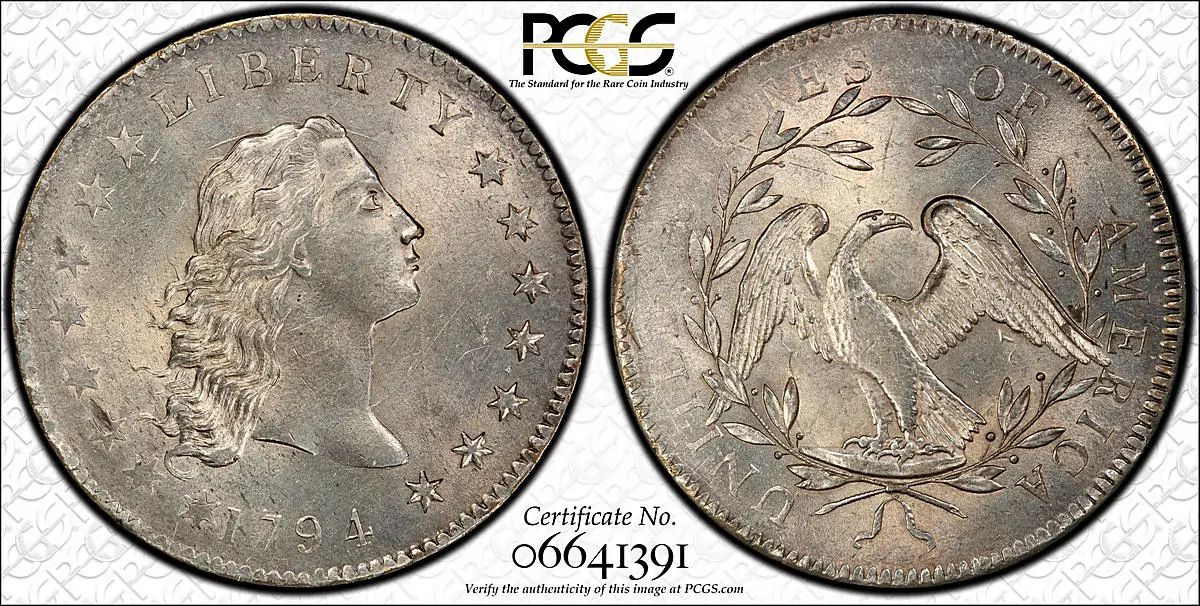
Think about the coins that have survived hundreds of years. The only reason we can still admire a 1794 Flowing Hair Dollar today is that someone, somewhere, cared enough to keep it dry and safe.
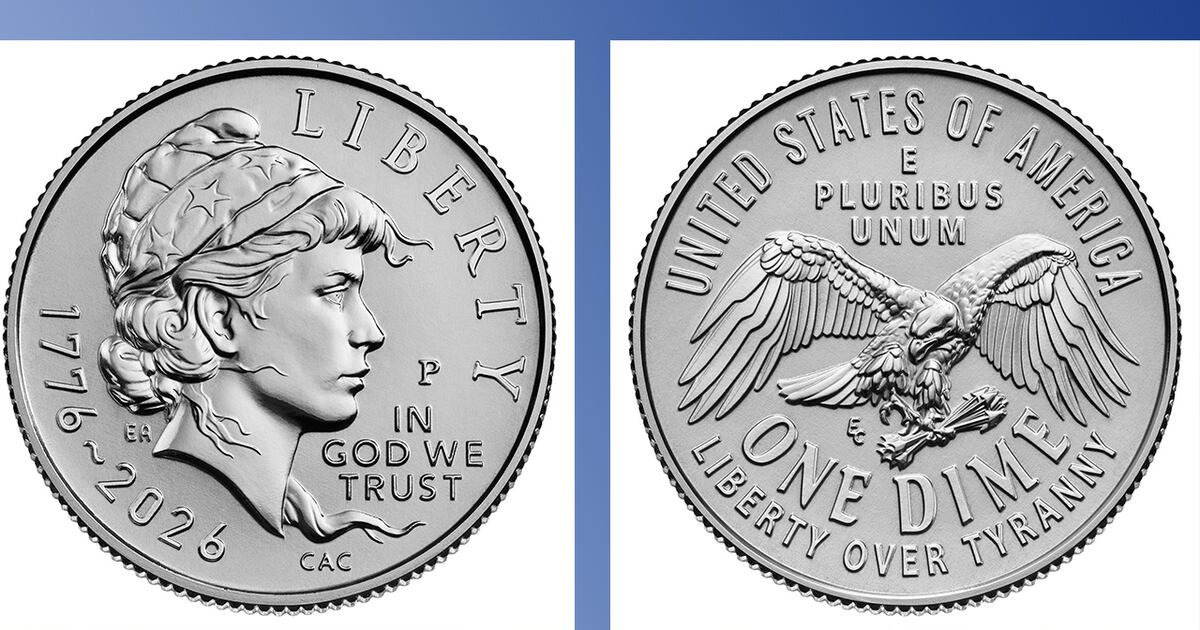
Whether you’re collecting modern US Mint releases like the new 1776-2026 Emerging Liberty Dime or hunting for a 1916 Standing Liberty Quarter, you are a temporary steward of history.
Taking the Next Step
Want to learn more about the hobby? If you're wondering what is a coin show or where to find the best deals, come hang out with us.
Matt and the crew dive deep into these topics every week. From interviews with the world's top experts to the "News and Views" segment, The Coin Show is built for collectors who want to get serious about their hobby while keeping it fun.
- Check out the podcast: Listen to our latest episodes for more how to store coin collection advice.
- Join the community: Visit www.coinshowradio.com to find links to our YouTube channel, merchandise, and book recommendations.
Your coins have spent decades (or centuries) getting to you. Don't let a $0.05 plastic flip be the thing that ends their journey. Invest in proper coin storage for collectors today, and your future self (and your wallet) will thank you.
Happy collecting!