
30 Catchy Coin Collecting Tips for Your Daily Mint Checklist
Welcome to The Daily Mint. Whether you are checking your pocket change or hunting for a million-dollar rarity, coin collecting is a journey. It is part history, part treasure hunt, and part art appreciation.
At The Coin Show, we live and breathe numismatics. To help you navigate the hobby, we have put together a definitive checklist. Here are 30 tips to keep your collection growing and your coins protected.
The Foundation: Getting Started
1. Buy the book before the coin
This is the golden rule. Knowledge is your best tool. Get a copy of "A Guide Book of United States Coins" (the Red Book). It lists mintages and approximate values. Read it before you spend a dime.
2. Join the American Numismatic Association (ANA)
The ANA is the backbone of the hobby. Joining gives you access to a massive library, educational courses, and a monthly magazine. It connects you to a century of collective wisdom.
3. Start with a "Type Set"
Don't try to collect every Lincoln Cent ever made right away. Start with a type set. This means collecting one example of every major design. It teaches you the history of U.S. coinage without breaking the bank.
4. Quality over quantity
It is better to have one beautiful, high-grade coin than ten damaged ones. High-quality coins are easier to sell later and generally appreciate better in value.
5. Listen to a numismatic podcast
Stay updated while you drive or sort coins. Tuning into a coin collecting podcast like The Coin Show keeps you informed on market trends and provides entertaining stories from the experts.
6. Check your change every day
The hunt starts in your pocket. Look for W-mint mark quarters or old silver. It is the cheapest way to build a collection.
7. Define your focus
Are you into silver dollars? Early copper? Modern proofs? Picking a niche helps you become an expert faster.
Coin Care: Protecting Your Treasures
8. Never, ever clean your coins
This is the most important tip for preservation. Cleaning a coin with chemicals or abrasives strips away the "original skin." It can destroy up to 90% of a coin's numismatic value. Leave the patina alone.
9. Use PVC-free flips
Many cheap, soft plastic holders contain Polyvinyl Chloride (PVC). Over time, PVC leaches out and creates a sticky green residue. This coin pvc damage is acidic and will eat into the metal. Use only Mylar or archival-safe flips.
10. Handle by the edges
Your fingers have oils and acids that can leave permanent fingerprints on a coin's surface. Always pick up a coin by its edge, never by the obverse or reverse faces.
11. Use cotton or nitrile gloves
If you are handling high-grade uncirculated coins or Proof sets, wear gloves. This adds an extra layer of protection against moisture and oils.
12. Store in a cool, dry place
Humidity is the enemy of copper and silver. Avoid storing your collection in a damp basement or a hot attic. A climate-controlled room is best.
13. Avoid "whizzed" coins
"Whizzing" is a process where someone uses a wire brush to make a dull coin look shiny. It creates tiny scratches that any expert can spot. Always look for natural luster.
14. Invest in a 10x loupe
To see the details, you need magnification. A 10x triplet loupe is the industry standard. It helps you spot cleaning marks, scratches, and mint mark varieties.
Authentication: Spotting the Real Deal
15. Weigh your coins
A precise digital scale is a great defense against fakes. Most counterfeit coins are made of base metals that don't match the weight of genuine gold or silver.
16. The magnet test
Silver and gold are not magnetic. If your "silver" dollar sticks to a magnet, it is a fake. It’s a simple, non-destructive test you can do anywhere.
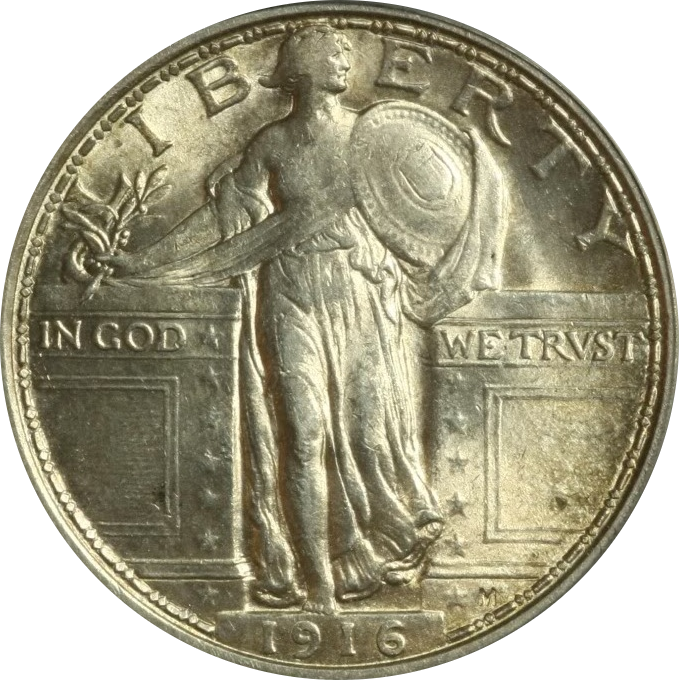
17. Study the 1916 Standing Liberty Quarter
The standing liberty quarter 1916 is a legendary key date. Because it is so valuable, many fakes exist: often made by altering a 1917 coin. Learn the specific design cues of the 1916 (like the lack of stars under the eagle) before buying.
18. Look for the "Ring"
Silver has a specific high-pitched ring when gently tapped (though be careful not to damage the coin). Base metal fakes usually sound like a dull thud.
19. Trust professional grading
For expensive coins, buy "slabs." These are coins authenticated and graded by services like PCGS or NGC. It removes the guesswork regarding authenticity and grade.
20. Learn ANA grading standards
Even if you buy slabbed coins, you should know why a coin is a "VF20" or an "MS65." Understanding ana grading standards helps you spot coins that might be overgraded or undergraded.
21. Watch for added mint marks
Counterfeiters sometimes "glue" a mint mark onto a common coin to make it look like a rare one (like adding an 'S' to a 1909 VDB cent). Use your loupe to look for seams or discoloration around the mint mark.
The Market: Buying and Selling
22. What is a coin show?
If you haven't been to one, you are missing out. A coin show is a convention where dozens or hundreds of dealers set up tables. It is the best place to see thousands of coins in person, network, and find deals.
23. Build a relationship with a local dealer
A good dealer will look out for coins on your "want list." They can also offer advice and help you avoid common pitfalls.
24. Beware of "too good to be true" online deals
If a rare gold coin is being sold for half its melt value on a random social media ad, it is a scam. Stick to reputable auction houses and established dealers.
25. Understand "Melt Value"
For common silver coins (like worn Roosevelt dimes), the value is based on the silver content. This is "junk silver." Know the current spot price of silver before you buy or sell these.
26. Track your inventory
Use a spreadsheet or an app to track what you have and what you paid. This is vital for insurance purposes and for managing your collection's growth.
Advanced Numismatics: The Next Level
27. Search for varieties
Sometimes a mint makes a mistake, like a "doubled die." These varieties can be worth significantly more than the standard coin. Check the dates and lettering closely.
28. Attend a grading seminar
The ANA offers seminars at major shows. Spending a few days learning from professional graders will transform how you look at coins.
29. Look at "The Greats"
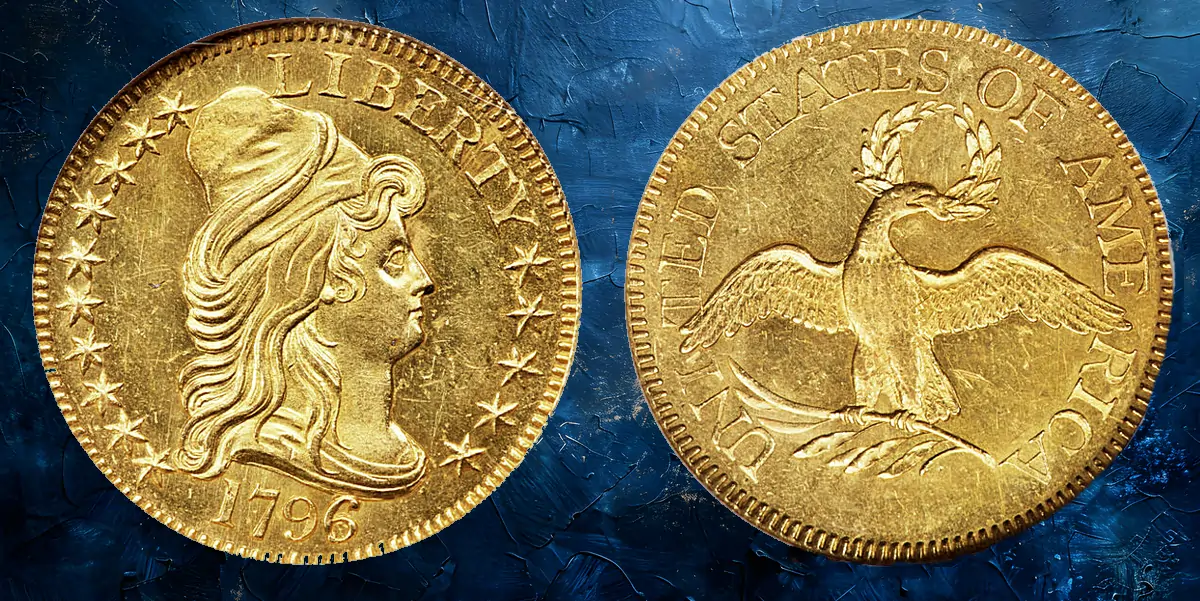
Study high-resolution photos of world-class coins. Seeing the 1796-5 Half Eagle or a perfect specimen dollar helps you calibrate your eyes for what "perfect" looks like.
30. Keep it fun
Don't get too bogged down in the "investment" side. Collect what you love. The history and the hunt are what make this the "King of Hobbies."
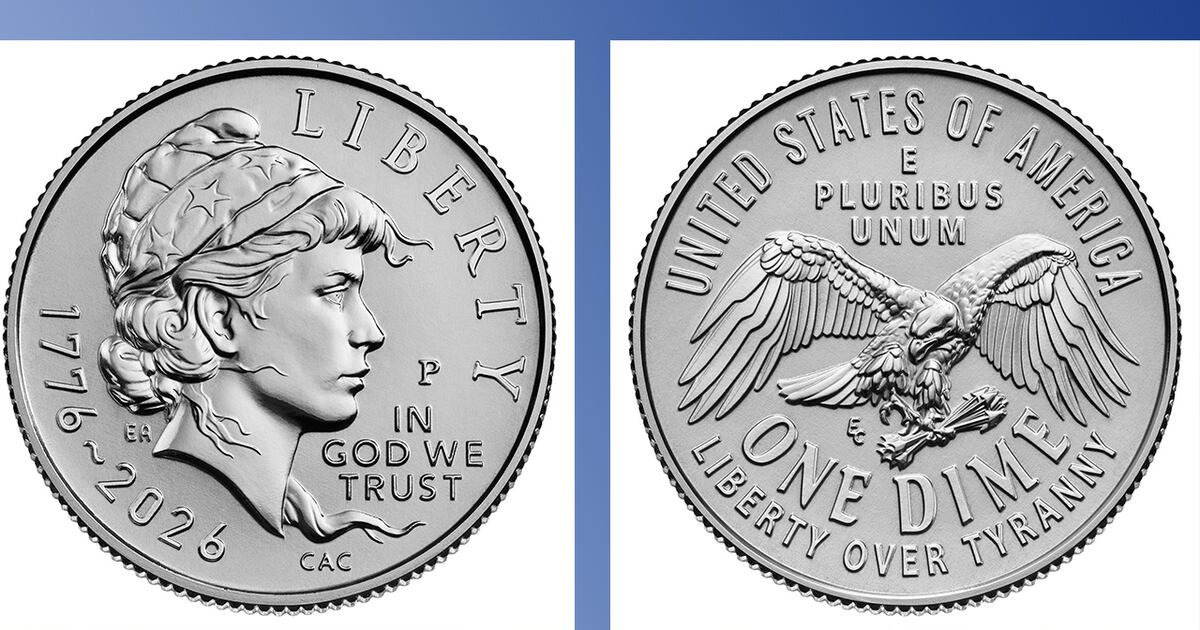
At The Coin Show, we believe every coin tells a story. From the first silver dollar to the new 2026 Liberty Dime, there is always something new to learn. Happy hunting!