
How to Store Your Coin Collection: The Ultimate Guide for Beginners
So, you’ve started a coin collection. Maybe you found a silver quarter in your change, or perhaps you inherited a box of "old money" from a relative. Whatever the spark was, you’re now a numismatist. Welcome to the club!
But here is the thing: coins aren’t just metal. They are historical artifacts, and they are surprisingly fragile. If you throw them all into a glass jar or a shoebox, you are setting yourself up for heartbreak. Environmental damage can turn a pristine coin into a "details" coin: numismatic-speak for "damaged": in just a few years.
In this guide, we’re going to walk through the absolute basics of how to store your coin collection. We’ll cover the gear you need, the chemicals to avoid, and why your basement is probably the worst place for your new hobby.
The Golden Rule: No PVC, Ever
If you take only one thing away from this post, let it be this: PVC is the enemy.
Many cheap plastic holders, especially the soft, pliable "flips" you might see at flea markets, are made with Polyvinyl Chloride (PVC). Over time, the chemicals in the plastic break down and leach out. This creates a sticky, green slime on the surface of your coins.
Coin PVC damage is the nightmare of every collector. It doesn't just look gross; it’s acidic. It can actually eat into the metal of your coins, leaving permanent pits and discoloration. If you see a coin in a soft, "smelly" plastic holder (it often smells like a new shower curtain), get it out of there immediately.
Instead, look for holders made of Mylar or unplasticized vinyl. These are chemically inert and safe for long-term storage. When you're browsing for supplies, always check for the label "Archival Safe" or "Non-PVC."
Choosing Your Storage Style
There isn't a one-size-fits-all solution for coin storage for collectors. Your choice depends on what you’re collecting and how much you want to spend.
1. 2×2 Cardboard Flips
These are the industry standard for beginners. They are small cardboard squares with a clear Mylar window. You place the coin inside, fold it over, and staple it shut.
- Pros: Very cheap, easy to write on (for dates and mint marks), and they fit into standard binder pages.
- Cons: You have to be careful with the staples! Always flatten your staples with pliers so they don't scratch other coins in your binder.
2. Coin Albums and Folders
Folders are those blue or green cardboard books where you push the coin into a hole. They are great for "circulated" sets like Lincoln Cents or State Quarters. However, albums (like those from Dansco or Whitman) are better. They have clear plastic slides that protect both sides of the coin from dust and fingers.
3. Hard Plastic Capsules
If you have a coin that is particularly beautiful or valuable, a hard plastic capsule (like an Air-Tite) is a great step up. These are airtight and provide excellent physical protection against drops or scratches.
The Big Leagues: Slabs and Grading
When you start getting into rare coins: like the 1916 Standing Liberty Quarter: you’ll hear people talk about "slabs."
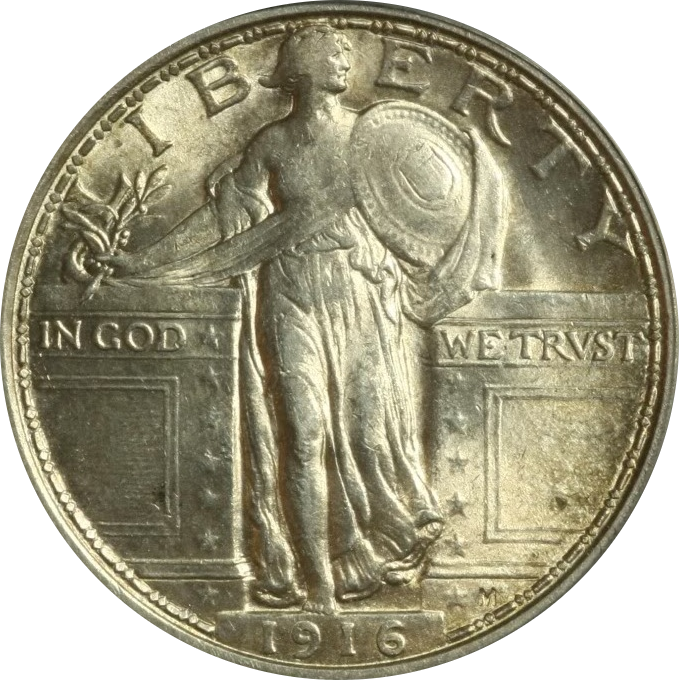
A "slab" is a hard, sonically sealed plastic holder from a third-party grading service like PCGS or NGC. These services verify that the coin is authentic and assign it a grade based on ANA grading standards (the American Numismatic Association's 1-70 scale).
Slabbed coins are the gold standard for protection. They are nearly impossible to open without tools and provide a clear, tamper-evident record of the coin’s quality. If you are worried about counterfeit coin detection, buying slabbed coins from reputable dealers is the safest way to go.
Where to Keep Your Collection
It’s not just what you put your coins in, but where you put that container. Coins hate three things:
- Humidity: Moisture leads to toning, which can be beautiful, but it can also lead to corrosion.
- Heat: Rapid temperature changes can cause the metal to expand and contract, which isn't great for the surface.
- Pollutants: Smoke, cooking oils, and even the off-gassing from wooden cabinets can tarnish your coins.
The Pro Tip: Store your collection in a cool, dry place inside your living space: like a closet shelf. Avoid the attic (too hot) and the basement (too damp). Many collectors use silica gel packs in their storage boxes to soak up any stray moisture.
Why History Matters: Protecting the Legends
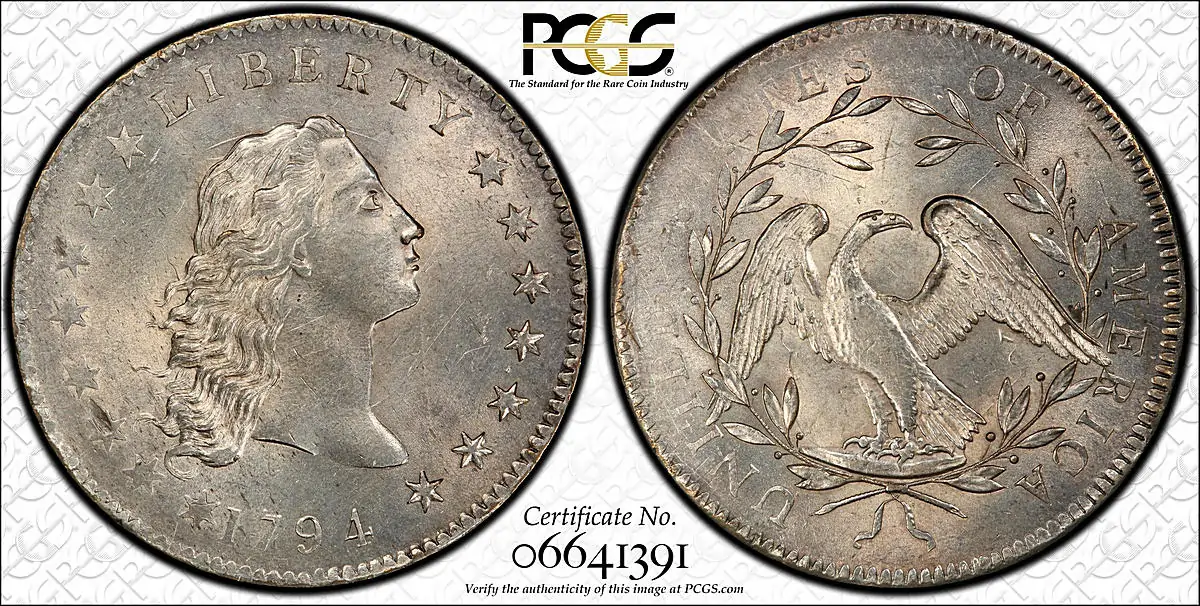
Every coin tells a story. Look at the 1794 Flowing Hair Silver Dollar (pictured at the top of this post). This was the very first dollar struck by the U.S. Mint. It represents the birth of American commerce.
Or consider the 1796/5 Half Eagle.
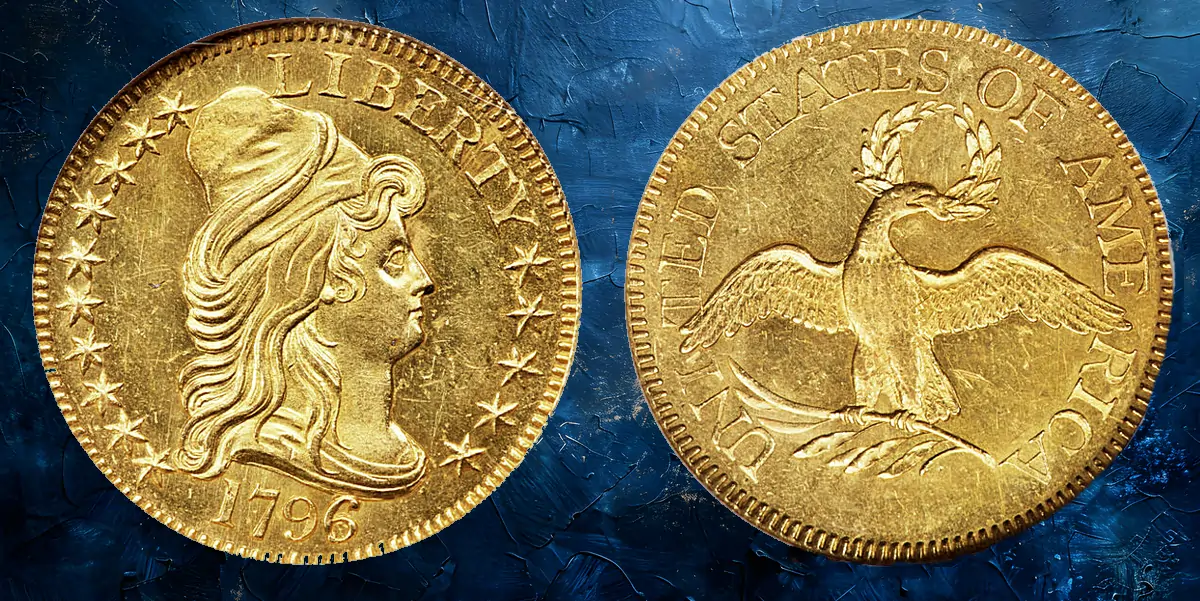
This gold coin is a piece of early American history that has survived over two centuries. When you hold a coin like this, you aren't just holding money; you're holding a piece of the 18th century. Proper storage ensures that the next person who holds it: perhaps 100 years from now: sees it exactly as you do today.
Modern Collecting: The New Era
Storage isn't just for the old stuff. Modern releases, like the 1776-2026 Emerging Liberty Dime, deserve the same level of care.
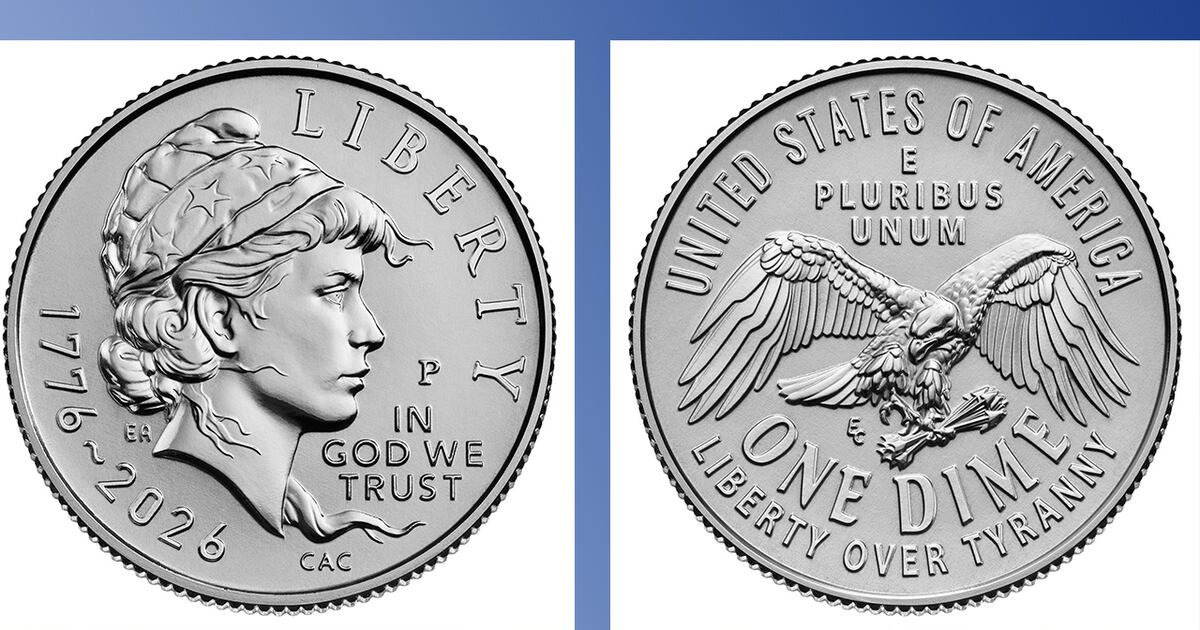
When the Mint releases a new design, the coins are often "brilliant uncirculated." If you touch them with your bare hands, the oils from your skin can leave permanent fingerprints that will show up years later as dark spots. Always handle your coins by the edges, or better yet, wear lint-free cotton gloves.
Level Up Your Hobby
Storing your coins is just the beginning. The more you learn, the more you’ll enjoy the hunt. Here are a few ways to dive deeper:
- Listen to a Numismatic Podcast: If you want to stay updated on the latest news while you're driving or working out, a coin collecting podcast is the way to go. We might be biased, but we think The Coin Show is a great place to start!
- Visit a Coin Show: You might be wondering, "what is a coin show?" It’s basically a massive convention where hundreds of dealers set up tables full of coins. It’s the best place to find storage supplies, see rare pieces in person, and talk to experts.
- Keep a Digital Inventory: Use a spreadsheet or an app to track what you have, what you paid, and where you stored it.
Wrapping Up
Collecting coins is a journey through history, art, and economics. By following these coin collecting tips, you're ensuring that your collection remains a source of pride rather than a pile of damaged metal.
Keep them away from PVC, keep them dry, and keep learning. If you have questions about a specific coin you found, or if you're looking for more advanced storage advice, check out our latest episodes on The Coin Show. We’re always here to help you navigate the fascinating world of numismatics.
Happy hunting!