
7 Mistakes You’re Making with Coin Storage (And How to Fix Them)
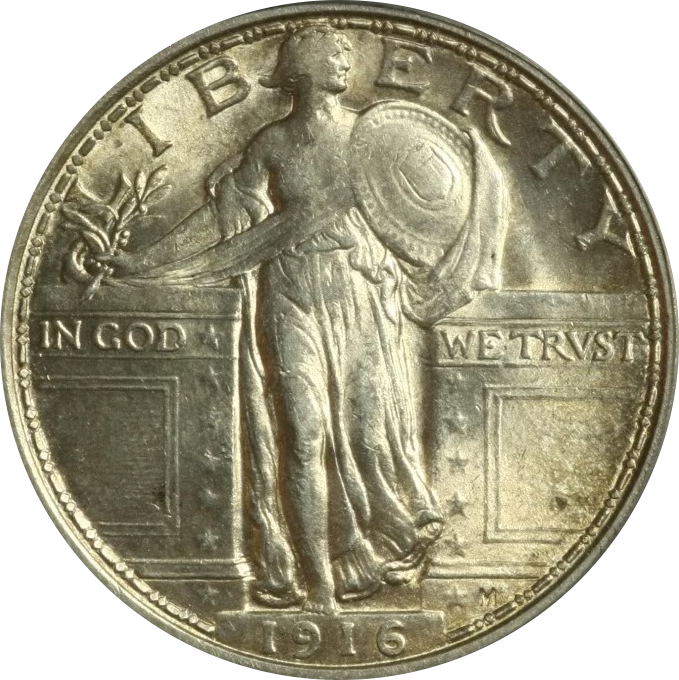
You’ve spent time and money building your collection. Maybe you found a silver quarter in your pocket change, or perhaps you finally pulled the trigger on a 1916 Standing Liberty Quarter at a local show. But if you aren't storing those coins correctly, you might be watching your investment slowly dissolve.
In the world of numismatics, storage isn't just about organization. It’s about preservation. The wrong plastic, the wrong room, or even the wrong way you hold the coin can lead to permanent damage.
At The Coin Show, we’ve seen it all: from "green slime" to fingerprint "tattoos." Here are the seven most common mistakes collectors make with coin storage and how you can fix them today.
1. The "New Shower Curtain" Smell (PVC Damage)
The single biggest killer of coin collections is Polyvinyl Chloride, or PVC.
Many cheap, soft, pliable plastic flips and album pages contain PVC to make them flexible. Over time, these chemicals break down and release acidic gases. This creates a sticky, green residue on the coin’s surface. This isn't just a surface stain; it’s a chemical reaction that can etch and pit the metal.
How to Fix It:
If your coin holders smell like a brand-new shower curtain, get your coins out of there immediately. Look for "PVC-free" or "archival-safe" holders. High-quality Mylar or PET (polyethylene terephthalate) flips are the standard. They are stiffer and "crinkly" compared to the soft, rubbery PVC versions. If you already see green goo, don't scrub it. Talk to a professional or listen to our coin collecting podcast for tips on professional conservation.
2. Storing in the Attic or Basement
It’s tempting to tuck your collection away in a dark corner of the house. However, attics and basements are the worst environments for metal.
Attics get incredibly hot, which can accelerate the breakdown of storage materials. Basements are often damp. High humidity leads to oxidation, spotting, and "milk spots" on silver. Copper is especially sensitive to moisture and can develop "bronze disease" or ugly dark spots that destroy the eye appeal.
How to Fix It:
Store your coins in a "lived-in" part of your house. Aim for a stable room temperature (around 65–70°F) and low humidity. A closet in a hallway or a bedroom is usually perfect. If you live in a humid climate, keep a silica gel pack inside your storage box to soak up excess moisture.
3. The Urge to "Clean" Your Finds
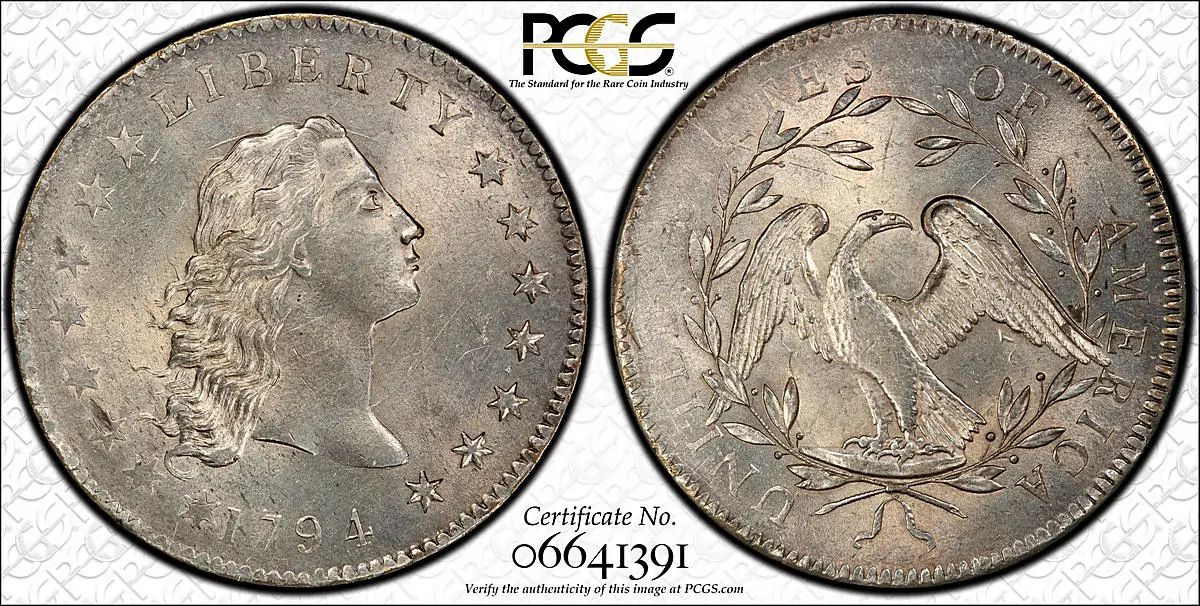
We get it. You want that 1794 Flowing Hair silver dollar to look shiny and new. But the moment you use a cloth, polish, or chemical dip, you’ve likely cut the coin’s value in half.
Cleaning leaves microscopic scratches called "hairlines." Professional graders at the ANA can spot a cleaned coin instantly. Original "mint luster": that frosty glow a coin has when it’s new: can never be replaced once it’s polished away.
How to Fix It:
Leave them alone. A coin with a hundred years of natural "patina" (toning) is far more valuable to a collector than one that looks artificially shiny. If a coin has active corrosion (like the PVC green slime mentioned above), look into professional conservation services like NCS or PCGS Restoration rather than doing it yourself.
4. Fingerprint "Tattoos"
Your skin is naturally oily and acidic. When you touch the face (the obverse or reverse) of a coin with your bare hands, you leave behind those oils. Over months or years, the metal reacts with the oil, leaving a permanent, dark fingerprint on the coin. On a high-grade proof coin, this is a death sentence for the grade.
How to Fix It:
Always handle coins by their edges. Imagine the coin is a delicate gear; touch only the outer rim. For your best pieces, wear lint-free white cotton gloves. It might feel a bit formal, but it’s the only way to ensure those numismatic podcast worthy finds stay pristine.
5. The Tape and Staple Trap
If you use 2×2 cardboard holders, you’re probably using staples to seal them. If those staples aren't flattened properly, they can scratch other coins when you stack the holders. Even worse is tape. Never use scotch tape or masking tape near your coins. The adhesive will eventually migrate, leaving a sticky residue that is a nightmare to remove without damaging the coin's luster.
How to Fix It:
Invest in a "flat-clinch" stapler. It flattens the staple legs against the cardboard so they won't snag. If you’re worried about staples, switch to adhesive-free plastic capsules or "Intercept" technology flips that neutralize harmful gases.
6. "The Jingle" (Loose Storage)
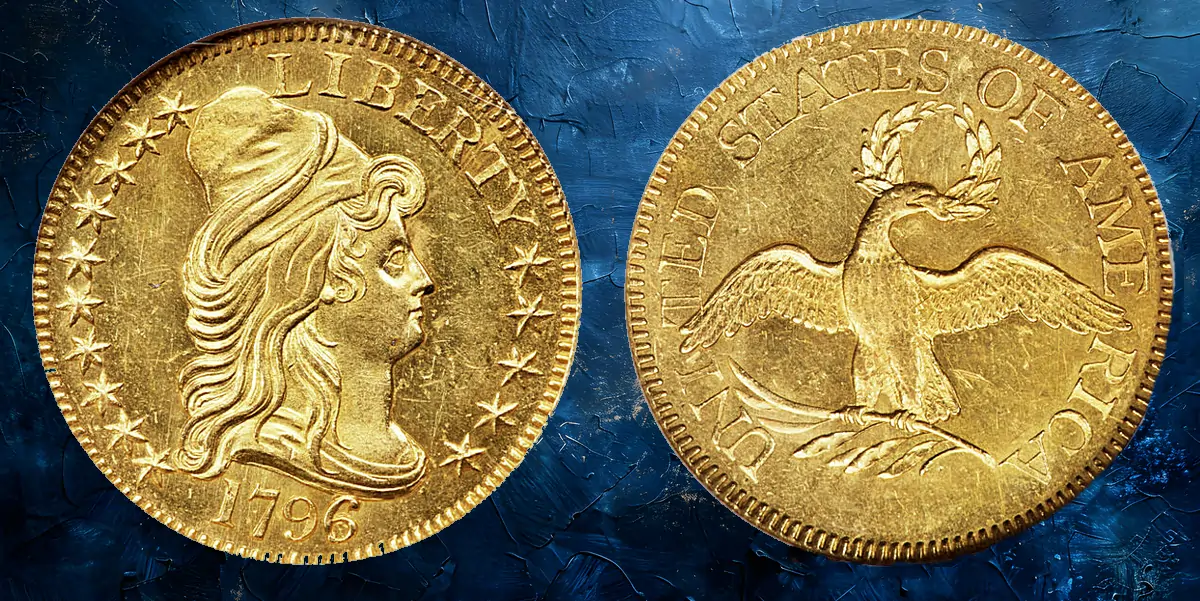
Keeping coins in a jar or a Crown Royal bag might look cool in a pirate movie, but it’s a disaster for coin grades. When coins rub against each other, they get "bag marks": small nicks and scratches. On a rare coin like a 1796/5 Half Eagle, a single extra scratch can mean a difference of thousands of dollars.
How to Fix It:
Every coin in your collection should have its own dedicated space. Whether it’s a flip, a tube (for bulk coins), or a slab, make sure they aren't touching. If you’re traveling to what is a coin show, use a padded coin case to keep everything stationary during the drive.
7. Under-Protecting the "Big Hits"
If you have a coin worth more than $100, a basic cardboard flip might not be enough. Higher-value coins are susceptible to environmental damage even in "safe" plastics over many decades.
How to Fix It:
For your best pieces, consider professional grading and "slabbing." Companies like PCGS and NGC seal coins in sonically welded, hard plastic holders. These provide the best physical protection and also help with counterfeit coin detection and authentication. Following ANA grading standards is much easier when the coin is already protected in a holder that preserves its state of preservation.
Summary: Building a Better "Daily Mint"
Protecting your collection doesn't have to be expensive. It just requires a bit of consistency. By avoiding PVC, controlling your environment, and handling your coins with respect, you ensure that your collection will be around for the next generation of numismatists to enjoy.
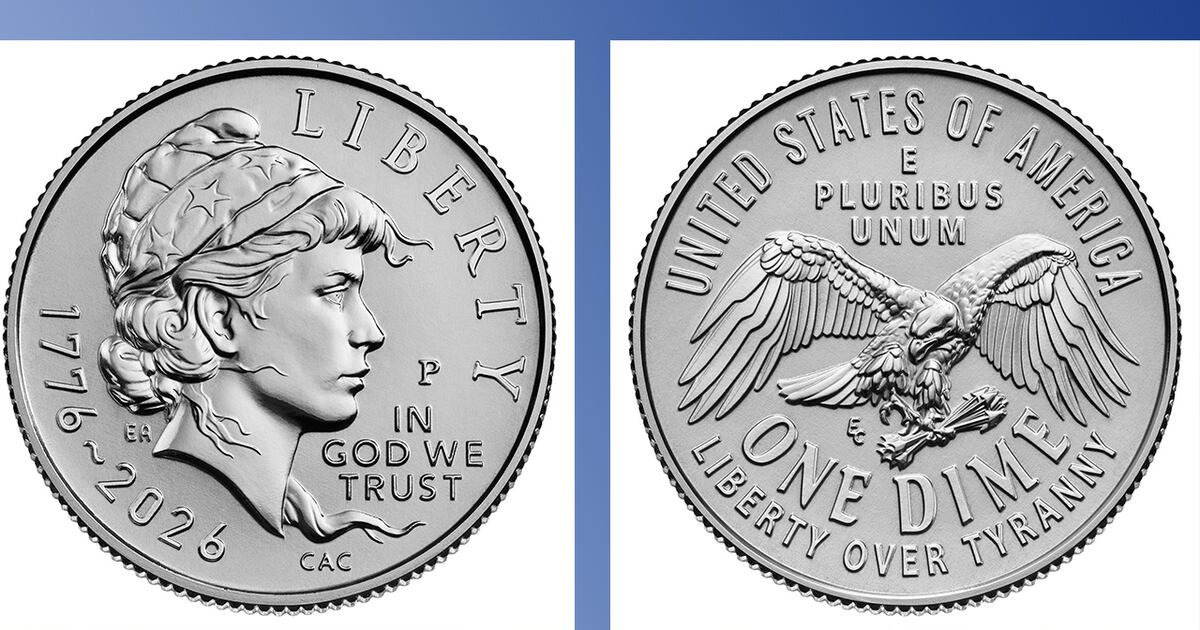
Whether you're hunting for the new 1776-2026 Emerging Liberty Dime or preserving a family heirloom, storage is your first line of defense.
Want more coin collecting tips? Tune in to The Coin Show Podcast with Matt Dinger and the crew. We dive deep into the hobby, interview industry experts, and help you navigate the world of coins without getting burned.
Check us out at www.coinshowradio.com and join our community of enthusiasts today!