7 Mistakes You’re Making with Coin Storage (and How to Spot PVC Damage)
Hey there, fellow coin nerds! Welcome back to The Daily Mint. If you’re like us at The Coin Show, you probably spend a lot of time hunting for that perfect addition to your collection. Whether it’s a crisp new mint release or a crusty old silver dollar, there’s nothing quite like the feeling of holding history in your hands.
But here’s the thing: once you own it, you have to protect it. We see it all the time on the podcast: beautiful coins ruined by a few years in the wrong box or a cheap plastic flip. Proper storage isn’t just about being organized; it’s about preserving the value and the history of your collection.
Today, we’re diving into the 7 most common storage mistakes collectors make. We’ll also show you how to spot the dreaded "green slime" of PVC damage before it eats your investment alive.
1. The "Soft Flip" Trap (PVC Damage)
This is the big one. If you’ve ever bought a coin in a soft, flexible, rubbery plastic flip that smells like a new shower curtain, you’re looking at PVC (polyvinyl chloride).
PVC is a plastic that uses chemicals called plasticizers to stay flexible. Over time, those chemicals break down and leach out of the plastic. They react with the metal of your coin (especially silver and copper) to create an acidic green goo.
At first, it just looks like a light oily film. If you don't catch it, it turns into thick green slime. Eventually, that acid will actually "etch" or pit the surface of the coin. Once the metal is pitted, the damage is permanent. Even if you clean the slime off, the coin will always be considered "damaged" by ANA grading standards.
The Fix: Use non-PVC flips made of Mylar or polypropylene. They’re stiffer and don’t smell like a pool toy, but they won't eat your coins.
2. Handling Coins with Bare Fingers
We get it. You want to feel the weight of the silver. But your skin is covered in oils, salts, and acids. When you touch a coin’s surface, you’re leaving behind invisible "residue" fingerprints.
Months or years later, those oils react with the air. Suddenly, your beautiful uncirculated coin has a dark, ugly fingerprint right across the face of Liberty. These stains are almost impossible to remove without "cleaning" the coin (which is another mistake we'll talk about in a second).
The Fix: Always handle coins by the edges. Better yet, wear clean cotton gloves. If you’re checking out coins at a what is a coin show, you’ll see the pros doing the same.
3. The "Shiny" Trap: Cleaning Your Coins
This is the hardest lesson for new collectors. You find a dirty old coin and think, "I'll just polish this up so it looks new."
Stop!
Cleaning a coin with chemicals, erasers, or even a soft cloth creates microscopic scratches called "hairlines." It also strips away the "luster": that frosty, light-reflecting glow that comes from the minting process. A cleaned coin is worth significantly less than an original, dirty coin. In the world of numismatic podcasts, "cleaned" is a four-letter word.
The Fix: Leave them alone. If a coin has actual PVC slime or dirt that needs to come off, send it to a professional conservation service like NCS.
4. Storing Coins in the Attic or Basement
Environment is everything. High humidity is the mortal enemy of copper and silver. It causes spots, corrosion, and ugly, blotchy toning. Heat is also a problem: it speeds up chemical reactions.
If you store your coins in a damp basement or a hot attic, you’re asking for trouble. Even if your coins are in holders, moisture can still find its way in over time.
The Fix: Store your collection in a cool, dry place. A temperature-controlled room in your house is best. Use silica gel packets in your storage boxes to soak up any extra moisture.
5. Using "Household" Storage Items
We’ve seen it all: coins wrapped in Saran Wrap, taped into cardboard, or held together with rubber bands.
- Tape: The adhesive leaves a sticky residue that is a nightmare to remove.
- Rubber Bands: These contain sulfur. Sulfur reacts with silver to turn it black and blotchy.
- Ziploc Bags: Most aren't archival-safe and can contain harmful chemicals.
The Fix: Buy actual numismatic supplies. Archival-safe tubes, 2×2 cardboard holders (stapled carefully!), and plastic "slabs" are designed specifically to protect metal.
6. Letting Coins "Jingle" (Bag Marks)
If you keep your "finds" in a jar or a cigar box where they can rub against each other, you’re destroying their grade. Every time those coins bump together, they get tiny nicks and scratches called "bag marks."
In coin collecting tips, we emphasize that the difference between a coin worth $100 and one worth $1,000 often comes down to how many marks are on the surface. Don't let your coins beat each other up.
The Fix: Give every coin its own space. Even a cheap paper envelope is better than a loose jar.
7. Storing Near High-Sulfur Materials
Did you know that many old wooden cabinets and cheap paper envelopes contain sulfur? Over time, these materials "off-gas" chemicals into the air. If your coins are nearby, they will eventually react and turn dark or develop "environmental damage."
The Fix: Stick to acid-free paper and archival-grade plastic. If you use a safe, make sure it’s not a "fire safe": those often release moisture and chemicals that can ruin coins. Look for a "burglary safe" or a dedicated coin cabinet.
How to Spot PVC Damage: A Quick Guide
If you’re worried about your collection, do a "PVC Check" today. Here is what to look for:
- The Smell: Open your storage box. Does it smell like a shower curtain or a beach ball? That’s the smell of PVC off-gassing.
- The Feel: Take a coin out of its flip. Does it feel slightly tacky or oily? That’s the first stage of PVC residue.
- The Slime: Look at the protected areas of the coin: around the letters, the date, and the stars. Do you see bright green, jelly-like spots? That’s advanced PVC damage.
- The Haze: Does the coin look like it has a cloudy, milky film over it? This can be a sign of early chemical reaction.
If you find a coin with these symptoms, move it to a safe holder immediately and keep it away from the rest of your collection.
A Story of Survival: The 1916 Standing Liberty Quarter
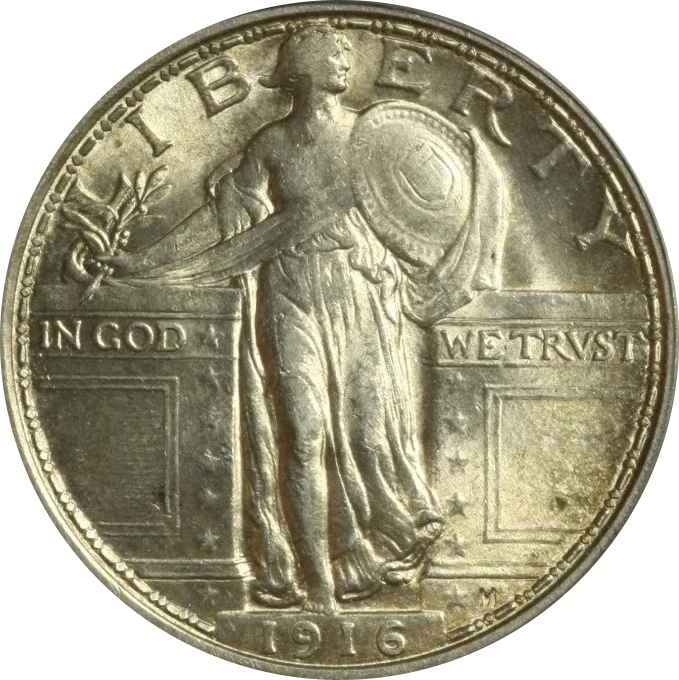
To understand why storage matters, look at the 1916 Standing Liberty Quarter. This is one of the most famous coins in American history. It was the first year of the design, and the mintage was tiny: only about 52,000 were made.
Because the design had an exposed breast on Lady Liberty, it caused a bit of a scandal back in the day (it was redesigned in 1917 to cover her up with chain mail). But because so few were made, even a heavily worn 1916 SLQ is worth thousands of dollars today.
Now, imagine finding one of these rarities. If it was stored in a PVC flip in 1970 and left in an attic, that "key date" treasure could be a green, pitted mess today. A 1916 SLQ with "PVC Damage" on the label might sell for half the price of a clean one. Proper how to store coin collection isn't just a hobby chore: it's a way to make sure these pieces of history survive for another hundred years.
Level Up Your Collecting
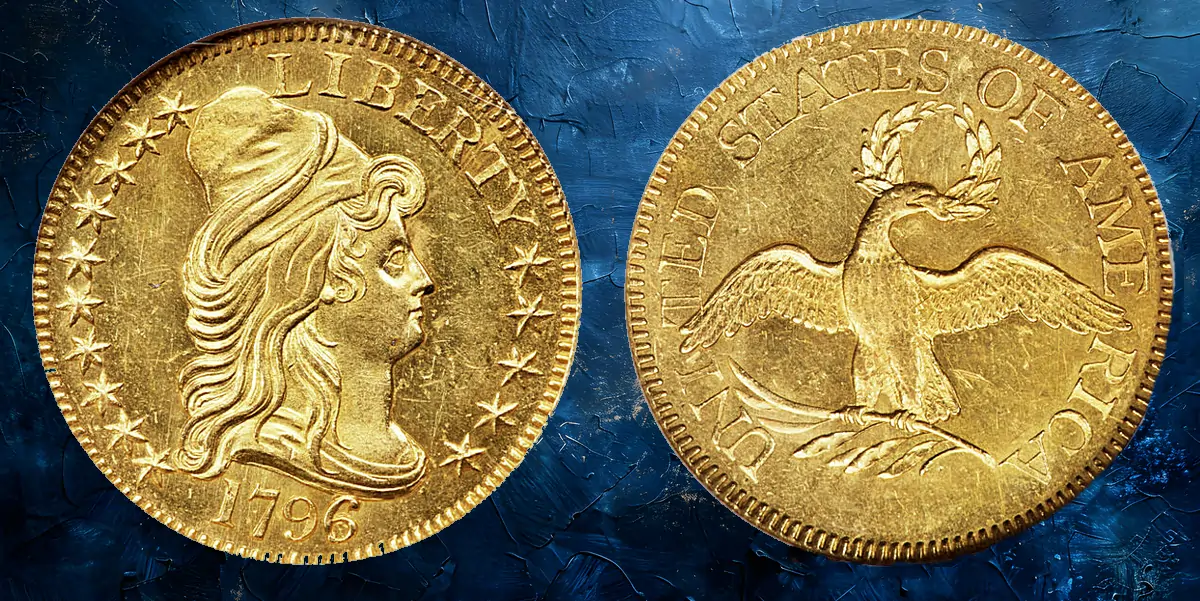
Coin collecting is a journey. Whether you're checking your pocket change for W-mint quarters or bidding on a 1796 Half Eagle, the goal is the same: have fun and protect the history.
If you want to learn more about counterfeit coin detection, grading, or the latest mint news, come hang out with us!
- Listen: Catch The Coin Show podcast every week for deep dives into the hobby.
- Watch: Check out our YouTube channel for close-ups of rare finds.
- Read: Stay tuned to The Daily Mint for more tips like these.
Protect your coins, and they'll protect your investment. Happy hunting!