
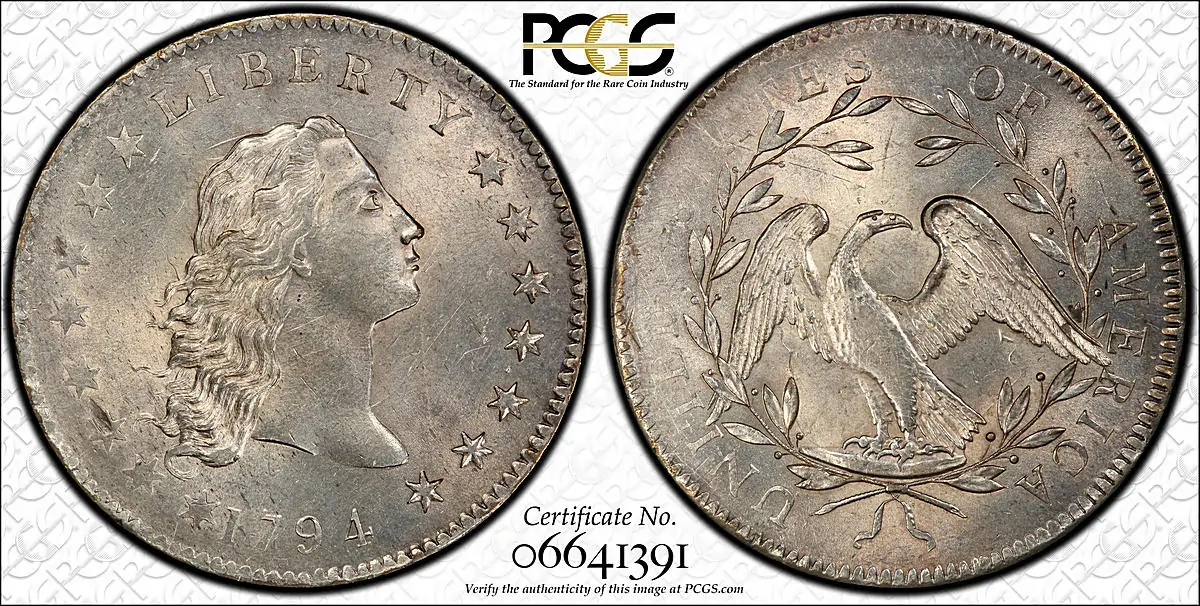
7 Mistakes You’re Making With Your Coin Collection (And How to Fix Them)
Welcome to the world of numismatics! It’s a hobby filled with history, art, and the thrill of the hunt. Whether you're hunting through pocket change or bidding at high-end auctions, you’re part of a community that loves the story behind the metal.
But here’s the truth: even the pros make mistakes. Sometimes those mistakes cost a few bucks. Other times, they can ruin a multi-thousand-dollar rarity. If you've ever wondered why that "shiny" coin you found is worth less than a dull one, or why your coins are starting to turn a weird shade of green, this guide is for you.
We’re breaking down the seven most common mistakes collectors make and, more importantly, how you can fix them. Let's dive in.
1. The "Polished to Death" Error (Cleaning Your Coins)
This is the number one rule of coin collecting: Never clean your coins.
It’s tempting. You find an old silver dollar, and it looks dark and dirty. You think, "A little soap and a scrub will make it look brand new!" Stop right there. In the world of numismatics, "original skin" is everything.
When you scrub a coin, you aren’t just removing dirt. You’re removing the original mint luster: the microscopic flow lines that reflect light. You’re also adding "hairlines," which are tiny scratches that scream "I’ve been cleaned" to any experienced grader. A cleaned coin can lose 50% to 90% of its market value instantly.
How to Fix It:
Leave them alone. If a coin has loose dirt, you can gently blow it off. If it has sticky residue, professional conservation is the only way to go. Otherwise, embrace the "patina" or "toning." It’s a sign of the coin’s history. For more coin collecting tips, check out our blog on coin care.
2. The "Green Slime" Menace (Coin PVC Damage)
Have you ever pulled a coin out of an old plastic flip and found it covered in a sticky, green film? That’s the work of Polyvinyl Chloride, or PVC.
Back in the day, many soft plastic holders used PVC as a plasticizer to make them flexible. Over time, that chemical breaks down and leaches onto the coin. This coin pvc damage is acidic. It doesn't just sit on the surface; it eventually eats into the metal, causing permanent pitting and corrosion.
How to Fix It:
Inspect your collection today. If you have coins in soft, flexible flips that smell like a new shower curtain, move them immediately. Switch to "inert" holders made of Mylar or high-quality rigid plastic. If your coin already has the "green slime," you might need an acetone bath (pure acetone, not nail polish remover) or professional help from a service like NGC or PCGS.
3. Storage Sins (Choosing the Wrong Spot)
Where do you keep your collection? If the answer is "the basement," "the attic," or "under the sink," we need to talk.
Humidity and temperature fluctuations are the enemies of metal. High humidity causes copper coins to spot and silver coins to tarnish in unattractive, blotchy ways. Extreme heat can accelerate chemical reactions (like that PVC damage we just talked about).
How to Fix It:
How to store coin collection 101: Keep it in a cool, dry, and stable environment. A safe is great for security, but make sure it’s not a "fire safe" that uses moisture-releasing chemicals to protect paper. Use silica gel packets to keep the humidity low. For a deep dive, read our guide on storing your coin collection.
4. Flying Blind Without ANA Grading Standards
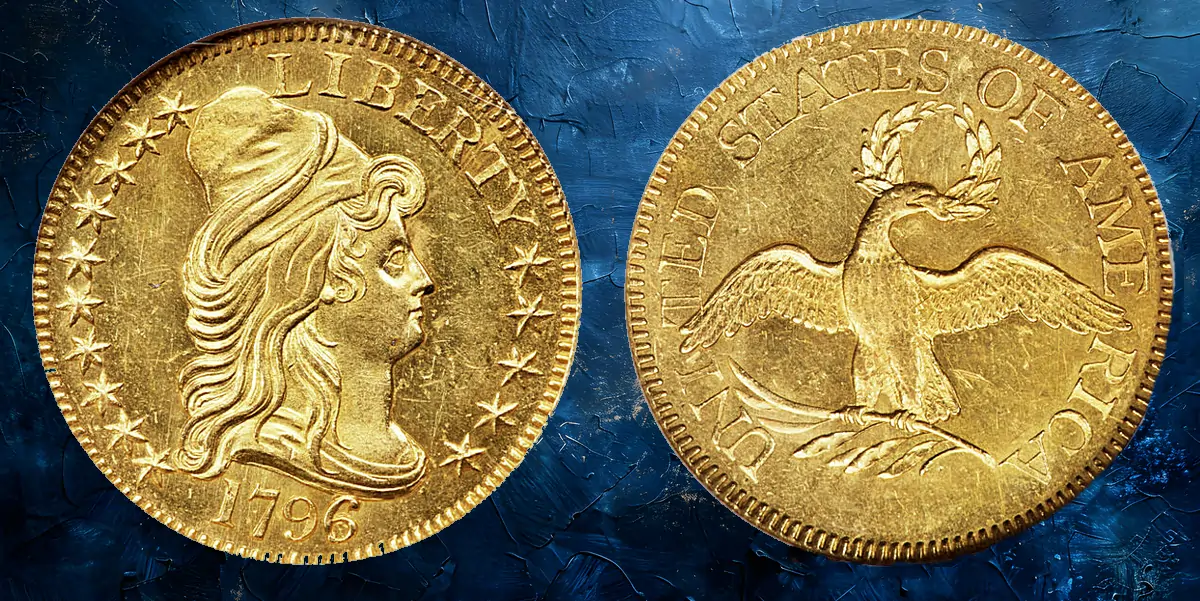
A common mistake for beginners is guessing the grade. "It looks shiny, so it must be Uncirculated!" Not quite. The difference between a coin graded AU-58 (About Uncirculated) and MS-63 (Mint State) can be thousands of dollars.
If you don't understand ana grading standards, you’re at the mercy of whoever is selling the coin. The American Numismatic Association (ANA) set the rules for how we describe a coin’s condition, from Poor-1 to Perfect 70.
How to Fix It:
Invest in "The Official ANA Grading Standards for United States Coins." It’s a must-have for your library. Also, spend time looking at "slabbed" coins (those already graded by professional services). The more you look, the more your "eye" will develop. You can find several great books in Mike’s book recommendations.
5. Falling for "Fake" Finds (Counterfeit Coin Detection)
Counterfeits aren't just a problem for ancient gold coins. Today, everything from common silver eagles to rare key dates is being faked.
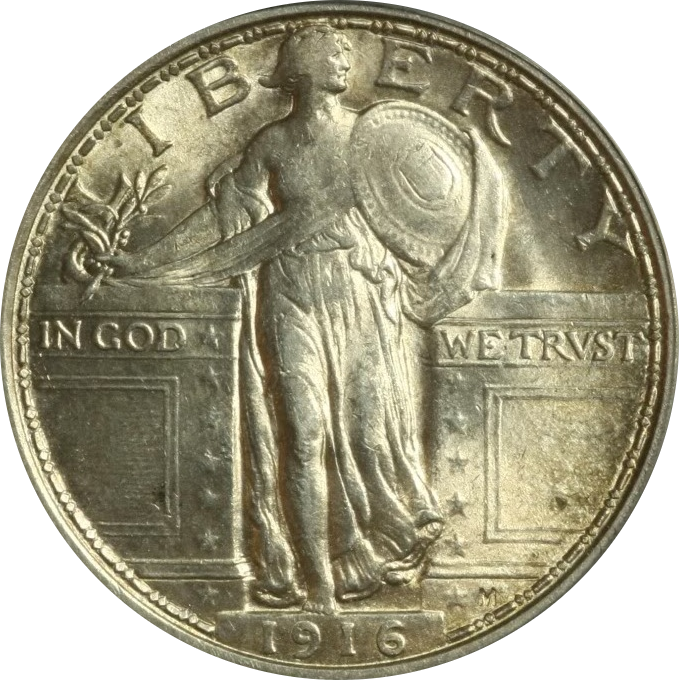
Many collectors get burned because they think they found a "deal" online. If a rare standing liberty quarter 1916 is being sold for $100 "raw" (not in a slab), it’s almost certainly a fake or an altered date. Modern fakes can be incredibly convincing, even matching the weight and metal content of the real thing.
How to Fix It:
Learn the basics of counterfeit coin detection. Get a good 10x loupe and a digital scale that measures to 0.01 grams. Check the "diagnostics" for the specific coin you're buying. For expensive rarities, only buy coins that have been authenticated by reputable third-party grading services like PCGS, NGC, or ANACS.
6. Being a "Lone Wolf" Collector
Coin collecting can feel like a solitary hobby, but you’ll learn ten times faster if you engage with the community. If you only buy from late-night TV or big-box websites, you're missing out on the best parts of the hobby.
How to Fix It:
Go to a show! What is a coin show? It’s a giant room filled with dealers, collectors, and millions of dollars worth of coins. It’s the best place to handle real coins, ask questions, and find the best prices.
Also, listen to a coin collecting podcast. Staying updated on market trends and new releases helps you make smarter buying decisions. Our numismatic podcast, The Coin Show, covers everything from the latest mint releases to historical deep dives. You can listen to the latest episodes here.
7. Overlooking the "Case Study" Coins (Like the 1916 SLQ)
The final mistake is not specializing or learning the "why" behind the rarities. Take the 1916 Standing Liberty Quarter. It’s a "holy grail" for many. But many people don't realize that in 1917, the design was changed. If you don't know the difference between a Type 1 and Type 2, or how to spot an altered date on a 1916, you’re bound to make an expensive error.
How to Fix It:
Pick a series you love: whether it's Mercury Dimes, Morgan Dollars, or even modern ATB Quarters: and become an expert in it. Read the books, watch the videos in our YouTube gallery, and talk to specialized dealers. When you know a series inside and out, you’ll be the one finding the "hidden gems" that others miss.
Summary: Your Pro Checklist
Collecting should be fun, not stressful. By avoiding these seven traps, you’re already ahead of 90% of the market.
- Don't clean it.
- Ditch the PVC.
- Store it dry.
- Learn the grades.
- Watch for fakes.
- Join the community.
- Know your series.
Keep hunting, keep learning, and as always, keep collecting!