
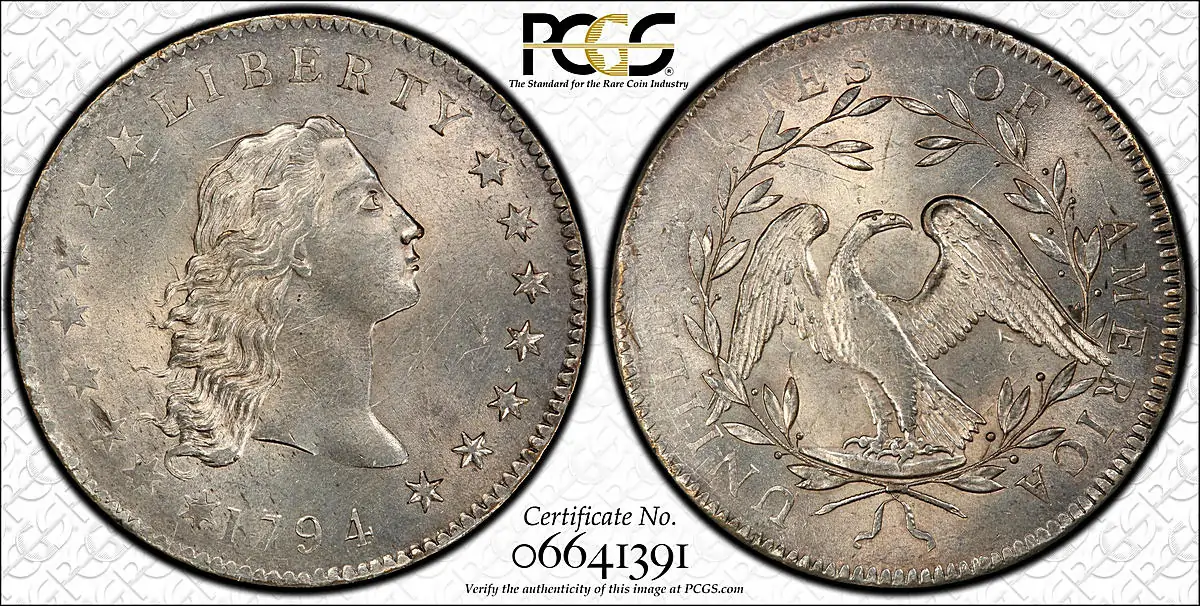
Is PVC Bad? 7 Mistakes You’re Making with Coin Storage (and How to Fix Them)
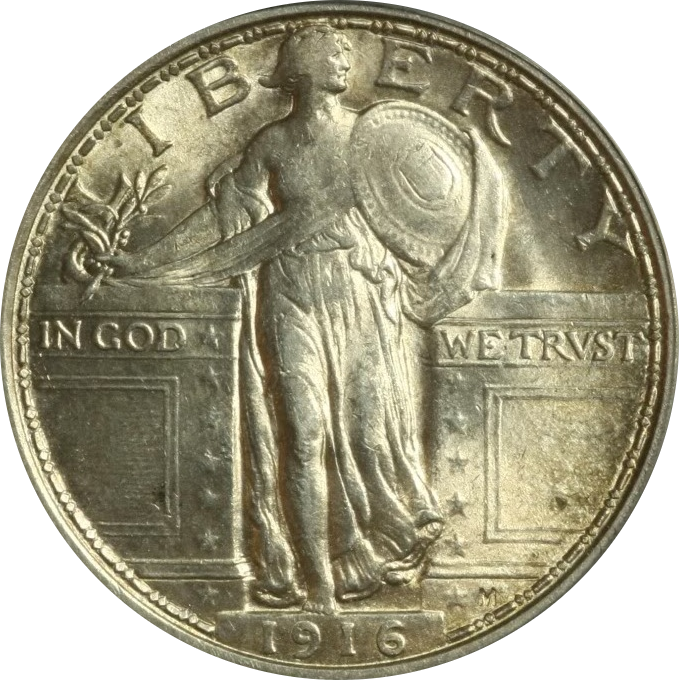
So, you’ve started a coin collection. Maybe you found a rare wheat penny in your change, or perhaps you finally pulled the trigger on that standing liberty quarter 1916 you’ve been eyeing. You’re feeling good. You put your treasures in a box and call it a day.
But a year later, you open that box and find your coins are covered in a weird, sticky green film. Congratulations: you’ve met the arch-nemesis of numismatics: PVC.
At The Coin Show, we talk about this all the time on our coin collecting podcast. Proper storage isn't just about being organized; it’s about preserving history and value. If you want your coins to eventually meet ANA grading standards and fetch a high price, you need to avoid the common pitfalls of "junk drawer" storage.
Here are the 7 biggest mistakes collectors make with coin storage and how you can fix them today.
1. Using "Soft" PVC Flips
This is the big one. PVC (Polyvinyl Chloride) is a plastic used to make coin flips flexible and "soft." While it feels nice, it contains chemicals called plasticizers. Over time, these chemicals leach out of the plastic and onto your coin.
The result? A sticky green slime that eats into the metal. This is known as coin PVC damage, and it’s a nightmare. If left too long, it can permanently pit the surface of the coin.
The Fix: Use only non-PVC, archival-quality holders. Look for "Mylar" or "Safelip" flips. They are stiffer and more "crinkly" than PVC flips, but they won't melt your money.
2. The "Kitchen Table" Cleaning Job
We see this all the time. A collector finds a dirty coin and thinks, "I'll just give this a quick scrub with some baking soda."
Stop.
Cleaning a coin is the fastest way to destroy its numismatic value. Scrubbing creates microscopic scratches called "hairlines." When you eventually take that coin to what is a coin show or send it for grading, the experts will spot those lines instantly. They’ll label it "Improperly Cleaned," and the value will plummet.
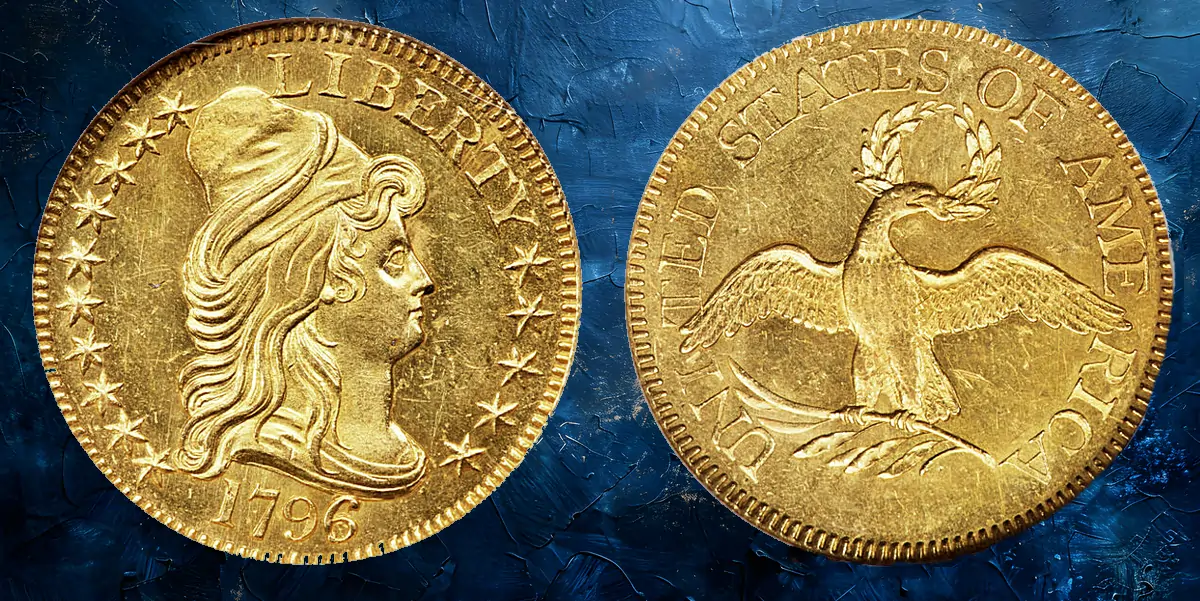
The Fix: If your coin has PVC residue, you can use a pure acetone soak (not nail polish remover!). Acetone dissolves the organic PVC goo without reacting with the metal. For everything else, leave it alone. Originality is everything in this hobby.
3. Storing Coins in the Basement or Attic
Coins hate humidity. High moisture levels accelerate toning and corrosion. If you store your coin storage for collectors setup in a damp basement or a scorching attic, you’re asking for trouble. Temperature swings cause the metal to expand and contract, which can mess with the "luster" or the way light dances off the surface.
The Fix: Keep your collection in a "living" area of your house. If you’re comfortable, your coins are probably comfortable. Use silica gel packs in your storage containers to soak up any stray moisture.
4. Bare-Handed Handling
Your fingers are covered in oils and acids. Every time you touch the face of a coin, you’re leaving a "biological stamp" that will eventually turn into a dark, ugly fingerprint stain. This is especially true for copper coins and high-grade silver.
The Fix: Handle coins only by their edges. Even better, wear lint-free cotton gloves or powder-free nitrile gloves. It might feel a bit extra, but your future self will thank you when your coins are still pristine 20 years from now.
5. Overcrowding and "Jar" Storage
We’ve all seen the "jar of old coins." While it looks cool, it’s a recipe for disaster. When coins rub against each other, they get "bag marks" and scratches. For rare items, every little nick counts against its final grade.
The Fix: Give your coins some personal space. Use individual 2×2 cardboard flips, plastic capsules, or (for your best pieces) professional grading slabs. This is one of the most basic coin collecting tips, but also the one people ignore the most.
6. Falling for "Counterfeit" Storage
Believe it or not, some cheap storage albums are made with materials that contain sulfur. Sulfur causes coins to turn black or develop "milk spots." If you’re buying generic, unbranded albums from a random discount site, you might be buying a slow-motion disaster for your collection.
The Fix: Buy your supplies from reputable numismatic dealers. Stick to brands that specifically mention "archival safe" or "acid-free." If you're serious about how to store coin collection, don't cheap out on the protection.
7. Ignoring the Signs of Trouble
Many collectors "set it and forget it." They put their coins away and don't look at them for a decade. By then, a small environmental issue could have turned into total destruction.
The Fix: Audit your collection at least once a year. Look for new toning, green spots, or cloudiness in the holders. Regular check-ins also help with counterfeit coin detection: the more you look at your genuine coins, the easier it is to spot a fake that might have slipped into your stack.
How to Fix PVC Damage (The Acetone Method)
If you’ve already found that dreaded green slime, don't panic. You can often save the coin if the damage hasn't reached the "pitting" stage.
- Get 100% Pure Acetone: Buy this at a hardware store. Do NOT use nail polish remover; it contains perfumes and oils that will ruin the coin.
- Use Glass: Acetone melts plastic. Use a small glass bowl.
- The Soak: Submerge the coin for 10-30 minutes. You’ll see the green goo start to lift off.
- Rinse: Use distilled water for a final rinse.
- Air Dry: Do not rub the coin dry. Let it air dry on a soft towel.
If the coin is extremely valuable: like that 1916 Standing Liberty Quarter: consider professional conservation services like NCS. They are experts at safely removing contaminants while maintaining the coin's integrity for our favorite numismatic podcast listeners.

Wrap Up
Storing coins correctly isn't hard, it just takes a bit of intention. By avoiding PVC, keeping things dry, and handling with care, you’re protecting your investment and the history of the hobby.
Want more tips on building a world-class collection? Tune in to The Coin Show, the premier coin collecting podcast. We dive deep into everything from the latest mint releases to the history of the 1916 Standing Liberty Quarter.
Happy collecting, and keep that green slime away from your silver!