
7 Mistakes You’re Making with Coin Storage (and How to Avoid PVC Damage)
Welcome back to "The Daily Mint," your daily dose of coin collecting tips and numismatic history. I'm Penny, and today we’re talking about something that keeps collectors up at night: damage.
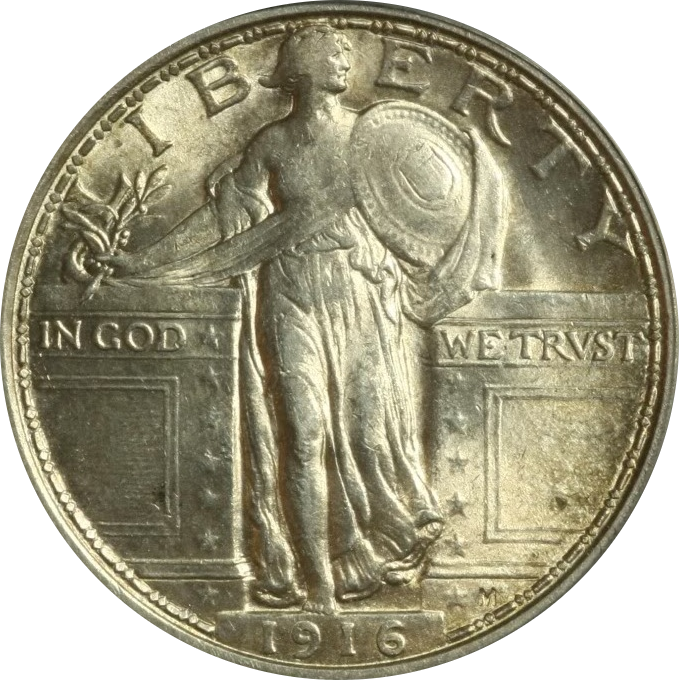
You’ve spent years hunting down that perfect piece for your collection. Maybe you finally snagged a Standing Liberty Quarter 1916 or a beautiful mint-state Morgan. You bring it home, tuck it away in a drawer, and forget about it. Five years later, you pull it out and: to your horror: it’s covered in a sticky, green slime.
That’s PVC damage, and it’s just one of the many ways a bad storage setup can ruin your investment. Whether you’re a regular listener of our coin collecting podcast or you're just starting out, knowing how to store coin collection sets is the difference between a legacy and a box of metal scraps.
Here are the 7 biggest mistakes collectors make with storage and how you can avoid them.
1. The PVC "Green Slime" Trap
The absolute biggest villain in numismatics is PVC (Polyvinyl Chloride). Many cheap, flexible coin flips and album pages use PVC to make the plastic soft and pliable. Over time, the chemicals (plasticizers) in that plastic leak out.
This creates a green, oily film on your coins. If left long enough, it will actually eat into the metal, causing permanent pitting.
The Fix: Only use "archival-safe" or "PVC-free" holders. Look for Mylar or rigid plastic flips that "crackle" when you bend them. If it smells like a new shower curtain, keep it away from your coins!
2. The "Bare Hands" Blunder
Your skin is naturally covered in oils, salts, and acids. Every time you touch a coin’s surface, you’re leaving behind a fingerprint that might not show up today, but will eventually "tone" or corrode into the metal.
On a high-grade silver coin, a dark, permanent fingerprint can slash the value by 50% or more according to ANA grading standards.
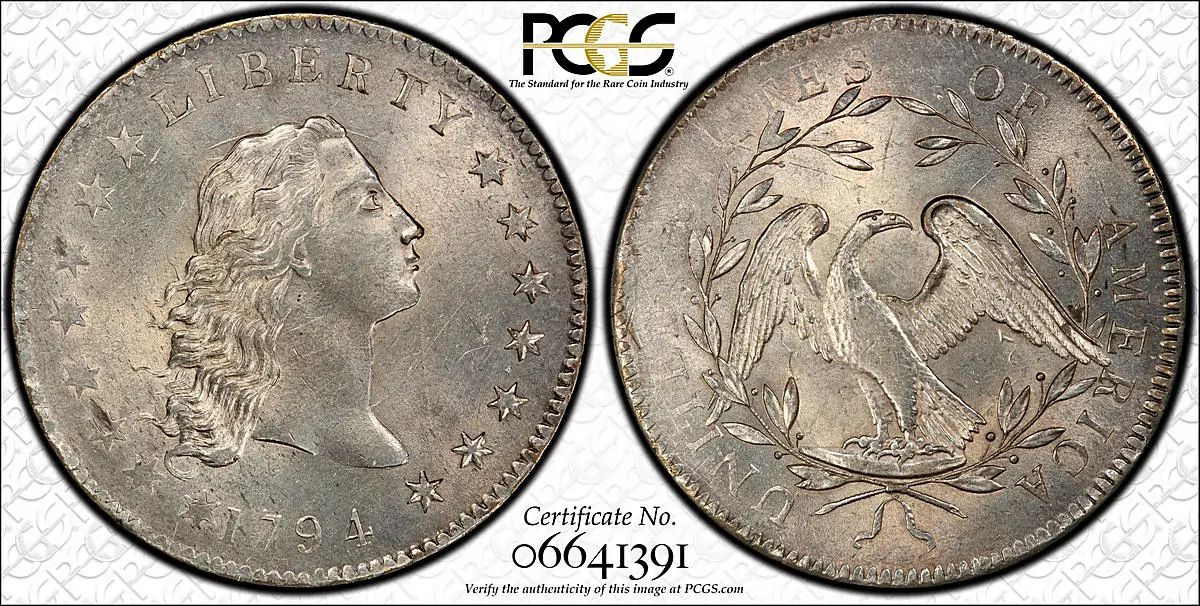
The Fix: Always handle coins by the edges. Even better, wear lint-free cotton or nitrile gloves. If you're handling something as rare as a 1794 Flowing Hair silver dollar, you don't want your lunch's salt to be the reason it loses its MS63+ luster.
3. Storing in the "Danger Zones"
Where do most people keep their coins? The attic or the basement. These are the two worst places in your house. Attics have extreme heat swings that accelerate chemical reactions, and basements are notorious for humidity.
Moisture is the enemy. It leads to spotting, "milk spots" on modern silver, and rust on steel cents.
The Fix: Store your collection in a "climate-controlled" area. If it’s a room where you are comfortable, your coins probably are too. Use silica gel packs in your safe or storage boxes to suck up any stray moisture.
4. The "Cleaning" Catastrophe
We hear it all the time on our numismatic podcast: "I found an old coin and cleaned it up to make it look new!"
Stop right there. Never, ever clean your coins. Even a soft cloth can leave "hairlines": tiny scratches that any professional grader will spot in a heartbeat. A "cleaned" coin is almost always worth significantly less than an uncleaned one, even if the uncleaned one is dirty.
The Fix: If a coin has PVC slime, it can sometimes be saved with a pure acetone dip (not nail polish remover!), but this should only be done if you know exactly what you're doing. Otherwise, leave it alone.
5. Using "Improvised" Packaging
It’s tempting to use what’s lying around the house. Sandwich bags, rubber bands, paper clips, and even some types of paper envelopes are hazardous.
- Rubber bands contain sulfur, which will turn your silver coins black.
- Paper clips scratch surfaces.
- Tape leaves adhesive that is nearly impossible to remove without damage.
The Fix: Invest in actual coin storage for collectors. Airtite capsules, 2×2 cardboard flips (stapled correctly!), and archival-safe tubes are worth the small investment. If you’re wondering where to find these, a local coin show is the perfect place to browse supplies in person.
6. Forgetting About Security
"Out of sight, out of mind" isn't enough. If your collection is valuable, a fireproof safe is a must. However, many safes use a fireproofing material that actually releases moisture: which brings us back to the humidity problem.
The Fix: Get a "dry" safe or use a desiccant. Also, don't tell everyone about your collection. Security isn't just about locks; it's about "operational security."
7. Skipping the Sorting & Documentation
Many collectors just toss coins into a jar. This leads to "bag marks" (scratches from coins hitting each other). Plus, if you don't know what you have, you might miss a rarity or a counterfeit.
Counterfeit coin detection starts with proper organization. When you're putting a coin into a holder, take the time to weigh it, check the diameter, and compare it to known authentic examples.
The Fix: Every coin should have its own "apartment" (a flip or capsule). Label it with the date, mintmark, and any variety you've found.
Why This Matters
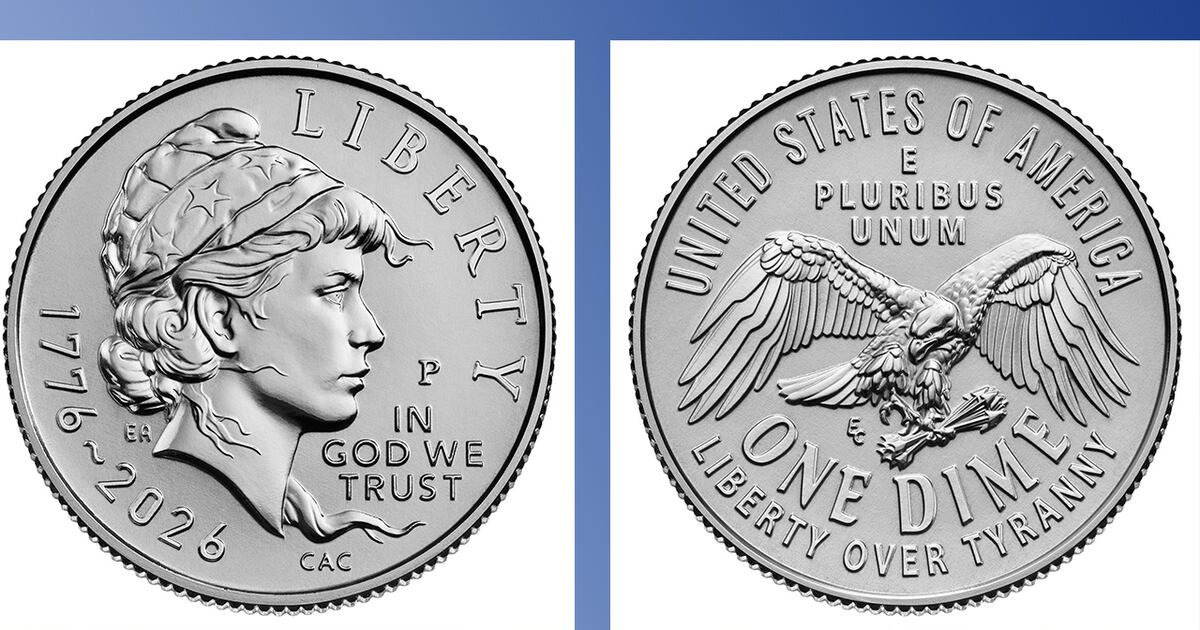
Storing your coins properly isn't just about being "fussy." It's about preservation. Whether you're holding onto a Standing Liberty Quarter 1916 or a brand-new Emerging Liberty Dime, you are a steward of history.
If you're not sure what is a coin show or how to get started with better supplies, come listen to our latest episodes. We talk about coin collecting tips every week and share stories from the front lines of the hobby.
Take ten minutes this weekend to check your flips. If they're soft and greasy, swap them out. Your future self (and your wallet) will thank you.
Happy collecting!