
Are You Making These Common Coin Storage Mistakes? (How to Spot PVC Damage)
If you’ve been hanging around the coin collecting community for a while, you’ve probably heard the horror stories. You buy a beautiful silver dollar, tuck it away in an album, and forget about it for ten years. When you finally pull it out to show a friend, it’s covered in a weird, green slime.
Welcome to the nightmare of PVC damage.
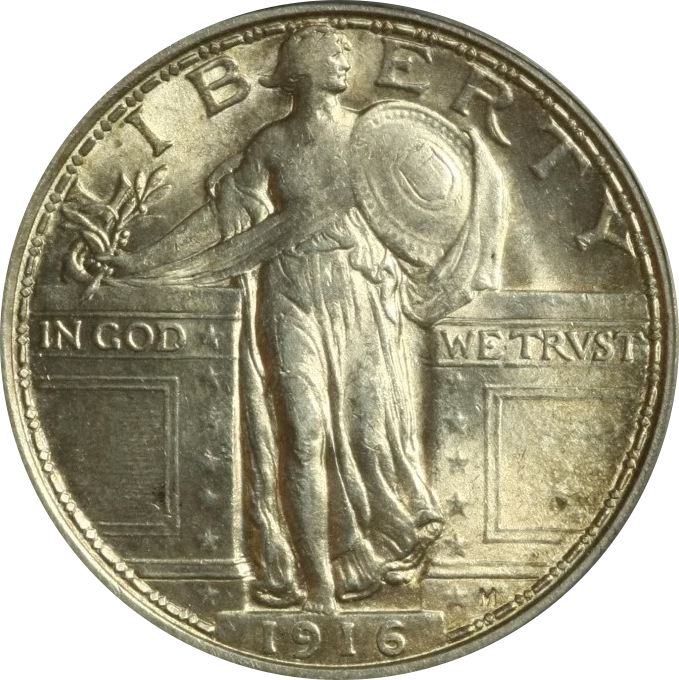
At The Coin Show, we talk a lot about the thrill of the hunt and the history behind the metal. But part of being a good numismatist is being a good caretaker. Whether you’re a beginner checking pocket change or a seasoned pro hunting for a standing liberty quarter 1916, how you store your collection matters.
Let’s look at the most common storage mistakes and how to keep your coins safe for the next generation.
1. The "New Shower Curtain" Smell (The PVC Trap)
The biggest enemy of a coin collection isn't a thief; it’s a chemical called Polyvinyl Chloride, or PVC.
Back in the day, many plastic flips and album pages were made with PVC to make them soft and pliable. The problem? Over time, those chemicals "gas out." They break down and react with the metal of your coins.
How to spot it:
- The Smell: If you open a coin album and it smells like a brand-new shower curtain or a plastic beach ball, you’ve got a problem. That’s the smell of off-gassing plasticizers.
- The Feel: If the holder feels sticky, oily, or unusually "floppy," it likely contains PVC.
- The Look: On the coin itself, PVC damage starts as a light, greasy haze. Eventually, it turns into bright green, "goopy" slime.
The Fix:
Only use holders labeled as PVC-free, archival-safe, or Mylar. If you find a coin with that green goo, don’t scrub it! You’ll scratch the surface and ruin the value. Many collectors use a pure acetone bath to gently dissolve the residue, but if the coin is high-value, consider professional conservation.
2. Storing Coins in the "Danger Zones"
Where do most people keep their coins? Usually the basement or the attic. These are the two worst places in your house for numismatics.
Coins hate two things: humidity and temperature swings.
- The Basement: Often too damp. Moisture is the catalyst that turns PVC residue into an acid that eats your coins. It also causes "environmental damage" and ugly toning on copper.
- The Attic: Too hot. Extreme heat accelerates the breakdown of plastic holders and can cause coins to tone or "milk spot" rapidly.
Coin storage for collectors should always be in a "controlled environment." Think of it like this: if you’re comfortable, your coins are probably comfortable. A cool, dry closet in the main part of your house is a much better choice. For extra protection, toss a few silica gel packets into your safe or storage box to soak up any stray moisture.
3. The "Bare Flip" Blunder
We see this a lot when people bring collections to a what is a coin show event. They have dozens of coins loosely sliding around in a binder page without any secondary protection.
While binder pages are convenient, they aren't always airtight. If you live in a humid area, air and moisture can get inside those pockets.
The Pro Tip:
Put your coins in a cardboard 2×2 holder (the ones you staple shut) before putting them into a binder page. This adds a second layer of protection and keeps the coin from sliding around and getting "slide marks" or scratches on the high points.
4. Handling Coins Like Pocket Change
It’s tempting to pick up a beautiful coin and feel the weight of history in your palm. But your fingers are covered in natural oils and salts. If you touch the face of a Proof coin or a high-grade Mint State piece, those oils can leave a permanent fingerprint that "burns" into the metal over time.
Always handle coins by the edges. Even better, wear lint-free cotton gloves. If you're serious about coin collecting tips, learning proper "edge-only" handling is step one.
5. Buying Uncertified "Keys" Without a Plan
Imagine finding a standing liberty quarter 1916 at a flea market for a "too good to be true" price. You buy it, put it in your album, and later find out it's a 1917 that someone doctored.
Counterfeit detection is a huge part of the hobby. Before you drop big money on a key date, you need to know ANA grading standards and what to look for in a genuine coin.
- Weight: Does it weigh what it should?
- Details: Are the letters and dates "mushy"?
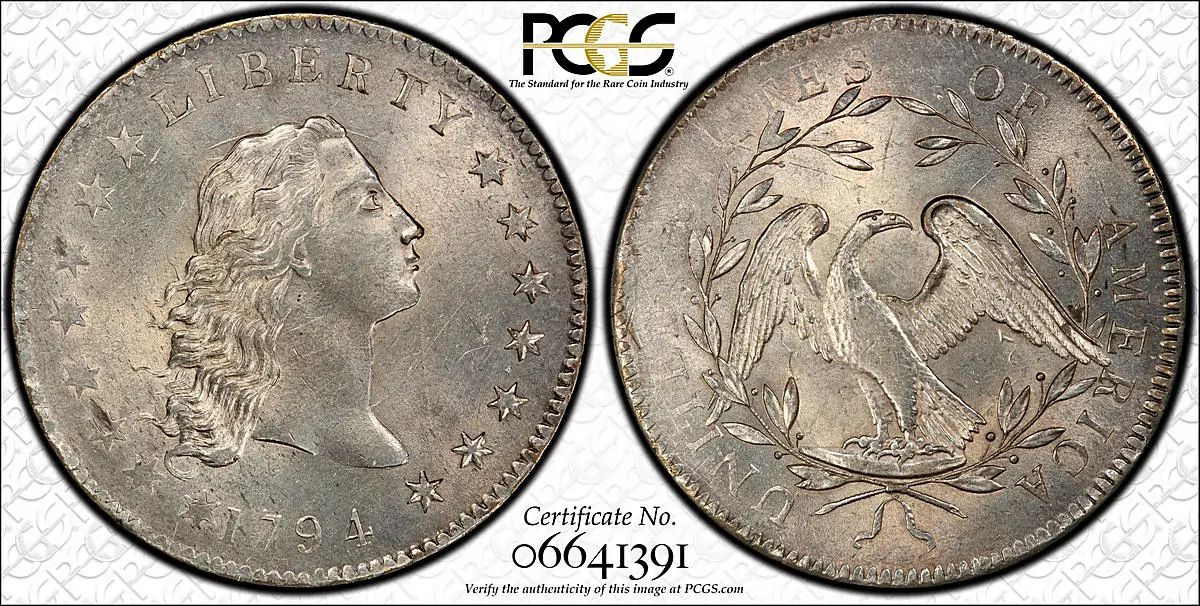
- Certification: For big-ticket items, buy coins already graded by reputable services like PCGS or NGC.
Historical Spotlight: The 1916 Standing Liberty Quarter
Speaking of the standing liberty quarter 1916, this coin is a perfect example of why storage matters.
Only 52,000 of these were ever made. They were struck at the very end of 1916 and released into circulation without any fanfare. Because the design was "Type I" (showing Liberty's bare breast), it caused a bit of a stir and was redesigned in 1917 to cover her up with a coat of chain mail.
Most 1916 quarters were spent and worn down to nothing. Finding one in high grade is a collector's dream. But if one of those rare survivors was put in a cheap PVC flip in 1970, that $10,000+ coin could be worth a fraction of that today due to chemical corrosion.
Wrap Up: Audit Your Collection Today
Take ten minutes this weekend to look through your binders.
- Do you smell "new plastic"?
- Do you see any green film?
- Are your coins in a damp basement?
If you find a problem, don't panic. Move the coins to safe, Mylar flips or hard plastic capsules.
Want more tips on keeping your collection safe? Check out The Coin Show, our numismatic podcast where we dive deep into the stories, the science, and the business of coins. You can find us on our website or your favorite podcast app.
Collecting is about more than just filling holes in a map: it’s about preserving history. Let's make sure that history doesn't turn green.