

7 Mistakes You’re Making with Coin Storage for Collectors (and How to Fix Them)
You’ve spent years hunting through pocket change, visiting your local coin shop, and scouring eBay for that perfect addition to your collection. Maybe you even scored a Standing Liberty Quarter 1916: a "holy grail" for many: and you want to make sure it stays in pristine condition.
But here’s the cold, hard truth: how you store your coins is just as important as how you buy them. Many collectors, both beginners and veterans, are unknowingly damaging their investments every single day.
At The Coin Show, we’ve seen it all on our numismatic podcast. From "green slime" to hairline scratches, poor storage is the silent killer of coin values. In this guide, we’re breaking down the seven most common storage mistakes and exactly how to fix them.
1. Using "Soft" PVC Flips (The Green Slime)
This is the cardinal sin of coin collecting. Many cheap plastic flips and binder pages contain Polyvinyl Chloride (PVC). Over time, the plasticizers in PVC break down, releasing acidic chemicals that react with the metal.
The Mistake: Storing coins in soft, oily-feeling plastic flips.
The Result: A sticky, green residue known as coin PVC damage. If left long enough, this "green slime" will eat into the surface of the coin, causing permanent pitting and destroying its numismatic value.
The Fix: Only use inert, PVC-free holders. Look for "Mylar" or "non-plasticized" flips. They are stiffer and more brittle, but they won't melt your coins.
2. The "Kitchen Table" Cleaning Session
We get it. You find a dirty old silver dollar and you want to see it shine. You grab some baking soda, a soft cloth, or heaven forbid, some silver polish.
The Mistake: Cleaning or polishing your coins to make them look "new."
The Result: You aren't just removing dirt; you’re removing the original surface of the metal. ANA grading standards are incredibly strict about "cleaned" coins. A coin that has been scrubbed will often be worth only a fraction of its original value, regardless of how "shiny" it looks now.
The Fix: Don't clean your coins. Period. If a coin has active corrosion or heavy PVC residue, seek professional conservation services like those offered by NCS.
3. Storing Coins in the Basement or Attic
Environment is everything. Many collectors tuck their boxes of coins away in a basement or an attic to keep them "out of the way."
The Mistake: Storing coins in areas with high humidity or extreme temperature swings.
The Result: Humidity leads to spotting and accelerated toning. If you live near the ocean, salt air can be even more destructive. Temperature swings can cause holders to expand and contract, potentially letting in air and moisture.
The Fix: Keep your collection in a "living space": somewhere with a stable temperature and low humidity (ideally 40–50% RH). Use silica gel packs in your storage boxes to soak up any stray moisture.
4. Handling Coins with Bare Fingers
Your skin is naturally covered in oils and salts. While they are great for keeping your skin healthy, they are terrible for metal.
The Mistake: Touching the face (obverse or reverse) of a coin with your bare hands.
The Result: Fingerprints. On a high-grade modern coin or a classic like a Standing Liberty Quarter 1916, a single fingerprint can eventually "etch" into the metal, leaving a permanent mark that cannot be removed without damaging the coin.
The Fix: Handle coins only by their edges. For the best protection, wear lint-free cotton gloves. If you're listening to our coin collecting podcast while organizing, make it a habit to glove up first!
5. Trusting Common Household Items
It’s tempting to use what you have on hand. Ziploc bags, Tupperware, or old envelopes seem harmless, right? Wrong.
The Mistake: Using non-numismatic storage like sandwich bags or office envelopes.
The Result: Common paper envelopes often contain sulfur, which will cause your silver coins to turn black or develop ugly toning. Plastic bags can trap moisture and may contain harmful chemicals.
The Fix: Invest in purpose-built numismatic supplies. If you aren't sure where to buy them, ask a dealer at a coin show. What is a coin show? It’s a gathering of dealers and collectors where you can find everything from rare coins to archival-safe albums and flips.
6. Ignoring the Importance of Slabbing
For high-value items, "raw" storage (just a flip or a folder) might not be enough.
The Mistake: Keeping extremely rare or high-value coins in basic flips indefinitely.
The Result: Higher risk of accidental damage, and a harder time with counterfeit coin detection if you ever decide to sell.
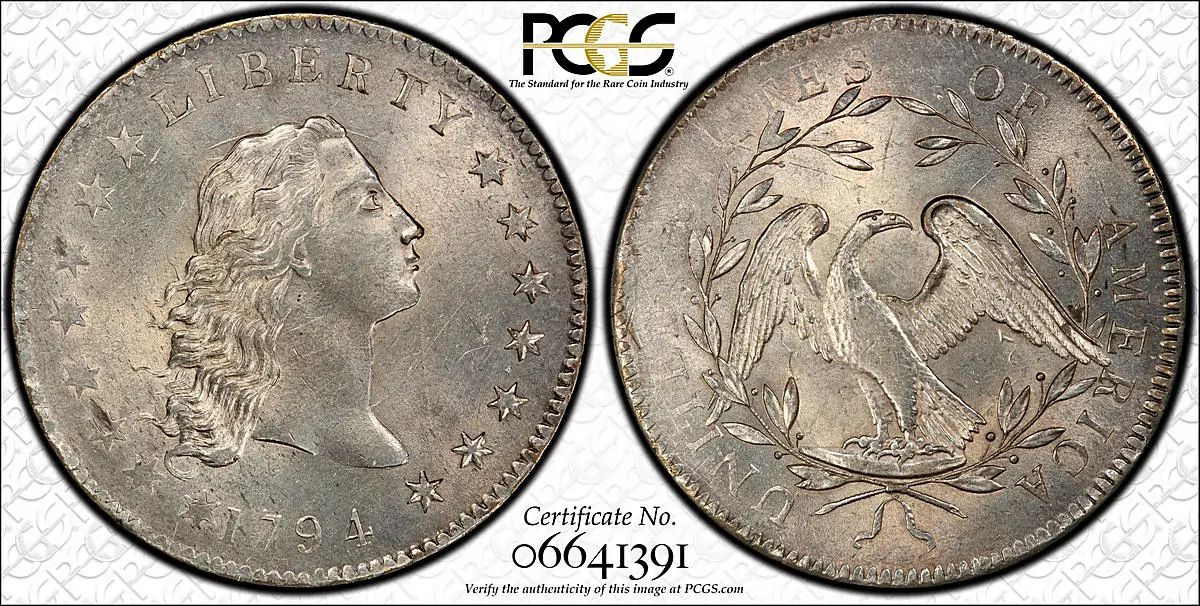
The Fix: Send your "key date" coins to a third-party grading service like PCGS or NGC. These "slabs" are made of inert plastic and are sonically sealed, providing one of the best environments for long-term storage while also guaranteeing the coin's authenticity.
7. Forgetting About Security
You’ve spent time and money building this collection. Now, where is it?
The Mistake: Keeping a valuable collection in an unlocked drawer or a generic "fire box."
The Result: Theft or loss during a fire. Standard fire boxes are designed to keep paper from charring, but they can actually trap humidity inside, which is bad for coins.
The Fix: Use a high-quality, bolted-down safe or a safe-deposit box at your bank. If you keep coins at home, ensure your homeowner's insurance covers collectibles: often, you need a specific "rider" for coins.
Learn More and Get Expert Coin Collecting Tips
Storage is just one piece of the puzzle. If you want to dive deeper into the world of numismatics, check out The Coin Show. We produce a regular numismatic podcast where we discuss everything from the latest US Mint releases to historical deep dives.
Whether you're trying to figure out if your 1916 quarter is the real deal or you just want to know how to spot a fake, we've got you covered. Tune in for more coin collecting tips and join our community of enthusiasts.
Quick Fix Checklist:
- Check your flips: If they feel soft or smell like a shower curtain, toss them.
- Move the box: Get your coins out of the basement and into a closet in your main living area.
- Buy a pack of gloves: Keep them with your coins so you're never tempted to use bare hands.
- Add Silica: Toss a few desiccant packs into your storage containers.
Proper storage isn't just about keeping things neat; it's about protecting your legacy. Take an hour this weekend to audit your collection: your future self (and your wallet) will thank you.