
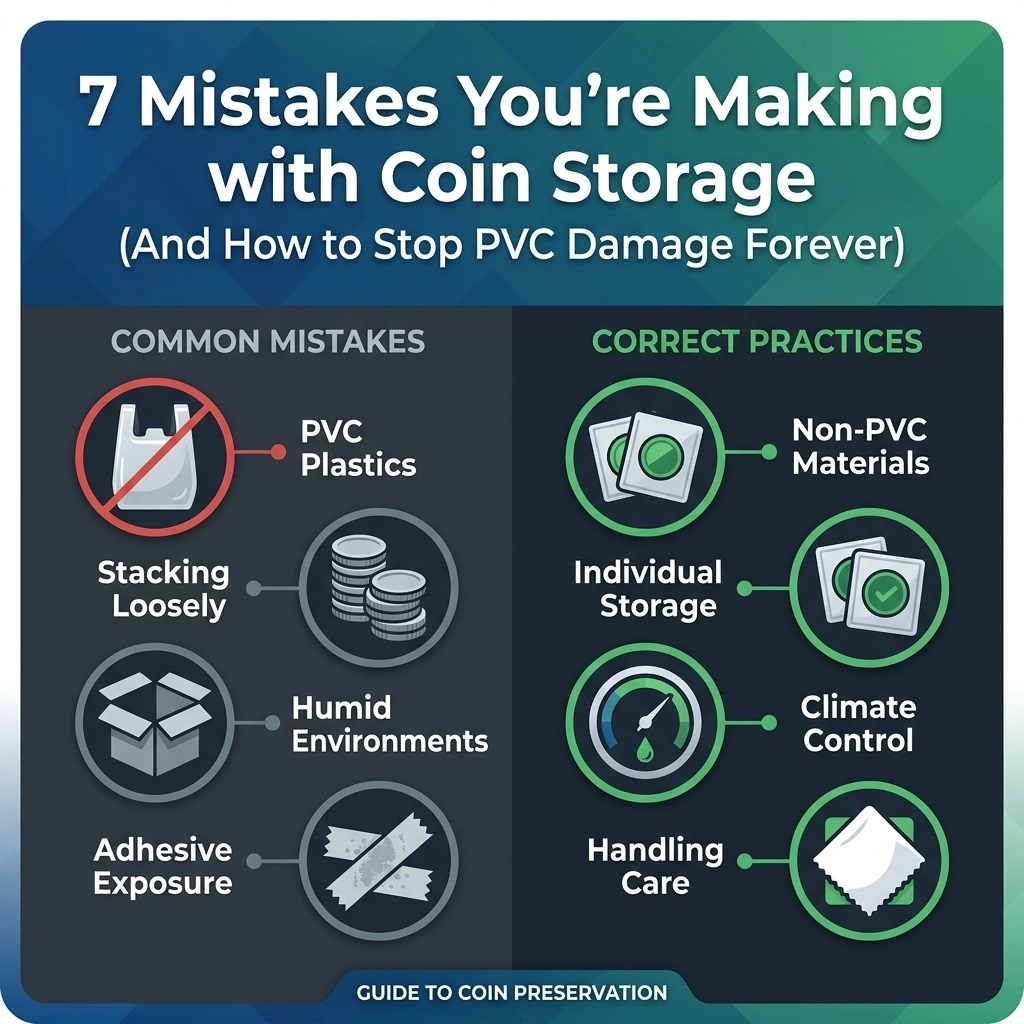
7 Mistakes You’re Making with Coin Storage (And How to Stop PVC Damage Forever)
Welcome back to "The Daily Mint." It’s Tuesday, April 7, 2026, and if you’ve been tuning into our coin collecting podcast, you know that Matt Dinger and the crew are always preaching the gospel of preservation.
Collecting is about more than just the thrill of the hunt. It’s about being a temporary steward of history. Whether you just snagged the new 1776-2026 Emerging Liberty Dime (releasing in just ten days!) or you’ve been holding onto a family heirloom for decades, how you store your coins dictates whether they stay "Gem Bu" or turn into a corroded mess.
Today, we’re diving into the seven most common mistakes collectors make. If you want to protect your investment and keep your collection looking sharp, listen up.
1. The "Naked Hand" Approach
It’s tempting. You get a new coin, and you want to feel the weight of it. But your skin is a chemistry lab. You’re covered in natural oils, salts, and sometimes a little bit of sweat.
When you touch the surface (the "field") of a coin with your bare hands, you’re leaving behind a fingerprint that might not show up today, but it will show up in five years as a dark, permanent smudge. This is one of the most basic coin collecting tips, yet people ignore it every day.
The Fix: Always handle coins by the edges. Better yet, wear lint-free cotton gloves or powder-free latex gloves. If you're serious about how to store coin collection properly, you never let skin touch metal.
2. The PVC Nightmare (The "Green Slime")
This is the big one. If you take away nothing else from this post, let it be this: PVC is the enemy.
Many older, soft plastic flips were made with polyvinyl chloride (PVC) to make them flexible. Over time, the chemicals in the plastic break down and release an acidic gas. This creates a sticky, green film on the coin’s surface. If left long enough, it will actually eat into the metal. This is the primary cause of permanent coin pvc damage.
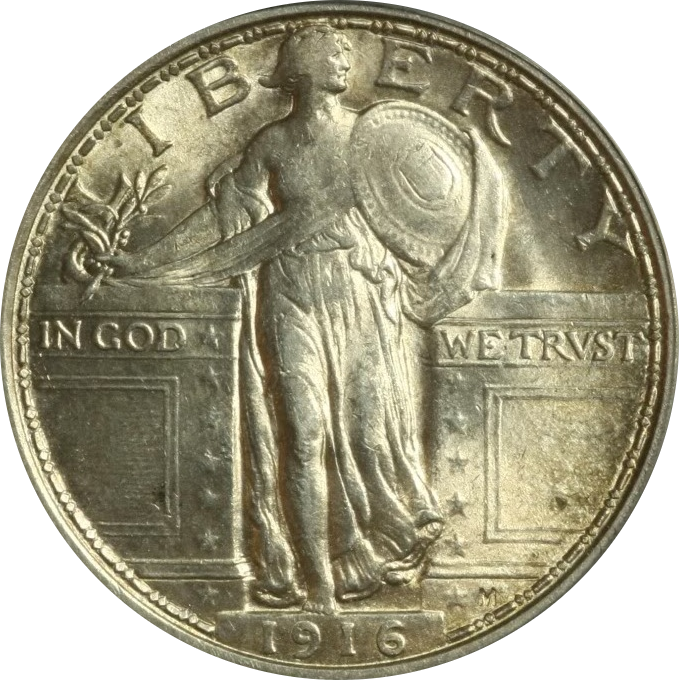
Take a look at a classic like the Standing Liberty Quarter 1916. If a coin this rare and beautiful was left in a PVC flip, that iconic design would eventually be obscured by a hazy, green goo. Once the metal is pitted, no amount of restoration can bring back the original luster.
The Fix: Use non-plasticized Mylar flips. They are stiffer and don't look as "clear" as the soft ones, but they are chemically inert. If your coins are in soft, smelly plastic (if it smells like a shower curtain, it’s PVC), move them immediately.
3. Treating the Basement Like a Vault
Basements are great for laundry and storage bins, but they are usually the worst place for coin storage for collectors. Why? Humidity.
High humidity leads to oxidation and spotting. If you’ve ever seen a silver coin with ugly, black splotches or a copper coin that looks like it’s growing moss, you’re looking at environmental damage. Conversely, an attic that gets to 120 degrees in the summer is just as bad. Temperature fluctuations cause the metal to expand and contract, which can mess with the "skin" of the coin.
The Fix: Keep your collection in a climate-controlled part of your house. Think "cool and dry." Use silica gel packets in your safe or storage boxes to suck up any stray moisture.
4. The "Staple" Scratches
We love 2×2 cardboard holders. They’re cheap and effective. But the staples are hidden landmines. If you don't crimp your staples flat with a pair of pliers, the sharp metal ends can scratch the next coin in the box when you’re flipping through your collection.
The Fix: Invest in a "flat-clinch" stapler or simply use a pair of pliers to flatten the staples after you shut the holder. It takes two seconds and saves you from a heart-breaking scratch on a high-grade piece.
5. Stacking Coins Without Protection
If you have a pile of loose silver dollars sitting in a cigar box, they are constantly rubbing against each other. This creates "bag marks" and hairline scratches. While a 1794 Flowing Hair Silver Dollar is expected to have some wear, you don't want to be the one adding new scratches to a multi-million dollar piece of history.
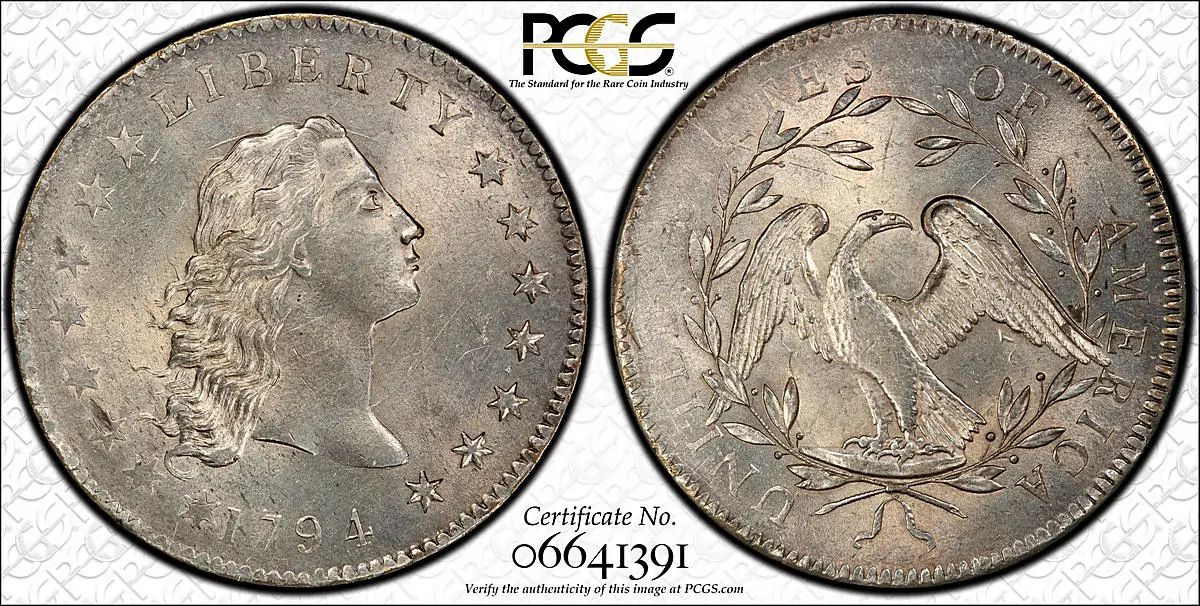
A coin like the 1794 Flowing Hair pictured above recently sold for $4.5 million because of its incredible state of preservation. If it had been tossed in a jar with other coins, it would be worth a fraction of that.
The Fix: Every coin should have its own "home." Whether it’s a flip, a capsule, or a professional grading slab, physical separation is mandatory.
6. Falling for the "Cleaning" Trap
New collectors often think they’re doing the coin a favor by "shining it up." Never, ever clean a coin with polish, baking soda, or a cloth. This creates "hairlines" that any professional grader will spot instantly.
When you hear us talk about ANA grading standards on our numismatic podcast, "cleaned" is a dirty word. A cleaned coin can lose 50-90% of its value instantly.
The Fix: Leave the "dirt" alone. If a coin has PVC damage, it may require professional conservation (like from NCS), but don't try the DIY route unless you’re practicing on common pocket change.
7. Lack of Documentation and Security
The final mistake isn't about the coin's surface; it's about the collection's safety. If you don't know what you have, you can't protect it. Many collectors keep their best stuff in a "hidden" spot that they eventually forget, or they don't have photos for insurance purposes.
Furthermore, counterfeit coin detection is getting harder. If you’re storing high-value coins, you need to have them authenticated and graded.
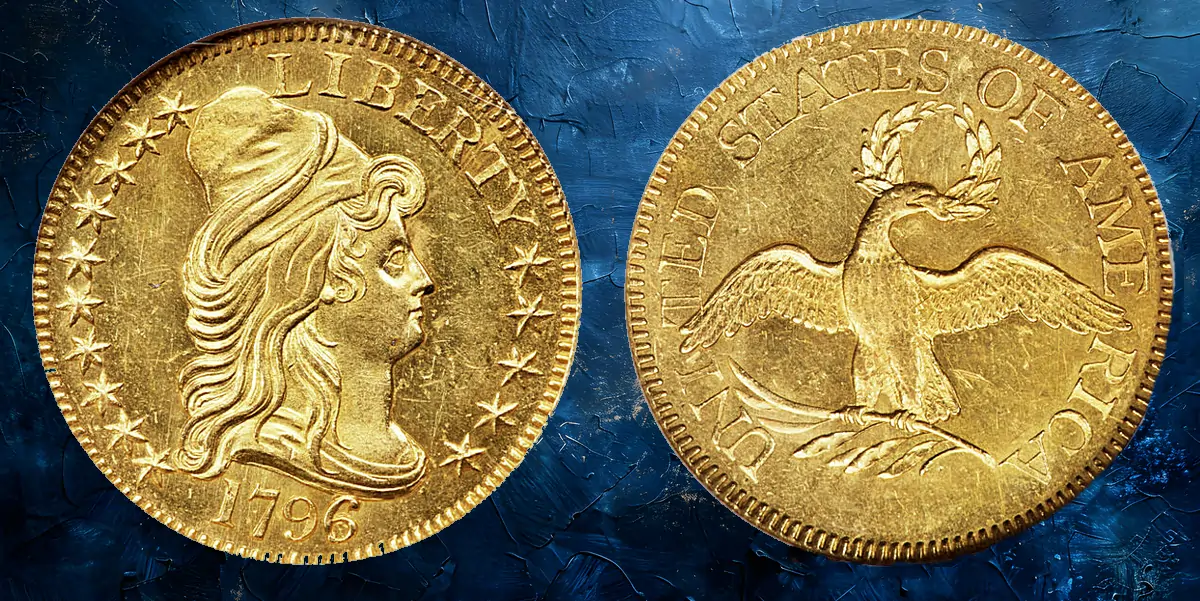
Imagine owning a rarity like the 1796/5 Half Eagle. You wouldn't just leave that in a drawer. You'd want it in a secure, fireproof safe, with digital records and high-res photos stored in the cloud.
The Fix: Use a spreadsheet or a dedicated app to track your purchases, grades, and prices paid. Keep your most valuable items in a bank safety deposit box or a high-quality home safe bolted to the floor.
What is a Coin Show and Why Should You Go?
If you're feeling overwhelmed by storage options, the best place to learn is at a local show. You might ask, what is a coin show? It’s a gathering of dealers, collectors, and experts where you can buy supplies, see high-grade coins in person, and get advice on your specific collection.
At a show, you can feel the difference between a cheap vinyl flip and a high-quality Mylar one. You can talk to dealers about how they protect their inventory from the elements. Plus, it's the best place to find those archival-quality storage boxes that aren't sold at your local big-box store.
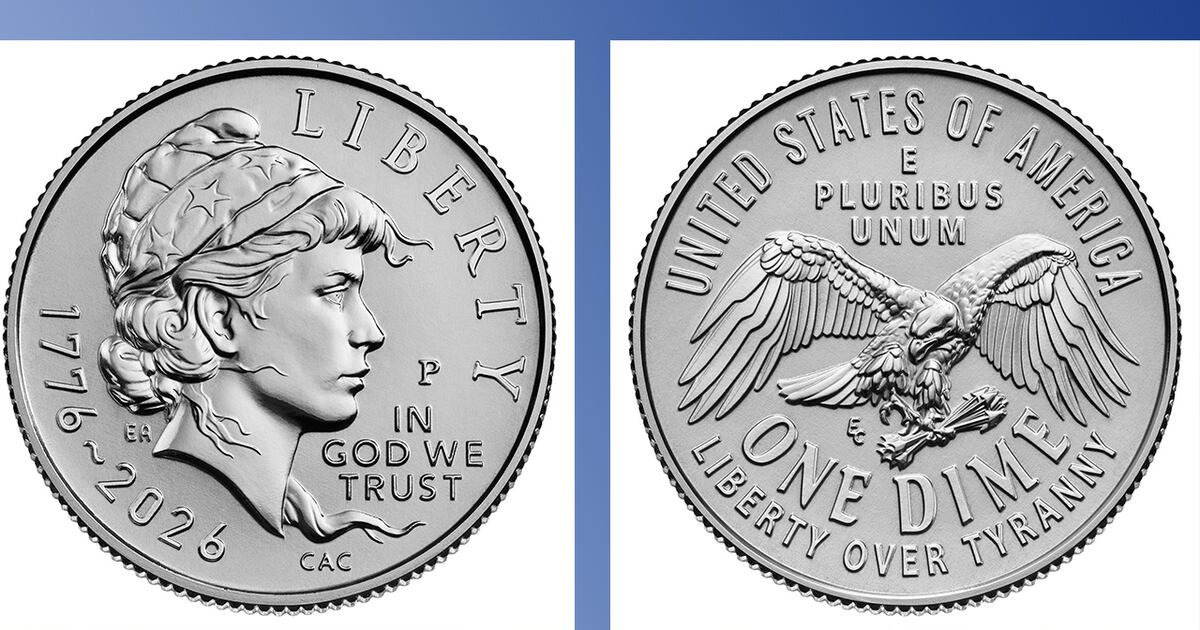
As we approach the release of the 1776-2026 Emerging Liberty Dime on April 17th, many of you will be heading to shows or the U.S. Mint website to pick up these new pieces. Make sure you have your Mylar flips and silica packets ready before the coins arrive.
The Bottom Line
Coin collecting is a marathon, not a sprint. The decisions you make today about how to store your collection will determine its value and beauty twenty years from now. Avoid the "green slime" of PVC, keep your hands off the fields, and respect the environment where your coins live.
For more deep dives into the world of numismatics, check out The Coin Show. We’ve got hundreds of episodes filled with stories, interviews, and more coin collecting tips to help you navigate the hobby like a pro.
Keep hunting, keep learning, and for the love of all things shiny( get your coins out of those PVC flips!)