
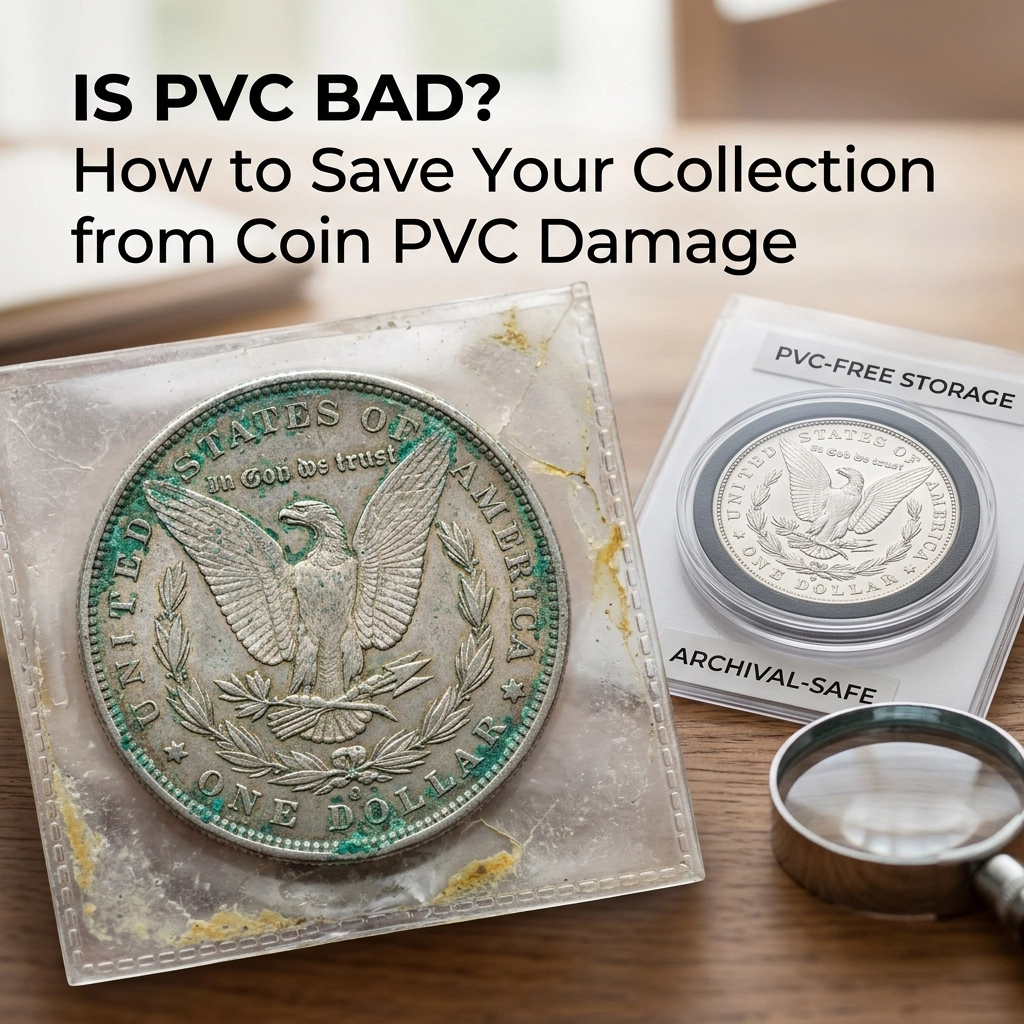
Is PVC Bad? How to Save Your Collection from Coin PVC Damage
Hey there, collectors. Matt Dinger here from The Coin Show. If you’ve been hanging around the numismatic world for any length of time, you’ve probably heard the term "PVC" whispered like a ghost story around a campfire. Experienced collectors dread it. New collectors often ignore it until it’s too late.
Today for 'The Daily Mint', we are diving deep into the green slime. We’re going to talk about why PVC is the single biggest threat to your coins in storage, how to spot the damage before it’s terminal, and how to store coin collection sets so they last for the next century. Whether you’re holding a rare 1916 Standing Liberty Quarter or just a handful of silver eagles, this is the coin care guide you need.
What Exactly is PVC?
PVC stands for Polyvinyl Chloride. In the world of plastics, it’s everywhere. It’s durable, flexible, and cheap. For decades, it was the go-to material for "flips": those clear plastic pockets we use to hold coins.
The problem isn't the PVC itself, but the chemicals added to it. Raw PVC is actually quite brittle. To make those coin flips soft and pliable, manufacturers add "plasticizers." These are oily chemicals that act like a lubricant between the plastic molecules.
Over time, these plasticizers don't stay in the plastic. They leach out. When they hit the surface of your coin, a chemical reaction starts. This is where coin PVC damage begins, and if you aren't careful, it ends with a permanently ruined piece of history.
The Chemistry of Destruction
When these plasticizers escape the holder, they break down and release hydrogen chloride gas. When that gas meets the tiny bit of moisture in the air (humidity), it creates a very weak but very persistent hydrochloric acid.
This acid eats into the metal. It doesn't matter if it’s silver, gold, or copper: though some metals hate it more than others.
- Copper: The most sensitive. It will spot and turn dark almost immediately.
- Silver: Develops a cloudy, milky look and eventually those infamous green streaks.
- Gold and Platinum: More resistant, but still susceptible to the "slime" layer that can obscure the surface and ruin the luster.
How to Spot PVC Damage
You need to develop an eye for this. When we talk about this on our coin collecting podcast, we often describe it as "the green death."
Look for these signs:
- Green Goo: This is the most common sign. It looks like light green or grey-green slime. It’s usually sticky or tacky to the touch (though you should never touch your coins directly!).
- Milky Streaks: On silver coins, especially proofs, you might see cloudy white or grey splotches that don't look like normal toning.
- Loss of Luster: If a coin that should be brilliant looks "flat" or "greasy," check the holder.
- The Smell: If you open a coin album and it smells like a new shower curtain or a beach ball, that’s the smell of PVC off-gassing. Get your coins out of there immediately.
Why the 1916 Standing Liberty Quarter Matters
Let’s look at a high-stakes example. The Standing Liberty Quarter 1916 is a holy grail for many. It’s a beautiful design, but it’s also incredibly rare in high grades.
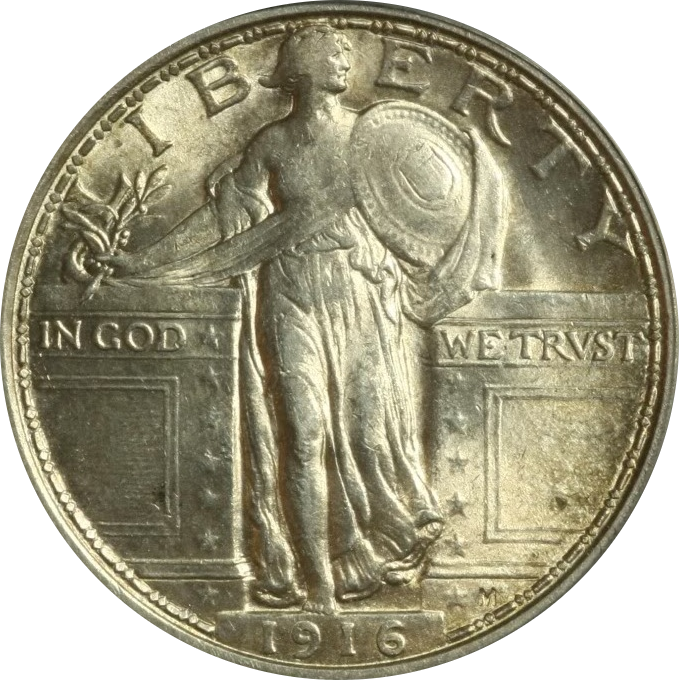
Imagine finding one of these in an old estate. It’s tucked away in a soft, pliable flip from the 1970s. You pull it out, and there it is: a streak of green slime across the lady’s shield. Because the 1916 has such a delicate strike and high-value surfaces, even a small amount of PVC damage can knock thousands of dollars off the price. It can turn an MS-64 coin into a "Details" coin that no major grading service will give a straight grade to.
How to Store Your Coin Collection Safely
The best coin collecting tips always start with prevention. You can't "fix" a coin that has been physically pitted by acid, but you can prevent the acid from ever forming.
1. Use Non-PVC Flips
When you are buying supplies, look for "unplasticized" or "non-PVC" holders. These are often made of Mylar. They are stiffer and more brittle than the soft flips, and they might crack over time, but they won't melt your coins.
2. The Gold Standard: Slabs
For your most valuable pieces, professional grading is the way to go. Using ANA grading standards ensures your coin is authentic, but the hard plastic sonically sealed holders (slabs) also provide a nearly inert environment. If you’re serious about coin storage for collectors, getting your keys slabbed by PCGS or NGC is the best move.
3. Avoid Older Albums
Be careful with older "blue folders" or the Harco Coinmaster line from decades ago. Many of these used PVC-heavy plastic slides. If you buy an old collection, the first thing you should do is migrate those coins into modern, safe holders.
4. Control the Climate
Since PVC damage requires moisture to turn into acid, keep your collection in a cool, dry place. Silica gel packets in your safe can work wonders.
What is a Coin Show? (And Why You Should Go)
If you’re unsure what safe supplies look like, head to a local show. What is a coin show? It’s a gathering of dealers and collectors where you can buy, sell, and trade. But more importantly, it’s a place where you can find high-quality, archival-safe storage supplies. You can feel the difference between a dangerous soft flip and a safe Mylar flip in person. Plus, it's a great place to pick up numismatic podcast topics and learn from the pros.
Counterfeit Coin Detection and PVC
Here’s a trick the scammers use: sometimes they leave a coin in a PVC holder on purpose. The "slime" and the cloudy residue can actually hide the signs of a fake. When a coin's surface is obscured, it’s harder to see the casting marks or the incorrect lettering of a counterfeit.
If you see a high-value coin in a dirty, green-stained soft flip, be extra cautious. It might not just be poor storage; it might be a cover-up. Always insist on seeing the coin clearly or buying only those that have been authenticated.
Historical Treasures at Risk
We have to protect these pieces because they are finite. Look at the 1794 Flowing Hair Silver Dollar. This is one of the most important coins in American history.
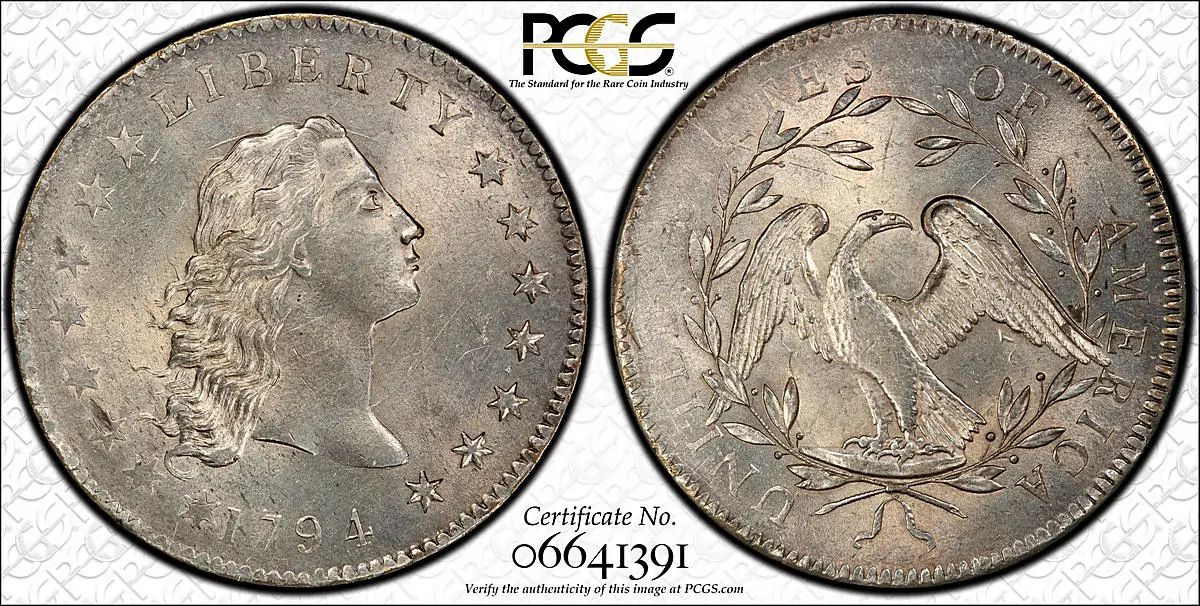
A coin like this, which recently sold for $4.5 million, is a survivor. It has survived wars, economic collapses, and the simple passage of time. To let a coin like this be ruined by a cheap plastic holder would be a tragedy for history. Whether your coin is worth four million or four dollars, the principles of care remain the same.
Can You Save a Damaged Coin?
If you find green residue, don't panic, and don't scrub it. Scrubbing causes "hairlines": microscopic scratches that permanently lower the grade.
The standard treatment is an acetone bath. Pure acetone (not nail polish remover, which has perfumes and oils) can dissolve the organic plasticizers without hurting the metal.
- Dip the coin in a glass container of pure acetone for 30 seconds.
- Rinse with distilled water.
- Air dry.
If the damage is deep, the acetone will remove the green goo but reveal "pitting": tiny holes where the acid ate the metal. At that point, you need professional conservation services like NCS (Numismatic Conservation Services). They are the experts at saving coins that look like they’re past the point of no return.
Looking Forward: The 2026 Emerging Liberty Dime
As we move toward the U.S. Semiquincentennial, we have some exciting new releases coming. The 1776-2026 Emerging Liberty Dime is set to drop in just a few days on April 17th.
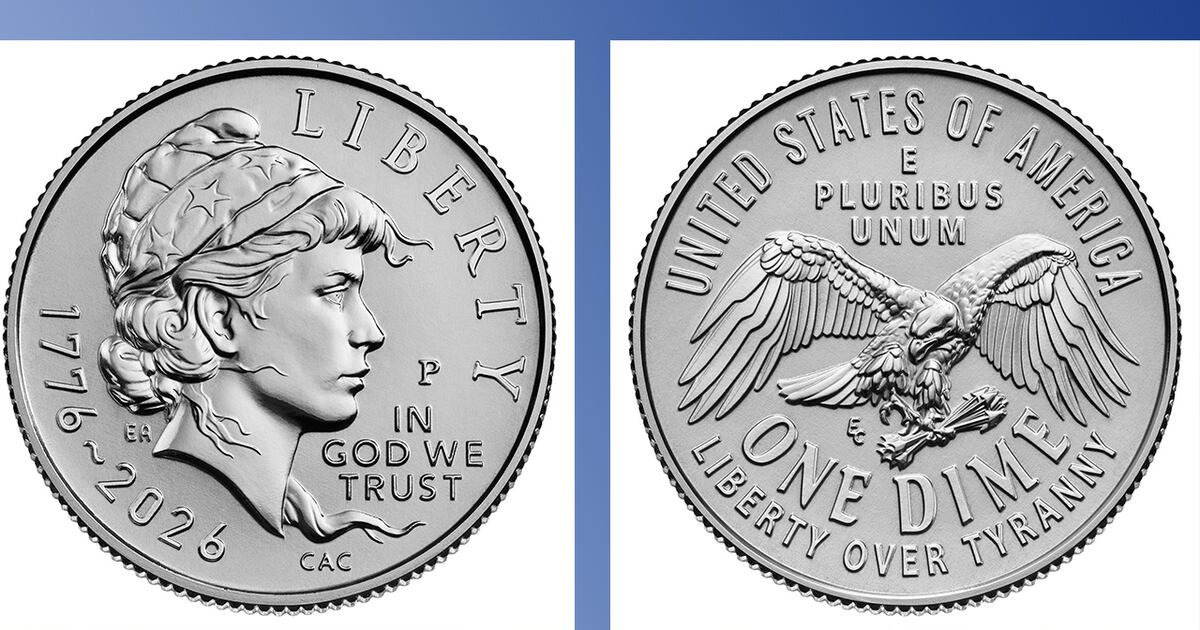
When you get your hands on these new 2026 designs, remember the lessons of the past. Don't throw them into a random soft plastic pouch you found in a desk drawer. Start their life in your collection the right way: in an inert, PVC-free environment.
Final Thoughts
Our job as collectors is to be temporary stewards of history. We don't really "own" these coins; we just look after them for the next generation. Avoiding PVC is the simplest and most effective way to ensure that history stays bright and shiny.
If you want more tips like these, make sure to tune into The Coin Show. We talk about everything from market trends to the nitty-gritty of coin chemistry.
Keep collecting, keep hunting, and for heaven's sake( ditch the green slime.)
( Matt Dinger)