
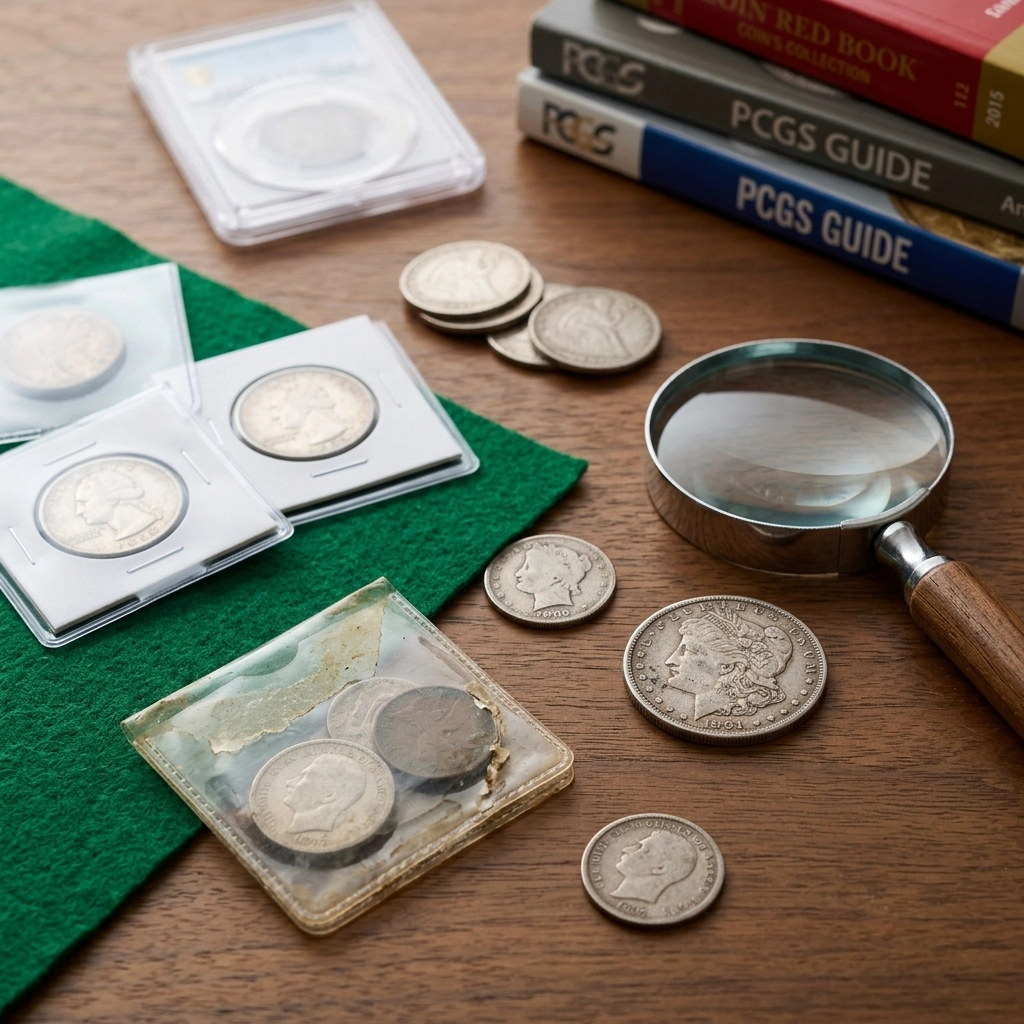
Are You Making These Common Coin Storage Mistakes? (And How to Fix Them Fast)
Hey there, fellow collectors. Matt Dinger here from The Coin Show. It is Friday, April 10, 2026, and you’re reading The Daily Mint. Whether you’ve been at this for forty years or you just found a weird-looking penny in your change yesterday, I’m glad you’re here.
We spend a lot of time talking about the "hunt", finding that rare date, spotting a variety, or scoring a deal at a local shop. But we don't always talk about what happens after the hunt. You’ve got the coin. Now, how do you keep it from turning into a corroded piece of metal that’s worth its face value and not a cent more?
I see it all the time. A collector brings in a beautiful coin that’s been ruined because it was kept in a cigar box or a PVC flip for twenty years. It’s heartbreaking. Today, we’re going to go over some essential coin collecting tips to make sure your treasures stay as shiny (or as perfectly toned) as the day you got them.
The Bare-Handed Blunder
Let’s start with the most basic mistake: your hands. I know, you want to feel the history. You want to hold that silver in your palm. But your skin is basically a cocktail of oils, sweat, and acids.
When you touch the face of a coin, you’re leaving a microscopic footprint that will eventually turn into a permanent, ugly smudge. On a high-grade copper coin, a single fingerprint can ruin the "red" designation and knock hundreds of dollars off the value.
The Fix: Always handle your coins by the edges. If you’re dealing with high-value items or proof sets, wear clean cotton gloves. If you prefer more dexterity, use plastic-tipped coin tongs. Whatever you do, keep those greasy pizza fingers off the obverse.
The PVC Plague
If you’ve been in the hobby for a while, you’ve heard of the "green slime." This is the result of coin pvc damage.
In the old days (and unfortunately, still today with some cheap suppliers), coin flips were made with polyvinyl chloride (PVC) to make them soft and pliable. Over time, the chemicals in that plastic break down and release an acidic gas. This gas reacts with the metal, especially silver and copper, to create a sticky, green residue. If left long enough, it will actually eat into the surface of the coin.
The Fix: Only use PVC-free flips, usually made of Mylar. They are stiffer and might crack more easily, but they won't melt your coins. If you find a coin with a green tint, don't try to scrub it off with a toothbrush! You’ll need a professional conservation service or a dip in pure acetone (not nail polish remover), but if you’re unsure, ask an expert first.
Atmosphere: The Invisible Enemy
Where do you keep your collection? If your answer is "the attic" or "the basement," we need to talk.
Coins hate two things: humidity and temperature swings. High humidity leads to oxidation and spotting. Basements are notoriously damp, and attics get hot enough to bake the life out of your coin holders. I’ve seen cardboard 2×2 holders literally fuse to the coins because of attic heat.
The Fix: Store your collection in a cool, dry place. Ideally, you want a room where the temperature stays between 65–70°F and the humidity is around 40–50%. A safe is a great place for security, but safes can trap moisture. Throw a few silica gel packs in there to soak up any excess dampness.
To Slab or Not to Slab?
One of the best ways to ensure your coins are protected is "slabbing", having them graded and encapsulated by a third-party service like PCGS or NGC. These companies use ANA grading standards to give your coin a definitive grade and seal it in a sonically welded, airtight plastic holder.
This is also a huge help for counterfeit coin detection. If a coin is in a reputable slab, you know it’s the real deal.
The Fix: For your "grail" coins, get them slabbed. It preserves the condition and makes them much easier to sell later. But a word of warning: don't crack them out just because you want to "feel" the coin. Once that seal is broken, the grade is gone, and the protection is lost.
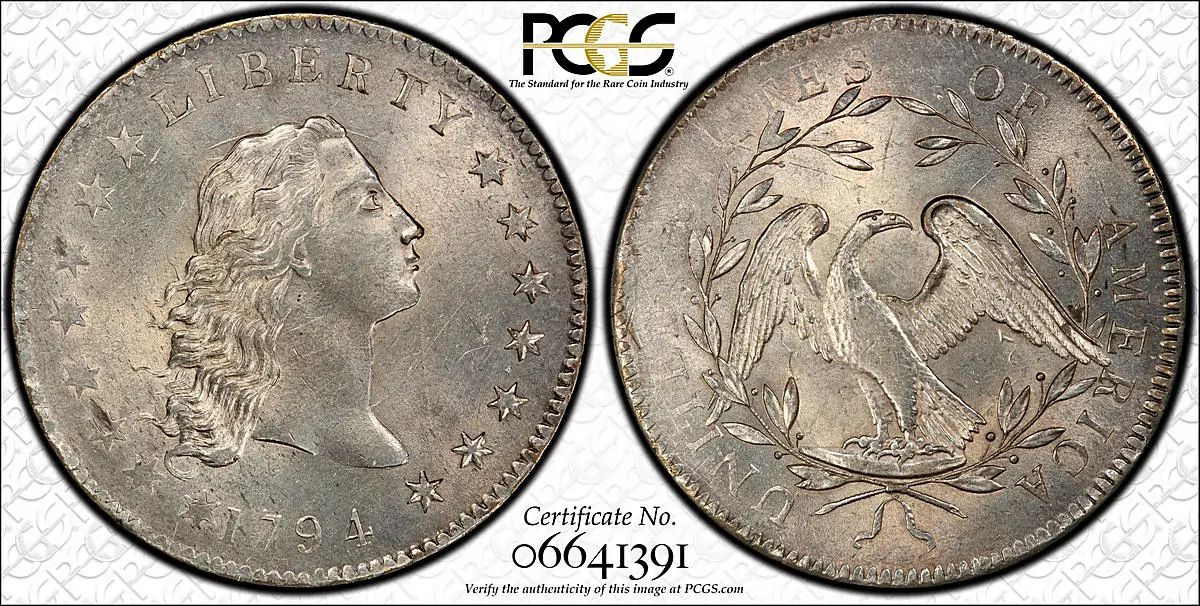
Take a look at this 1794 Flowing Hair Silver Dollar. This is the first dollar ever struck by the U.S. Mint. It recently sold for $4.5 million. At that level of rarity, every microscopic scratch or bit of environmental damage could cost the owner hundreds of thousands of dollars. Proper storage isn't just a suggestion; it's a financial necessity.
The Standing Liberty Quarter: A Case Study in Care
When we talk about delicate coins, the Standing Liberty Quarter 1916 is a classic example. This was the first year of the design, and it’s famous for having a very low mintage and a design that wore down almost instantly.
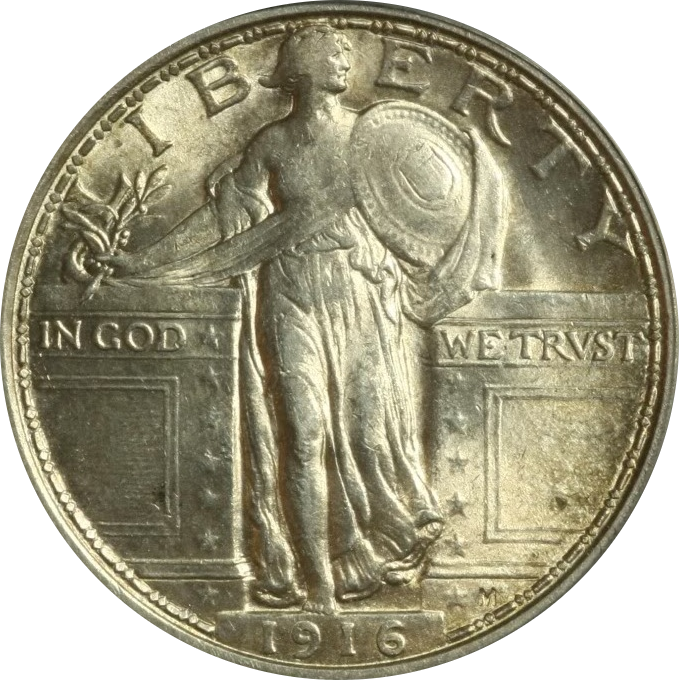
Because the 1916 is so valuable and so prone to wear, even minor storage mistakes can be catastrophic. If you have a high-grade example, you want it in a slab, kept in a climate-controlled environment, away from any sulfur-containing materials (like old-school paper envelopes) that could cause ugly, dark toning.
Breaking News: The 2026 Emerging Liberty Dime
Since today is April 10th, we are exactly one week away from one of the biggest releases of the decade. On April 17, 2026, the U.S. Mint is releasing the 1776-2026 Emerging Liberty Dime.
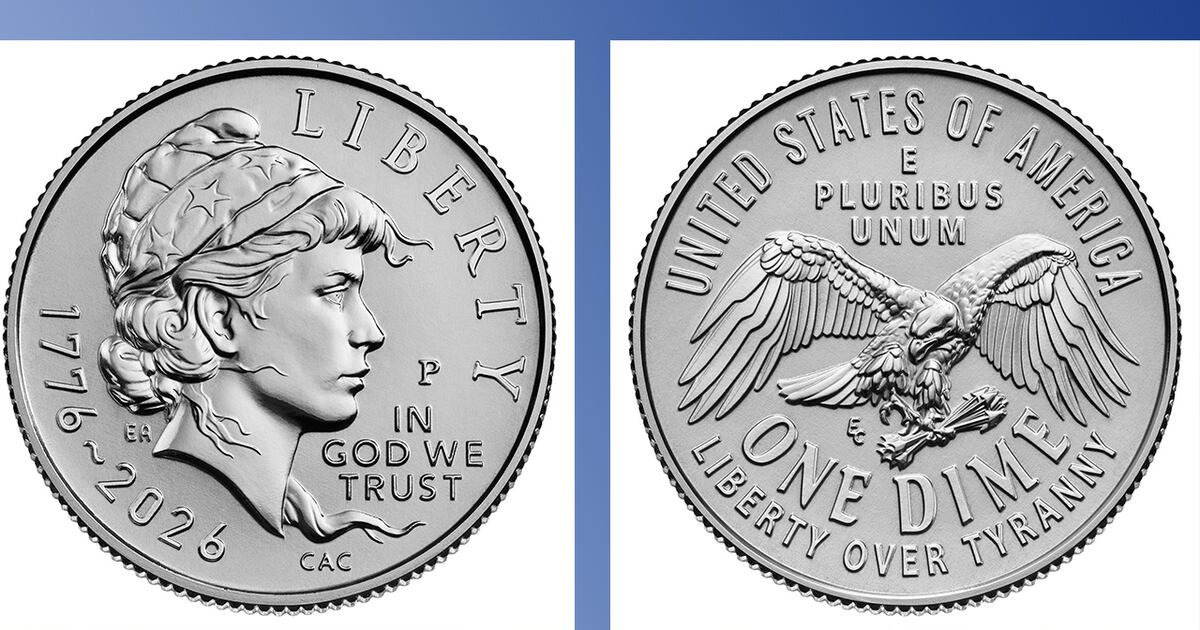
This is the first redesign of the circulating dime since 1946. It’s part of the Semiquincentennial celebrations, and the hype is real. If you’re planning on grabbing these from the Mint or finding them in the wild, have your storage ready before they arrive. Don't let these sit on your kitchen counter for a month. Get your capsules or folders ready now so they stay in pristine, "Emerging Liberty" condition.
What is a Coin Show, Anyway?
If you’re looking for how to store coin collection supplies, there is no better place than a coin show.
So, what is a coin show? It’s basically a giant room filled with dealers, collectors, and experts. You can buy coins, sell your extras, and: most importantly for today’s topic: stock up on high-quality archival supplies. You’ll find everything from basic 2x2s to high-end mahogany cabinets. Plus, it’s a great way to meet people who share the hobby.
Keep Learning with The Coin Show
Proper storage is a journey, not a destination. As your collection grows, your storage needs will change. Maybe you'll move from folders to albums, or from albums to a dedicated safe-deposit box.
If you want to stay updated on the latest in the numismatic world, check out our coin collecting podcast. We dive deep into the history of these pieces, talk to the experts, and keep you informed on market trends. Our numismatic podcast is designed for the casual collector who wants to know more without the snobbery.
We’re here to help you enjoy the hobby, protect your investment, and maybe learn a little history along the way.
Quick Recap for Your Weekend Project:
- Check your older flips for "green slime" (PVC).
- Move your coins out of the basement or attic.
- Order some silica gel packs for your storage boxes.
- Stop touching the faces of your coins!
That’s all for today’s edition of The Daily Mint. Go check on those coins, make sure they’re breathing easy, and I’ll catch you on the next episode of the show.
Happy collecting!