
7 Mistakes You’re Making with Your Coin Storage (and How to Stop PVC Damage)
Welcome back to The Daily Mint, your go-to spot for everything numismatic. Whether you're checking your pocket change for a rare find or you’ve got a safe full of slabbed beauties, we’re glad you’re here.
At The Coin Show, we talk to a lot of collectors. One of the most heartbreaking things we hear is when someone opens a box they haven't touched in ten years only to find their favorite coins covered in a sticky, green slime. It's the dreaded PVC damage, and it has ruined more collections than we care to count.
Storing your coins properly isn't just about being organized; it’s about preserving history. If you're serious about the hobby, you need to treat your coins with the same respect as a museum curator. Today, we’re breaking down the seven most common mistakes collectors make with their storage and showing you exactly how to keep your collection safe for the next generation.
1. The "Green Slime" Trap: Using PVC Flips
The absolute biggest mistake you can make is using soft, pliable plastic flips. These are often made with polyvinyl chloride (PVC). To make the plastic soft and floppy, manufacturers add chemicals called plasticizers.
Over time, these chemicals leach out of the plastic and react with the metal of your coin. The result? A sticky, green, oily film that smells a bit like a new shower curtain. This film doesn't just sit on the surface; it eventually becomes acidic and can eat away at the metal, causing permanent pitting and haze.

The Fix: Use only PVC-free, archival-safe holders. Look for flips made of Mylar or polyester. They are stiffer and might "crack" if you fold them too hard, but they won't melt your coins. If you aren't sure if a flip is safe, throw it away and buy fresh ones from a reputable dealer.
2. Letting Your Coins "Socialize"
We get it: it’s tempting to keep a jar of old silver quarters or a box of loose buffalo nickels. But when coins touch each other, they get damaged. Every time you move that jar or shake that box, the coins rub together. This causes "bag marks," hairlines, and "friction wear."
For high-grade coins, even a tiny scratch can mean the difference between a coin worth thousands and a coin worth face value.
The Fix: Every coin of value deserves its own home. Use individual 2×2 cardboard holders, hard plastic capsules, or slabs. If you have bulk coins that aren't worth much over melt value, use PVC-free plastic tubes.
3. The Bare-Handed "Death Touch"
Your skin is naturally covered in oils, sweat, and salts. When you touch the surface of a coin: especially a copper or silver coin: those oils transfer to the metal. You might not see it immediately, but months later, a dark, ugly fingerprint will appear right in the middle of the design.
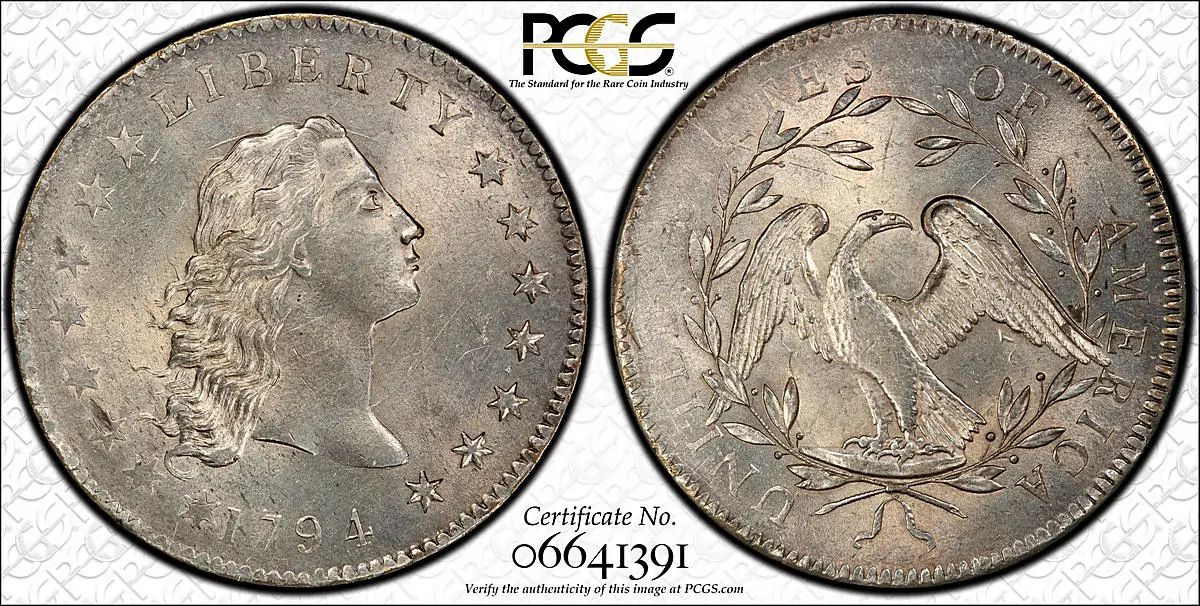
The Fix: Handle coins only by their edges. Better yet, wear powder-free nitrile or lint-free cotton gloves. If you're looking at a high-value piece like the 1794 Flowing Hair Silver Dollar, you definitely don't want your thumbprint on it.
4. Trusting Your Attic or Basement
Environment is everything. Coins hate two things: heat and humidity.
- Humidity causes silver to tarnish (tone) rapidly and can lead to corrosion on copper.
- Heat accelerates chemical reactions, meaning that if there is any PVC or sulfur near your coins, the heat will make it ruin them faster.
The Fix: Store your collection in a climate-controlled part of your home. Avoid the garage, the attic, and the basement. If you keep your coins in a safe, toss in a few silica gel packs to soak up any excess moisture.
5. Using "Office Supplies" for Storage
We’ve seen it all: rubber bands wrapped around rolls of coins, paper clips holding flips together, and coins stored in generic plastic Tupperware.
- Rubber bands contain sulfur, which will turn your silver coins black. They also dry out and stick to the surface of the coins.
- Staples are the enemy. If you use cardboard 2x2s, always flatten the staples with a pair of pliers. If you don't, the sharp edge of a staple from one holder can scratch the coin in the next holder.
The Fix: Stick to products designed specifically for numismatics. If it’s sold at an office supply store, it probably isn't safe for your coins.
6. Cracking Slabs Without the Skills
Third-party grading (TPG) services like PCGS, NGC, and ANACS provide the ultimate storage. Their hard plastic "slabs" are sonically sealed and largely airtight.
Some collectors like to "crack" coins out of these slabs to put them in a custom album or to try for a higher grade. However, unless you are an expert in ANA grading standards, you are taking a huge risk. You could damage the coin during the process, or it might come back with a lower grade (or a "Details" grade) when you resubmit it.
The Fix: Unless you have a very good reason, leave your certified coins in their holders. They are protected, authenticated, and much easier to sell later.
7. Ignoring Your Inventory
If you have a hundred coins and no record of them, how do you know if something is missing or if you're buying a duplicate? Proper storage includes a proper record.
The Fix: Keep a digital or physical ledger. Record the date of purchase, what you paid, the grade, and any special varieties. This is also essential for insurance purposes. You can't claim a loss if you can't prove what you had.
Historical Spotlight: Protecting the 1916 Standing Liberty Quarter
When we talk about the importance of storage, we often think of the "key dates." Take the 1916 Standing Liberty Quarter. This is one of the most famous and sought-after coins in American history.
Designed by Hermon A. MacNeil, it featured Liberty standing in a gateway. The original 1916 design (Type 1) was controversial because Liberty’s right breast was exposed. In 1917, the Mint changed the design to cover her with a chain-mail bodice.
Because the 1916 version was struck late in the year and in very low numbers (only about 52,000), it is incredibly rare.
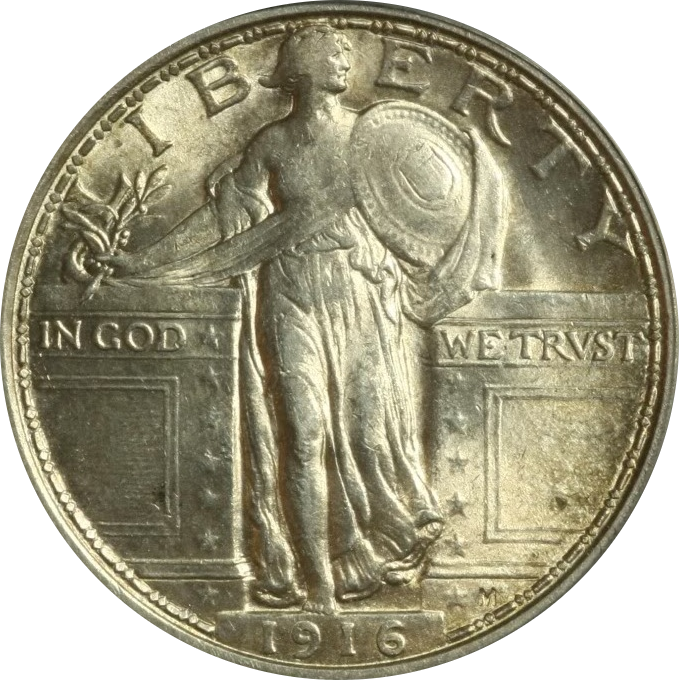
If you are lucky enough to own a 1916 Standing Liberty Quarter, a single spot of PVC damage or a scratch from a loose staple could cost you thousands of dollars in value. This is why we advocate so strongly for professional grading and proper storage. You aren't just a collector; you're a temporary caretaker of a piece of American art.
How to Stop PVC Damage Once It Starts
If you find a coin with that tell-tale green slime, don't panic: but do act fast.
- Remove it immediately: Get the coin out of the bad flip and throw the flip away.
- The Acetone Bath: Many professional collectors use 100% pure acetone (not nail polish remover, which has perfumes) to dissolve PVC. You soak the coin briefly, rinse it in fresh acetone, and let it air dry.
- Warning: Never rub the coin. Never use a brush. If the coin is high-value, do NOT do this yourself. Send it to a professional conservation service like NCS (NGC).
- Check the neighbors: If one coin in an album has PVC, there’s a good chance others do too. Check everything.
Modern Coins Need Love Too
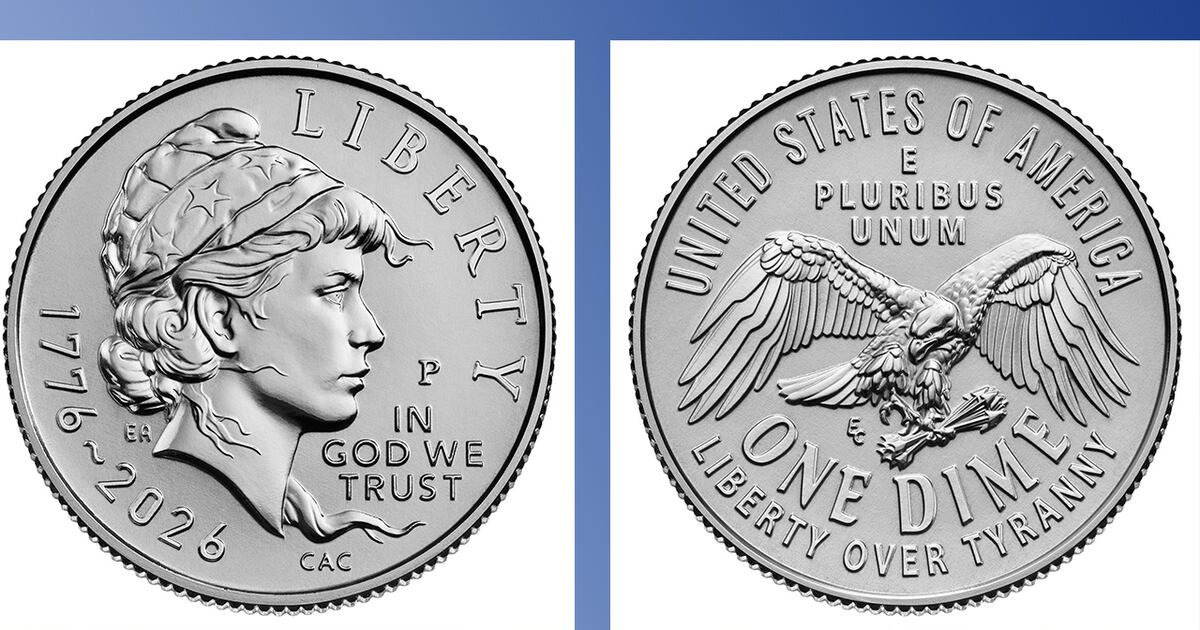
Even modern releases, like the upcoming 1776-2026 Emerging Liberty Dime, deserve proper storage from day one. Just because a coin isn't 100 years old doesn't mean it won't react to bad plastic or a humid environment. Starting your collection with good habits now ensures that your modern sets look just as good in 2076 as they do today.
Conclusion
Coin collecting is a marathon, not a sprint. By avoiding these seven storage mistakes, you’re making sure your collection remains a source of pride (and value) for years to come.
If you want to learn more about coin care, grading, and the latest news from the world of numismatics, make sure to tune into The Coin Show Podcast. We dive deep into these topics every week, and we’d love to have you join our community of enthusiasts.
Head over to www.coinshowradio.com to listen to our latest episodes or browse our recommended reading list. Happy collecting!