
How to Store Your Coin Collection: The Proven Framework for Protecting Your Rarities
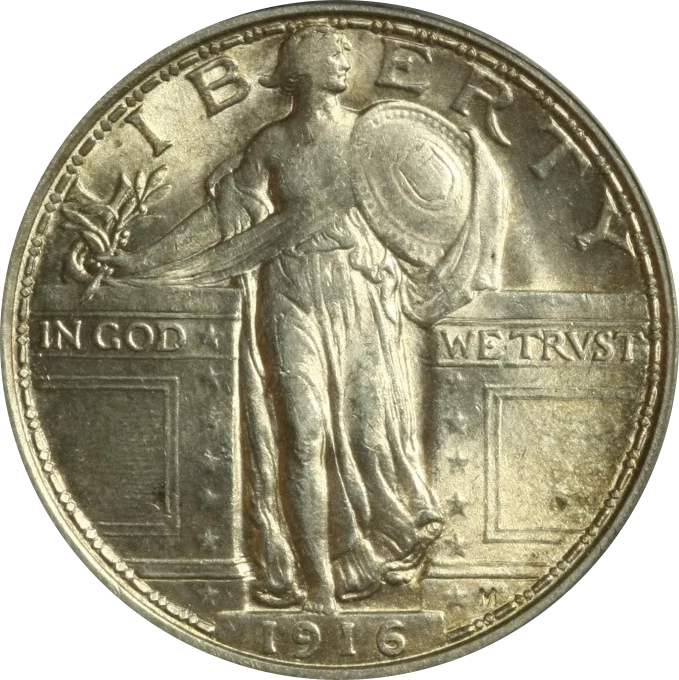
You’ve finally found it. Maybe it’s that 1916 Standing Liberty Quarter you’ve been hunting for years, or perhaps you just inherited a family collection that’s been sitting in a cigar box for decades. Either way, you’re now the steward of a piece of history.
But here’s the thing: coins aren’t just chunks of metal. They are delicate survivors. If you store them incorrectly, you aren’t just "keeping" them; you’re slowly watching their value evaporate.
At The Coin Show, Matt and Mike talk a lot about the thrill of the hunt, but we also care deeply about the "aftercare." In this guide, we’re breaking down the proven framework for storing your coin collection. Whether you’re a regular listener of our coin collecting podcast or a newcomer to the hobby, these tips will keep your rarities safe for the next generation.
The Invisible Killer: Understanding Coin PVC Damage
If there is one thing you take away from this post, let it be this: PVC is the enemy.
Polyvinyl Chloride (PVC) is a chemical used in many soft, pliable plastic flips and album pages. It contains plasticizers that, over time, break down and leach out of the plastic. This creates a sticky, green slime that reacts with the metal of your coins.
We’ve seen it a thousand times on the show: a beautiful silver dollar ruined by "green goo." This isn't just a surface stain; it’s a chemical reaction that can cause permanent pitting and surface damage. If you want to dive deeper into how to stop this, check out our article on 7 Mistakes You’re Making with Coin Storage.
How to spot coin PVC damage:
- A "new shower curtain" or "beach ball" smell coming from your albums.
- A tacky, oily film on the coin surface.
- Light green or gray-green residue.
If you find this, don't scrub it! A professional numismatic podcast or conservation service will tell you that improper cleaning can be just as damaging as the PVC itself.
Step 1: Choosing the Right Holders
Not all holders are created equal. When considering coin storage for collectors, you need to match the holder to the value and type of the coin.
2×2 Cardboard Flips
These are the staples of the hobby. They are affordable and allow you to write notes (date, mint mark, price) directly on the cardboard. Just ensure the "window" is made of Mylar, not PVC. Always use a flat-clinch stapler to avoid "staple scratches" when stacking them.
Mylar Flips (Non-PVC)
If you want the flexibility of a plastic flip without the risk, look for unplasticized Mylar flips. These are clear and stiff. They don’t have that "plasticky" smell and are archival-safe.
Hard Plastic Capsules (Air-Tites)
For your better pieces: like a high-grade Standing Liberty Quarter 1916: hard plastic capsules are the gold standard for "raw" (un-graded) coins. They provide an airtight seal and physical protection against drops.
Third-Party Grading Slabs
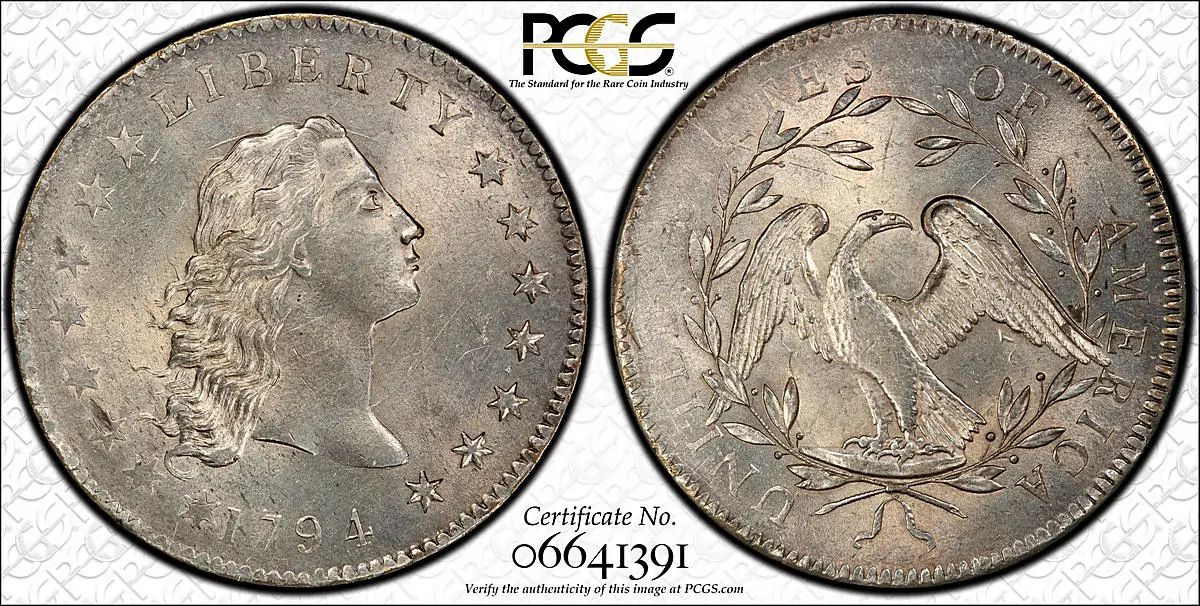
If you have a truly rare coin, the best storage is often a "slab" from PCGS or NGC. These holders are made of inert, high-quality plastic and provide a sonically sealed environment. Plus, they ensure your coin meets ANA grading standards, which is vital for resale.
Step 2: The Environment Matters
You can have the best holders in the world, but if you store them in a damp basement or a sweltering attic, your coins are in trouble. Environmental factors are the silent architects of "toning": and not always the pretty kind.
- Humidity: Aim for 35–50% relative humidity. Too much moisture leads to oxidation and spotting. We recommend keeping a few silica gel packs inside your safe or storage box to soak up excess moisture.
- Temperature: Keep it stable. Wide swings in temperature cause materials to expand and contract, which can "breath" air into supposedly sealed holders. A cool, climate-controlled room (like a bedroom closet) is much better than a garage.
- Light: Direct sunlight can cause some holders to degrade over decades. Keep your collection in the dark when you aren't admiring it.
Step 3: Handling Your Coins (The "Edge" Rule)
One of the best coin collecting tips is actually the simplest: Touch the edges only.
The oils and acids on your skin are surprisingly corrosive. A single thumbprint on a pristine proof coin can become a permanent, dark stain years later.
- Wear Gloves: Use lint-free cotton or powder-free nitrile gloves.
- Work Over Soft Surfaces: If you're moving coins into new holders, do it over a velvet pad or a soft towel. If you drop a coin, you want it to land on something soft, not a hardwood floor.
Beyond Storage: Grading and Counterfeits
Proper storage isn't just about protection; it's about preparation. When you store your coins correctly, you maintain the "original surfaces" that collectors crave. This makes counterfeit coin detection much easier. Authentic luster is very hard to fake, but it's very easy to destroy with a PVC flip or a rough cleaning.
If you’re unsure if your coin is worth the high-end storage, consider bringing it to a local event. What is a coin show? It’s a gathering of dealers and collectors where you can get multiple opinions on your coins, buy supplies, and see some of the most famous rarities in person. It’s also a great place to meet fellow listeners of our numismatic podcast.
Summary Checklist for Coin Storage
- Audit your collection: Smell your albums. If they smell like a beach ball, move your coins out immediately!
- Upgrade to Mylar: Replace old PVC flips with archival-safe alternatives.
- Control the air: Put a dehumidifier or silica gel in your storage area.
- Get it Slabbed: If the coin is worth more than a few hundred dollars, professional grading is the ultimate storage solution.
Protecting your collection is a marathon, not a sprint. By following this framework, you're ensuring that the coins you love today will be just as beautiful fifty years from now. For more deep dives into the world of numismatics, tune in to The Coin Show podcast every month where we talk coins, history, and the hobby we love.