
Boost Your Collection Instantly with These 5 Expert Coin Collecting Tips
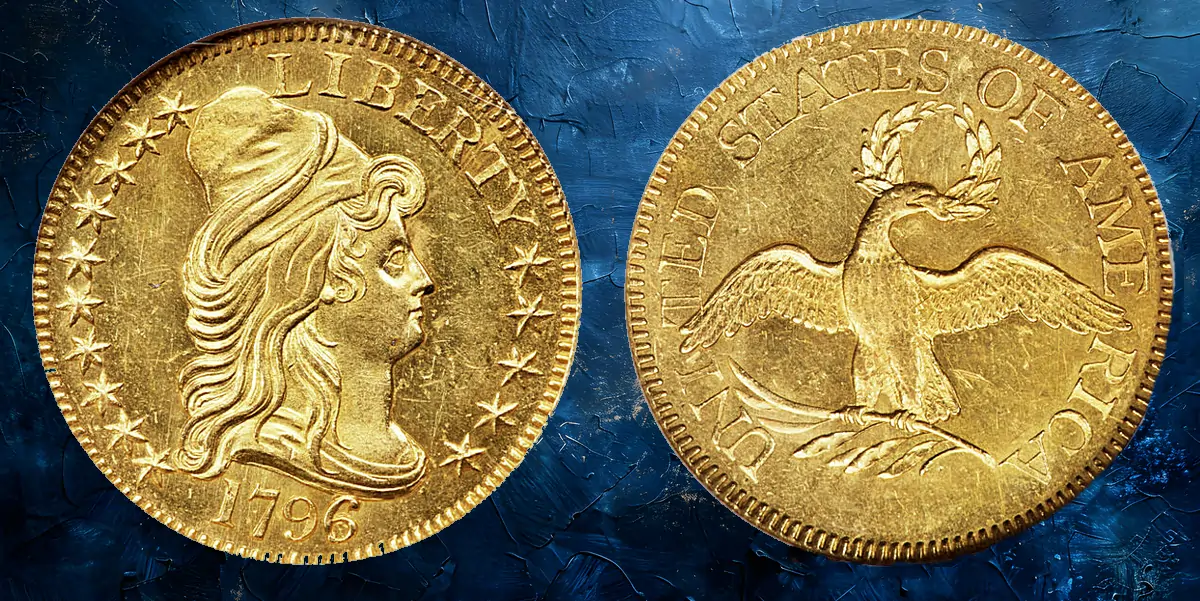
Welcome back to The Daily Mint. If you are here, you probably know the feeling. You see a shiny piece of history, and you have to have it. But as any veteran of The Coin Show podcast will tell you, there is a big difference between "accumulating" and "collecting."
Whether you are hunting for a standing liberty quarter 1916 or just checking your pocket change for a rare error, the right strategy saves you time, money, and a whole lot of heartbreak.
Today, we are diving into five expert coin collecting tips that will turn your pile of metal into a world-class collection. We’ll cover everything from the dreaded "green slime" to the secrets of the bourse floor. Let's get started.
1. Quality Over Quantity: The Specialist’s Edge
It is tempting to buy every cool coin you see. We’ve all been there. But the best way to boost your collection’s value and your own enjoyment is to specialize.
Instead of being a "general" collector, try becoming the expert on a specific niche. Maybe it’s Lincoln cents from 1909 to 1958, or perhaps you are fascinated by modern experimental finishes. When you focus, you learn the "diagnostics" of that series. You start to see the tiny details that others miss.
Why Focus Matters
When you specialize, you stop buying "filler" coins. You begin to understand coin collecting tips like "buy the book before the coin." You learn which years are actually rare and which are just hyped.
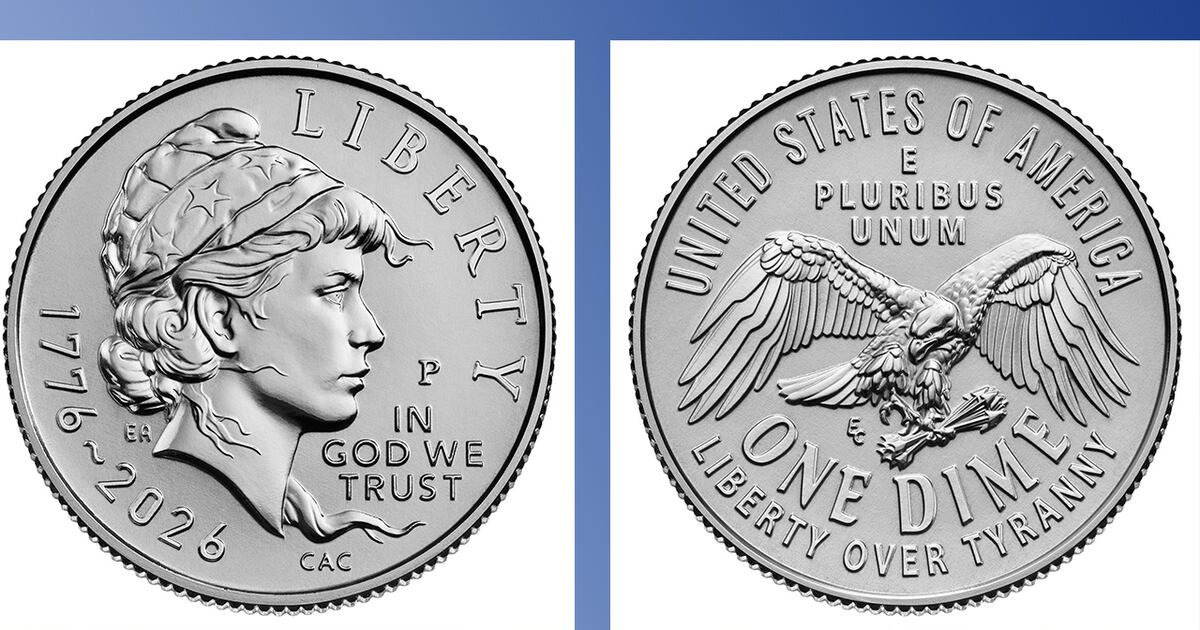
For example, look at the upcoming 2026 releases. Collectors are already eyeing the official U.S. Mint designs for the Sempiternal series. By focusing on these new releases now, you can secure high-grade examples before the secondary market prices skyrocket.
2. Stop the "Green Slime": How to Store Coin Collection properly
If you take nothing else away from this post, remember this: coin pvc damage is real, and it is permanent.
Many older coin flips: those soft, pliable plastic holders: contain Polyvinyl Chloride (PVC). Over time, the chemicals in the plastic break down. They release an acidic oil that reacts with the copper or silver in your coins. This creates a sticky, green film often called "green slime."
Coin Storage for Collectors
If you see green on your coin, the damage has already begun. It leads to pitting and corrosion that no amount of professional "dipping" can fully fix.
Here is how to store coin collection safely:
- Use Mylar Flips: Look for "unplasticized" or "non-PVC" flips. They are stiffer and more brittle, but they won't eat your coins.
- Inert Capsules: Hard plastic capsules like Air-Tites are excellent for high-value items.
- Climate Control: Moisture is the enemy. Store your collection in a cool, dry place. Avoid basements or attics where humidity and temperature swing wildly.
3. Master the ANA Grading Standards
In the world of numismatics, the difference between an MS-63 and an MS-65 can be thousands of dollars. To navigate this, you need to understand the ana grading standards.
American grading uses the Sheldon Scale, which runs from 1 to 70.
- 1 through 58: These are circulated coins. They show wear from being spent in the real world.
- 60 through 70: These are "Mint State" (MS) coins. They have never been in circulation.
Technical vs. Market Grading
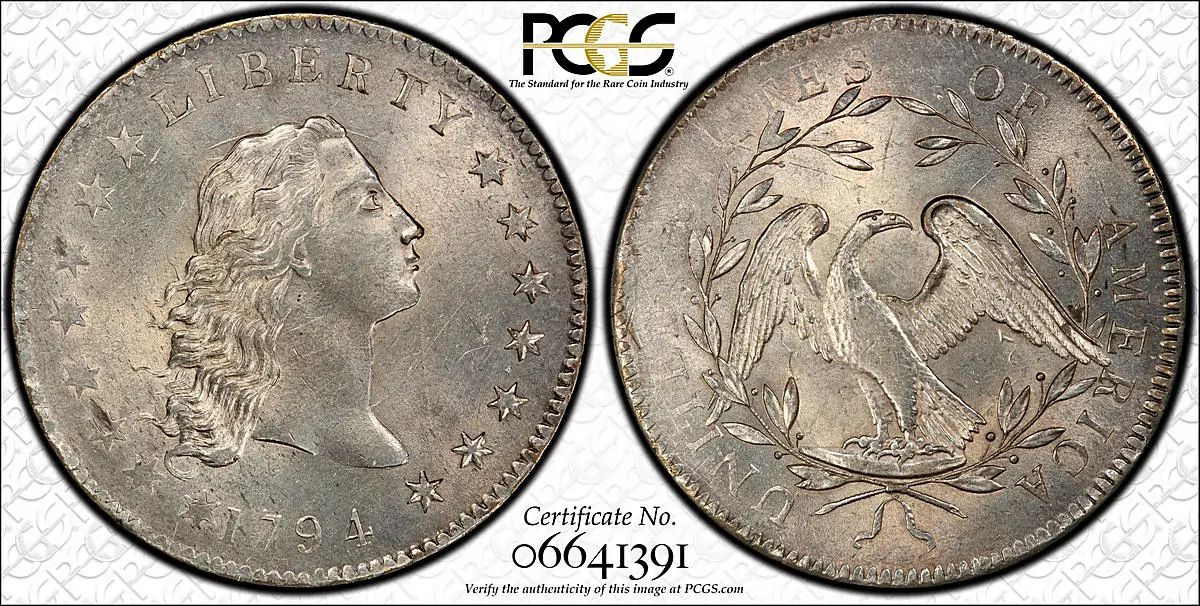
Technical grading looks at the physical wear. Market grading, which is what services like PCGS and NGC use, also considers "eye appeal." This includes the luster, the strength of the strike, and any attractive "toning" (natural oxidation that can turn a coin rainbow colors).
If you want to boost your collection, learn to spot a "choice" coin for the grade. A beautiful MS-64 with great luster is often more desirable than a dull, spotted MS-65.
4. Counterfeit Coin Detection: Don't Get Fooled
As the value of rare coins goes up, so does the quality of fakes. Counterfeit coin detection is a vital skill.
The best way to protect yourself is to buy "slabbed" coins: those already authenticated and graded by reputable third-party services. However, if you are buying "raw" coins at an estate sale or a flea market, keep these three tools handy:
- A Precision Scale: Most fakes are made of different metals than the originals. They will almost always weigh too much or too little.
- A Magnet: Genuine silver and gold US coins are not magnetic. If it sticks to a magnet, it’s a fake.
- A 10x Loupe: Look for "mushy" details. Genuine coins are struck with immense pressure, leaving sharp, crisp lines. Fakes often look "soft" or cast.
If you are ever in doubt, head over to our numismatic podcast where we often interview experts on the latest counterfeit trends coming out of overseas "foundries."
5. Get to a Show: What is a Coin Show anyway?
The internet is great, but nothing beats a "bourse floor." So, what is a coin show? It’s a temporary marketplace where dozens (or hundreds) of dealers set up tables to buy and sell.
Why You Should Go
- Education: You can see thousands of coins in person. This builds your "internal database" of what certain grades should look like.
- Networking: You can meet dealers who specialize in your niche. If they know you are looking for a specific variety, they might call you before it ever hits their website.
- Better Deals: Many dealers are more willing to negotiate in person, especially if you are paying with cash.
When you walk into a show, don't be intimidated. Most dealers love to talk shop. Just be polite, ask before you touch anything, and always use a loupe to inspect the coin carefully.
The Historical Deep Dive: The 1916 Standing Liberty Quarter
No discussion of expert tips is complete without a look at one of the "Holy Grails" of the hobby: the standing liberty quarter 1916.
This coin is famous for more than just its low mintage of roughly 52,000 pieces. When it first debuted, it caused a public scandal. The original design featured Lady Liberty with an exposed breast. By 1917, the Mint changed the design to cover her with a coat of chain mail.
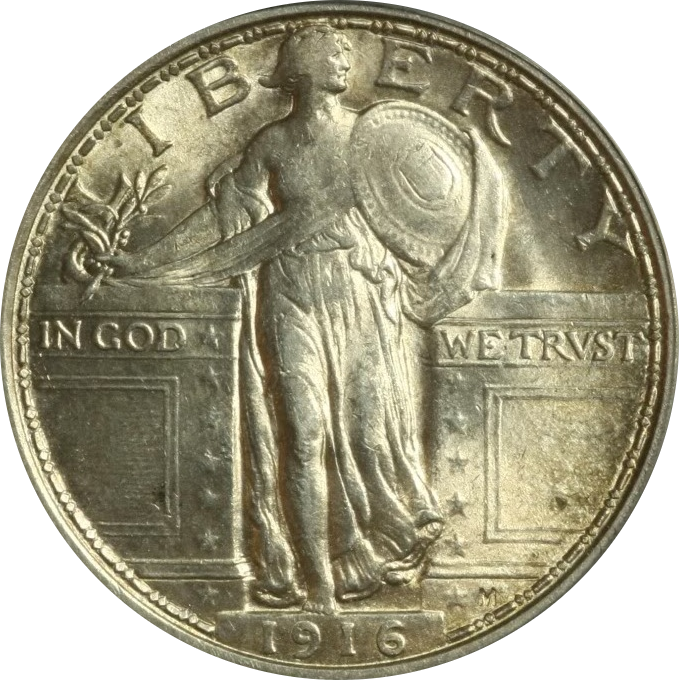
Because the 1916 is so valuable, it is a frequent target for fakers. Many will take a common 1917 Type 1 and try to "tool" the date to look like a 1916. This is why Tip #4 is so important: always verify the diagnostics of a key date before you pull the trigger.
Conclusion: Keep Learning
Building a great collection isn't about having the biggest bank account. It’s about having the best eye and the most patience. By focusing on quality, protecting your coins from PVC, and mastering the art of grading, you are already ahead of 90% of the people "checking their change."
Want more? Check out The Coin Show blog for daily updates, or tune into our coin collecting podcast to hear Matt, Ernesto, and Mike talk about the latest finds in the numismatic world.
Keep hunting, keep learning, and most importantly( keep enjoying the hobby.)