
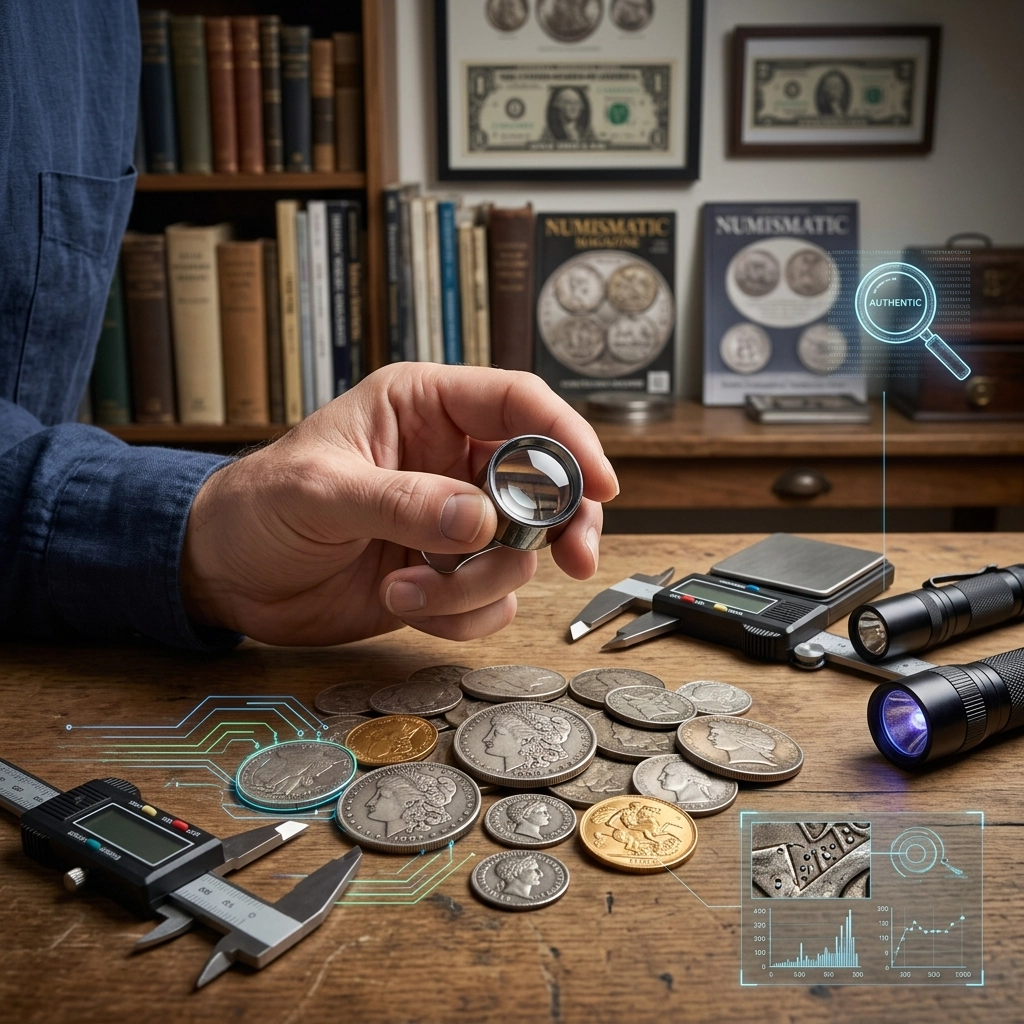
Counterfeit Coin Detection Secrets Revealed: What the Experts Want You to Know
Hey there, fellow collectors. Matt Dinger here from The Coin Show. It’s a beautiful Saturday morning in April, and if you’re like me, you probably spent a bit of your coffee time scrolling through auction listings or reorganizing a few tubes of Silver Eagles.
Lately, I’ve been getting a lot of emails through our numismatic podcast asking the same stressful question: "Matt, how do I know if this coin is real?"
It’s a fair question. The "bad guys" are getting better. We aren't just looking for crude lead slugs anymore. We’re dealing with high-tech transfer dies and sophisticated alloys that can fool a casual observer. But don't let that scare you away from the hobby. Whether you’re a veteran or just looking for basic coin collecting tips, the experts have a few "secrets" that can keep your collection (and your wallet) safe.
The First Line of Defense: The Scale
If you’ve listened to our coin collecting podcast, you’ve heard me say this a thousand times: buy a scale. Not a kitchen scale: you need a precision digital scale accurate to at least 0.01 grams.
Weight is the most reliable screening method we have. The U.S. Mint (and most world mints) has incredibly strict tolerances. For example, a modern American Silver Eagle should weigh exactly 31.103 grams. If you put a coin on the scale and it reads 29.5 grams or 32.1 grams, you don’t even need to look at it under a lens. It’s a fake.
Counterfeiters often use base metals like copper, tin, or zinc and then plate them in silver or gold. Because these metals have different densities than precious metals, the weight is almost always "off" if the dimensions are correct. If they get the weight right, the coin is usually too thick or too wide.
The Power of Magnification
Once a coin passes the weight test, it’s time to get up close and personal. A simple 10x loupe is your best friend. What are the experts looking for? They’re looking for "mushiness."
Authentic coins are struck with tons of pressure, resulting in sharp, crisp lines. Counterfeits, especially cast ones, often have rounded edges on the lettering and a grainy texture in the flat areas (the fields).
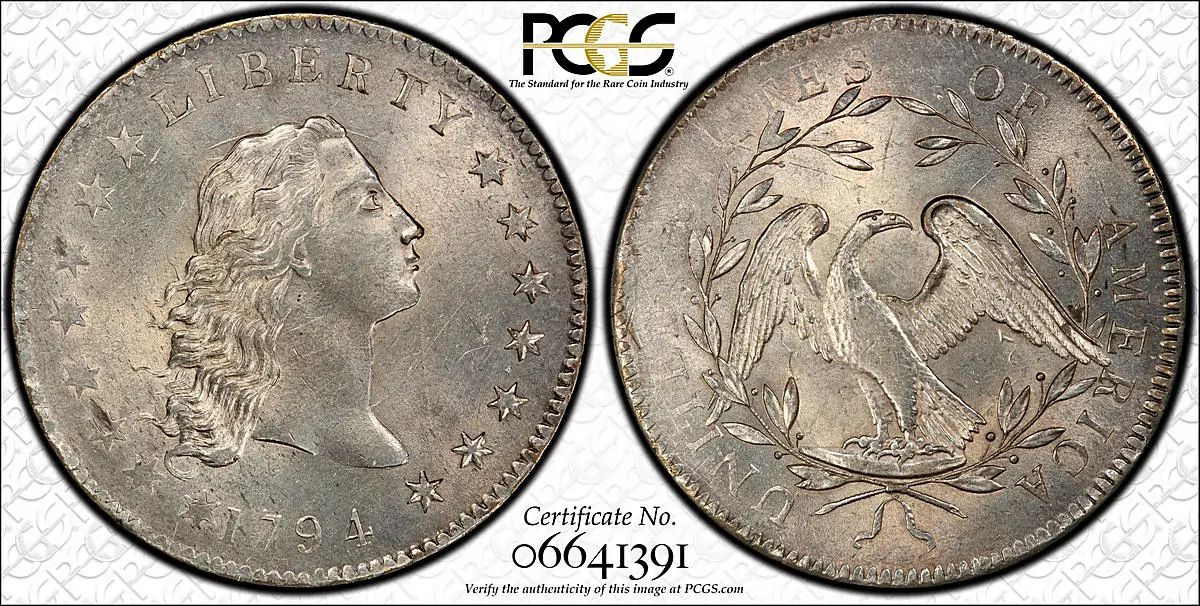
Look at the image of the 1794 Flowing Hair Silver Dollar above. Notice the sharpness of the stars and the fine detail in the hair. On a counterfeit, those hair strands would likely blend together, and the stars might look "puffy." When you're practicing counterfeit coin detection, compare your coin to high-resolution photos of known authentic pieces. Look at the mint marks specifically; counterfeiters often "add" a mint mark to a common coin to make it look like a rare key date.
Don't Forget to Check the Edge
The edge of a coin is often the most difficult part to replicate. Authentic machine-struck coins have consistent reeding (those little grooves on the side). If the reeding looks uneven, or if there is a faint line running around the center of the edge (a "seam"), you’re likely looking at a cast counterfeit.
For older coins with lettered edges, like early Bust Half Dollars, the spacing and font of the letters are dead giveaways. Counterfeiters often struggle to get the edge lettering to look "sunk in" correctly.
A Lesson in Rarity: The 1916 Standing Liberty Quarter
Speaking of key dates, let’s talk about one of the most famous coins in American history: the standing liberty quarter 1916.
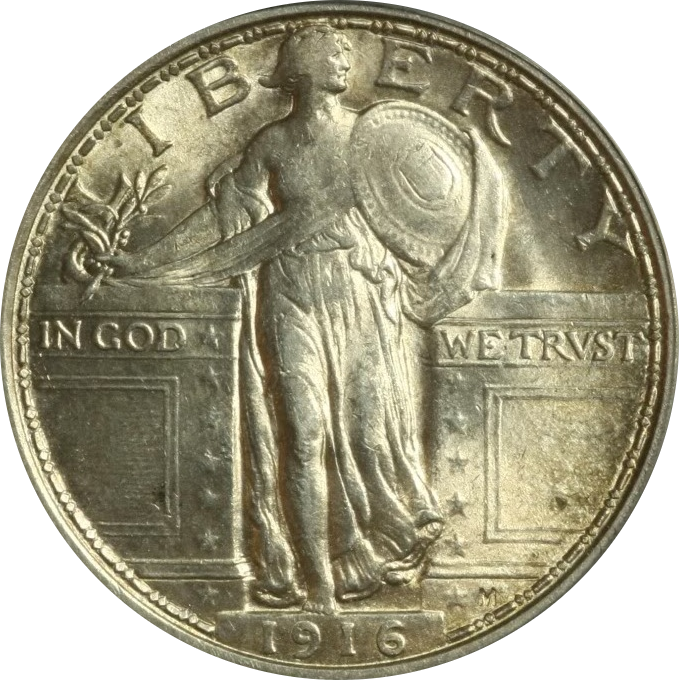
This coin is a masterpiece, but because it’s so valuable, it’s a prime target for fakes. Only 52,000 were struck. Most "1916" quarters you see at flea markets are actually 1917 quarters that have had their dates altered.
Experts know that the 1916 has specific design characteristics that differ from the 1917. For instance, on the 1916, the gown Liberty wears is slightly different, and the hair detail is distinct. This is where ANA grading standards come into play. The American Numismatic Association provides specific guidelines on what these coins should look like at every grade level. Learning these standards is one of the best coin collecting tips I can give you. It moves you from "guessing" to "knowing."
Beyond Fakes: The Danger of PVC
Sometimes the "threat" isn't a counterfeit; it’s how we handle the real coins we already have. I want to touch on coin pvc damage.
If you have old coins sitting in soft, pliable plastic flips from the 80s or 90s, check them right now. Those flips often contain PVC (polyvinyl chloride) to make them flexible. Over time, that PVC breaks down and releases an acidic green slime onto the coin. If left alone, it will permanently etch the surface and ruin the coin's value.
If you see green goo, it’s time for a rescue mission. Pure acetone (not nail polish remover!) can often remove the PVC residue without harming the coin, but if you’re unsure, ask a professional.
How to Store Coin Collection Safely
Since we’re talking about damage, let's discuss how to store coin collection pieces so they stay pristine for the next generation. Proper coin storage for collectors involves three things: climate control, non-reactive materials, and security.
- Avoid Humidity: Humidity is the enemy. It causes toning (which can be pretty) but also corrosion (which is not). Store your coins in a cool, dry place. A silica gel pack in your safe goes a long way.
- Use My-Lar or Hard Plastic: Use PVC-free flips or hard plastic "slabs" from grading services.
- Consistency: Don't move your coins from a hot attic to a cold basement. Drastic temperature changes can cause "sweating" inside holders.
Looking to the Future: The Emerging Liberty Dime
Part of the fun of this hobby is seeing what’s coming next. We’ve been talking about it on the numismatic podcast, but check out the official design for the 1776-2026 Emerging Liberty Dime.
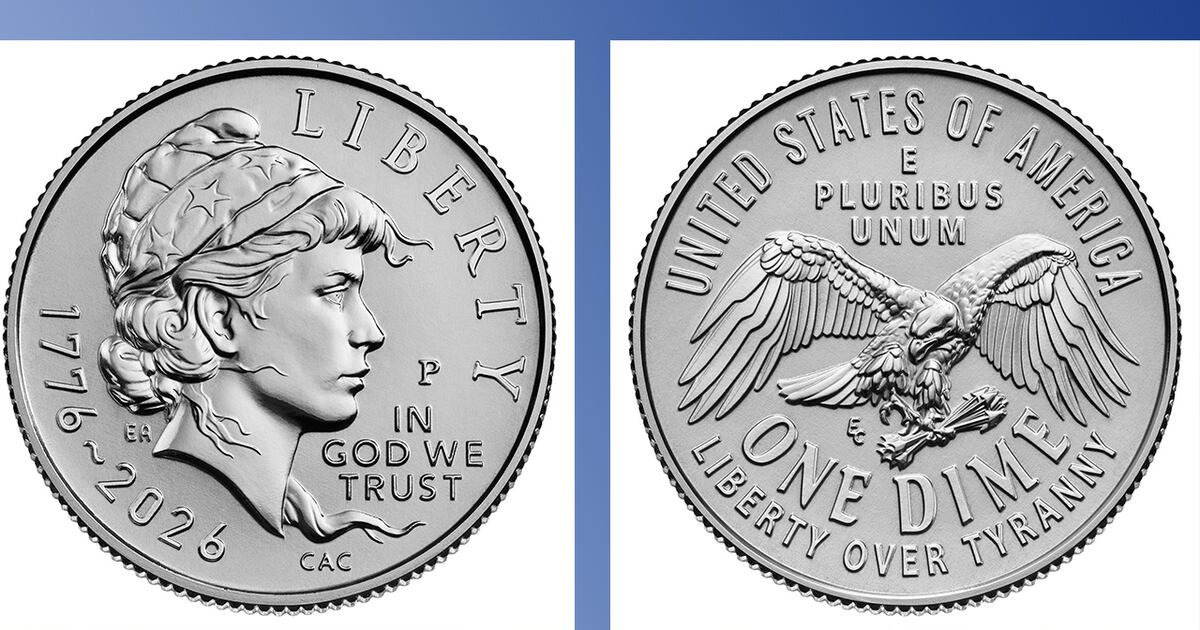
It’s scheduled for release on April 17th. It’s the first major redesign of the dime since 1946. When new coins like this drop, it’s a great time to introduce kids to the hobby. Just remember: even modern coins can be faked if the secondary market value gets high enough, so keep those scales handy!
What is a Coin Show and Why Should You Go?
If you really want to level up your detection skills, you need to see coins in person. You might ask, "what is a coin show?"
Think of it as a massive pop-up mall specifically for numismatists. You’ll find hundreds of dealers, thousands of coins, and: most importantly: a wealth of knowledge. At a show, you can look at a thousand Standing Liberty Quarters in a single afternoon. That "eye appeal" training is something you just can't get from a book or a screen.
Most shows also have educational seminars. You can sit in on a class about ANA grading standards or watch a live demonstration on how to spot a "transfer die" fake.
Professional Verification and XRF
For the high-end stuff, like the record-breaking 1796-5 Half Eagle that recently sold at Heritage, experts go beyond the loupe.
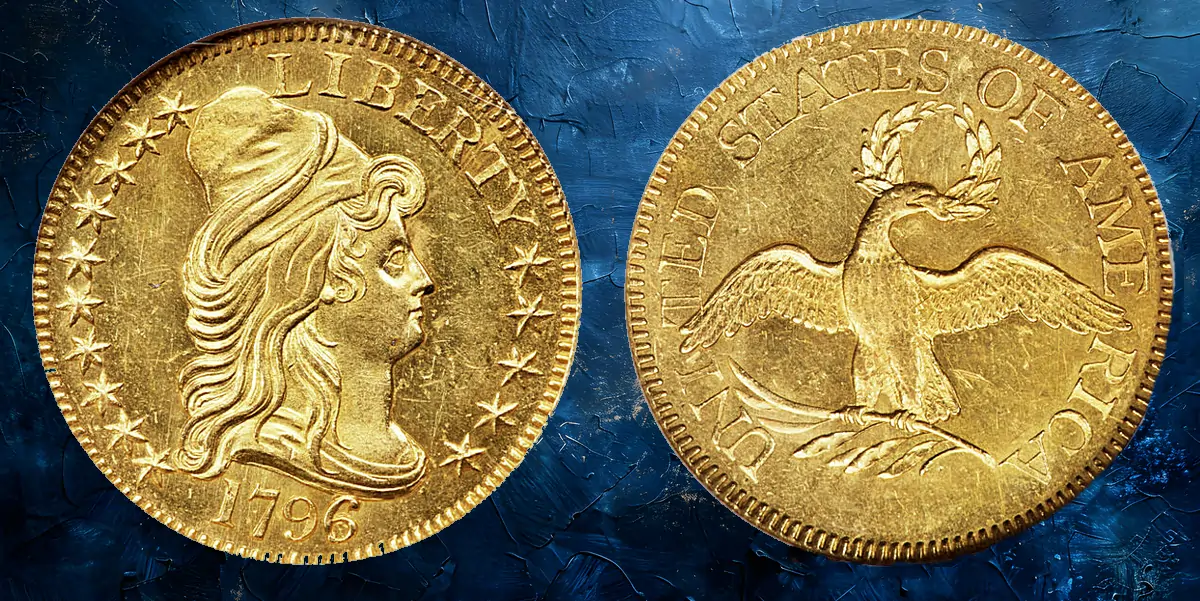
They use X-Ray Fluorescence (XRF). This is a machine that shoots X-rays at the coin to determine its exact elemental composition. If a coin is supposed to be 90% gold but the XRF says it’s 88% gold with a weird trace of tungsten, you know you’re looking at a fake.
While most of us don't have $10,000 for an XRF gun, professional grading services like NGC and PCGS use them. When in doubt, sending a coin in for professional grading is the ultimate insurance policy.
Wrapping It Up
Coin collecting is about history, art, and the thrill of the hunt. Don't let the fear of counterfeits steal that joy. By investing in a good scale, a 10x loupe, and a little bit of education, you’re already ahead of 90% of the people out there.
Keep your coins out of those PVC flips, stay curious about new releases like the Emerging Liberty Dime, and if you have a chance this summer, find a local show and see what all the fuss is about.
And of course, if you want more deep dives into the world of coins, make sure to subscribe to The Coin Show podcast. We’re always here to help you navigate the hobby, one mint mark at a time.
Happy hunting!
( Matt Dinger)