
Is Your Storage Killing Your Coins? 7 Mistakes You’re Making with PVC (And How to Fix Them)
Hey there, fellow collectors. It’s Matt Dinger here from The Coin Show. If you’ve been hanging around our coin collecting podcast for a while, you know we talk a lot about the thrill of the hunt: finding that elusive date, scoring a deal at a local show, or finally completing a set of Walking Liberty halves.
But today, we need to talk about something a little less glamorous: the slow, silent killer of collections. We’re talking about PVC.
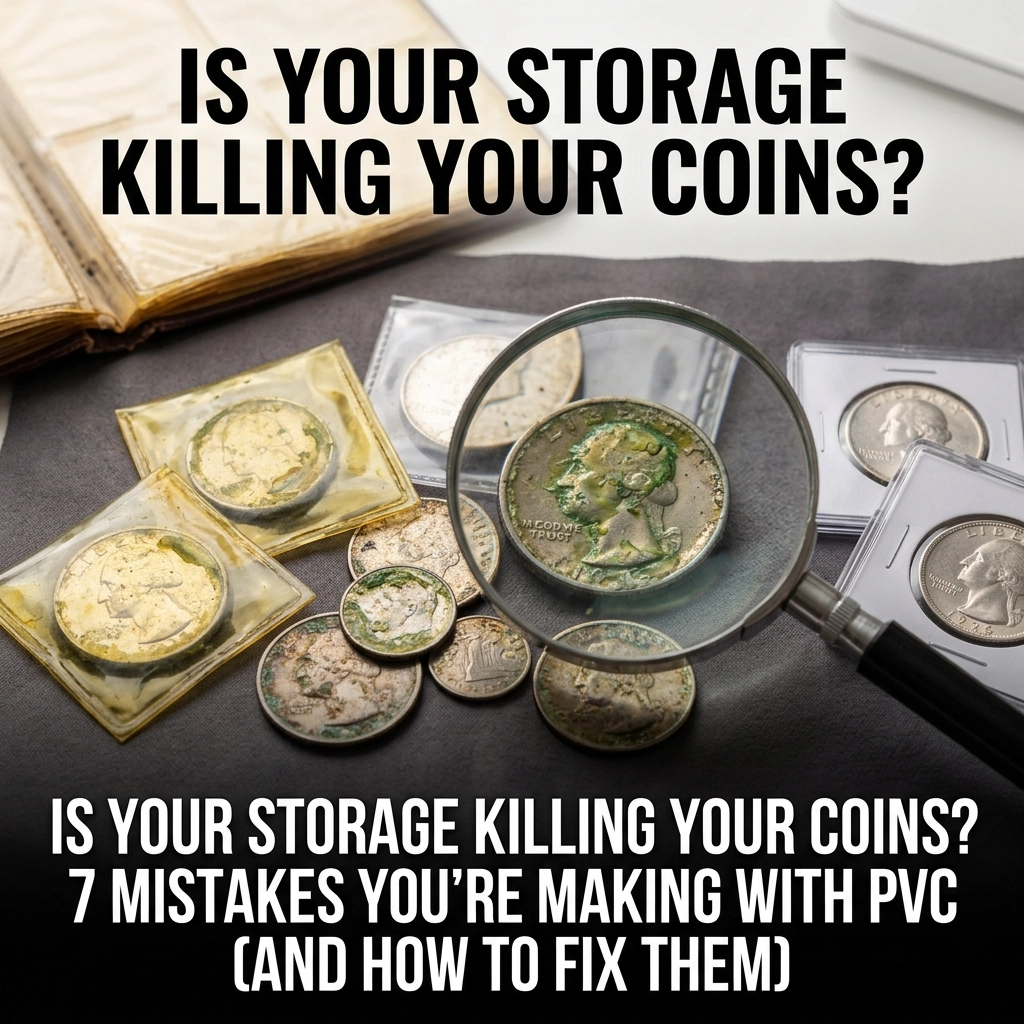
If you’ve ever opened an old album or a box of "flips" only to find your shiny silver coins covered in a sticky, neon-green slime, you’ve met the PVC monster. It’s a heartbreaking sight, especially if that coin was a family heirloom or a high-grade rarity.
The good news? It’s preventable. The bad news? A lot of the "how to store coin collection" advice floating around the internet is outdated or just plain wrong. Let’s break down the seven biggest mistakes collectors make with PVC and how you can protect your investment.
1. Trusting the "Softness" of the Flip
When you’re at a coin show, you’ll see thousands of coins in small, clear plastic pouches called "flips." There are generally two types: soft and hard.
The soft ones are made with Polyvinyl Chloride (PVC). Manufacturers add chemicals called plasticizers to make the plastic pliable and easy to open. Over time, those plasticizers break down and release hydrochloric acid. This acid reacts with the metals in your coins: especially copper and silver: creating that dreaded green goo.
Many collectors prefer the soft flips because they don’t crack and they feel "nicer" to handle. This is mistake number one. In the world of numismatics, "soft" usually means "danger."
2. Using "Generic" Craft Store Albums
We all love a bargain, but the craft store or the office supply aisle is not the place to shop for coin storage. Many generic photo albums or binder pages use PVC-based plastics. They are designed for photographs (which they also eventually ruin) or paper documents, not for the delicate surfaces of a 1916 Standing Liberty Quarter.
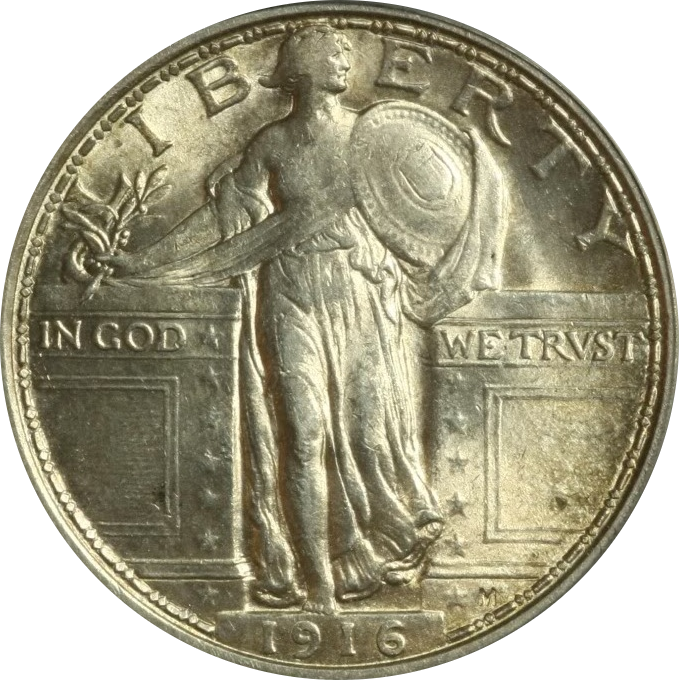
Think about it this way: if you’re holding a coin as rare and beautiful as a 1916 Standing Liberty Quarter, why would you risk it in a $2 binder from a big-box store? High-value coins deserve storage that meets ANA grading standards for long-term preservation.
3. The "Set It and Forget It" Mentality
Even if you use "PVC-free" materials, you can’t just throw your coins in a safe and ignore them for twenty years. Environment plays a massive role in how storage materials behave.
If you store your collection in a humid basement or a hot attic, even "safe" plastics can begin to degrade or trap moisture against the coin. I’ve seen collections where the holders were fine, but the atmospheric moisture inside the holder caused environmental damage.
Part of proper coin care is a regular "check-up." Every six months to a year, pull out your binders or boxes. Look for any signs of cloudiness in the plastic or changes in the coin's color. If something looks off, move it to a new holder immediately.
4. Mixing "Clean" Coins with "Contaminated" Holders
This is a subtle mistake that catches a lot of people off guard. Let’s say you buy a coin at a show and it’s in a soft, PVC flip. You get home and decide to move it to a high-quality, Mylar holder.
If that coin has already spent a few years in the PVC flip, it might already have a microscopic layer of plasticizer on the surface. If you put it into a new, safe holder without properly neutralizing it, the damage will continue to progress inside the new holder.
Whenever you move a coin from a suspect holder to a permanent one, it’s worth investigating if the coin needs a quick dip in pure acetone (not nail polish remover!) to strip away any organic residue. This is one of the few "cleaning" steps that most professional numismatists agree on, provided it’s done correctly and safely.
5. Ignoring the "New Shower Curtain" Smell
Your nose is actually one of your best tools for counterfeit coin detection and storage safety. Have you ever opened a new shower curtain and got hit with that very specific, "plastic-y" chemical smell? That is the smell of PVC plasticizers outgassing.
If you open your coin box and it smells like a pool toy or a new raincoat, you have a problem. Safe storage materials like Mylar (biaxially-oriented polyethylene terephthalate) or hard plastic slabs are virtually odorless. If your storage smells like a chemical factory, get your coins out of there.
6. Trusting Original Mint Packaging (Too Much)
This one is controversial, but it’s a mistake I see often. We often assume that because a coin came from the U.S. Mint, the packaging is permanent. However, many older Mint sets and Proof sets from the mid-20th century were packaged in materials that weren’t intended for 50+ year storage.
Certain older "cellophane" wrappers can become brittle and crack, or in some cases, react with the coins. While many collectors like to keep things in the "original government packaging" (OGP), you have to weigh the value of the packaging against the health of the coin. For a million-dollar rarity, the choice is easy: get it into a professional slab.
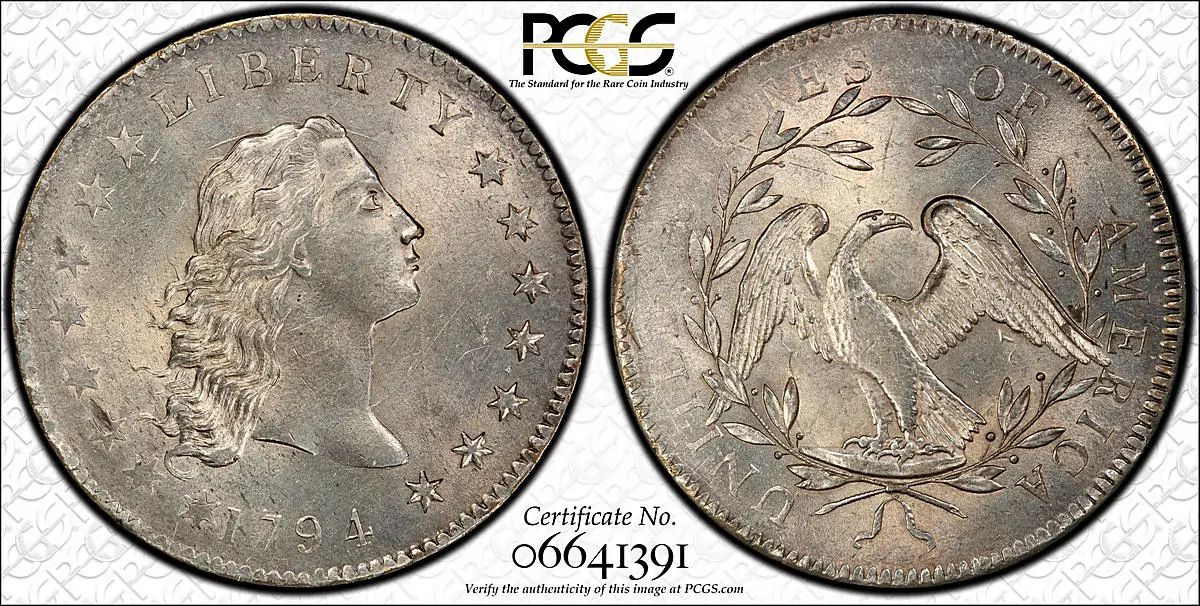
Look at this 1794 Flowing Hair Silver Dollar. It sold for $4.5 million. You can bet it’s not sitting in a soft PVC flip from a hobby shop. It’s protected by high-tech, inert materials designed to last centuries.
7. Using Office Supplies for "Quick Fixes"
We’ve all done it. You find a cool coin in your change, you don't have a flip handy, so you wrap it in a piece of Scotch tape or put it in a standard paper envelope.
Stop.
The adhesive on tape is incredibly difficult to remove without damaging the coin’s luster. Standard paper envelopes contain sulfur and acids that will turn your silver coins black or a funky, unattractive brown. If you don't have a proper holder, a clean, dry glass jar is better than a taped-up piece of paper.
How to Fix Your Storage Today
If you’ve realized some of your coins are in danger, don’t panic. Here is the checklist to fix your storage:
- Identify the Danger: Look for soft, oily, or "smelly" flips. Look for any green residue on your coins.
- Buy the Right Stuff: Look for "Mylar" or "PVC-free" flips. These are stiffer and have a slight "crinkle" sound to them. For your best coins, use "Air-Tite" holders or send them to a third-party grading service like PCGS or NGC.
- The Acetone Bath: If a coin shows signs of PVC damage (the green goo), it can often be saved. Pure acetone (from a hardware store, not the beauty aisle) dissolves the PVC residue without affecting the metal of the coin. Note: Do this in a ventilated area and use glass containers.
- Control the Climate: Store your collection in a cool, dry place. Using silica gel packets in your safe or storage box can help pull moisture out of the air before it reaches your coins.
Why It Matters
As we discuss frequently on our numismatic podcast, we aren't just owners of these coins; we’re caretakers. Whether it's a common wheat penny or a 1796-5 Half Eagle, these items are pieces of history.
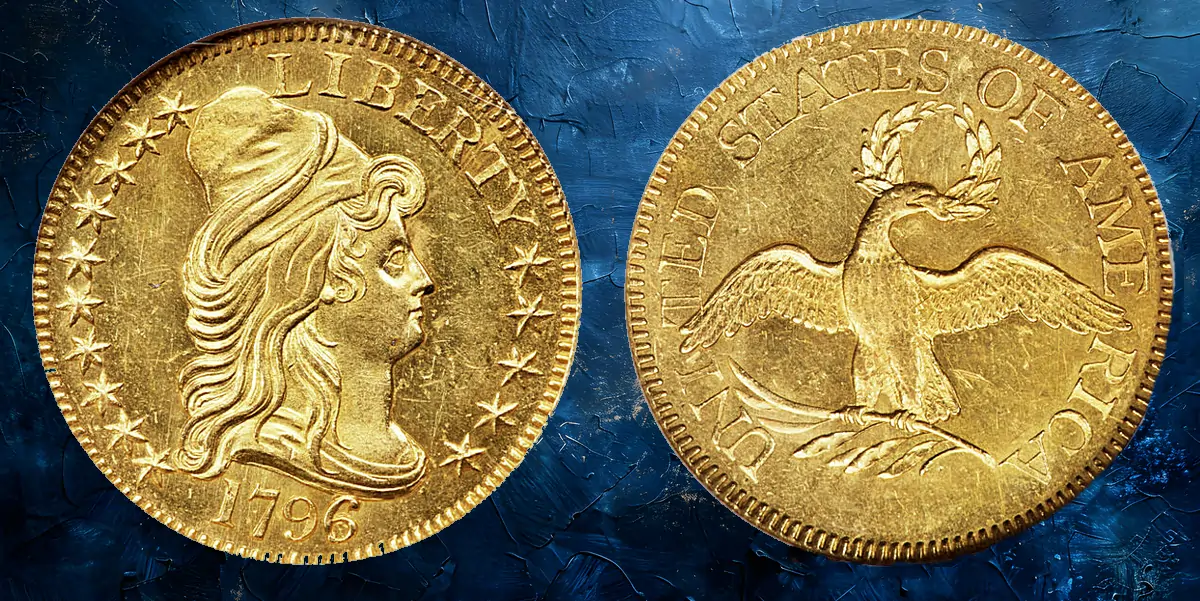
When we see coins like the 1796/5 Half Eagle fetch record prices at auction, it’s not just because they are rare. It’s because someone, somewhere, took the time to store them correctly for over 200 years. They kept them away from moisture, away from acids, and away from the 18th-century equivalent of PVC.
Final Thoughts from the Desk of Matt Dinger
Coin collecting should be fun, not a source of anxiety. By taking an afternoon to audit your storage, you’re ensuring that your collection stays as beautiful as the day you bought it.
If you want more coin collecting tips, or you’re wondering "what is a coin show like?" check out our latest episodes of The Coin Show. We dive deep into everything from the upcoming 1776-2026 Emerging Liberty Dime to the best ways to spot a fake.
Keep those coins dry, keep them safe, and for heaven's sake, keep them away from the green slime!
Happy collecting!