
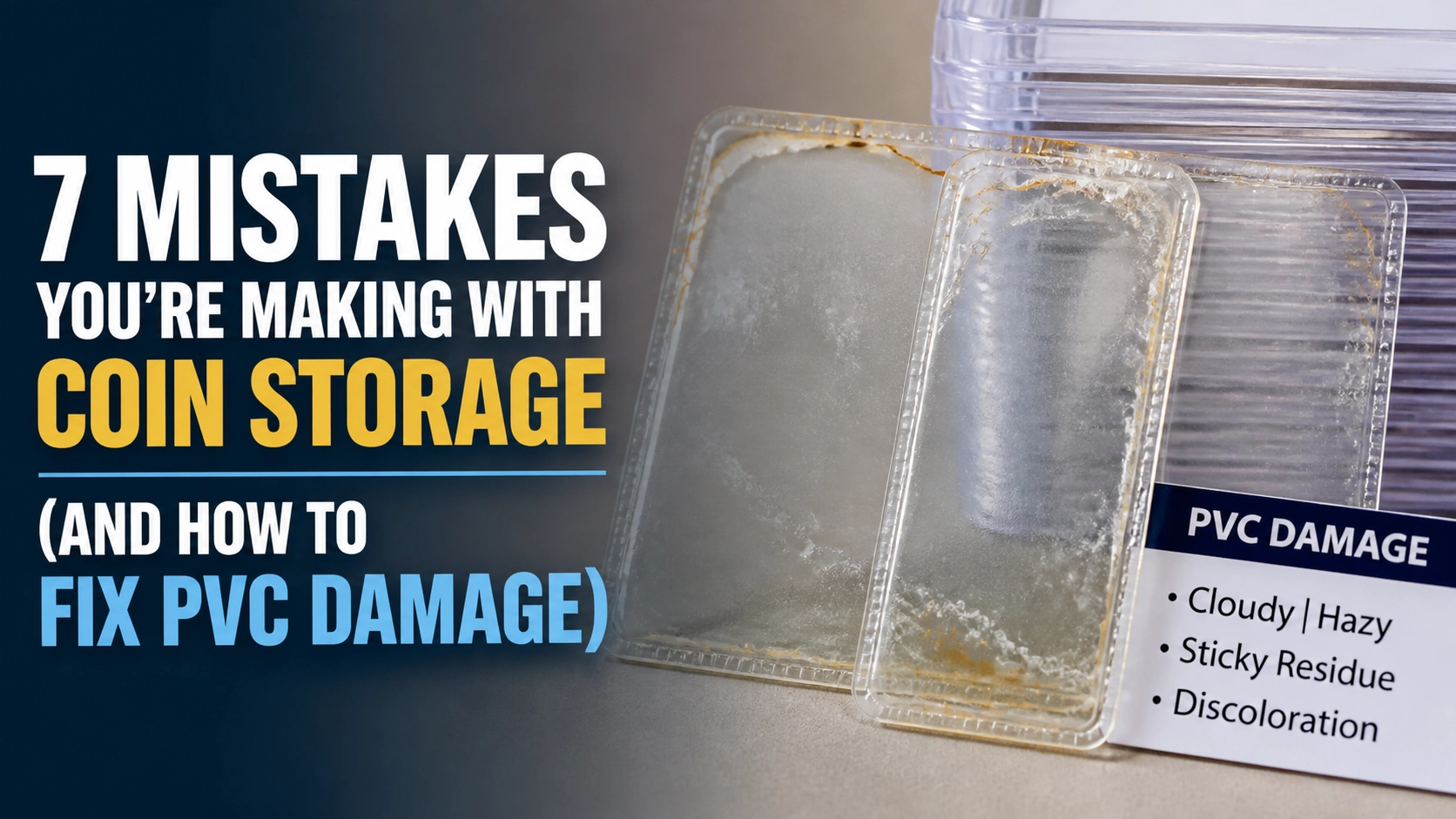
7 Mistakes You’re Making with Coin Storage (and How to Fix PVC Damage)
Hey there, I’m Matt Dinger, host of The Coin Show. If you’ve been hanging out with us on our coin collecting podcast, you know that we love a good find. There’s nothing quite like the rush of spotting a rare variety or finally snagging that bucket-list coin for your set. But here’s the cold, hard truth: finding the coin is only half the battle. Keeping it in the same condition you found it in? That’s where the real work happens.
I’ve seen too many collectors: both beginners and veterans: accidentally sabotage their own collections through bad storage habits. We call it "The Slow Death." It doesn’t happen overnight, but five years from now, you might open your safe and realize your pristine silver dollar has turned an ugly, mottled black, or worse, is covered in green slime.
Today on The Daily Mint, we’re going to walk through the seven most common storage mistakes and, most importantly, how to rescue a coin that’s already suffering from the dreaded PVC damage.
1. The "Golden Touch" (Handling with Bare Hands)
We all want to feel the weight of history in our hands. I get it. But your skin is basically a chemical factory. You’ve got oils, salts, and acids constantly being produced by your pores. When you touch a coin with your bare hands, you’re leaving behind a microscopic fingerprint that acts as a blueprint for future corrosion.
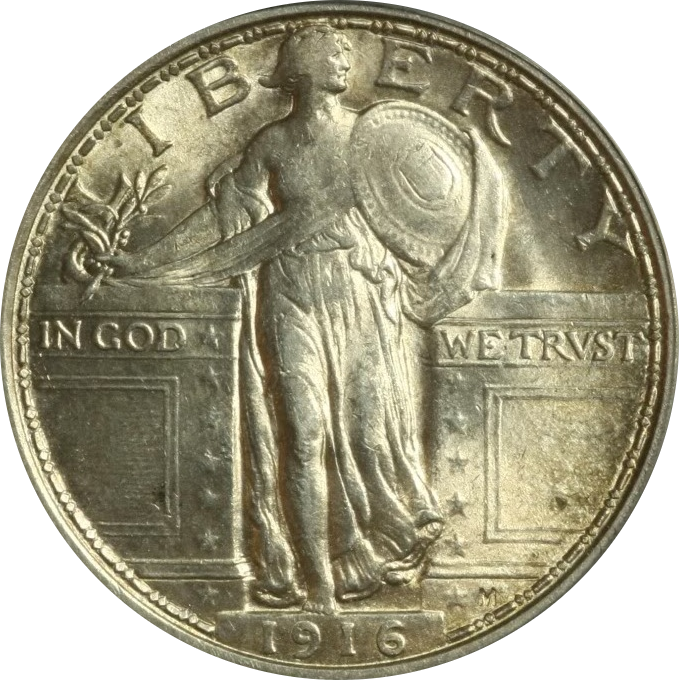
Over time, those oils react with the metal. On a copper coin, like a standing liberty quarter 1916 (if you're lucky enough to own one!), a bare thumbprint can eventually turn into a permanent, dark stain that kills the eye appeal and the grade.
The Fix: Always handle coins by their edges. Better yet, invest in some lint-free cotton gloves or powder-free nitrile gloves. If you watch any pro at a numismatic podcast recording or a live grading session, they’re almost always using protection. It’s the easiest way to prevent long-term damage.
2. The PVC Nightmare
This is the big one. Polyvinyl Chloride (PVC) is a chemical used in soft, pliable plastic "flips" to make them flexible. The problem is that PVC eventually breaks down and releases acidic gases. This creates a sticky, green residue on the surface of your coins. Left long enough, this "green slime" will actually eat into the metal, causing permanent pitting.
If your coin holders are soft, oily to the touch, or smell like a new shower curtain, you have a PVC problem.
The Fix: Use only non-PVC, archival-quality holders. Look for "unplasticized" flips (often called Mylar or Saflip). They’re stiffer and might crack if you bend them, but they won’t melt your collection. If you already have green slime on your coins, hang tight: we’ll cover the fix for that at the end of this post.
3. The "Ziploc" Strategy
I see this a lot at local shows. A collector comes in with a sandwich bag full of loose silver coins. While it’s better than nothing, it’s a recipe for "bag marks." When coins rub against each other, they get tiny nicks and scratches.
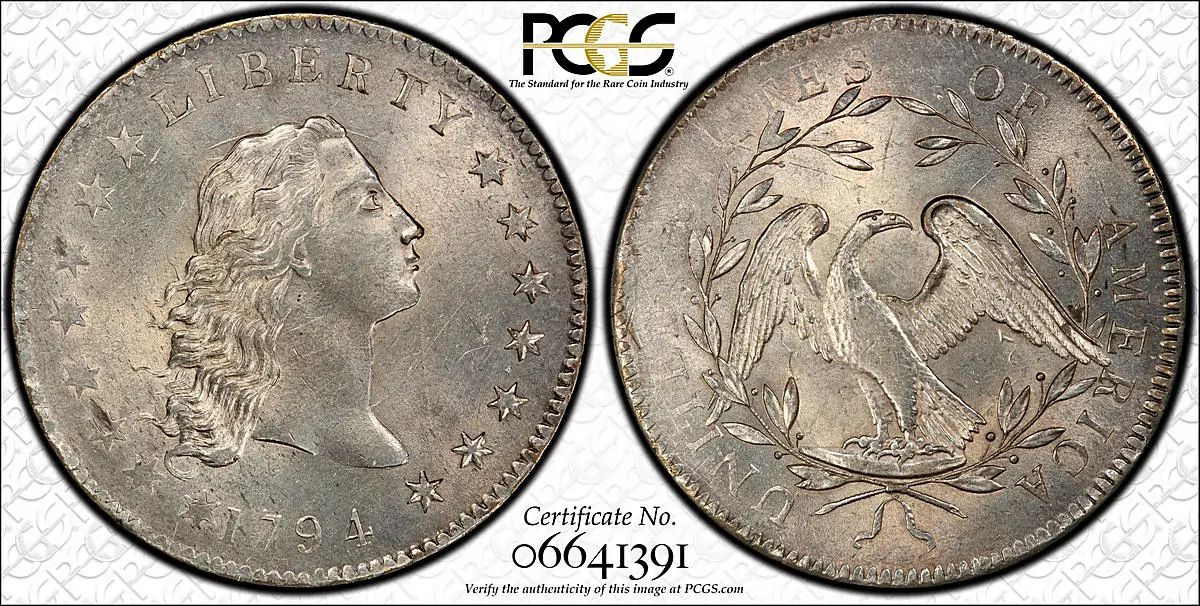
If you have a high-grade coin, like the 1794 Flowing Hair Silver Dollar, even the slightest friction can drop it from an MS63 to an MS60, potentially costing you thousands (or in the case of the 1794, millions) of dollars. Plastic food bags aren't designed for coins; they can contain harmful chemicals and provide zero physical protection from impact.
The Fix: Give every coin its own "apartment." Use individual capsules, 2×2 cardboard flips, or professional grading slabs.
4. Rubber Bands are the Enemy
If you’re using rubber bands to hold together stacks of coin tubes or folders, stop right now. Rubber contains sulfur. As rubber bands age, they dry out, crack, and release sulfur into the air. Sulfur is the primary culprit behind heavy, ugly toning on silver and black spots on gold.
I’ve seen coins that were perfectly white become completely black on one edge because a rubber band was snapped around the container they were in.
The Fix: Use plastic tape (on the outside of boxes only) or specialized coin storage boxes designed to hold tubes securely without the need for extra fasteners.
5. The "Polished" Mistake: Improper Pre-Storage Care
Sometimes the mistake happens before the coin even hits the holder. New collectors often think they are doing the coin a favor by "cleaning" it before storing it. They might use a soft cloth or some silver polish to make it shine.
In the world of numismatic podcast experts and ANA grading standards, "cleaned" is a four-letter word. Cleaning a coin leaves microscopic hairlines on the surface. To a professional grader, a cleaned coin is a damaged coin. You are much better off storing a dirty, original coin than a "shiny" cleaned one.
The Fix: Don't touch the surface. If there is loose debris, a quick dip in pure acetone (not nail polish remover!) or a blast of canned air is usually all you need. If it's a valuable piece, just leave it alone.
6. Ignoring the Environment (The Attic/Basement Trap)
Where you keep your collection is just as important as what you keep it in. Many people store their coins in a basement or an attic. These are the two worst places in a home.
Attics get incredibly hot, which accelerates chemical reactions (like PVC breakdown). Basements are usually humid. High humidity leads to oxidation: rust on steel cents and heavy tarnish on silver. If you’re worried about counterfeit coin detection, remember that environmental damage can sometimes hide the tell-tale signs of a fake, making it harder to authenticate your pieces later.
The Fix: Store your collection in a "cool, dry place." Ideally, this is in the main living area of your home where the temperature is stable. If you use a safe, throw in some silica gel packs to absorb any moisture.
7. Cracking the Slab Without a Plan
Professional grading by companies like PCGS or NGC provides a sonically sealed, tamper-evident holder. This "slab" is one of the best forms of storage available. However, some collectors like to "crack" coins out of these holders to put them in an album or to try for a higher grade.
Unless you are an expert in ANA grading standards, cracking a slab is risky. Once the coin is out, you’ve lost the guarantee of authenticity and the grade. You also expose the coin to the elements again.
The Fix: If you want your coins in an album, buy "raw" coins. If you buy a slabbed coin, leave it in the slab. There are special albums designed to hold the slabs themselves if you want that "set" look.
How to Fix PVC Damage (The Acetone Method)
If you’ve found that "green goo" on your coins, don't panic. It can often be removed if caught early enough. This is one of the most requested coin collecting tips we get at The Coin Show.
What you need:
- 100% Pure Acetone (Found at hardware stores, not the beauty aisle).
- Glass containers (Acetone melts plastic).
- Gloves and eye protection.
- A well-ventilated area (Seriously, do this outside or by a window).
The Process:
- The Soak: Place the coin in a glass bowl and pour enough acetone to cover it. Let it sit for a few minutes. For heavy PVC, you might see the green residue start to float off.
- The Rinse: Swish the coin gently in the acetone. Do not scrub it with a brush or cloth!
- The Final Dip: Move the coin to a second glass of clean acetone for a final rinse to ensure no residue remains.
- Air Dry: Acetone evaporates almost instantly. Set the coin on a clean, soft towel and let it air dry.
This process removes organic materials (like PVC and oils) without reacting with the metal of the coin itself. It’s the only "cleaning" method that is generally accepted in the hobby, as it doesn't damage the coin's surface.
What is a Coin Show?
If you're feeling overwhelmed by supplies, you might be asking: what is a coin show? It’s more than just a place to buy coins. It’s a gathering of dealers and collectors where you can find high-quality storage supplies that aren't available at your local big-box store. It's the perfect place to pick up non-PVC flips, intercept-shield boxes, and talk to experts about your specific storage needs.
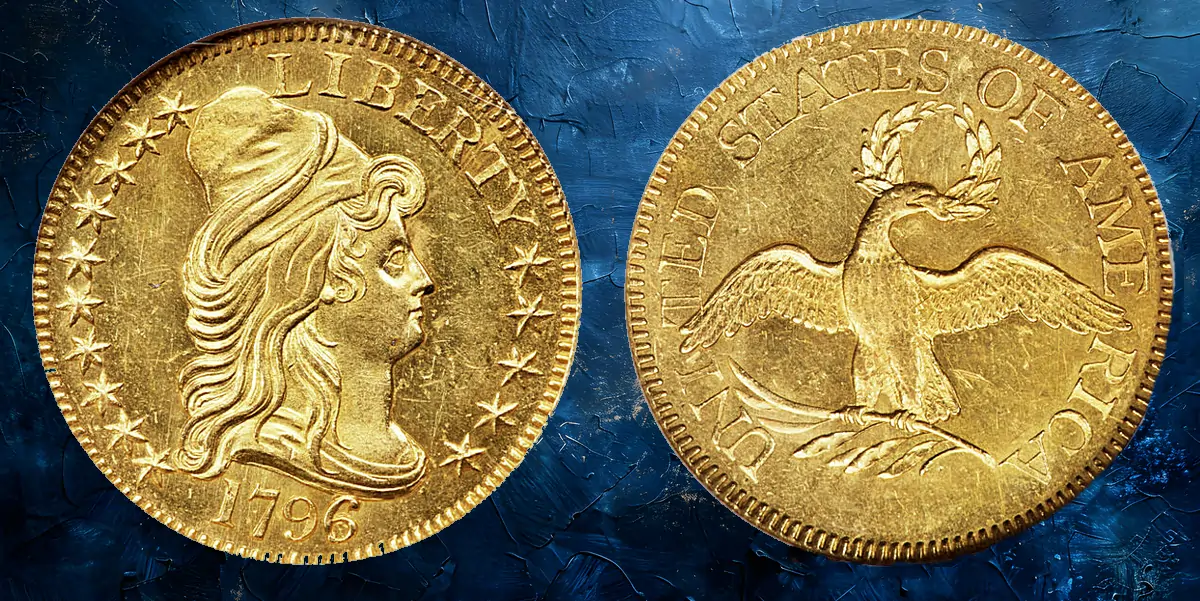
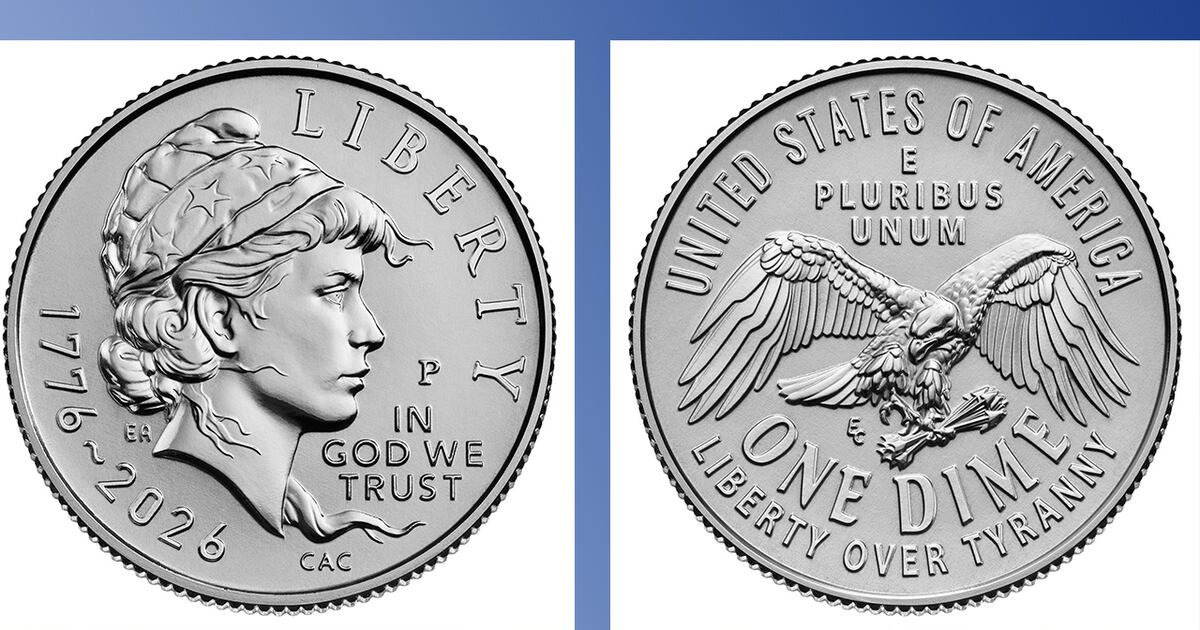
With the upcoming release of the 1776-2026 Emerging Liberty Dime, now is the perfect time to get your storage game in order. Whether you are collecting modern commemoratives or 18th-century gold, the goal is the same: preservation.
Thanks for reading The Daily Mint. If you found these tips helpful, be sure to check out our numismatic podcast for more deep dives into the world of coin collecting. Until next time, keep your coins dry and your flips PVC-free!