
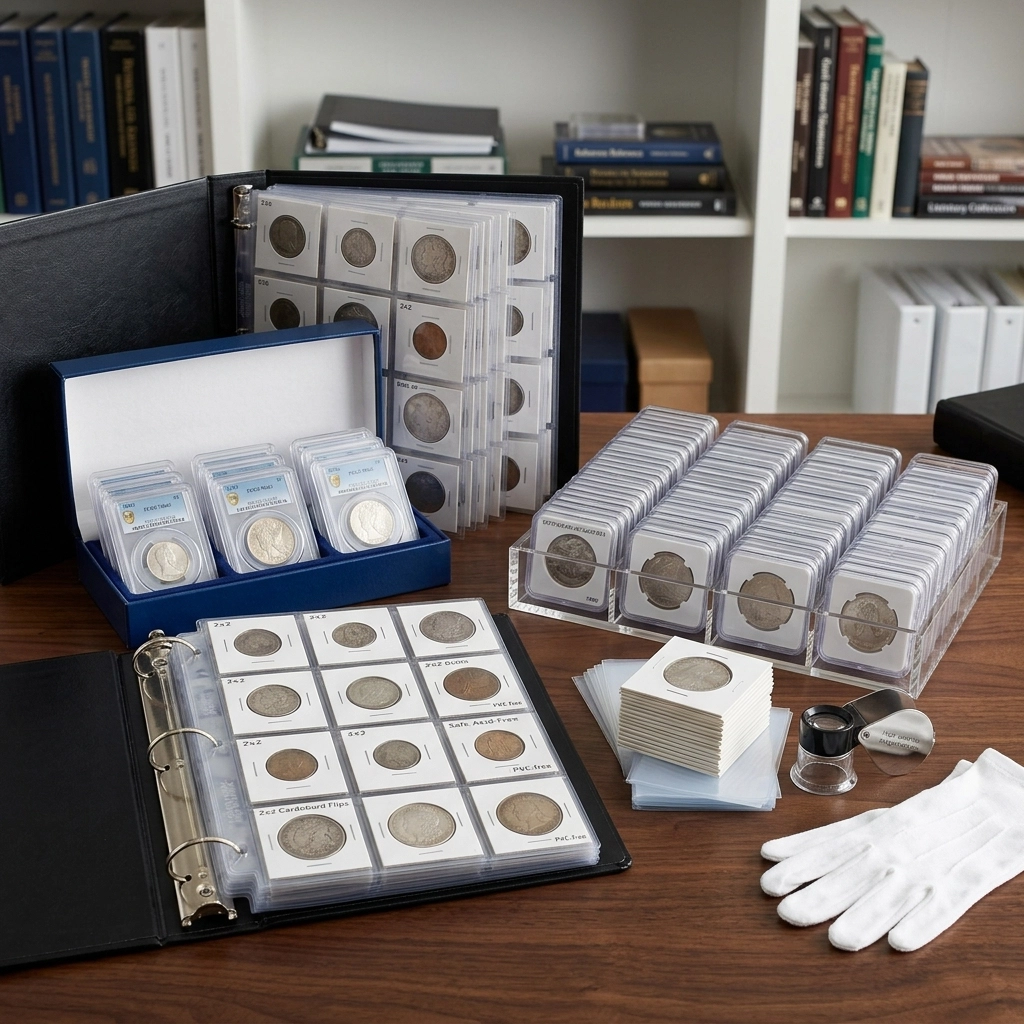
The Ultimate Guide to Coin Storage for Collectors: Everything You Need to Succeed and Stay PVC-Free
Hey there, fellow collectors! Welcome to another edition of The Daily Mint. I’m Matt Dinger, and if you’ve ever tuned into our coin collecting podcast, you know that I’m a huge advocate for one thing: keeping your coins healthy.
We spend so much time hunting for that perfect date, haggling at a coin show, and studying ANA grading standards, but all that effort goes right out the window if you don't store your treasures properly. I’ve seen it a thousand times: a beautiful, lustrous coin ruined by a five-cent plastic flip. It’s heartbreaking.
Today, we’re going deep into the world of coin storage. We’re talking about how to protect your investment, what materials to avoid like the plague, and how to keep your collection looking like it just stepped out of the mint.
Why Your Storage Choice Matters
Think of coin storage as an insurance policy. When you understand how to store a coin collection, you aren’t just keeping things organized; you’re preventing chemical reactions. Coins are made of metal, and metals are reactive. They don’t like moisture, they don’t like certain chemicals, and they definitely don’t like being jumbled together in a coffee tin.
If you’re serious about numismatics, you need a strategy. This guide is designed to give you the best coin collecting tips for long-term preservation.
The Arch-Nemesis: PVC Damage
If there is one thing I want you to take away from this post, it’s this: Stay away from PVC.
PVC (polyvinyl chloride) is a type of plastic used in many cheap, flexible coin flips. To make the plastic soft and pliable, manufacturers add chemical softeners called phthalates. Over time, these chemicals leach out of the plastic and onto the surface of your coin.
How to Spot Coin PVC Damage
It usually starts as a light, misty film. If left long enough, it turns into a sticky, green goo. This acidic residue actually eats into the surface of the metal. For copper coins, it’s a death sentence. For silver, it creates ugly, permanent staining.
When you’re at a coin show or buying from an estate, always check the flips. If they are soft, oily, or smell like a new shower curtain, get the coins out of there immediately. Always insist on "unplasticized" flips or Mylar-lined holders.
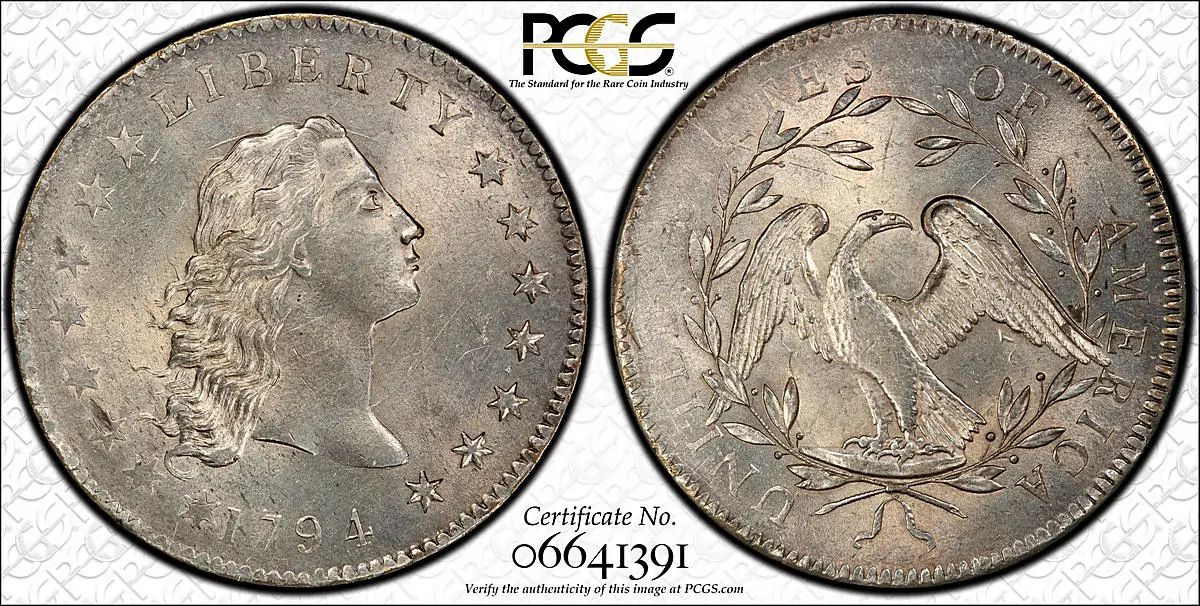
Take a look at this 1794 Flowing Hair Silver Dollar. This coin recently sold for $4.5 million. Can you imagine if someone had left this in a cheap PVC flip back in the 70s? It would be worth a fraction of that today. Protecting the surface is protecting the value.
Choosing the Right Holders
1. 2×2 Cardboard Flips
These are the bread and butter of coin storage for collectors. They are cheap, easy to write on, and fit perfectly into standard storage boxes.
- The Pro: They use a Mylar window, which is archival-safe and PVC-free.
- The Con: You have to staple them. Always use a pair of pliers to flatten the staples after you’re done. A protruding staple is a "scratch waiting to happen" for the coin sitting next to it in the box.
2. Hard Plastic Capsules (Air-Tites)
For your better pieces: the ones that aren't quite ready for professional grading but are too nice for cardboard: go with hard plastic capsules. These are usually made of acrylic or polystyrene. They provide a much better seal against the air and protect against physical drops.
3. Professional Grading Slabs
If you have a high-value rarity, like a standing liberty quarter 1916 or a gold eagle, professional grading is the gold standard. Companies like PCGS or NGC use sonically sealed, tamper-evident holders. These follow strict ANA grading standards and offer the best protection and liquidity.
A Historical Lesson: The 1916 Standing Liberty Quarter
Speaking of high-value coins, let’s talk about a classic. The 1916 Standing Liberty Quarter is a legend in the hobby. With a mintage of only 52,000, it’s a "key date" that every collector dreams of owning.
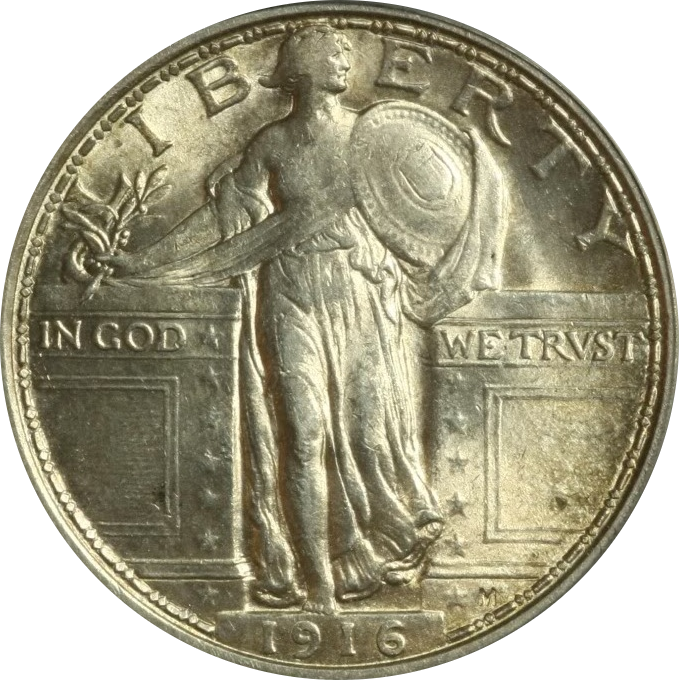
Because this coin was struck with a relatively "soft" design (the date was raised and wore off quickly), the preservation of its surface is everything. A 1916 quarter that has been stored in a damp basement or a PVC flip will lose its "Full Head" detail or develop environmental damage that kills its auction value. When you handle a coin of this caliber, you don't even touch the surface with your bare hands: oils from your skin can cause "fingerprint toning" that never goes away.
The Environment: Where You Store Matters
You can have the best holders in the world, but if you put them in the wrong place, you’re asking for trouble.
- Avoid the Attic and Basement: These areas have the most extreme temperature fluctuations and humidity levels. Humidity is the enemy of copper and silver. It leads to spotting and corrosion.
- The Safe Strategy: If you use a fireproof safe, be careful. Many fireproof safes use a "wet" lining that releases moisture to keep the interior cool during a fire. This creates a humid micro-climate that can ruin coins. Use silica gel packs (desiccants) inside your safe and change them regularly.
- Cool and Dry: A closet in the main part of your house is usually the best spot. It stays at a consistent temperature and is generally drier.
Organization and Cataloging
As your collection grows, you’ll find that storage isn't just about protection: it's about finding what you have.
On our numismatic podcast, we often discuss the "accidental hoarder" phase. This is when you have 50 different boxes of coins and no idea what’s in them. Use a simple spreadsheet or a dedicated app to track your inventory. Note the date, mint mark, grade, and what you paid.
This also helps with counterfeit coin detection. When you have your collection well-organized and you're familiar with the look of your genuine pieces in their holders, a "funny-looking" addition will stand out much faster.
Looking Forward: The Future of Collecting
The hobby is always evolving. We are currently looking forward to the 1776-2026 semi-quincentennial. The U.S. Mint is releasing some incredible new designs, including the 2026 Emerging Liberty Dime.
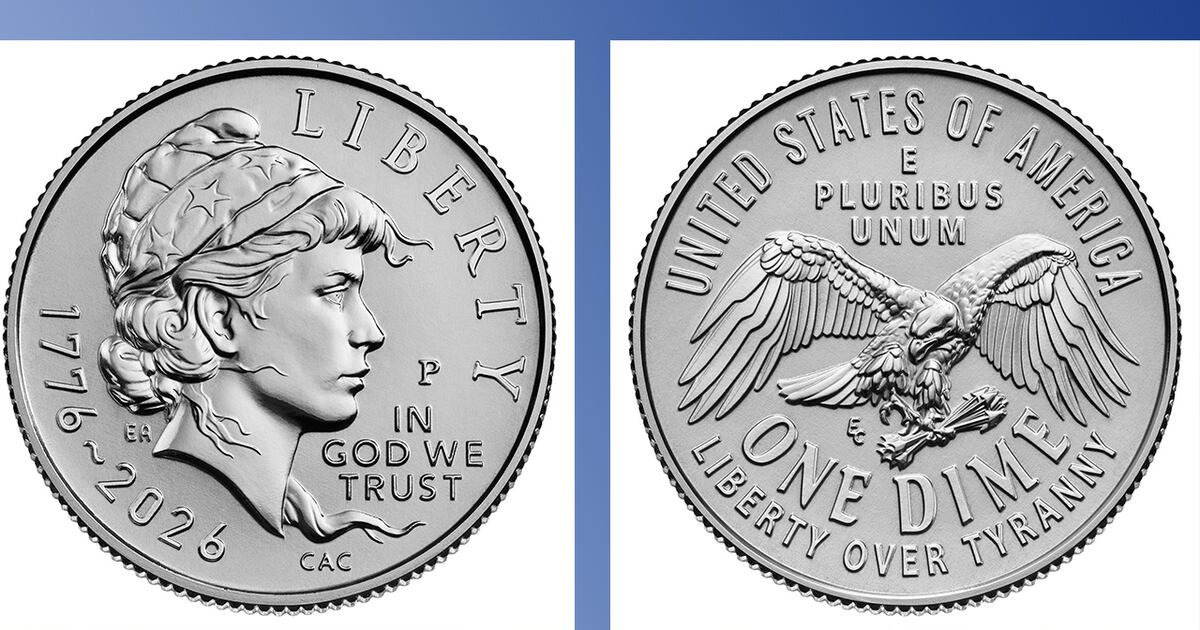
When these new coins hit the market, collectors will be rushing to get them into holders. My advice? Get them into PVC-free storage the day you get them. Modern finishes, like the "Enhanced Uncirculated" or "Proof" finishes, are incredibly sensitive to environmental damage.
What is a Coin Show and Why Go?
If you're still confused about which supplies to buy, go to a local show. If you're wondering what is a coin show, it’s basically a massive marketplace and social gathering for collectors. You’ll find dealers selling everything from 18th-century gold to the latest supplies.
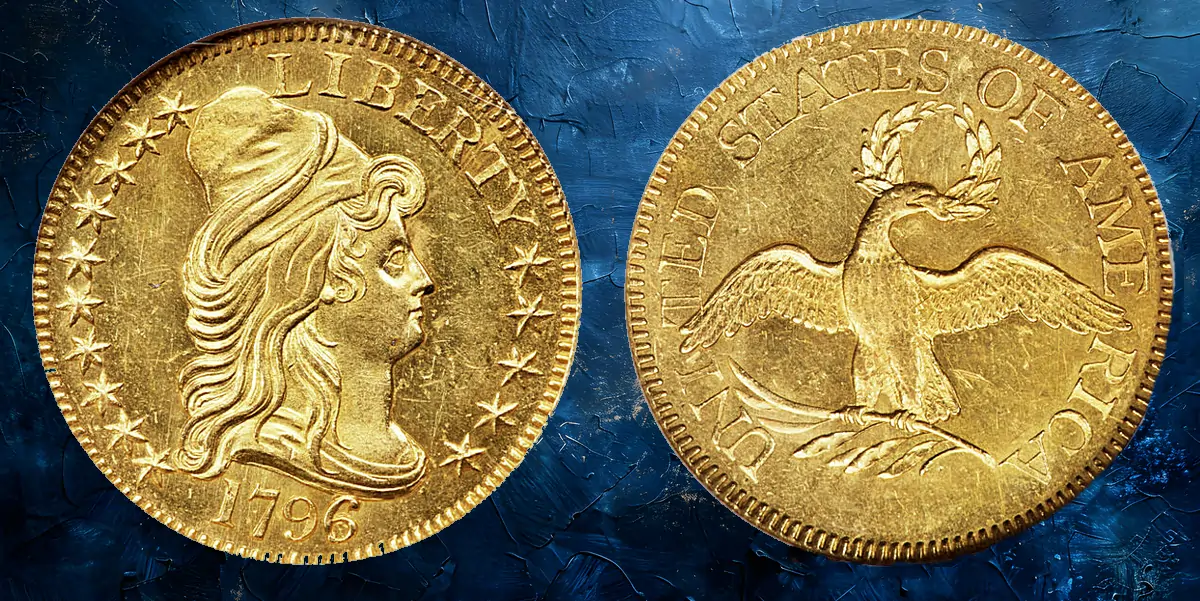
At a show, you can actually feel the difference between a "soft" flip and a "stiff" archival flip. You can see how a 1796/5 Half Eagle looks in a high-grade slab. It’s the best place to learn the "feel" of the hobby. Plus, you can usually buy storage boxes and Mylar flips in bulk without paying for shipping!
Final Thoughts for Your Collection
Storing your coins isn't the most glamorous part of the hobby. It’s not as fun as finding a rare variety or winning an auction. But it is the most important part of being a steward of history.
We don't really "own" these coins; we’re just looking after them for the next generation. Whether you’re holding a common wheat cent or a record-breaking gold piece, treat it with respect.
Stay PVC-free, keep it dry, and keep on collecting!
If you enjoyed these coin collecting tips, make sure to check out our latest episode of The Coin Show podcast for more deep dives into the world of numismatics. Happy hunting!