The Ultimate Guide to Coin Collecting Tips: Everything You Need to Succeed
Hey there, fellow collectors. Matt Dinger here from The Coin Show. If you’ve ever found a weird-looking penny in your pocket change or inherited a dusty box of silver dollars from your grandfather, you’ve probably felt that little spark of curiosity. That spark is how most of us get started. But going from "someone with a few old coins" to a "numismatist" takes a bit of a roadmap.
Welcome to "The Daily Mint." Today, we’re breaking down the ultimate guide to coin collecting tips. We’re going to talk about how to keep your coins safe, how to spot the fakes, and why you should never, ever reach for the baking soda to "shine up" your treasures. Whether you’re a regular listener of our coin collecting podcast or you just stumbled onto this blog, pull up a chair. Let’s talk shop.
Knowledge is Your Best Asset
Before you spend a single dime on a rare coin, you should spend a few bucks on a book. There’s an old saying in this hobby: "Buy the book before the coin." It’s the best advice I can give you.
The market moves fast, and while a numismatic podcast can keep you updated on current trends and news, having a solid reference library is essential. You need to know mintages, varieties, and historical context. Why? Because the difference between a coin worth $20 and a coin worth $2,000 often comes down to a tiny mint mark or a slight doubling in the die that you’d miss if you didn’t know what to look for.
Start by exploring the ANA grading standards. The American Numismatic Association (ANA) set the bar for how we talk about a coin's condition. Understanding the Sheldon Scale: that 1 to 70 range: is how you ensure you aren't overpaying. A "Mint State 65" coin is a completely different animal than a "Mint State 63," even if they look identical to the naked eye.
The "No-No" List: Coin Care and Cleaning
If there is one thing that makes experienced collectors cringe, it’s the word "cleaning." You might think that a shiny coin is a valuable coin, but in the world of numismatics, original surfaces are king.
When you clean a coin: whether with chemicals, a cloth, or even just soap and water: you are effectively removing a microscopic layer of the metal. This leaves "hairlines" (tiny scratches) that a professional grader will spot in a heartbeat. A cleaned coin can lose 50% to 90% of its market value instantly. If it’s dirty, leave it dirty. That "dirt" is often a beautiful natural patina or "toning" that collectors actually pay a premium for.
Avoiding the Green Slime: Coin PVC Damage
Now, let’s talk about how to store coin collection items properly. This is where many beginners lose money without even knowing it. For decades, the industry used soft plastic "flips" that contained PVC (polyvinyl chloride) to make them flexible.
The problem? Over time, PVC breaks down and releases an acidic gas that reacts with the copper and silver in your coins. This creates a sticky, green goo known as coin pvc damage. If left long enough, that green slime will actually eat pits into the surface of the coin.
When looking at coin storage for collectors, always ensure your holders are "PVC-free." Look for Mylar flips or hard plastic capsules. If you see a green tint on a coin in your collection, get it out of that holder immediately and consult a professional about how to safely stabilize it.
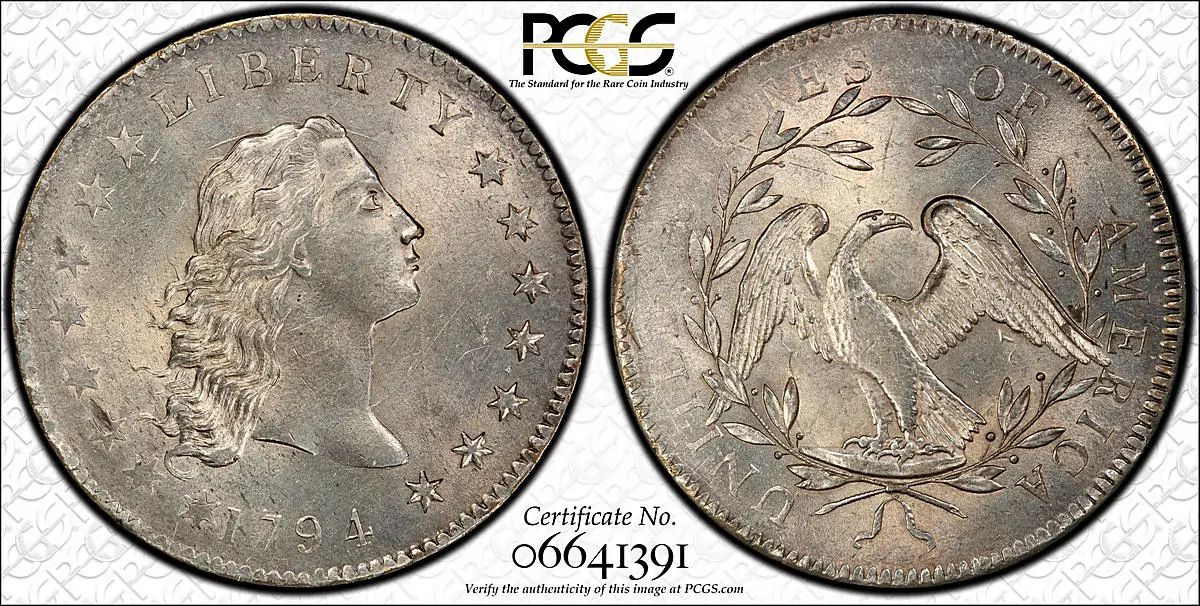
Understanding Rarity: The 1794 Flowing Hair Dollar
To understand why we obsess over preservation, look no further than the 1794 Flowing Hair Silver Dollar. This was the first dollar coin struck by the U.S. Mint. Because the equipment back then wasn't quite ready for large silver coins, many were struck poorly.
When a specimen survives in high grade: like the one pictured above that sold for over $4 million: it’s because someone, somewhere, realized it was special and kept it away from the elements. You don't have to own a million-dollar coin to treat your collection with that same level of respect.
The Legend of the Standing Liberty Quarter 1916
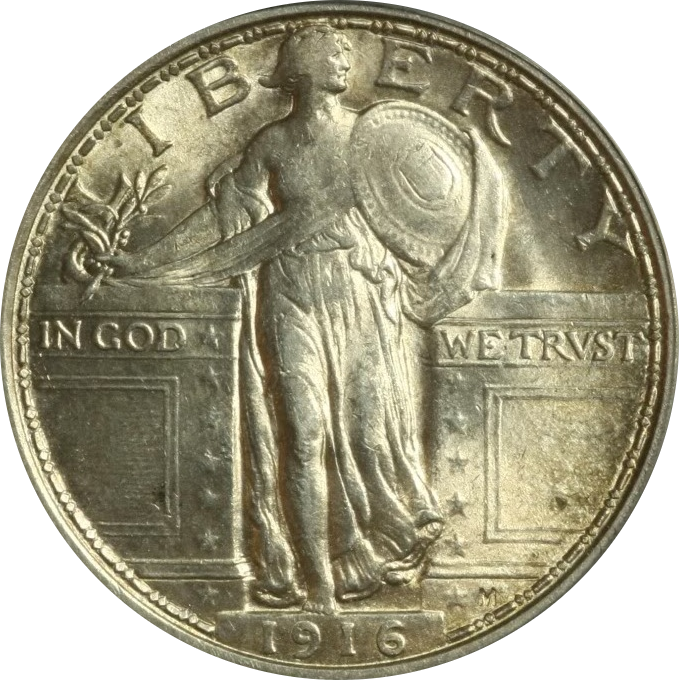
Every collector has a "holy grail" coin. For many fans of early 20th-century silver, it’s the standing liberty quarter 1916.
This coin is the stuff of legends. Designed by Hermon MacNeil, the 1916 version had a tiny mintage of only 52,000 pieces. For comparison, the 1917 version had millions. Because the design changed slightly in 1917 (they added chainmail to Liberty’s chest: long story for another day), the 1916 stands alone as a unique first-year rarity.
If you ever see one of these in a "junk silver" bin, buy it. Just make sure it’s authentic.
Spotting the Fakes: Counterfeit Coin Detection
As the value of rare coins has climbed, so has the quality of fakes coming out of overseas "foundries." Counterfeit coin detection is a skill you develop over time, but here are three quick coin collecting tips to get you started:
- The Magnet Test: Most collectible U.S. coins (except for the 1943 steel cent) are not magnetic. If your silver dollar sticks to a magnet, it’s a fake made of steel or nickel.
- The Weight Test: Get a digital scale that measures to the hundredth of a gram (0.01g). Counterfeits are almost always off-weight because the alloys they use aren't as dense as gold or silver.
- The "Ping" Test: This takes practice, but silver and gold have a distinct, long-lasting ring when tapped gently (be careful not to damage the coin!). Base metals sound like a dull thud.
A New Era: The 2026 Emerging Liberty Dime
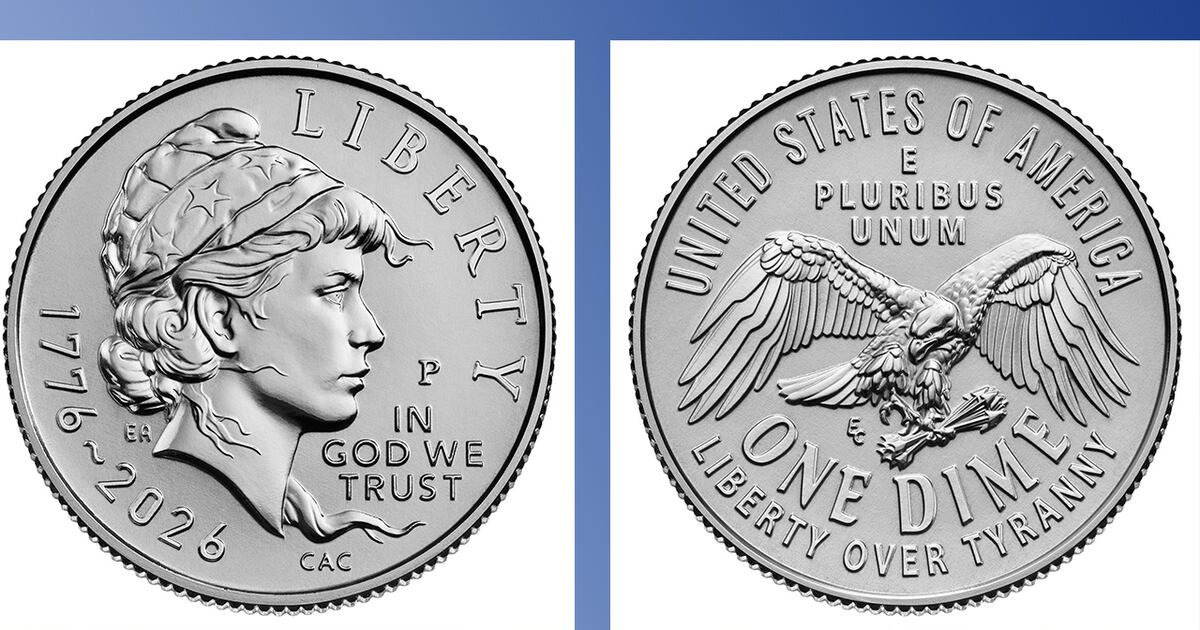
It’s an exciting time to be a collector. As we celebrate the U.S. Semiquincentennial, the Mint has been releasing some incredible designs. Just last month, on April 17th, the 1776-2026 Emerging Liberty Dime hit the streets.
This is the first major redesign of the dime since 1946. Seeing these in circulation reminds us that the hobby isn't just about looking backward at the 1800s; it’s about watching history unfold in our pockets right now. Keep your eyes peeled for these in your change: they’re a great way to start a "Type Set" of 2026 coinage.
What is a Coin Show?
If you’ve been collecting solo at your kitchen table, you’re missing out on half the fun. You might be wondering, what is a coin show?
Imagine a massive room: sometimes a hotel ballroom, sometimes a convention center: filled with hundreds of dealers from all over the country. They have cases full of everything from ancient Roman denarii to those $12 million gold pieces we dream about.
Shows are where you go to:
- Handle coins you’ve only seen in books.
- Negotiate prices face-to-face.
- Get coins appraised by experts.
- Meet other people who won’t get bored when you talk about "doubled die obverses."
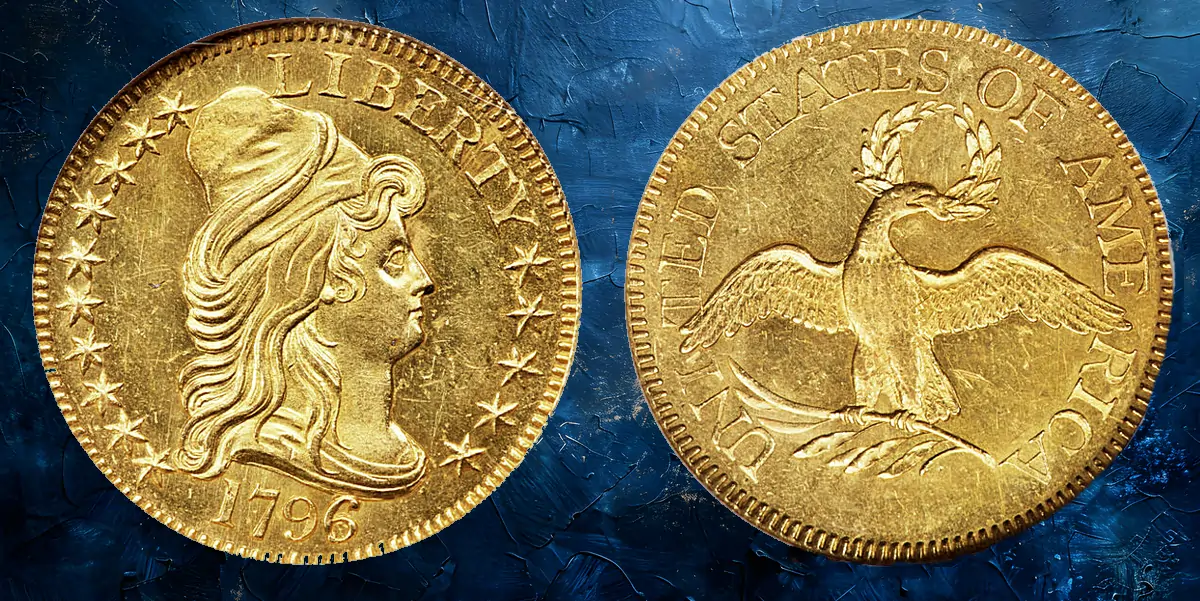
It’s the best place to find niche items, like the 1796-5 Half Eagle. High-end gold like this doesn't show up at your local pawn shop. It lives at major auctions and national shows.
Final Thoughts for the Road
Coin collecting is a marathon, not a sprint. You’ll make mistakes: we all do. You’ll buy a coin that turns out to be cleaned, or you’ll overpay for a common date. That’s okay. That’s how you learn.
The goal is to build something you’re proud of. Whether you’re hunting for silver in bank rolls or bidding on rarities at auction, keep that curiosity alive. Keep your coins in PVC-free holders, keep your hands clean (and your coins "dirty"), and never stop reading.
If you want to hear more stories about the "green goo" or the latest Mint releases, make sure to tune into our next coin collecting podcast episode. We’re always here to help you navigate the world of numismatics without losing your shirt: or your sanity.
Happy hunting, and I'll see you at the next show!
( Matt Dinger)