
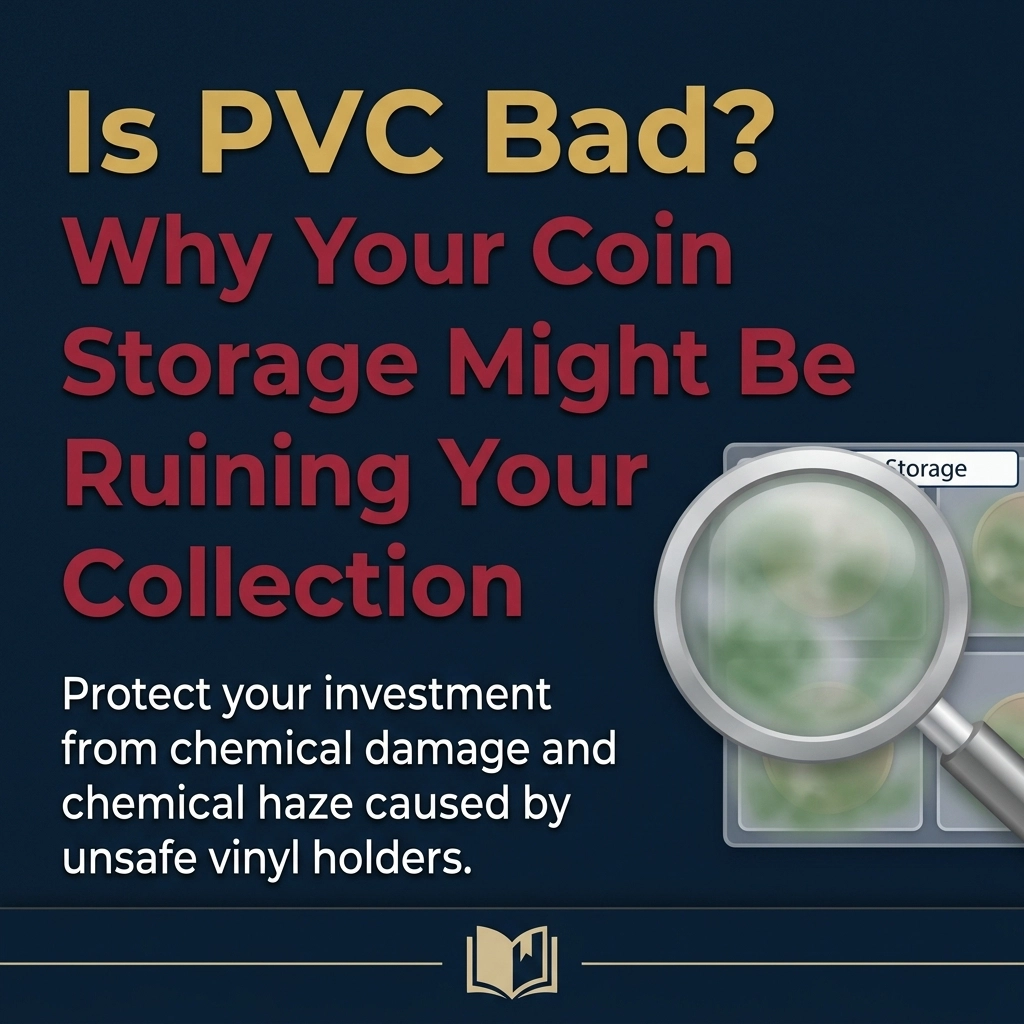
Is PVC Bad? Why Your Coin Storage Might Be Ruining Your Collection
Hey there, coin fam. Matt Dinger here from The Coin Show. If you’re reading this, you probably love the hobby as much as I do. There’s nothing quite like the feeling of holding a piece of history in your hand, whether it’s a silver dollar that survived the Wild West or a crisp new release from the U.S. Mint.
But here’s the thing: while we’re busy hunting for that next white whale or tuning into a coin collecting podcast to hear the latest news, there’s an invisible enemy that might be eating away at your hard-earned collection right now. I’m talking about PVC.
If you’ve been around the hobby for a while, you’ve probably heard people whisper about “green slime” or “PVC damage” like it’s a ghost story. Unfortunately, it’s very real. Today, we’re going to dive deep into how to store coin collection items properly and why that cheap plastic flip you got at a flea market might be a ticking time bomb.
What Exactly is PVC?
PVC stands for Polyvinyl Chloride. It’s a versatile, cheap, and very common plastic. You find it in everything from plumbing pipes to shower curtains. In the world of numismatics, it was the "go-to" material for coin flips for decades because it’s soft, flexible, and clear.
The problem isn't the PVC itself, it’s the "plasticizers." Pure PVC is actually quite brittle. To make those soft, pliable flips we all know, manufacturers add chemical softeners. Over time, these chemicals break down and leach out of the plastic. When they hit the surface of your coin, they start a chemical reaction that can cause permanent, irreversible damage.
The Horror of "Green Slime"
If you’ve ever opened an old album or a soft plastic flip and noticed a sticky, green residue on the coin, you’ve seen coin pvc damage firsthand. It usually starts as a light, oily film. You might think, "Oh, I can just wipe that off."
Stop right there.
That green goo is actually an acidic reaction. It doesn't just sit on the coin; it eats into the metal. On copper coins, it can be devastating. On silver coins, it creates a cloudy, unattractive haze that kills the luster. If left long enough, it will pit the surface of the metal. Even if you manage to clean the residue off, the "scars" on the coin remain, and the value of your collection plummets.
Case Study: The 1916 Standing Liberty Quarter
Let’s look at a "heartbreak" scenario. Imagine you finally track down a standing liberty quarter 1916. This is a legendary rarity in the numismatic world. Only 52,000 were minted. It’s the kind of coin that marks a serious collector.
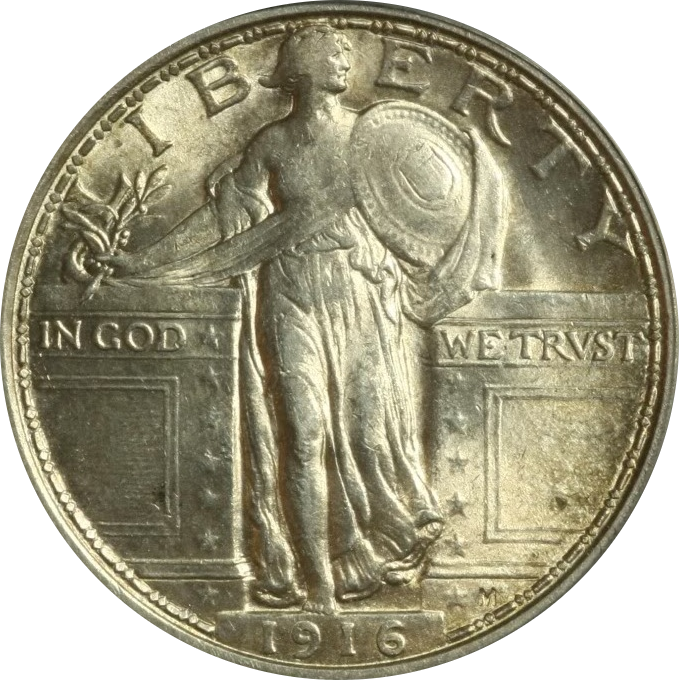
Now, imagine putting that 1916 SLQ into a soft, 5-cent PVC flip you found in a junk drawer. Fast forward five years. You pull it out to show a friend, and the beautiful, bare-breasted Liberty design is covered in a sticky green film. Because of the damage, that coin would no longer meet strict ANA grading standards for its original grade. A coin that could have been worth thousands is now "Details" graded at best, all because of a piece of plastic.
How to Spot the Danger
If you’re new to the hobby, you might be wondering: "How do I know if my holders are safe?" Here are a few coin collecting tips for identifying PVC:
- The Smell Test: If you open a coin binder and it smells like a new shower curtain or a beach ball, that’s the smell of off-gassing plasticizers. That is PVC.
- The Twist Test: If the plastic flip is soft and you can easily bend it or fold it without it snapping or creasing, it’s likely PVC. Safe holders (like Mylar) are much stiffer and will "snap" or crack if you try to fold them sharply.
- The Feel: If the flip feels slightly "tacky" or greasy to the touch, get your coins out of there immediately.
Better Storage: The Right Way to Protect Your Coins
Learning how to store coin collection pieces correctly is the most important skill a beginner can learn. If you want your coins to look as good in 2076 as they do in 2026, you need to use archival-quality materials.
Mylar Flips
The gold standard for "raw" coin storage is the 2×2 Mylar flip. Mylar is a brand name for biaxially-oriented polyethylene terephthalate (try saying that five times fast). It’s chemically inert, meaning it won’t react with your coins. Brands like "Saflip" are industry favorites because they contain zero PVC and zero oils.
Hard Plastic Capsules
For your most valuable pieces: like that 1794 Flowing Hair Silver Dollar you're dreaming of: hard plastic capsules (like Air-Tites) are the way to go. These provide a near-airtight seal and physical protection from drops.
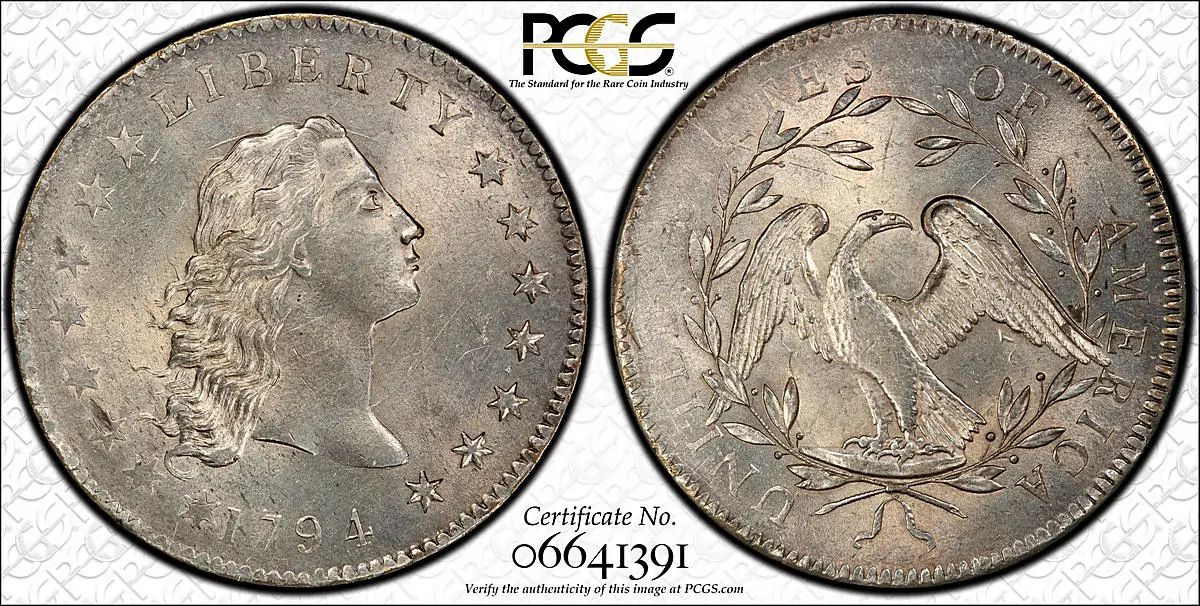
Look at the surface of that 1794 Dollar. It sold for $4.5 million because its surfaces were preserved. If that coin had spent the last 200 years in a reactive environment, it would be a dark, corroded disc rather than a national treasure.
Why Quality Matters for New Releases
We are currently in a very exciting time for numismatics. With the 2026 Semiquincentennial, the U.S. Mint is releasing some incredible designs. Take the 1776-2026 Emerging Liberty Dime, for example.
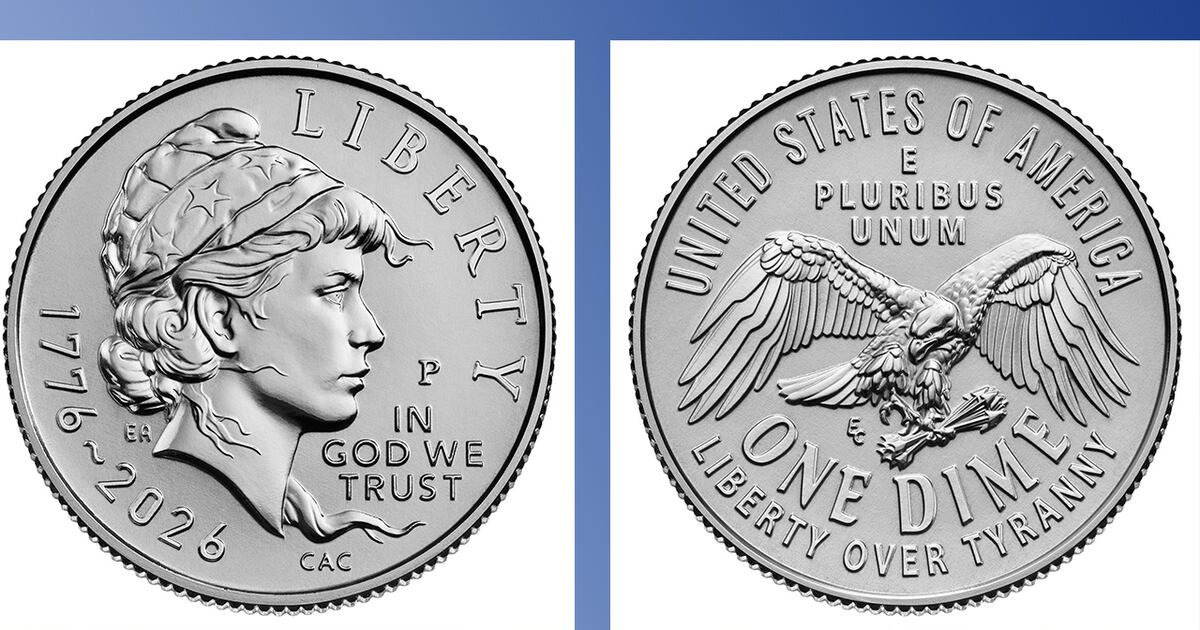
This is the first major redesign of the dime in a lifetime. If you're pulling these out of change or buying rolls from the bank, don't just toss them in a cigar box. Use PVC-free tubes or high-quality albums. Protecting these coins today ensures that the collectors of the future have high-grade specimens to study.
The Role of Grading and Conservation
If you do find a coin with PVC damage, don't panic and don't reach for the Brillo pad. Never, ever scrub a coin.
In the numismatic world, we talk a lot about counterfeit coin detection and grading, but "conservation" is just as important. Professional services like NCS (Numismatic Conservation Services) can often remove PVC residue safely using professional-grade solvents without harming the underlying metal.
Once a coin is conserved, it can be sent for grading. Meeting ANA grading standards is much easier when the coin hasn't been "cleaned" by an amateur. A professionally conserved and graded coin in a sonically sealed slab is the ultimate protection against the elements.
Visiting a Coin Show
If you’re still unsure about what supplies to buy, one of the best things you can do is find out what is a coin show and when the next one is happening near you.
Coin shows aren't just for buying and selling expensive gold pieces like this 1796-5 Half Eagle.
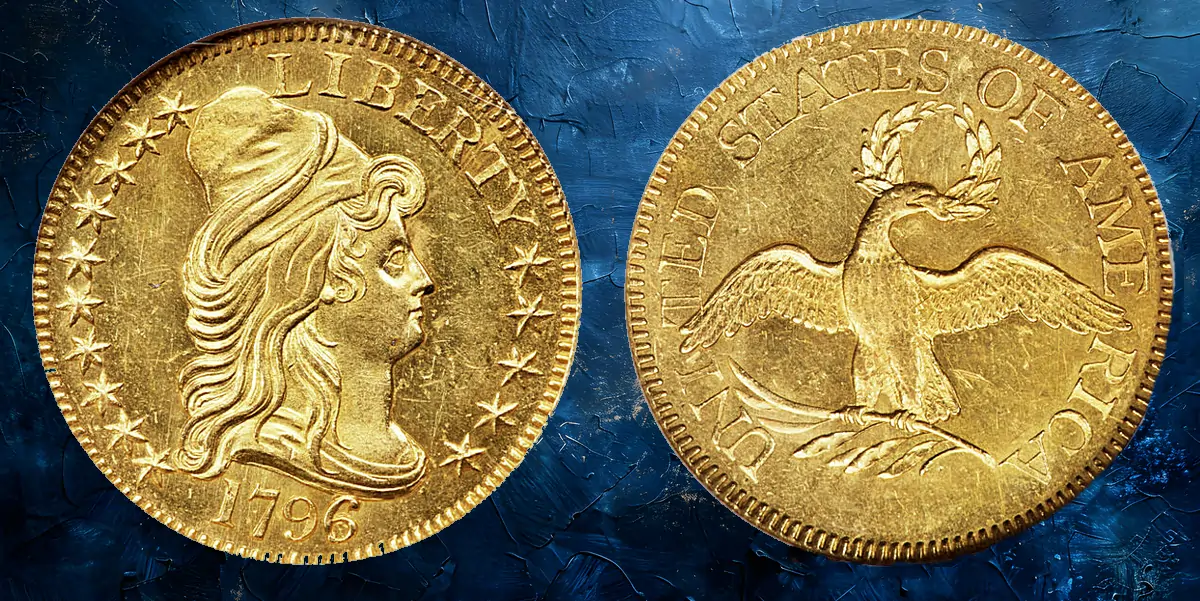
They are also the best places to buy bulk supplies. Dealers at shows usually carry high-quality, PVC-free flips, tubes, and albums. Plus, you can talk to veterans in the hobby who have seen it all. Ask them about their experiences with coin storage for collectors. They’ll likely have a few horror stories of their own to share!
Final Thoughts from The Coin Show
Your collection is an investment in history, and it deserves to be treated with respect. Cheap storage is the most expensive mistake you can make. By switching to Mylar, using hard capsules, and staying away from soft vinyl, you're ensuring that your coins stay beautiful for generations to come.
If you want more coin collecting tips or want to stay up to date on the latest market trends, be sure to subscribe to our numismatic podcast. We’re always talking about the best ways to enjoy and protect this incredible hobby.
Keep hunting, keep learning, and for heaven's sake: throw those PVC flips in the trash!
Catch you in the next one,
Matt Dinger
Host of The Coin Show