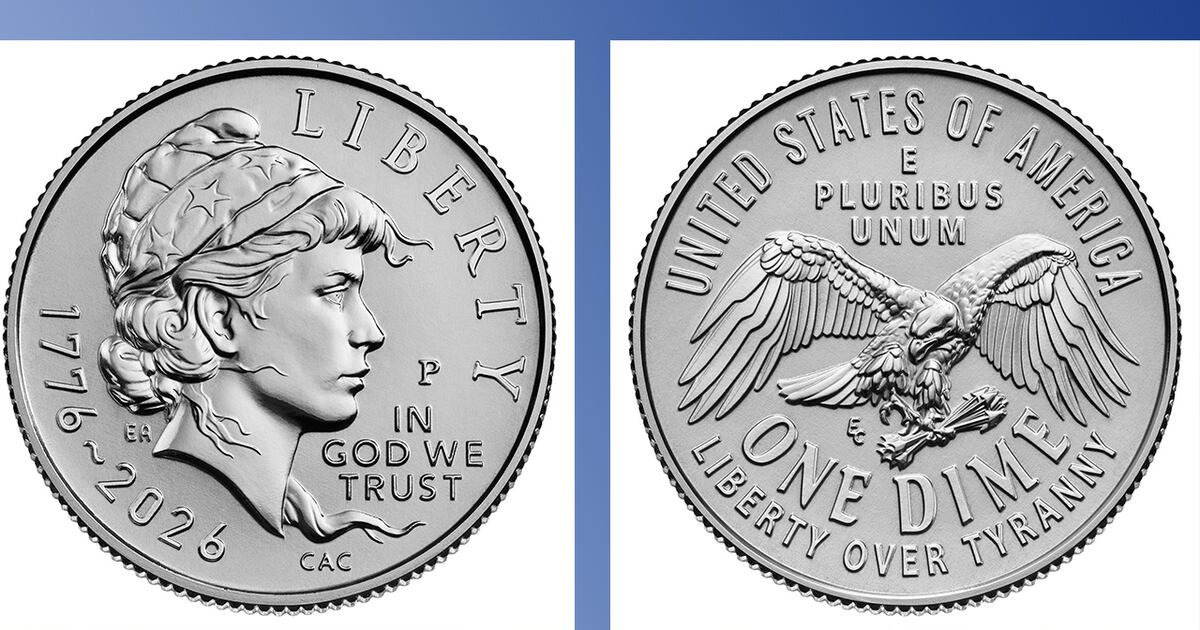
5 Mistakes You’re Making with Counterfeit Coin Detection (and How to Fix Them)
Welcome back to The Daily Mint. It’s Thursday, May 7, 2026, and today we’re talking about a topic that keeps a lot of collectors up at night: counterfeits.
Whether you’ve been at this for twenty years or you just bought your first album, the fear of getting burned by a fake is real. These days, "super fakes" are getting better, and even experienced numismatists can get tripped up if they aren't careful. We talk about this a lot on our coin collecting podcast, but today I want to break down five common mistakes people make when hunting for fakes and exactly how to fix them.
1. The "Rose-Colored Glasses" Mistake
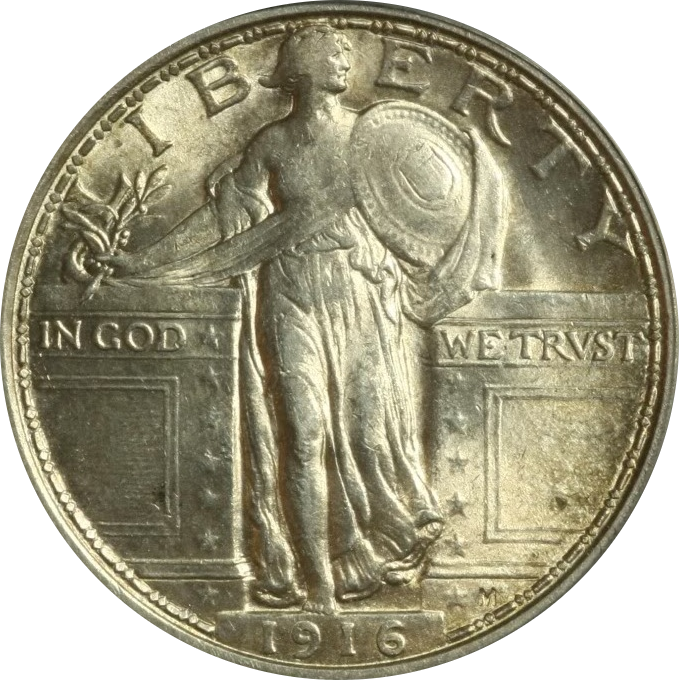
The biggest mistake isn't a lack of tools; it’s a lack of objectivity. When you find a coin you’ve been hunting for: maybe it’s a standing liberty quarter 1916 or a rare Mint State Morgan: your brain starts looking for reasons to buy it rather than reasons to walk away.
Collectors often focus so much on the beautiful luster or the sharp strike that they ignore red flags like cleaning, staining, or "whizzing." Whizzing is when someone uses a wire brush or a tool to simulate luster on a cleaned coin. It looks "shiny," but it’s a damaged coin.
How to Fix It:
Stop looking for reasons to love the coin for a minute. Look for the "bad" stuff first. Check the surfaces for fine, parallel scratches (a sign of cleaning). Look for odd colors or "greasy" surfaces. Before you commit to a purchase, ask yourself: "If I was trying to prove this coin was fake, what evidence would I find?" This shift in mindset is one of the best coin collecting tips we can offer.
2. Ignoring the "Green Slime" and Poor Storage
Sometimes, what looks like a counterfeit or a poorly struck coin is actually environmental damage. But more importantly, failing to understand how a coin should age can lead you to buy an "authentic-looking" fake that is actually too perfect.
A huge issue for collectors is coin pvc damage. If you’re using old, soft plastic flips to store coin collection items, those flips contain PVC. Over time, that PVC leaches out and creates a sticky, green residue on the coin. Not only does this ruin the coin, but it can also hide surface details that help you identify authenticity.
How to Fix It:
Learn proper coin storage for collectors. Always use PVC-free, non-plasticized flips (Mylar is your friend). If you see a coin in a dealer's bin that has a weird green film or smells like a plastic shower curtain, be very careful. It might be authentic, but the damage might be permanent. Understanding how to store coin collection properly is just as important as knowing how to buy it.
3. Trusting Your Naked Eye Too Much
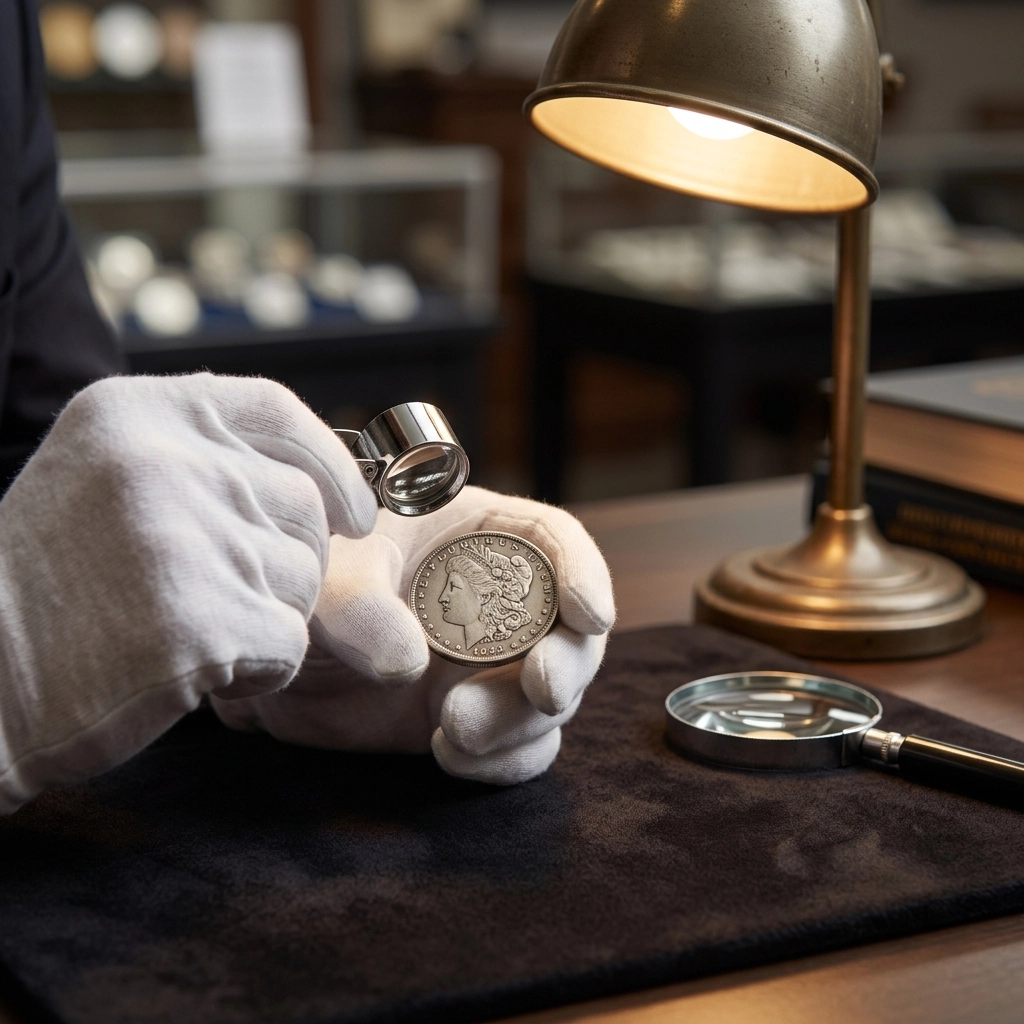
We’ve all seen the guy at the coin show who holds a coin up to the light, nods, and says "looks good" without ever pulling out a loupe. Don't be that guy. Modern counterfeits are sophisticated. Some are made with transfer dies, meaning they are created from an actual genuine coin. The details can be incredibly close to the original.
How to Fix It:
You need magnification. A 10x or 12x triplet loupe is the industry standard. When you use it, look for:
- The "Orange Peel" Effect: Fake coins often have a grainy, pitted texture in the fields (the flat parts) that genuine coins don't have.
- Soft Details: Genuine coins have crisp, sharp lettering. Fakes often look "mushy" or rounded.
- The Edge: Don't forget to look at the edge of the coin. If it’s a reeded edge, are the reeds even and sharp? If it’s a plain edge, are there signs of a "seam" where two halves were joined together?
4. Skipping the Basic Science (Weight and Metal)
You can have the best eyes in the world, but you can’t see what a coin is actually made of just by looking at it. Many counterfeits are made of base metals like copper, nickel, or lead and then plated in silver or gold. They might look right, but they won't weigh right.
How to Fix It:
Get yourself a basic counterfeit coin detection kit. It doesn't have to be expensive. You need two things:
- A Digital Scale: It should measure to at least 0.01 grams. Check the weight of your coin against official mint specifications (you can find these in a "Red Book" or online). If a silver dollar is supposed to weigh 26.73 grams and yours weighs 24.2, you have a problem.
- A Magnet: Specifically, a strong neodymium magnet. Genuine silver and gold coins are not magnetic. If your "silver" coin sticks to the magnet, it’s a fake. Just keep the magnet away from your electronic devices!
5. Not Having a Reference Point
If you’ve never seen a real standing liberty quarter 1916 in person, it’s very hard to spot a fake one. You don't know what the specific "look" of the minting process was for that year. You don't know where the typical wear patterns occur or what the mint mark font should look like.
How to Fix It:
Study the real thing. This is where ana grading standards come in. The American Numismatic Association has specific guidelines for what coins should look like in every grade.
- Visit a Coin Show: If you’re wondering what is a coin show, it’s basically a massive gathering of dealers and collectors. It’s the best place to see thousands of coins in person. Ask dealers to show you genuine examples of the coins you’re interested in.
- Use High-Res Photos: Websites like Heritage Auctions or PCGS have massive archives of high-resolution photos of genuine, graded coins. Compare your coin to those photos. Look at the spacing of the letters and the way the date is shaped.
- Listen to the Experts: Tune into a numismatic podcast (like ours!) to hear stories about specific fakes that are currently hitting the market. Knowledge is your best defense.
Why This Matters Now
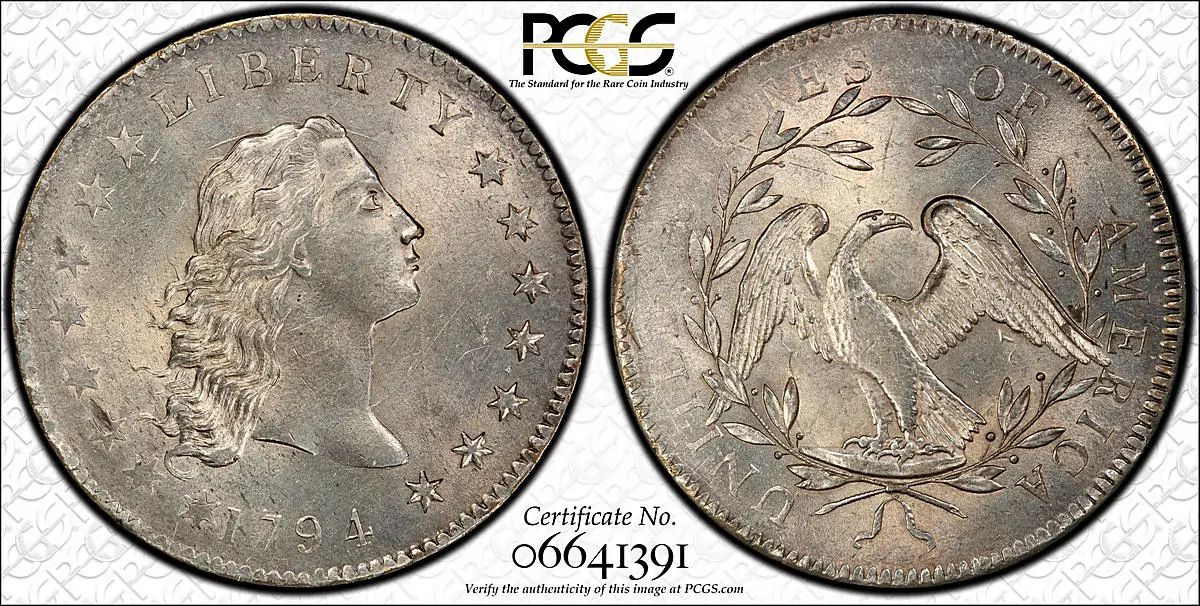
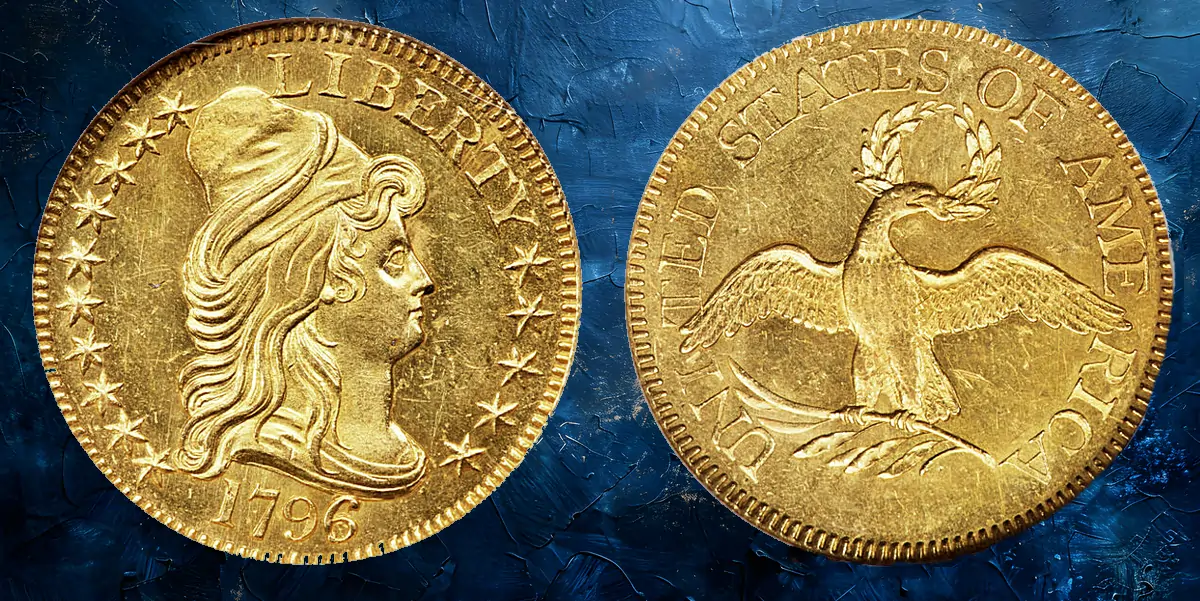
The market for rare coins is hotter than ever. When prices go up, the counterfeiters work harder. We recently saw a 1794 Flowing Hair Silver Dollar sell for millions: when that kind of money is on the line, people will try all sorts of tricks. Even if you're just buying a silver Eagle or a common date Morgan, the principles of counterfeit coin detection remain the same.
If you ever feel unsure, don't be afraid to ask for help. The numismatic community is generally very friendly. Most dealers at a show will be happy to give you their opinion on a coin, even if you didn't buy it from them.
Final Thoughts
Collecting coins should be fun, not stressful. By avoiding these five mistakes: being too emotional, ignoring storage, skipping magnification, forgetting the scale, and lacking a reference: you’re already ahead of 90% of the people in the hobby.
Take care of your coins, keep them away from PVC, and keep learning. If you want more tips on how to build a world-class collection, check out the latest episode of The Coin Show. We dive deep into historical stories and the nitty-gritty of the hobby every single week.
Happy hunting, and keep those scales handy!