

7 Mistakes You’re Making with Coin Storage (and How to Stop PVC Damage)
Welcome back to "The Daily Mint," your go-to spot for everything happening in the world of numismatics. I’m Penny, and today we’re talking about something that keeps collectors up at night: damage.
You’ve spent years hunting down that elusive standing liberty quarter 1916 or saving up for a high-grade Morgan Dollar. You finally get it home, and you put it "somewhere safe." But a year later, you pull it out and notice a weird, sticky green haze on the surface. Or worse, a giant black fingerprint right on the face of Liberty.
At The Coin Show, whether we’re recording our coin collecting podcast or chatting with folks at a local coin show, we hear these horror stories all the time. Proper coin storage for collectors isn't just about keeping things organized; it’s about preservation. If you want your coins to meet ANA grading standards decades from now, you have to stop these seven common mistakes today.
1. The "Golden Touch" (Handling with Bare Hands)
We get it. You want to feel the history. You want to hold that 1794 Flowing Hair Silver Dollar and imagine who else held it two centuries ago. But your skin is a chemical factory. It’s covered in natural oils, salts, and acids.
When you touch a coin with your bare fingers, you leave behind an invisible residue. Over time, that residue reacts with the metal. This is how you get those ugly, permanent brown or black "fingerprint" stains that eat into the luster. Once it’s there, it’s usually permanent.
The Fix: Always wear lint-free cotton gloves or, better yet, powder-free nitrile gloves. If you must handle a coin without gloves, only touch the edges. Never, ever touch the "fields" (the flat parts) or the "devices" (the raised parts) of the coin.
2. The PVC Nightmare (The "Green Slime")
This is the big one. Coin PVC damage is the silent killer of collections. Many cheap, soft plastic "flips" are made with Polyvinyl Chloride (PVC). To make the plastic soft and pliable, manufacturers add chemical plasticizers.
The problem? Those plasticizers eventually break down and leak out of the plastic. They create a sticky, acidic green goo that coats the coin. This isn't just a surface stain; the acid actually etches the metal. If left too long, the coin is ruined.
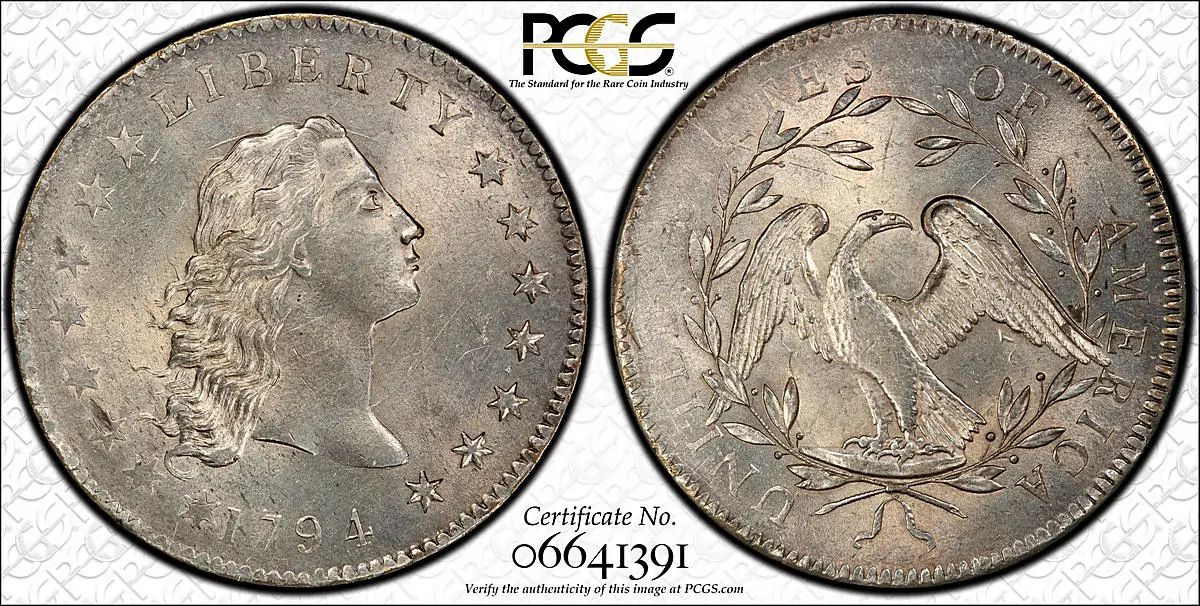
Imagine finding green slime on a classic like this 1794 Flowing Hair. It’s a numismatic tragedy.
The Fix: Use only PVC-free holders. Look for "unplasticized" flips (often called non-PVC or Mylar flips). They are stiffer and more brittle, but they won't eat your coins. If you see a flip that is very soft and smells like a new shower curtain, throw it away immediately.
3. The "Ziploc" Strategy
We’ve all seen it: a collection of silver halves or old wheat pennies dumped into a plastic sandwich bag. This is a recipe for disaster. First, most food-grade bags contain PVC or other chemicals not meant for long-term storage.
Second, the coins are all touching. As the bag moves, the coins rub against each other. This causes "bag marks," hairline scratches, and "rim nicks." If you’re aiming for a high grade, these tiny bits of damage can drop a coin from an MS65 to an MS62 in a heartbeat.
The Fix: Keep your coins separate. Use individual 2×2 cardboard holders, plastic tubes for bulk coins, or individual hard plastic capsules. Each coin deserves its own space.
4. Rubber Bands are the Enemy
If you have a roll of coins held together by a rubber band, go remove it right now. Rubber contains sulfur. As rubber bands age, they degrade and "off-gas" sulfur into the air.
Sulfur reacts aggressively with silver and copper. It will turn your beautiful white silver coins black or create a mottled, ugly toning that looks like a grease stain. In some cases, the rubber band can actually melt and fuse to the coin or the holder, leaving a permanent scar.
The Fix: Use plastic coin tubes or paper rolls designed for coins. Never use office supplies like rubber bands, paper clips, or staples (unless the staples are properly flattened in a 2×2 holder) near your collection.
5. Ignoring the Environment (The Attic and Basement Trap)
Temperature and humidity are the "invisible" enemies of numismatics. Many collectors store their coins in the basement (too damp) or the attic (too hot).
High humidity causes oxidation. For copper coins, this leads to corrosion and "red" coins turning "brown." For silver, it leads to heavy tarnish. Extreme heat can cause plastic holders to warp or accelerate the off-gassing of any chemicals present in the storage area.
The Fix: Store your collection in a "climate-controlled" area. This usually means the living area of your home where the temperature and humidity stay relatively stable. If you use a safe, throw in a few packs of silica gel to absorb any stray moisture.
6. Cracking the Slab Without a Plan
Professional grading by services like PCGS or NGC provides more than just a grade; it provides a sonically sealed, archival-safe environment. These "slabs" are the gold standard for coin storage for collectors. They also help with counterfeit coin detection, as the experts have already verified the coin's authenticity.
A common mistake is "cracking" the slab because you want to put the coin in a raw album or because you think it deserves a higher grade. Unless you are an expert in ANA grading standards and have a specific reason to re-submit, leave it in the holder. Once you crack that plastic, the guarantee is gone, and the coin is once again vulnerable to the elements and handling.
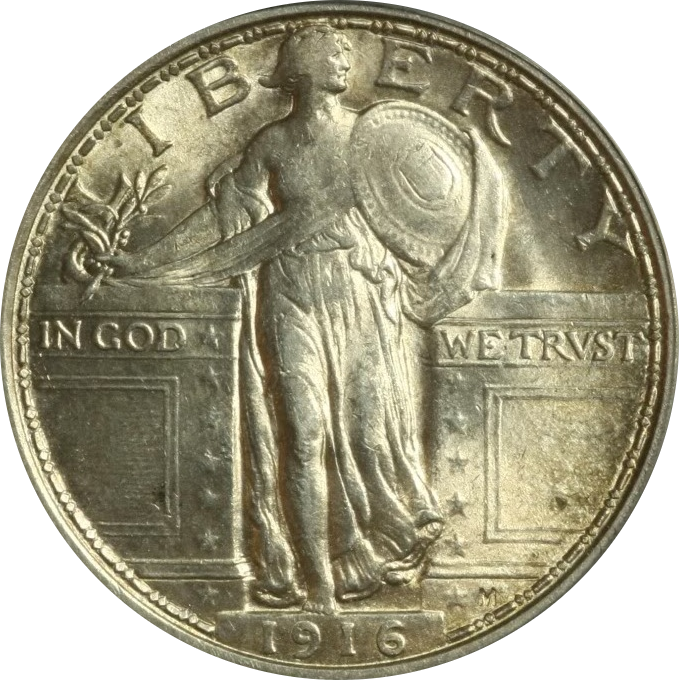
A rare 1916 Standing Liberty Quarter should almost always stay in its protective slab to maintain its value and condition.
7. The "No Inventory" Mess
While not physical damage, failing to inventory your collection is a huge storage mistake. If you don't know what you have or where it is, you can't properly care for it. We’ve heard stories on our numismatic podcast about collectors who "lost" valuable coins in their own homes, only to find them years later at the bottom of a box, damaged by weight or environment.
The Fix: Keep a digital or physical ledger. Note the date of purchase, the price paid, the grade, and exactly which box or safe it’s stored in. This is also vital for insurance purposes.
A Note on Modern Releases
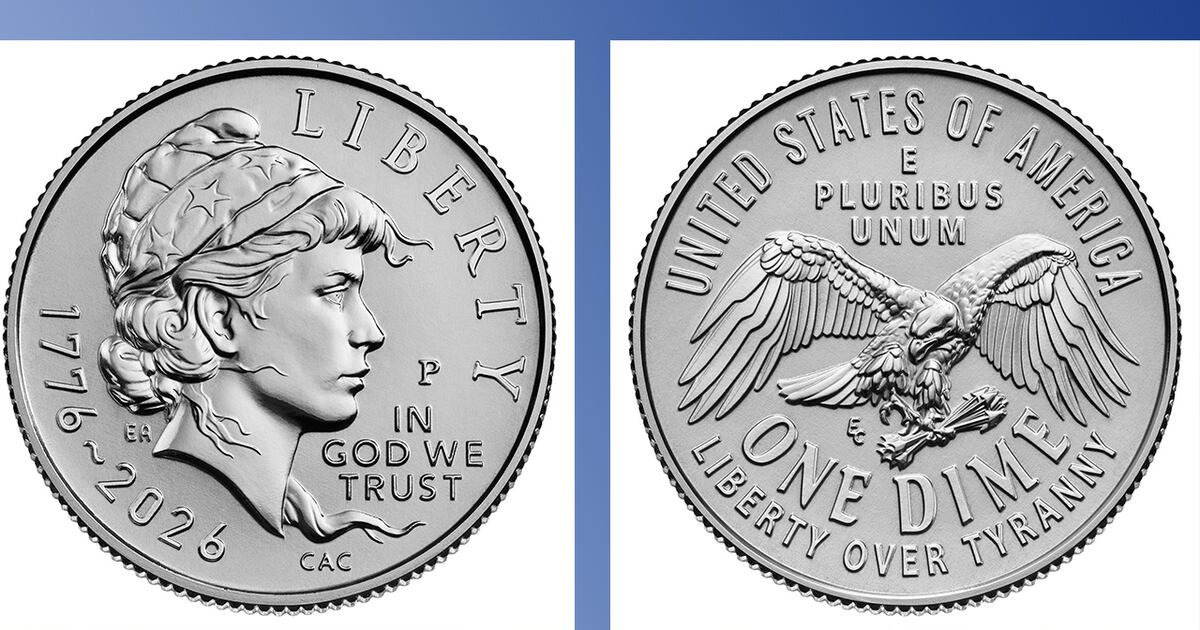
As we look forward to the 1776-2026 Emerging Liberty Dime release coming up on April 17th, remember that even brand-new coins need immediate care. Many collectors think that because a coin is new, it’s "tough." In reality, modern "proof" finishes are incredibly delicate. One tiny fingerprint on a 2026 proof dime will stand out like a sore thumb and ruin the aesthetic value.
Why This Matters
At the end of the day, we are all just temporary caretakers of these pieces of history. Whether you’re a veteran collector or someone who just started because you heard a coin collecting podcast, the goal is the same: preserve the coin for the next generation.
If you’re unsure about your storage setup, ask yourself:
- Is it PVC-free?
- Is it in a dry, cool place?
- Can the coins touch each other?
- Am I using gloves?
If you can answer those correctly, you’re already ahead of 90% of the people out there. If you want to learn more about what is a coin show like or get more coin collecting tips, make sure to tune in to our next episode of The Coin Show.
Proper storage isn't the most "exciting" part of the hobby: buying the coins is: but it’s the only way to make sure your investment (and your passion) doesn't literally rot away. Happy collecting, and keep those coins dry!